Patrick Clancy Recalls First Signs Lindsay Was ‘Really Struggling’ Months Before Deaths of Their Three Children
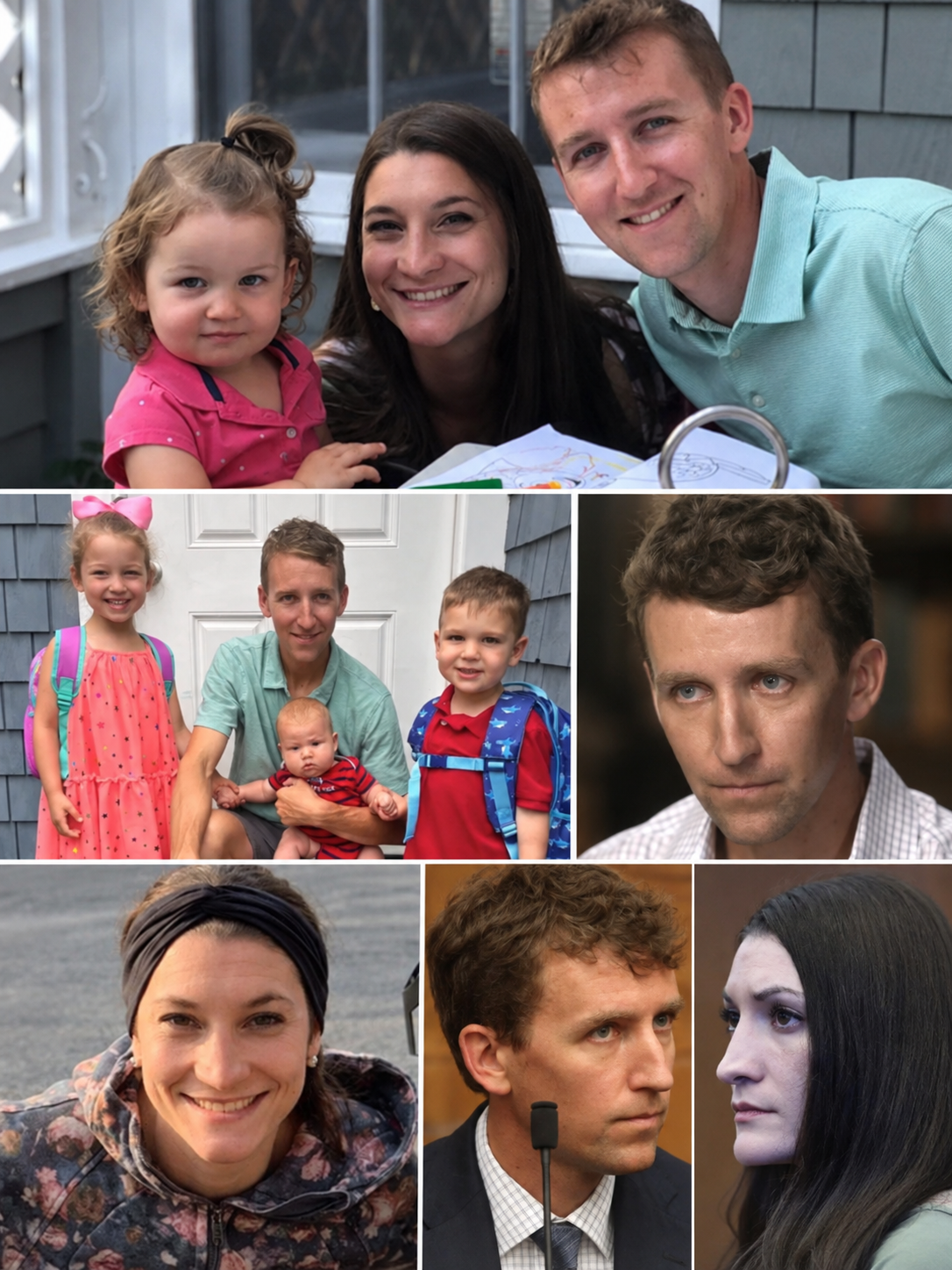
Patrick Clancy says the first unmistakable sign that something was seriously wrong with his then-wife Lindsay came in the fall of 2022, months before the deaths of their three young children.
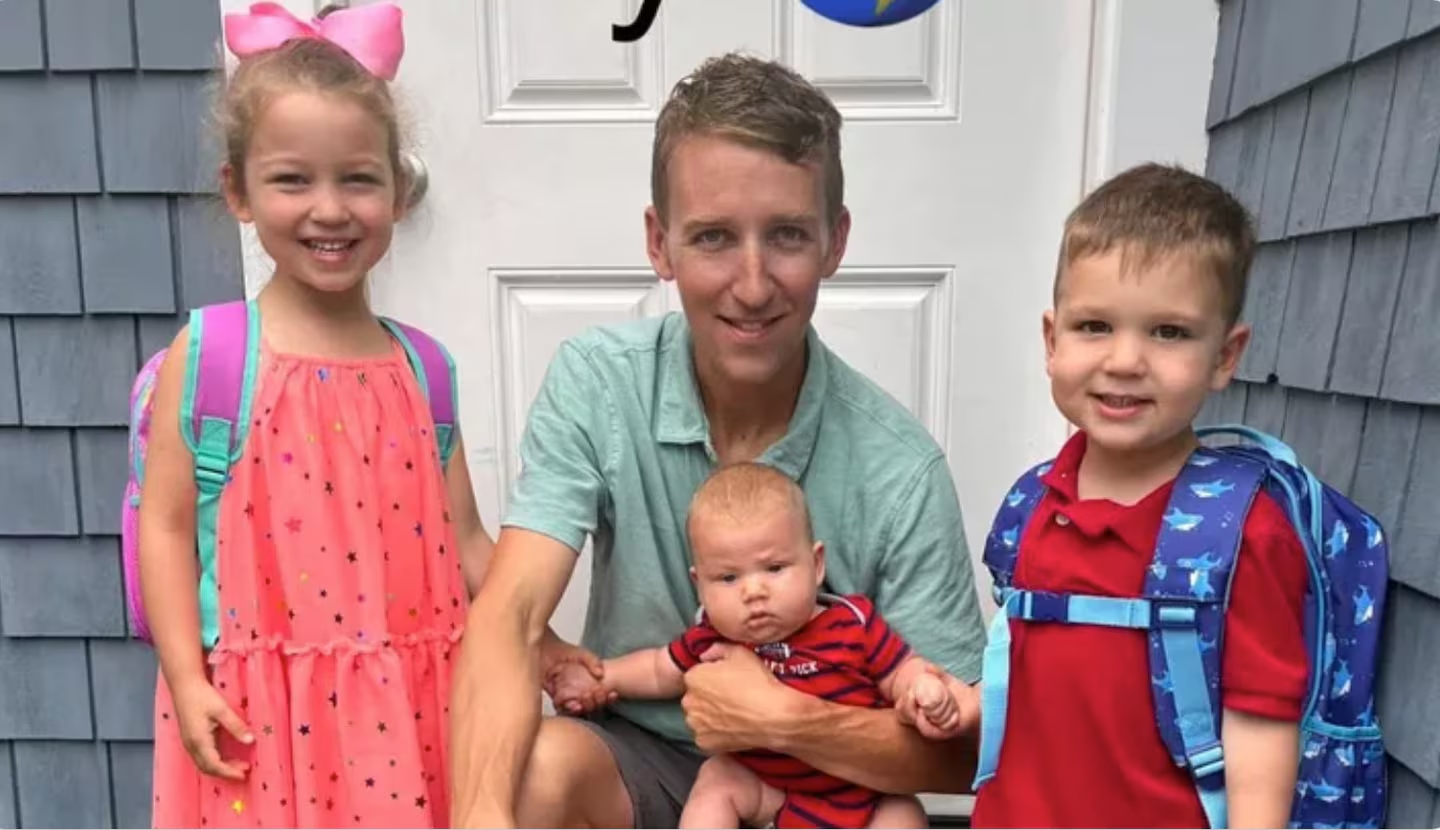
At the time, the couple was living in Duxbury, Massachusetts, with Cora, Dawson and their infant son, Callan. Lindsay had recently given birth and, from the outside, the family was moving through the exhausting but familiar routines of raising three small children.
Then sleep began to disappear.
Patrick now says October was when he first realized Lindsay was not simply tired.
She had gone several nights without sleeping. One morning, she came downstairs and told him she had not slept at all.
Patrick responded the way many spouses might: he offered to take the children to school and told her to focus on getting rest.
Looking back, he says he did not understand what those symptoms could mean.
“I didn’t know how to manage a postpartum illness,” he said in a new interview reflecting on the months leading up to the family tragedy.
What First Looked Like Exhaustion Became Something More Serious
Patrick said he had some understanding of anxiety and depression, but almost no knowledge of serious perinatal mental-health disorders.
That gap mattered because Lindsay’s condition did not remain limited to insomnia.
By December, he said, she was experiencing profound depression, intrusive thoughts and an extreme lack of sleep.
Patrick described that month as the low point of her decline.
Lindsay made repeated emergency-room visits and sought psychiatric care. She was prescribed multiple medications as doctors attempted to address her worsening symptoms.
On New Year’s Eve 2022, she admitted herself to McLean Hospital for inpatient psychiatric treatment.
She was treated for depression and discharged several days later.
Patrick said she wanted to come home.
The family then celebrated Cora’s fifth birthday on Jan. 7.
Seventeen days later, their lives changed permanently.
Jan. 24, 2023
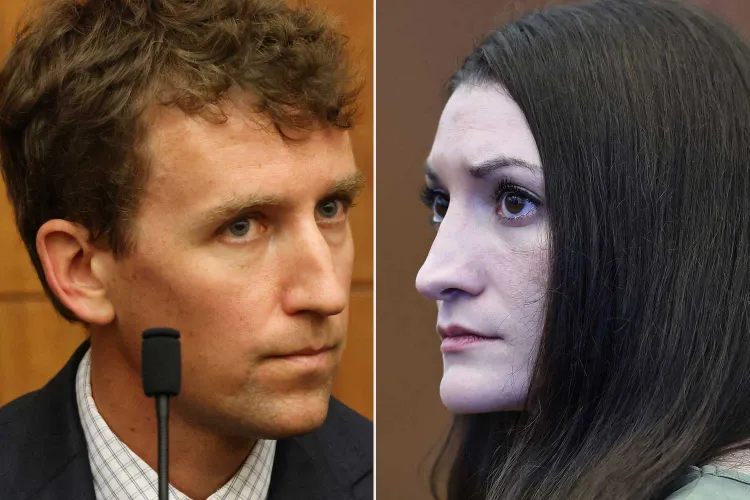
On Jan. 24, Patrick left the family home after Lindsay asked him to run an errand and pick up dinner.
When he returned, he found Lindsay outside after she had jumped from an upstairs window.
Inside the home, Patrick discovered the couple’s three children.
Cora and Dawson had been strangled and were pronounced dead.
Callan, who was eight months old, still had a heartbeat and was rushed to the hospital.
Patrick said that night he clung to the possibility that his youngest child might survive.
He imagined raising Callan and telling him stories about his older brother and sister.
But the prognosis was devastating.
Callan remained alive for four days.
Patrick was able to hold him and lie beside him before the infant died in his arms.
He later said he was grateful for those final days, painful as they were, because they gave him time with his son he would otherwise never have had.
Patrick Says Mental Illness Can Be ‘Tragically Deceptive’
In his new interview, Patrick repeatedly returned to the idea that mental illness can conceal how severe a crisis has become.
He described Lindsay’s condition as “tragically deceptive.”
In retrospect, he believes there were probably signs he failed to recognize.
But he also said he and Lindsay were trying to find help.
She had seen doctors.
She had gone to emergency departments.
She had entered psychiatric treatment.
The family was not ignoring a known crisis.
Instead, Patrick describes them as struggling to understand what kind of crisis they were facing.
That distinction has become central to his understanding of what happened.
Asked whether he believes he failed during that period, Patrick said he believes he “did the best” he could with the information and resources he had at the time.
He added that he still lives with the outcome every day.
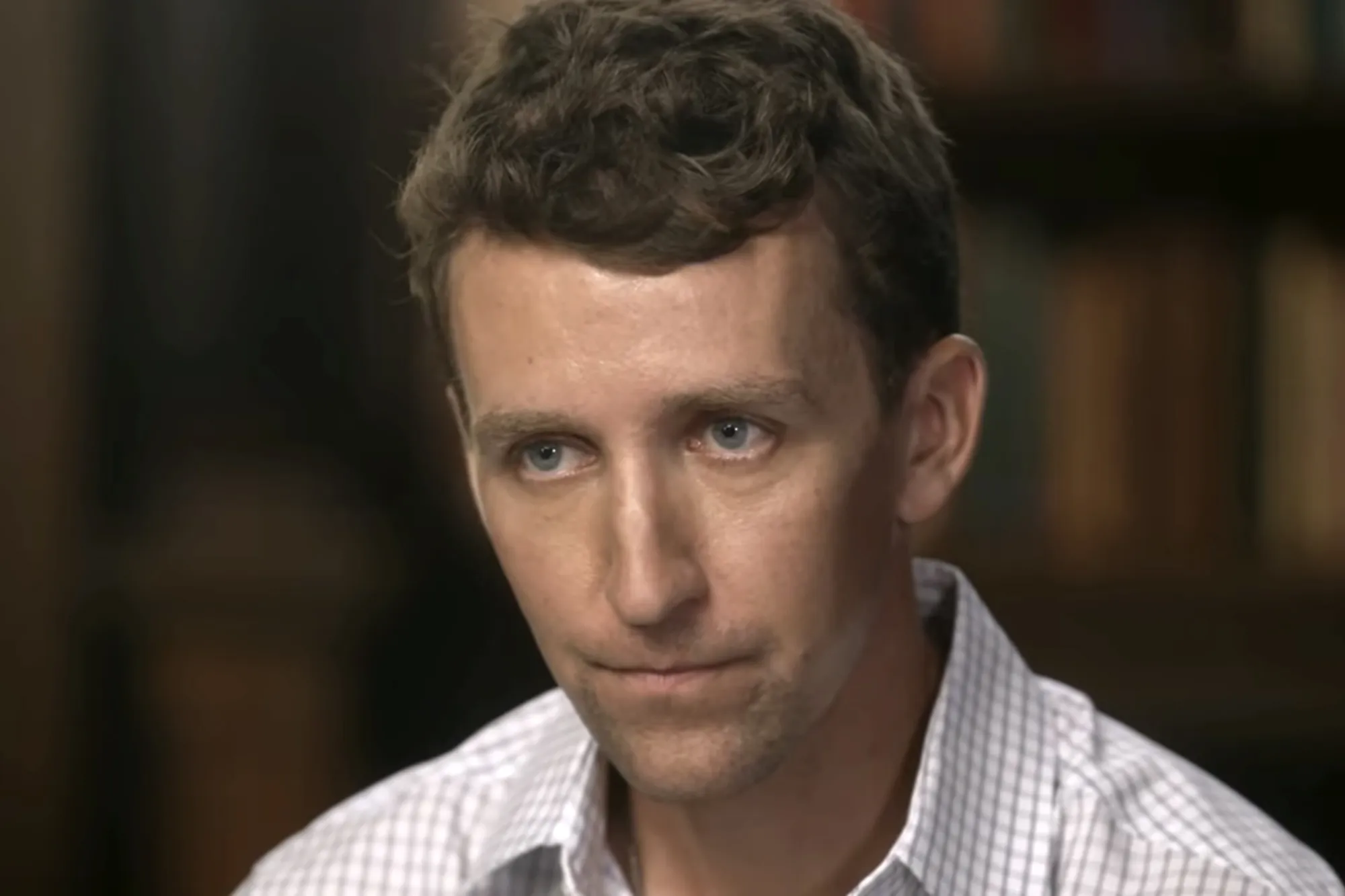
Lindsay’s Mental State Became the Central Issue at Trial
Lindsay Clancy was later charged with three counts of murder.
There was no dispute at trial over whether she caused the deaths of Cora, Dawson and Callan.
The legal fight focused instead on whether she was criminally responsible because of her mental state.
Her defense argued that she was suffering from severe postpartum psychosis and was unable to appreciate the wrongfulness of her actions.
Prosecutors argued that evidence surrounding the killings showed planning and awareness.
After weeks of testimony, jurors deliberated for seven days.
Eleven of the 12 jurors favored finding Lindsay not guilty by reason of lack of criminal responsibility.
One juror disagreed.
Judge William Sullivan declared a mistrial on Sept. 4, 2026.
Prosecutors have not yet announced whether Lindsay will face a second trial.
A status hearing is scheduled for Sept. 29.
Patrick Says Lindsay Remembered the Killings ‘Like a Dream’
Patrick also revealed that he eventually asked Lindsay what she remembered about what happened.
According to him, she described the experience as something resembling a dream — remembered in fragments the way someone might recall a dream after waking.
Patrick has consistently said he believes mental illness was responsible for what occurred.
Shortly after the children died, he publicly asked people to forgive Lindsay.
Years later, he says he still does.
Asked whether Lindsay had ever asked him for forgiveness, Patrick said she had not.
But he said he gave it to her anyway.
His decision has drawn strong reactions, particularly given the scale of the tragedy.
Patrick, however, has said forgiveness became necessary for his own survival.
He believed carrying hatred indefinitely would consume him.
Grief Nearly Overwhelmed Him
After the deaths, Patrick’s life effectively stopped.
He said there were no more school routines, bedtime rituals or ordinary parenting responsibilities.
At one point, he drove past his children’s school at the same moment other parents were dropping off their children.
He found the experience unbearable.
Patrick has also disclosed that there was a period when he did not believe he would live to see his 35th birthday and was at peace with that possibility.
Eventually, he left Duxbury and moved to New York City.
There, anonymity helped.
He recalled standing outside St. Patrick’s Cathedral after lighting a candle for Callan’s first birthday and crying openly on Fifth Avenue.
The fact that strangers simply continued walking gave him, in a strange way, space to grieve privately.
He Still Talks to Cora, Dawson and Callan
Patrick says his relationship with his children did not end with their deaths.
He still speaks to them.
Sometimes, he asks for their help.
He has described dreams in which the children feel completely real, including one where Cora walked into a room and hugged him.
Those moments, he says, allow him to feel briefly as though they are still close.
Patrick has also worked to preserve their memories publicly.
During Callan’s final days in the hospital, he wrote tributes to all three children because he was afraid details about who they were might eventually disappear.
He wanted people to remember more than the way they died.
A New Chapter Without Leaving the Old One Behind
Patrick has since remarried.
He met Dr. Rachel Danis, a fertility specialist, through a running group in New York in January 2024.
They married in April 2026 and recently revealed they are starting a family together.
Patrick says any future child will grow up knowing about Cora, Dawson and Callan.
For him, rebuilding does not mean replacing the family he lost.
It means carrying them forward while creating a life that still has room for hope.
Case Has Renewed Attention on Postpartum Mental Health
The Clancy trial has also intensified discussion about postpartum psychiatric care.
Following the mistrial, Massachusetts officials proposed additional funding for home nursing visits, postpartum mental-health screening and support programs for new mothers.
Patrick says that broader conversation is what he wants people to focus on.
He has criticized online conspiracy theories about the case, saying they distract from what he believes is the real issue: how difficult severe perinatal mental illness can be to recognize, diagnose and treat.
For Patrick, the first warning sign was a sleepless night.
Then another.
Then depression, intrusive thoughts, emergency visits and hospitalization.
Looking back, he can see the progression more clearly.
At the time, he says, he could not.
That is the lesson he now hopes other families will understand before a crisis reaches the point his did.