Presley Gerber Was Reportedly Prescribed Ketamine Despite Previous Struggles With the Drug

New questions are emerging about the treatment Presley Gerber was receiving before his death after people close to the 27-year-old model claimed that a doctor had been prescribing him ketamine despite his previous problems with the substance.
Gerber, the son of Cindy Crawford and businessman Rande Gerber, died on September 20 while staying at a rehabilitation facility in Santa Monica, California.
Police are investigating his death as a suspected overdose, but authorities have not yet determined what substances, if any, directly caused his death.
An autopsy has been completed, although the official cause of death remains deferred while investigators await additional testing, including toxicology results.
Now, attention is turning toward Gerber’s reported use of ketamine and whether the drug played any role in the final chapter of his long struggle with addiction.
Friends Say Ketamine Had Previously Been a Problem
People who were in regular contact with Gerber before his death have claimed that a physician had been providing him with ketamine despite allegedly knowing about his history of substance abuse.
According to those accounts, ketamine itself had previously become a recurring problem for Gerber.
Several people close to him are reportedly angry that he was prescribed the medication and have questioned whether it was appropriate given his addiction history.
However, there are major unanswered questions.
It has not been publicly established how much ketamine Gerber was allegedly prescribed, how frequently he was receiving it, why it was prescribed or whether he had used the drug shortly before his death.
There is also currently no evidence establishing that the ketamine prescription caused or contributed to his death.
Those answers may depend largely on the toxicology examination, which can take weeks or even months to complete.
Ketamine Has Legitimate Medical Uses — But Also Carries Risks
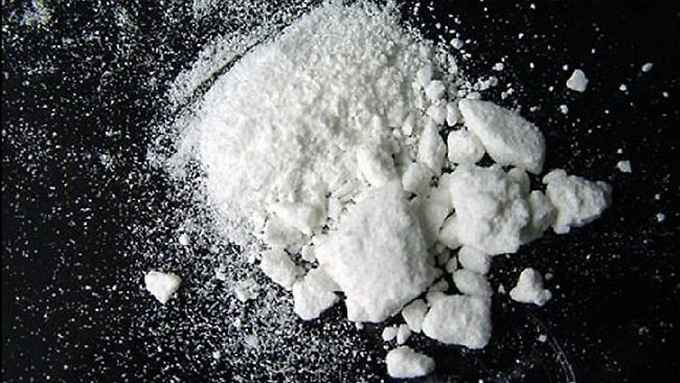
Ketamine is a powerful medication with legitimate medical applications.
It is federally classified as a Schedule III controlled substance and has long been approved in the United States as an anesthetic.
In recent years, ketamine has also attracted significant attention for potential psychiatric applications. Doctors sometimes use it off-label for conditions such as severe depression, chronic pain and certain other disorders.
Researchers have also studied whether ketamine could have a role in treating some forms of substance-use disorder.
But ketamine itself is not federally approved as a treatment for addiction.
The medication can also be misused and has dissociative effects that can alter a person’s perception, awareness and sense of surroundings.
That complicated medical profile has made the reports surrounding Gerber particularly sensitive.
The existence of a prescription alone would not necessarily indicate wrongdoing. Physicians can legally prescribe approved medications for off-label purposes when they determine that doing so is medically appropriate.
At the same time, Gerber’s reported history with the drug raises questions about how his treatment was being managed and monitored.

His Final Hours Are Under Investigation
Gerber had arrived at the rehabilitation facility the day before his death.
People familiar with his final hours have claimed that he appeared to be under the influence when he entered the facility.
Exactly what he may have taken remains unclear.
Emergency responders were called to the facility the following morning after Gerber became unresponsive.
Authorities ultimately pronounced him dead there.
Investigators have reportedly interviewed other patients at the rehabilitation center as they attempt to reconstruct what happened before the emergency.
One of the biggest questions is where any substances in Gerber’s system came from.
Investigators have not publicly identified a source, and no criminal charges have been announced in connection with his death.
The uncertainty surrounding those final hours makes the pending toxicology findings especially important.
Those results could reveal whether ketamine was present in his system and whether other prescription or nonprescription substances were involved.
Gerber Had Spoken Publicly About Addiction
Gerber had not hidden his struggle with addiction and mental health.
During the years before his death, he increasingly discussed his experiences publicly, describing periods of depression, anxiety and substance abuse while also sharing his efforts to find treatment.
He had previously spoken about taking several medications as part of his mental-health journey and had encouraged people to talk more openly about emotional struggles.
In 2025, he launched a social media effort known as “Mental Health Mondays,” using his platform to discuss subjects that many people find difficult to address publicly.
His family also remained closely involved in his life.
Earlier this year, Gerber undertook another unusual form of treatment as he continued searching for a way out of addiction.
He traveled outside the United States for ibogaine therapy, a psychedelic treatment that has attracted interest for its potential effects on addiction.
Ibogaine is not approved for medical use in the United States and carries significant risks, particularly for the heart.
Gerber later wrote publicly about the experience and described confronting fear, loss of control and deeply personal issues during treatment.
His comments suggested that he hoped the experience could represent a turning point.

A Search for Recovery That Continued Until His Death
The accounts of Gerber’s final months paint a picture of someone who continued searching for recovery despite repeated difficulties.
Friends and relatives have described a young man who wanted to overcome addiction and was willing to try multiple forms of treatment.
That makes the new ketamine allegations particularly complicated.
If a doctor was prescribing Gerber the substance, investigators may need to determine the medical reason for the prescription, how the medication was administered and whether Gerber was following the prescribed treatment plan.
They may also examine whether any additional ketamine or other substances came from another source.
None of those questions has been publicly resolved.
The physician reportedly involved has not been publicly accused by law enforcement of committing a crime.
Claims by Gerber’s friends that the doctor should face prosecution remain expressions of anger and concern rather than findings by authorities.

Autopsy Finished, But the Most Important Answer Remains Pending
The Los Angeles County Medical Examiner has completed Gerber’s autopsy and released his remains, but the cause of death remains officially deferred.
That is not unusual in cases in which toxicology testing is required.
Investigators will likely need laboratory results before determining whether his death resulted from a particular substance, a combination of drugs, an underlying medical condition or some other factor.
Until those findings are released, the reported ketamine prescription remains only one piece of a much larger investigation.
Gerber’s death has nevertheless renewed difficult questions about addiction treatment, prescription medications and the challenges doctors face when caring for patients who have complicated histories of substance use.
For his family and friends, however, the investigation is about something much more personal.
Gerber had spent years publicly and privately trying to find stability, recovery and a sense of peace.
Now, those closest to him are waiting for investigators to determine exactly what happened during his final hours — and whether the treatments intended to help him may ultimately become part of the explanation.