Russell Crowe Says Proposed Sex Scene with Connie Nielsen Would’ve Destroyed Gladiator: ‘Doesn’t Make Any Sense’
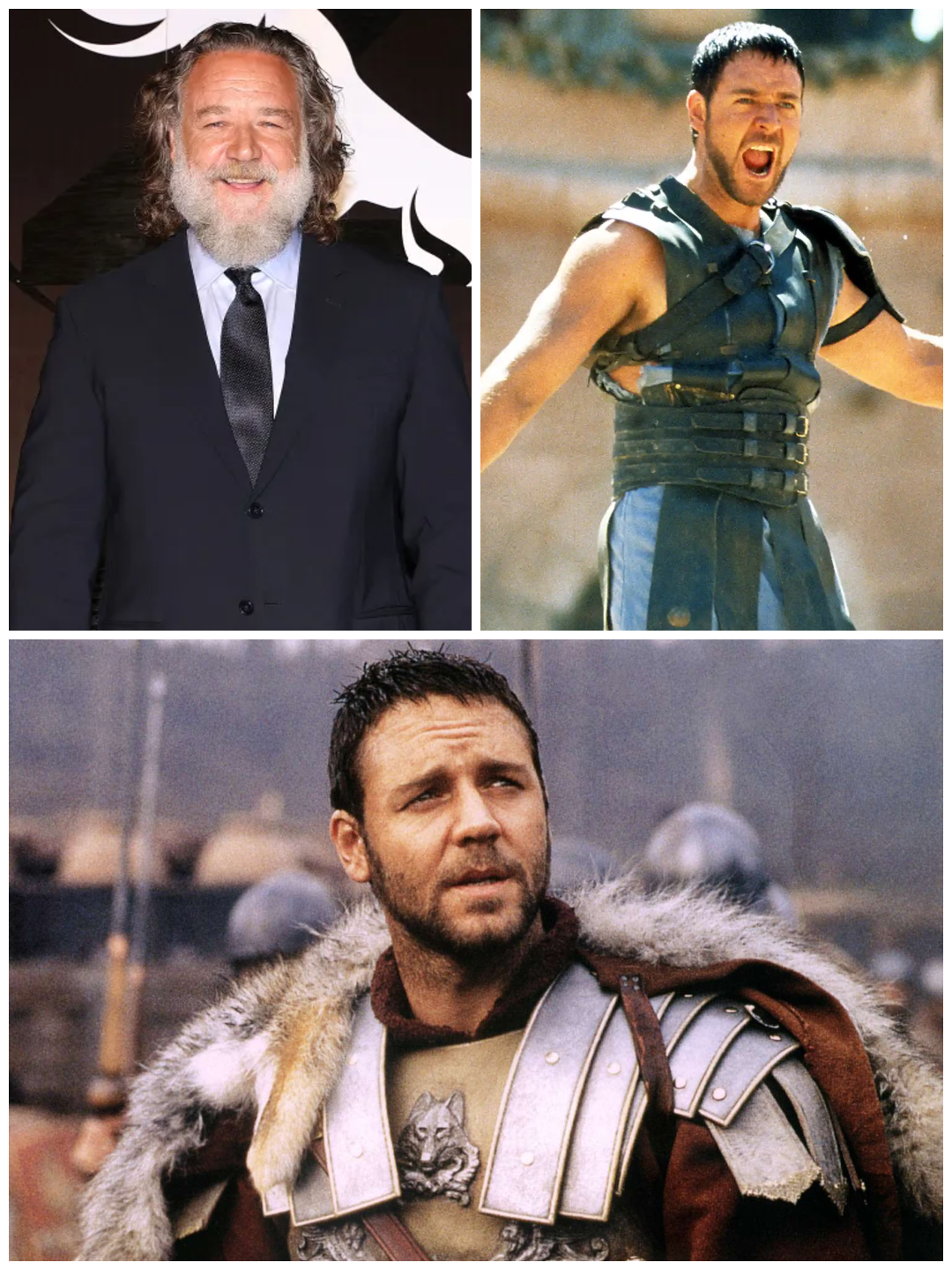
More than 25 years after Gladiator turned Maximus into one of Russell Crowe’s most iconic characters, the actor is revealing that one major creative decision nearly changed the emotional core of the movie.
According to Crowe, the studio and producers wanted Maximus to have a sex scene.
Crowe strongly disagreed.
He recently recalled pushing back against the idea while speaking at the Taormina Film Festival in Italy, explaining that putting Maximus in a romantic encounter would have undermined everything the character was fighting for.
For Crowe, the issue was simple.
Gladiator is fundamentally about a man whose wife and child have been taken from him.
If Maximus suddenly stopped in the middle of that journey to sleep with another woman, Crowe believed the audience would stop believing in the emotional motivation driving him forward.
“It doesn’t make any sense,” he said, arguing that such a scene would have “destroyed the journey.”
And one of the women being considered for that storyline was Lucilla, played by Connie Nielsen.
The Studio Wanted More Romance
Released in 2000 and directed by Ridley Scott, Gladiator follows Roman general Maximus Decimus Meridius after his life is destroyed by Commodus, played by Joaquin Phoenix.
Maximus is betrayed.
His family is killed.
He is enslaved and forced to fight as a gladiator.
From that point forward, nearly everything he does is connected to grief, survival and revenge.
But Crowe says there was pressure during production to add a sexual element to the story.
“The studio, the producers [thought] there should be sex between Maximus and the female characters,” Crowe recalled.
He kept resisting the idea.
It is not difficult to imagine why executives might have wanted it.
Crowe was playing the movie’s leading man.
Nielsen’s Lucilla had a complicated emotional history with Maximus.
And Hollywood blockbusters have often paired action heroes with romantic interests, even when romance is not essential to the plot.
But Crowe felt Maximus was different.

Maximus Was Supposed to Be Living for His Dead Family
The actor’s objection was not based on modesty or discomfort with filming intimate scenes.
It was about character logic.
“This is the story of a man avenging the death of his wife and his child,” Crowe explained.
To him, Maximus’ devotion to his family was not a minor detail.
It was the entire reason the audience cared about his journey.
After Commodus orders the deaths of Maximus and his family, Maximus escapes execution and races home.
He arrives too late.
His wife and son are already dead.
That loss becomes the emotional wound underneath everything that follows.
Even when Maximus rises through the gladiatorial ranks and becomes a hero to the Roman crowd, his goal is not fame, power or a new life.
He wants justice.
And eventually, he wants reunion with his family in the afterlife.
Crowe believed a sexual relationship in the middle of that story would have contradicted the character’s deepest motivation.
Lucilla and Maximus Already Had a Complicated Connection
The most obvious possibility would have been a scene involving Lucilla.
The film establishes that Lucilla and Maximus had a romantic history before the events of the movie.
There is still affection between them.
Lucilla admires him.
Maximus trusts her enough to participate in a dangerous political plan against Commodus.
Their chemistry is intentionally present.
But the movie never turns that tension into a physical relationship.
That restraint arguably makes their scenes more powerful.
Lucilla understands what Maximus has lost.
Maximus understands that Lucilla is trapped in her own dangerous relationship with her brother Commodus.
They are emotionally connected, but Maximus never treats her as a replacement for his wife.
Crowe says even Scott initially liked the idea of a sex scene between him and Nielsen.
But eventually, the director agreed that Crowe’s interpretation of the character was stronger.
“Luckily for me, Ridley — even though he’d love a sex scene between me and Connie Nielsen — agreed with me back then that that was the emotional core of the film,” Crowe said.
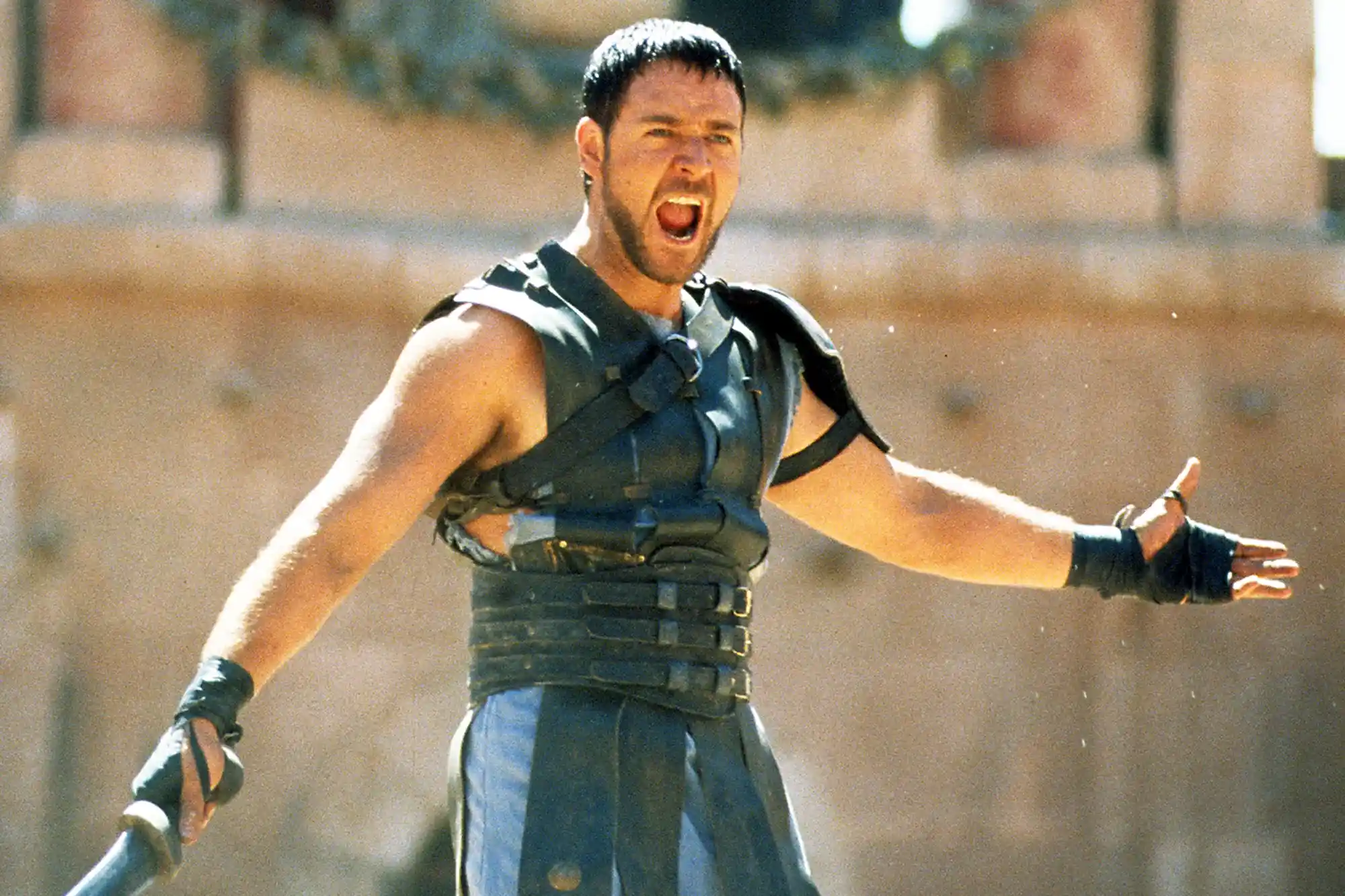
Crowe Says He “Stuck to His Guns”
Crowe’s comments offer an interesting glimpse into how much influence an actor can have over a film’s final shape.
Major studio movies involve constant negotiation.
Writers, producers, directors, executives and actors may all have different ideas about what audiences want.
Crowe says he simply refused to give up on this point.
He “stuck to his guns.”
That decision mattered because Gladiator ultimately became a story defined by emotional discipline.
Maximus is repeatedly offered things that could distract him from revenge.
Fame.
Popularity.
Political influence.
Possibly even a future in Rome.
But he never loses sight of the people he lost.
The movie’s final moments depend on that consistency.
After defeating Commodus, Maximus dies and imagines returning home to his wife and son.
Had the film shown him beginning a physical relationship with Lucilla earlier, that ending could have felt very different.

The Decision Helped Preserve One of the Movie’s Strongest Themes
Gladiator is often remembered for its spectacle.
The arena fights.
The opening battle in Germania.
The confrontation in which Maximus reveals his identity to Commodus.
But the movie’s emotional power comes from something quieter.
Maximus does not actually want the world he is fighting through.
He wants the world he lost.
His visions of home, wheat fields and his family create a contrast with the violence around him.
That idea gives the action meaning.
Crowe’s argument was that a new sexual relationship would have suggested Maximus was beginning to move on.
But the character is not on a journey toward moving on.
He is on a journey toward completing unfinished business.
That difference is crucial.
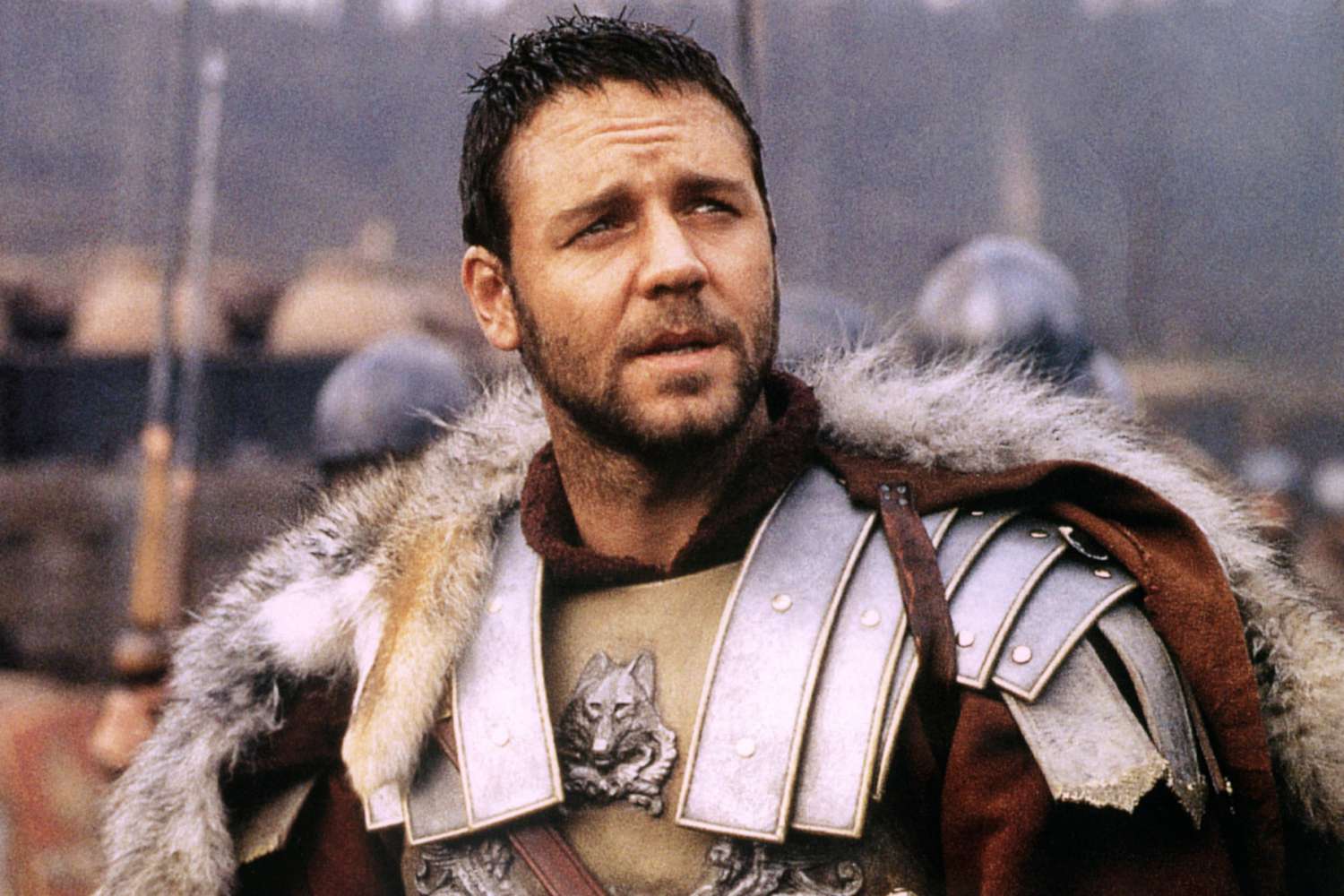
Gladiator Went On to Win Five Oscars
Whatever debates happened behind the scenes, the finished movie became a massive success.
Gladiator won five Academy Awards, including Best Picture.
Crowe won Best Actor for his performance as Maximus.
The film also helped revive the historical epic as a major Hollywood genre and turned lines like “Are you not entertained?” into lasting pieces of pop culture.
Crowe’s Maximus became so closely associated with the movie that the actor later admitted feeling somewhat uncomfortable about Gladiator II, which Ridley Scott released in 2024.
Crowe noted that Maximus is dead and therefore he had no control over what the sequel might do with the world and characters from the original.
He even said he had heard certain ideas that made him think, “No, no, no, no, no,” because they did not fit what he considered the moral journey of the first film.
That reaction is consistent with his latest comments.
Crowe clearly still thinks about Maximus not merely as an action hero, but as a character whose choices had to follow a very specific emotional logic.
One Missing Scene May Have Protected the Whole Movie
Today, it is difficult to imagine Gladiator with a conventional romance inserted into Maximus’ story.
The absence of one is part of what makes him unusual.
He and Lucilla share history.
They share tenderness.
They share danger.
But the movie stops there.
Crowe now says that was not inevitable.
There was pressure to go further.
He refused.
And Ridley Scott ultimately sided with him.
For Crowe, that decision protected the most important thing about Maximus.
He was not fighting because he needed another romance.
He was fighting because the family he loved was gone.
Had Maximus stopped along the way for a sex scene, Crowe believed audiences would have seen a different man.
And in his view, they might have seen a weaker movie too.