Sean Grayson, Cop Who Fatally Shot Sonya Massey, Dead at 32, 6 Months Into 20-Year Murder Sentence
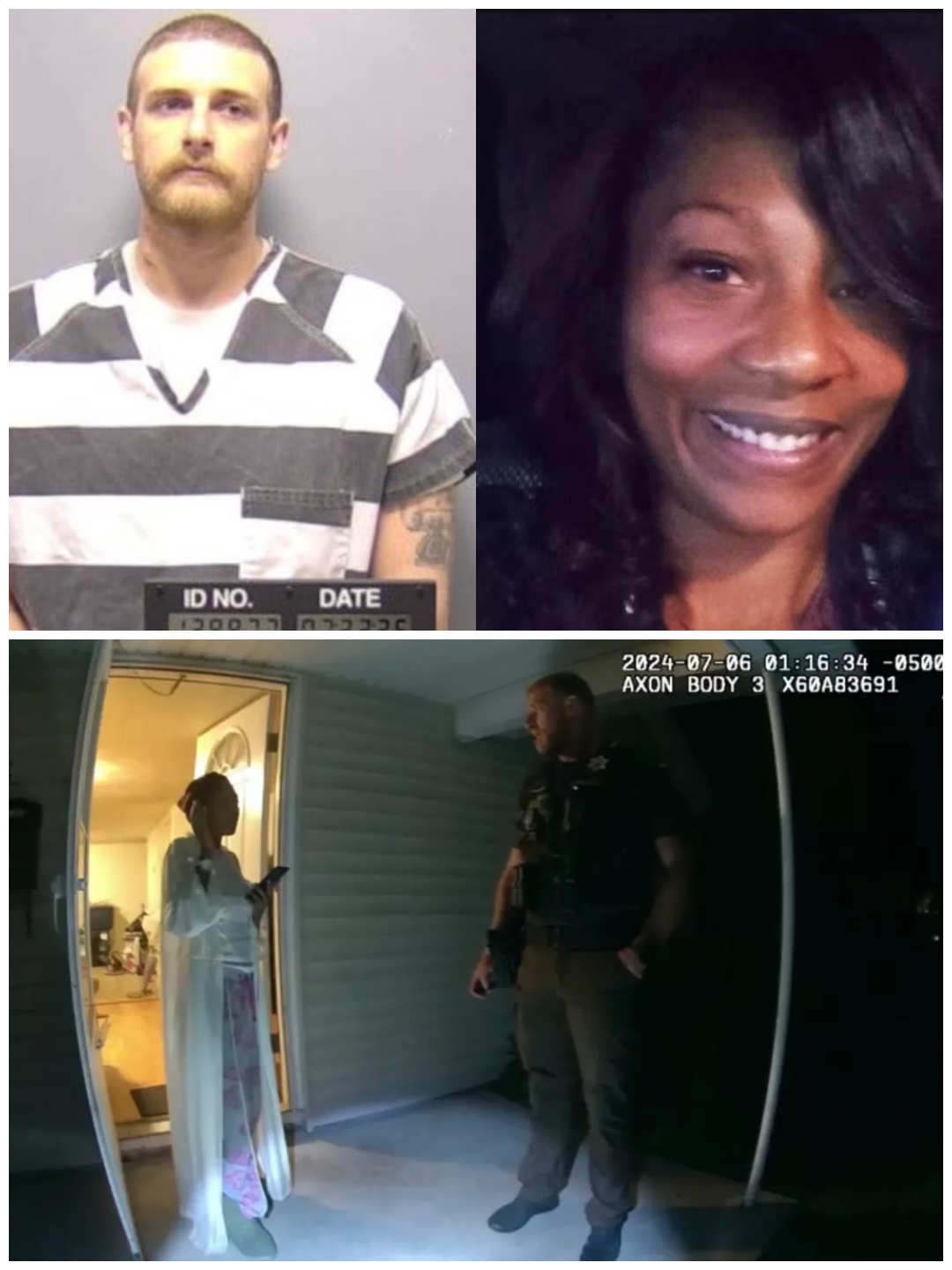
Sean Grayson, the former Illinois sheriff’s deputy convicted of killing Sonya Massey inside her own home, has died in custody at age 32 — just six months into a 20-year prison sentence.
Grayson died around noon on Sunday, Aug. 23, his attorney Daniel Fultz confirmed to multiple outlets. He had been battling advanced colon cancer, which had progressed from stage III to stage IV and spread to other parts of his body by the time he was sentenced earlier this year.
His death comes little more than two years after the July 2024 shooting that turned Massey’s name into a national rallying point and placed intense scrutiny on police hiring practices, use of force and crisis response.
Massey, 36, had called 911 because she believed a prowler was outside her Springfield-area home.
Grayson was one of the deputies who responded.
Minutes later, Massey was dead.
Massey Had Called Police for Help
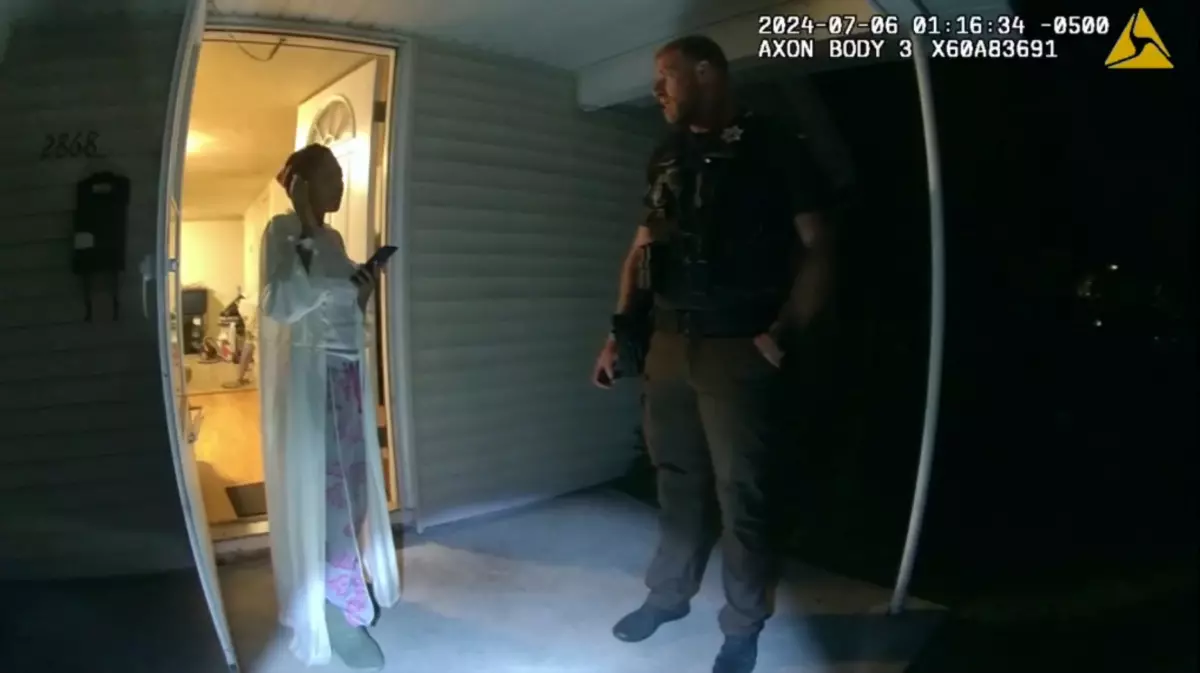
The encounter began on July 6, 2024, when Massey contacted authorities about a possible intruder near her home.
Grayson and another Sangamon County sheriff’s deputy arrived to investigate.
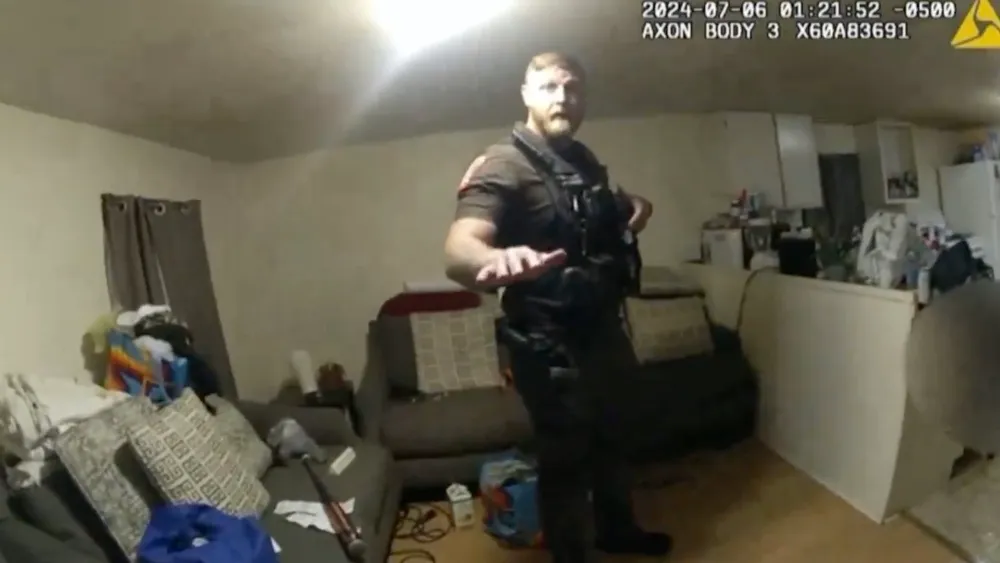
Body-camera footage later released publicly showed the interaction moving from routine conversation to a sudden and fatal confrontation.
At one point, attention turned to a pot of hot water on Massey’s stove.
Grayson instructed her to move it.
While holding the pot, Massey said, “I rebuke you in the name of Jesus.”
Grayson drew his gun.
The confrontation escalated quickly, and Massey crouched behind a kitchen counter while apologizing.
Grayson then shot her.
He later claimed he believed Massey was about to throw the hot water at him.
The other deputy at the scene testified that he did not view Massey as a threat.
The body-camera footage became central to the case and fueled outrage across the United States.
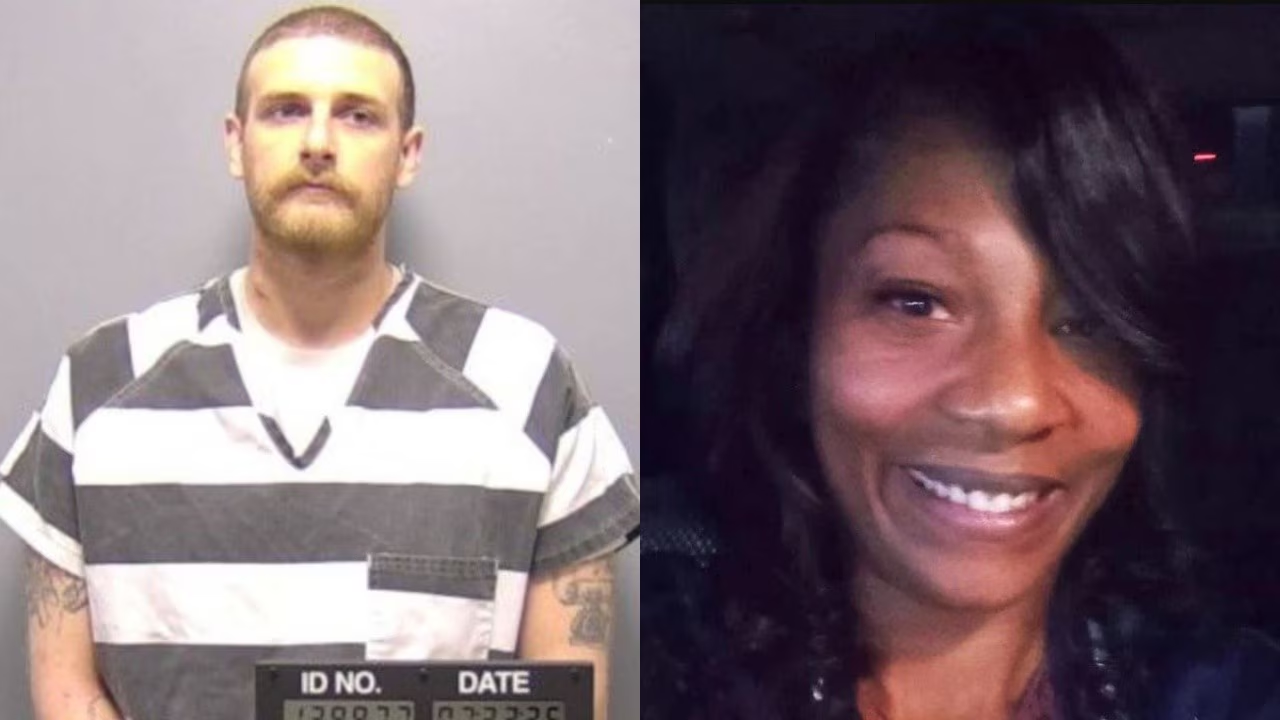
Grayson Was Fired and Charged
Grayson was fired from the Sangamon County Sheriff’s Office following the shooting.
Prosecutors initially charged him with first-degree murder.
At trial in October 2025, however, jurors convicted him of the lesser offense of second-degree murder.
The verdict meant jurors accepted that Grayson believed he faced a threat but concluded that his belief or response was legally unreasonable.
In January 2026, he was sentenced to 20 years in prison.
By the time of sentencing, his health had already deteriorated significantly.
One of Grayson’s attorneys, Mark Wykoff, told the court that Grayson had first been diagnosed with stage III colon cancer in 2023.
By January, the disease had progressed to stage IV and spread to his liver, lungs and rectum.
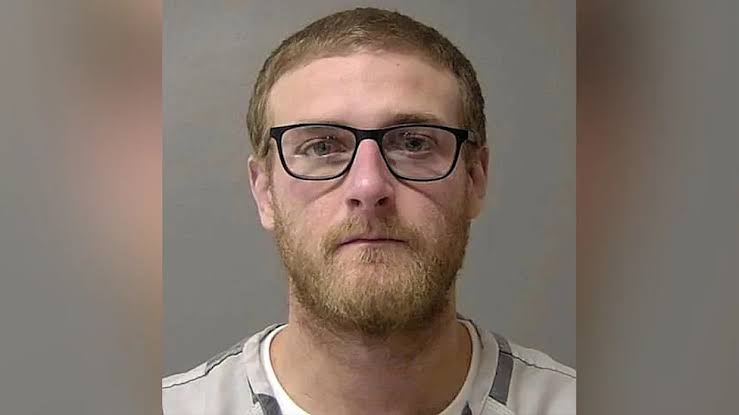
His Lawyers Sought Early Medical Release
Grayson’s declining health soon became the focus of another legal fight.
His attorneys sought medical release under an Illinois law that allows some incarcerated people with terminal illnesses or serious medical incapacitation to request early release.
Grayson’s legal team argued that his cancer had become so advanced that continued imprisonment served little purpose.
State officials disagreed.
The Sangamon County State’s Attorney’s Office opposed the request, arguing that his illness did not erase the seriousness of the crime or the need for accountability.
The Illinois Prisoner Review Board ultimately denied his request in 2026.
Grayson continued receiving treatment while in custody.
Because of his medical and security needs, he had reportedly been receiving care outside a standard Illinois Department of Corrections facility before his death.
He Died Less Than a Year After His Conviction
Grayson’s death means he served only a fraction of the sentence imposed for Massey’s killing.
He had been convicted in October 2025 and sentenced in January 2026.
By Aug. 23, he was dead.
His attorney confirmed the death but initially released few details.
Subsequent reporting stated that Grayson died following his battle with colon cancer.
For Massey’s family, however, Grayson’s death does not change what happened inside her home.
Attorneys representing the family expressed condolences to Grayson’s relatives while stressing that his death cannot undo Massey’s killing or the pain endured by her children and loved ones.
Massey’s Death Led to Changes Beyond the Courtroom
The impact of Massey’s death extended well beyond Grayson’s criminal trial.
The shooting triggered protests and renewed questions about how law-enforcement agencies evaluate applicants before hiring them.
Grayson had worked for multiple police agencies before joining the Sangamon County Sheriff’s Office, and his employment history became a major focus after the killing.
Illinois lawmakers later passed legislation known as the Sonya Massey Act.
The law strengthened requirements surrounding law-enforcement background checks and employment-record reviews, with the goal of preventing agencies from overlooking troubling information about prospective officers.
The U.S. Department of Justice also became involved.
A federal civil-rights investigation led to reforms involving the Sangamon County Sheriff’s Office and other local emergency-response systems.
Those changes included improved training and efforts to strengthen responses involving people experiencing behavioral-health crises.
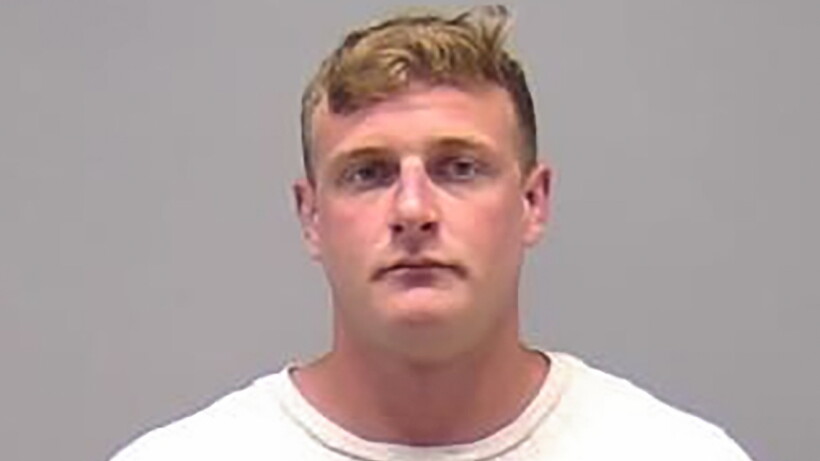
The Case Became About More Than One Officer
Massey’s killing drew national attention not only because of the body-camera video but because of what had happened immediately beforehand.
She had been the one who called police.
She was inside her own home.
And she was seeking help.
The fact that the encounter ended with her being shot by one of the responding deputies made the case especially disturbing for many viewers.
Protesters and civil-rights advocates argued that Massey’s death represented a broader failure involving police judgment, hiring standards and how officers respond to people who may be frightened, confused or experiencing a mental-health crisis.
Grayson’s conviction addressed his individual criminal responsibility.
The policy changes that followed attempted to address the larger system around him.
His Cancer Was Diagnosed Before the Shooting
One detail that became especially significant during Grayson’s sentencing and medical-release request was the timing of his illness.
He had reportedly been diagnosed with stage III colon cancer in 2023 — before the fatal encounter with Massey.
By 2026, the cancer had become terminal.
His attorneys repeatedly emphasized that reality when seeking mercy from the court and later when requesting his early release.
But prosecutors argued that the progression of his illness should not outweigh the 20-year sentence imposed for taking another person’s life.
That debate ended when the review board denied release.
Grayson remained incarcerated until his death.
One Chapter Has Ended, but Massey’s Legacy Remains
Sean Grayson’s death closes one part of a case that has continued evolving since July 2024.
He will no longer serve the remaining years of the sentence handed down for killing Sonya Massey.
But the consequences of that night continue.
Massey’s family still lives with her absence.
Illinois has changed its law.
Local agencies have faced new federal oversight and reforms.
And Massey’s name remains attached to a national conversation about what people should be able to expect when they call law enforcement for help.
Grayson died at 32 after a rapid decline from advanced cancer.
Massey was 36 when she was killed.
The criminal case may now be over in the most literal sense.
But the questions raised by what happened inside her kitchen — and the reforms inspired by her death — are likely to last much longer.