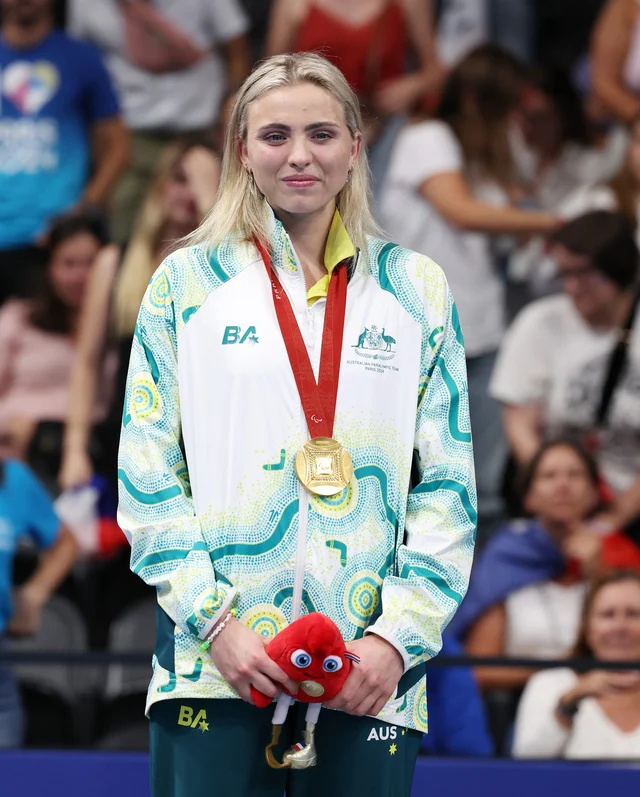
She Was Airlifted With a Severe Brain Injury in 2021. Five Years Later, Paralympic Champion Alexa Leary Finally Met the Doctors Who Saved Her
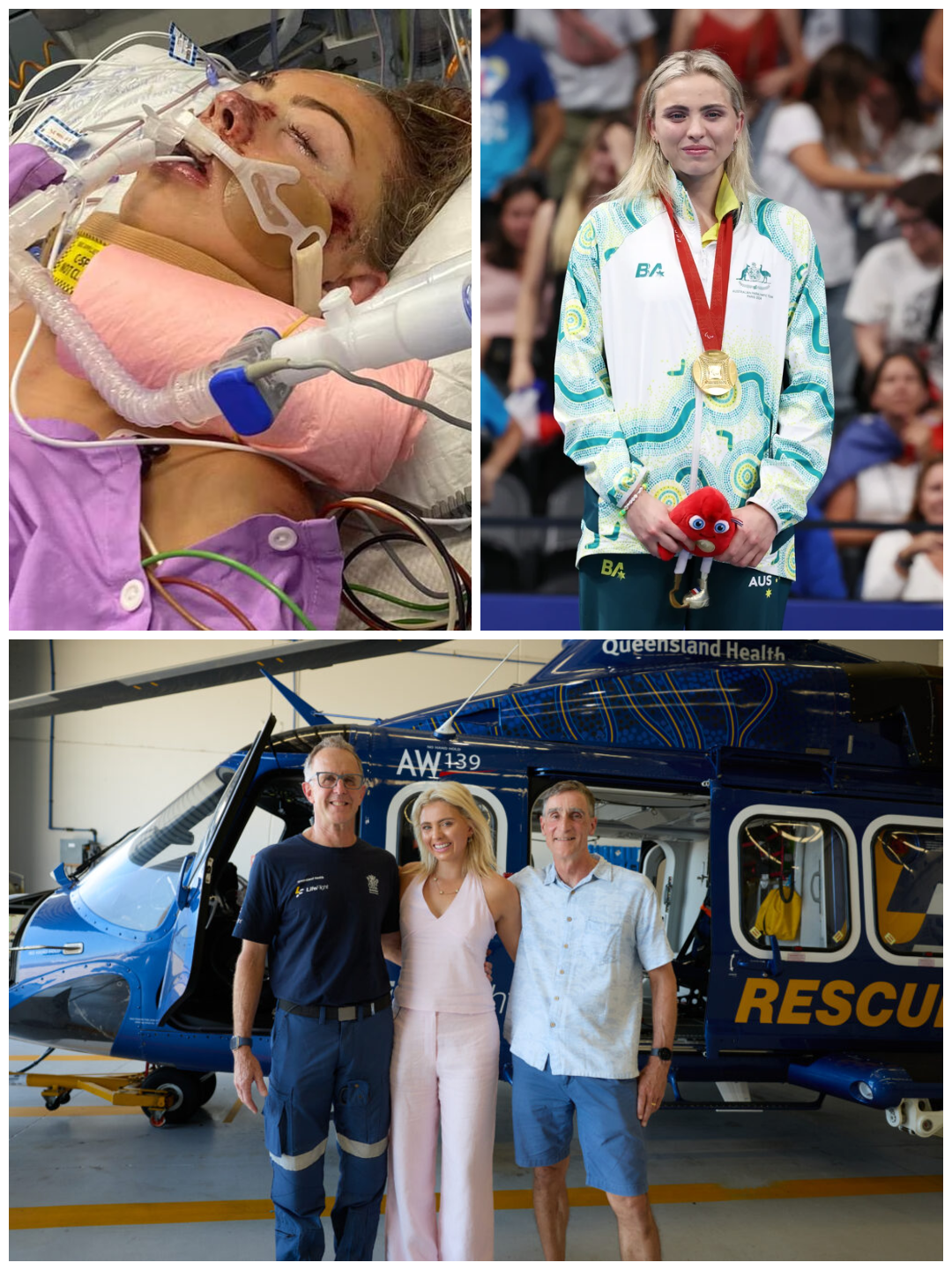
Alexa Leary had imagined this meeting for years.
She knew there were people she had never properly met who had helped keep her alive after a devastating cycling crash in 2021. She knew one doctor had cared for her in a helicopter while she was sedated and ventilated. She knew another stranger had stopped at the roadside and made sure she could keep breathing until an ambulance arrived.
But much of that day existed only in stories other people had told her.
Then, in April 2026, the 24-year-old Paralympic swimming champion finally stood face-to-face with the men who had helped give her a second chance at life.
There were handshakes.
There were hugs.
And, inevitably, there were tears.
For Leary, who went from a traumatic brain injury and 111 days in the hospital to a gold medal and world records in the pool, the reunion closed a circle that began with one of the darkest moments of her life.
A High-Speed Ride Changed Everything
Leary’s life changed in July 2021.
She was involved in a high-speed cycling accident on Queensland’s Sunshine Coast and suffered a severe head injury.
The situation was critical.
An off-duty physician named Dr. Andrew Paszkowski happened to be riding his bicycle across the road from where Leary crashed.
He immediately recognized that she was badly hurt.
Her helmet had cracked.
To him, that was a clear indication that she had suffered a significant impact to the head.
Paszkowski put Leary into the recovery position and focused on the simplest but most important priorities: keeping her airway open, helping her breathe and keeping her stable while emergency crews were on the way.
He and those around her kept talking to her, reassuring her that help was coming.
At the time, Paszkowski did not know who the young woman was or what her life would become.
He simply knew she was in serious trouble.
The Helicopter Flight Became the Next Fight for Survival
Leary was initially taken to Sunshine Coast University Hospital.
From there, a LifeFlight helicopter transferred her to Royal Brisbane and Women’s Hospital, where she was headed for intensive care.
Dr. Andrew Hughes was the LifeFlight critical care doctor responsible for her during that 30-minute flight.
He worked alongside Queensland Ambulance Service critical care flight paramedic Michael O’Brien.
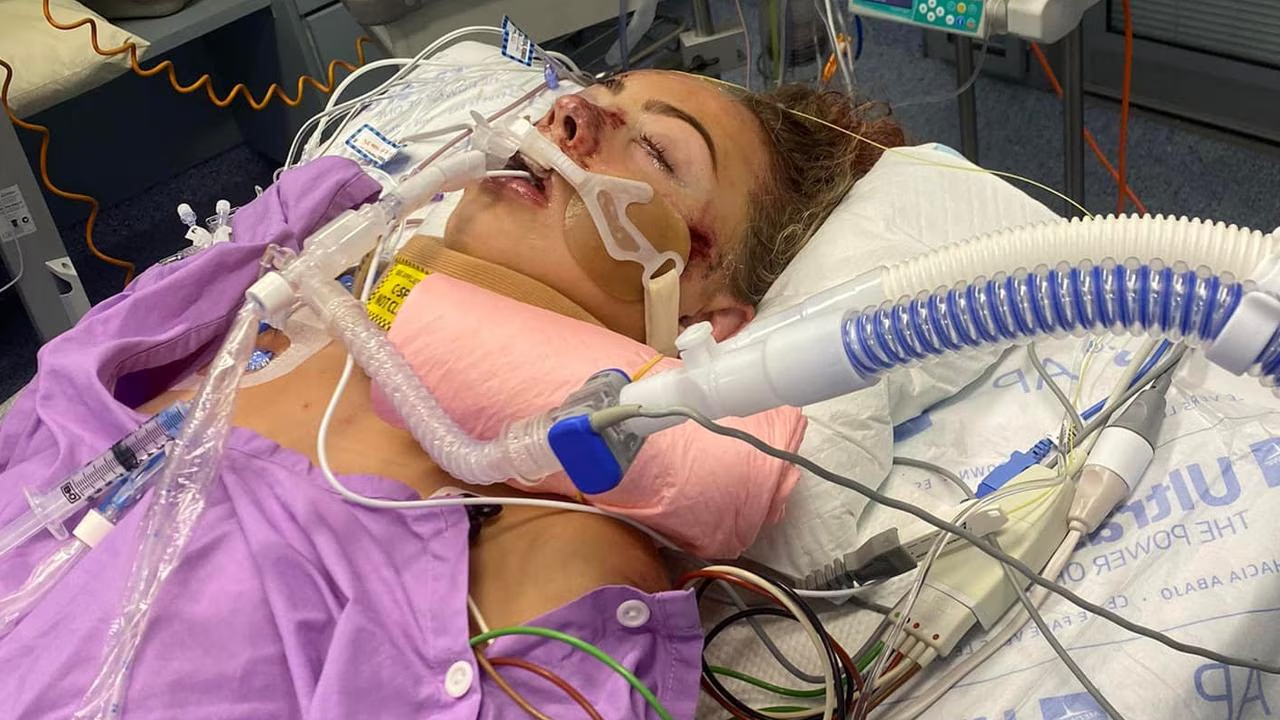
Leary had been heavily sedated because of the severity of her head injury. She was also on a ventilator to protect her airway and control her breathing.
The job during that short flight was straightforward in principle but critical in practice: keep her alive and stable long enough to reach the hospital where more advanced treatment could continue.
Years later, Hughes still remembered the condition she had been in.
The last time he had seen her, she was critically injured.
He did not know what kind of recovery would be possible.
That uncertainty is part of emergency medicine. Crews can stabilize a patient and deliver them to hospital, but they often never see what happens afterward.
Leary changed that.
She Spent 111 Days in the Hospital
The rescue was only the beginning.
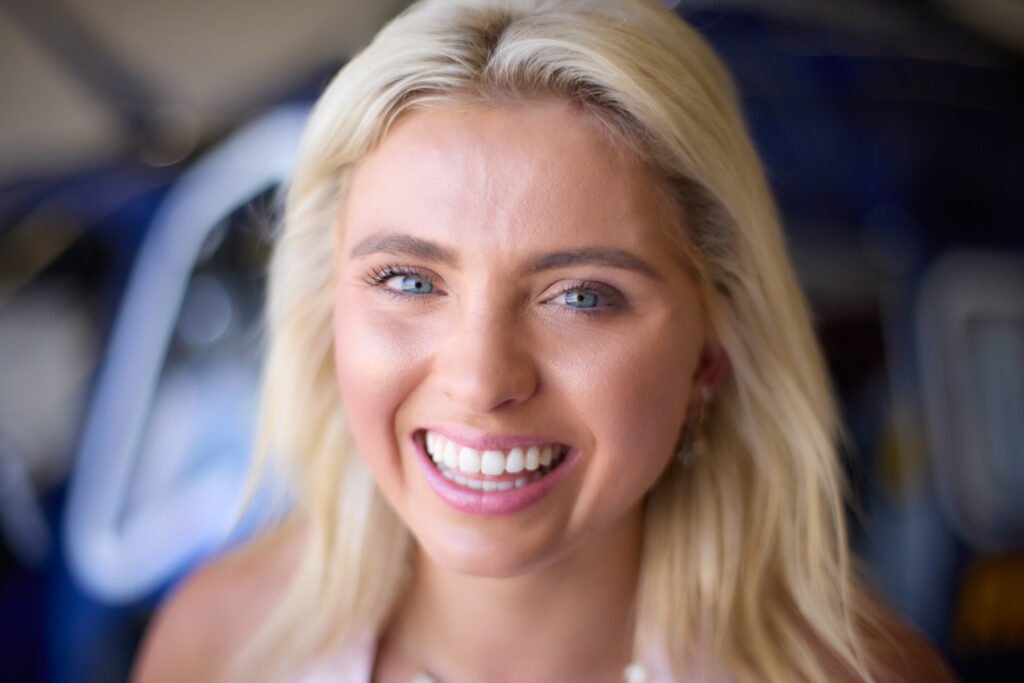
Leary remained in the hospital for 111 days.
Her traumatic brain injury affected fundamental abilities most people never have to think about.
She had to work through daily rehabilitation to relearn how to walk and talk.
The road back was not quick.
Nor did recovery mean returning to exactly the person she had been before the crash.
Leary has said her daily life is still affected by the brain injury, particularly her memory.
She continues to rely on a support network that includes a behavior coach, an occupational therapist and support workers.
She describes the experience as having begun an entirely new life.
In her own playful way, she says she has effectively “turned 4” because her life restarted after the accident.
That outlook does not minimize what happened.
It reflects how dramatically she had to rebuild.
Then She Became a Paralympic Champion
What came next would have been difficult to imagine during those early weeks in intensive care.
Leary redirected herself toward swimming.
By 2026, she was a world-record-breaking athlete and a Paralympic gold medalist.
She had also recently been named Gold Coast Para-Athlete of the Year.
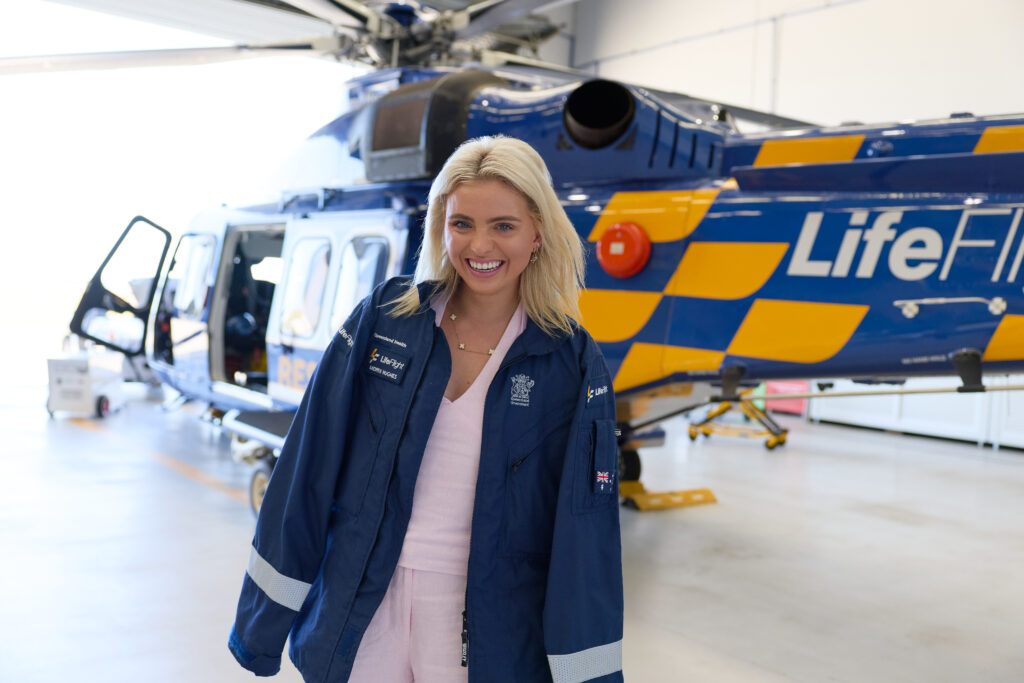
The contrast between the athlete standing at the LifeFlight Sunshine Coast base and the injured young woman Hughes remembered from the helicopter was enormous.
That was precisely why the reunion meant so much to him.
Hughes said cases like Leary’s are a reminder of why critical-care teams do the work they do.
When they collect a patient, they cannot know exactly what the outcome will be.
Their goal is to create the best possible chance.
With Leary, he could finally see where that chance had led.
She was not simply alive.
She was thriving.
Alexa Finally Met the Doctor From the Flight
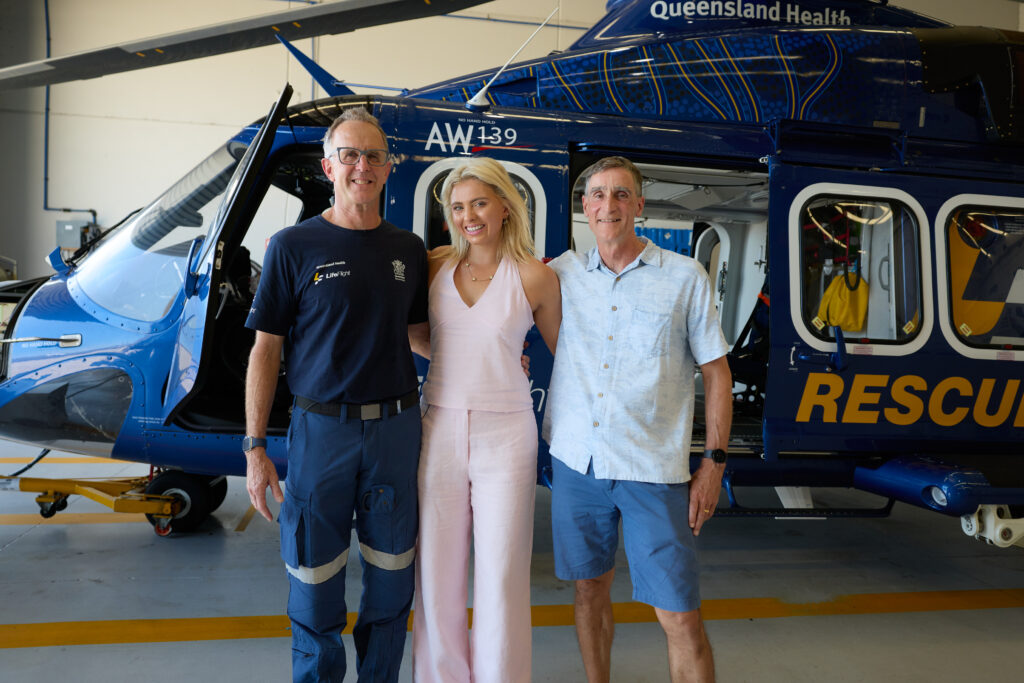
At the reunion, Leary met Hughes for the first time as someone she could actually see and speak to.
She had no real memory of him from 2021 because of the severity of her condition.
But she knew what he had done.
The meeting affected her immediately.
She said she had long wanted the chance to thank the doctor who had been on the helicopter taking her toward intensive care.
She offered him a handshake.
Then she wanted a hug.
The emotions quickly followed.
Leary admitted that she shed a few tears, but described the experience as something that made her feel deeply happy.
For Hughes, the encounter was equally moving.
Five years earlier, he had seen a severely injured patient whose future was unknown.
Now he was standing next to a successful athlete with medals, records and ambitious goals ahead of her.
Then Came a Surprise Her Family Never Expected
Hughes was not the only person waiting for Leary.
Her parents, Russ and Belinda Leary, had long wondered about the mysterious man who first helped their daughter at the crash site.
They knew someone had placed Alexa in the recovery position and helped protect her breathing before paramedics arrived.
They simply had not met him.
That changed at the reunion.
Paszkowski appeared as a surprise.
For Leary, it was another moment she had been waiting for.
She had heard so much about him over the years.
Now she could finally put a face to the story.
The man who once found her critically injured on the roadside was able to see what had become of the young woman he had tried to keep alive.
For Paszkowski, the most important part of what he did was not complicated medical treatment.
It was basic first response.
Keep the airway safe.
Position the injured person correctly.
Stay calm.
Wait for professional help.
He later emphasized that ordinary people do not need advanced medical training to learn emergency skills that could save a life.
Sometimes the first few minutes are everything.
Her Brain Injury Is Still Part of Every Day
Leary’s extraordinary athletic success does not mean the crash has disappeared from her life.
She has been candid that the traumatic brain injury remains an invisible disability.
Memory can still be difficult every day.
That is part of why she has become an advocate for greater understanding of TBI.
Leary wants Australia to establish a national traumatic brain injury awareness day.
Her goal is to help people understand that someone can appear healthy, accomplished and energetic while still dealing with lasting neurological effects that others cannot immediately see.
Her own story makes that point vividly.
She can train eight times a week in the pool.
She can win medals.
She can chase records.
And she can still need ongoing support because of what happened to her brain in 2021.
Both things can be true at once.
She Is Still Looking Forward
Leary has no intention of treating her survival as the end of the story.
Her goals remain ambitious.
She is preparing for the 2026 Para Pan Pacific Swimming Championships in August.
Beyond that, she has her sights set on the 2028 Paralympic Games in Los Angeles.
She also has a memoir, Sink or Swim, scheduled for release on April 14.
Leary says the book will tell the fuller story of her life and what happened to her.
But perhaps no chapter captures the distance she has traveled quite like the reunion at the Sunshine Coast base.
In 2021, Andrew Paszkowski saw a young woman on the side of the road with a badly damaged helmet.
Andrew Hughes saw her heavily sedated and ventilated inside a medical helicopter.
Neither man could know what the next five years would bring.
In 2026, they saw a very different Alexa Leary.
She was standing.
She was talking.
She was smiling.
She was training for another international competition.
And she was finally able to say thank you.
For Leary, the accident divided her life into before and after.
The doctors and first responders were there at the point where those two lives met.
Five years later, she could finally meet them from the other side.