Shelley Fabares’ Cause of Death Revealed Days After the ‘Coach’ and ‘Donna Reed Show’ Star Died at 82
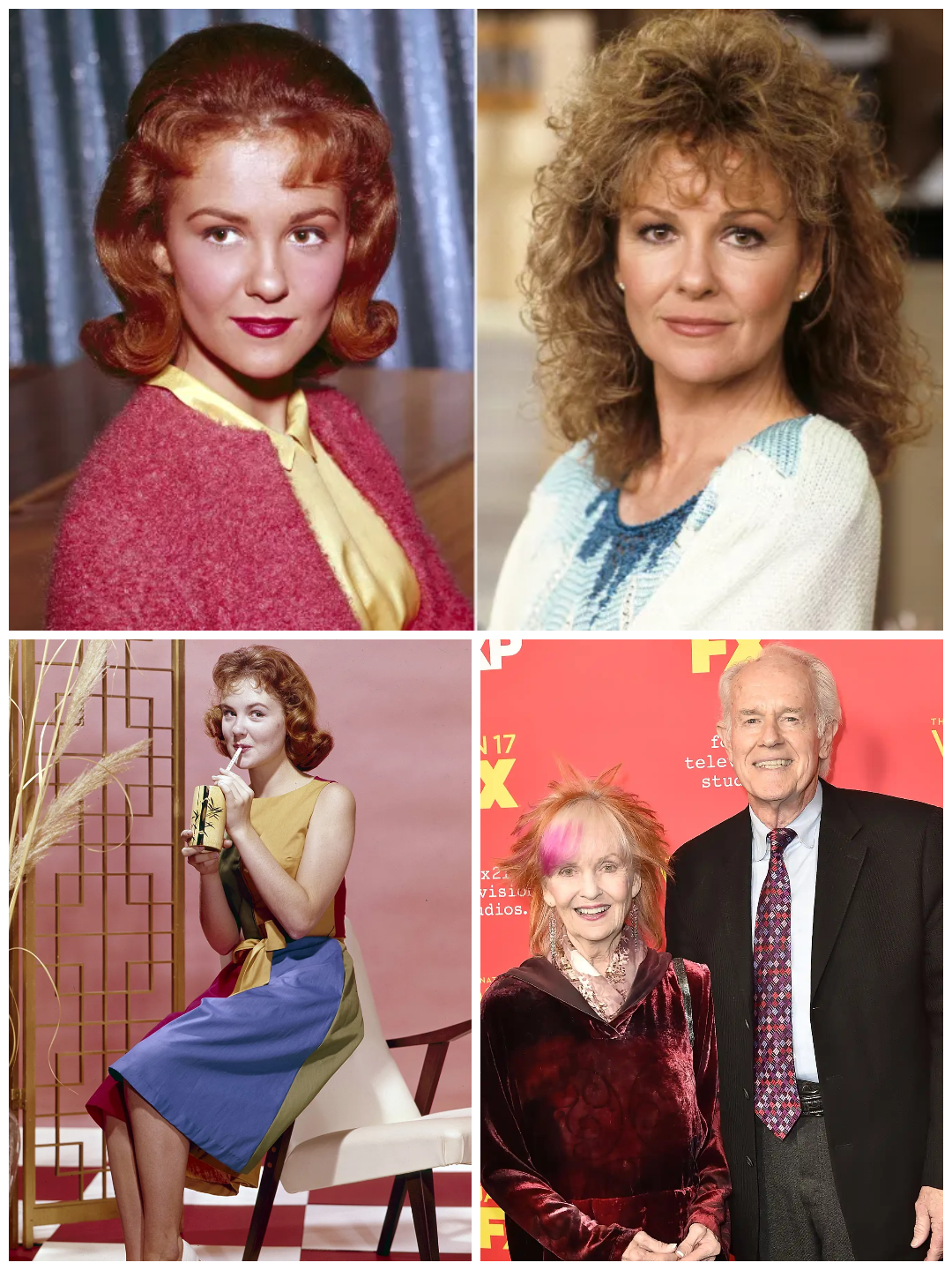
Five days after Shelley Fabares died at age 82, her family has revealed what caused the death of the actress who spent more than six decades connected to American television, movies and music.
Fabares died of pneumonia, her family confirmed.
She passed away in Los Angeles on Aug. 22 surrounded by loved ones, including family members who had known her not simply as a former television star, but as the person they described as a source of humor, strength and comfort in their lives.
The new medical detail adds another piece to the final chapter of a life that had already included a serious health crisis decades earlier.
Fabares had been diagnosed with autoimmune hepatitis and underwent a liver transplant in 2000.
She survived that ordeal and continued appearing publicly in the years that followed.
For many viewers, however, she will always remain frozen in several very different periods of American pop culture: as Mary Stone on The Donna Reed Show, as the singer of the No. 1 hit “Johnny Angel,” as an Elvis Presley costar and, decades later, as Christine Armstrong on Coach.
Her Family Confirmed Pneumonia as the Cause
When Fabares’ death was first announced on Aug. 23, her family did not immediately provide a cause.
They said she had died the previous day in Los Angeles with loved ones around her.
On Aug. 27, the family confirmed to PEOPLE that pneumonia was the cause of death.
The announcement also brought renewed attention to Fabares’ earlier medical history.
In 2000, she received a liver transplant after being diagnosed with autoimmune hepatitis, a disease in which the immune system attacks the liver.
Her husband, MASH* actor Mike Farrell, publicly supported her through that period.
At the time of her transplant, Farrell described his wife as remarkably tough.
That survival became only one chapter of a life that had begun in show business when Fabares was still a child.
She Was Working Before Most Children Her Age Had Chosen a Career
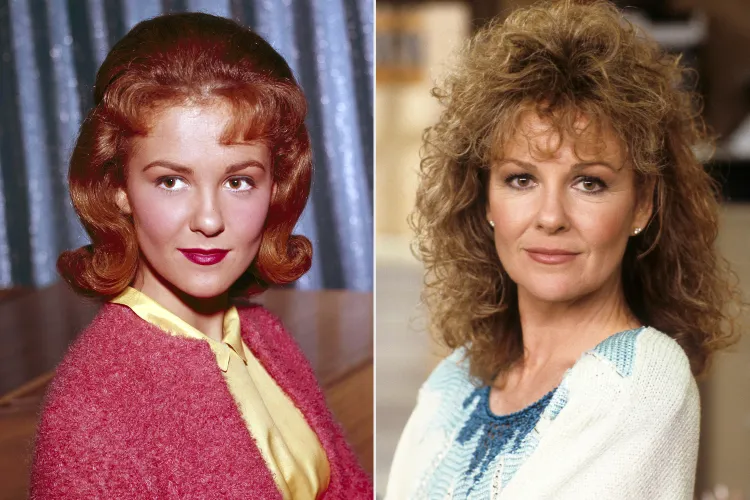
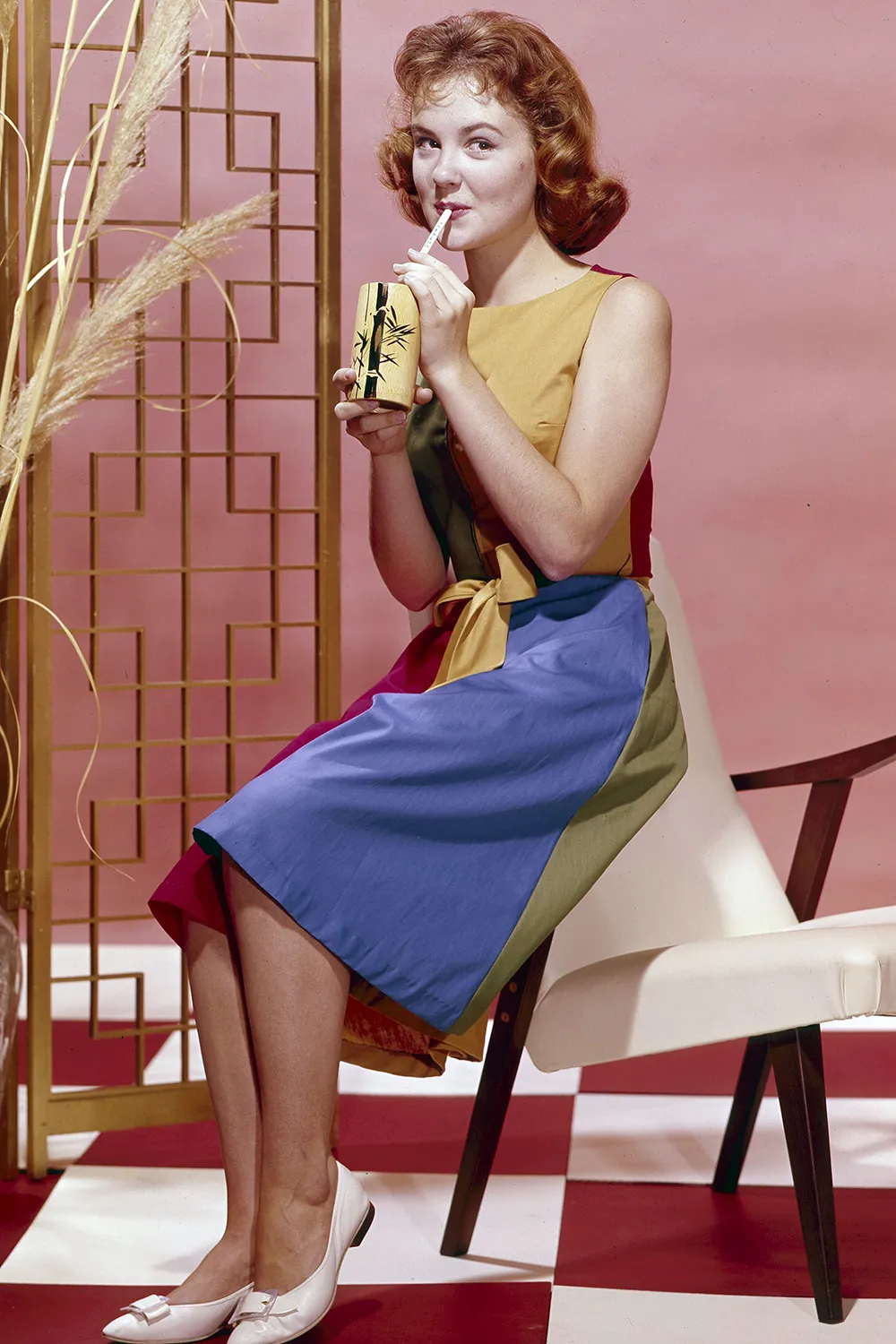
Fabares was born in Santa Monica, California, in 1944.
Entertainment already existed inside her family. Her aunt was actress and comedian Nanette Fabray, and Fabares began modeling at an extraordinarily young age.
By 10, she had made her television debut.
Then came the role that made her recognizable across America.
In 1958, Fabares joined The Donna Reed Show as Mary Stone, the teenage daughter in the show’s central family.
The sitcom became a defining piece of late-1950s and early-1960s television, and Fabares grew up in front of viewers.
She also developed an especially close relationship with Donna Reed herself.
Years later, Fabares described Reed as a role model before she had even understood what that term meant.
That relationship affected far more than her career.
Fabares later recalled how Reed helped her understand how to handle fear, pressure and the difficult personalities that could exist inside Hollywood.
Then a Television Actress Accidentally Became a Pop Star
Fabares did not initially see herself as a singer.
That did not stop “Johnny Angel” from becoming one of the biggest songs in America.
The track was incorporated into the world surrounding The Donna Reed Show and reached No. 1 on the Billboard Hot 100 in 1962.
Fabares subsequently released several albums, creating an unusual second identity for someone viewers already knew primarily as an actress.
She later spoke about the recording career with a sense of disbelief, joking that she never considered herself much of a singer.
But “Johnny Angel” remained permanently attached to her name.
It also helped define the particular kind of fame Fabares experienced: she was not associated with only one show or one generation.
Just a few years later, she would become part of another major piece of pop-culture history.
She Made Three Movies With Elvis Presley
Fabares appeared opposite Elvis Presley in three films during the height of his Hollywood career.
The first was Girl Happy in 1965.
She reunited with Presley for Spinout in 1966 and Clambake in 1967.
For viewers who grew up on Elvis movies, that alone ensured Fabares a lasting place in the memory of the era.
But her career continued to evolve after those films.
She worked steadily across television in the 1960s and 1970s, appearing in programs including Police Story, The Rockford Files, The Love Boat and Murder, She Wrote.
She also appeared in the acclaimed 1971 television movie Brian’s Song alongside James Caan and Billy Dee Williams.
And later she worked on One Day at a Time, where her aunt Nanette Fabray also appeared.
Yet one of her biggest successes was still ahead.
‘Coach’ Gave Her a Major Second Act
In 1989, Fabares began playing Christine Armstrong on the ABC sitcom Coach opposite Craig T. Nelson.
Nelson played football coach Hayden Fox, while Fabares’ Christine became both his romantic partner and an important counterbalance to his character.
The role gave Fabares a chance to play a successful adult woman decades after audiences had first met her as a teenager.
That mattered to her.
She described Christine as ambitious and accomplished, qualities that made the part more interesting than simply playing a conventional sitcom girlfriend.
The show did not become an instant ratings phenomenon.
Fabares later joked that almost nobody seemed to be watching during its earliest days.
But the network eventually moved Coach into a stronger time slot, and the series developed into a long-running success.
Fabares received two Emmy nominations for her performance.
It was an especially satisfying comeback considering that her career had included periods when work became extremely difficult to find.
Fabares once admitted that she had experienced stretches of several years when major opportunities simply disappeared.
Coach proved she could return to the center of a successful series.
Her Life Away From the Camera Became Equally Important
Fabares married Mike Farrell in 1984.
Their marriage lasted more than four decades.
Farrell once described an inner “light” in his wife that continually restored him emotionally, while Fabares said he helped keep her grounded.
Their relationship became especially important during some of the most difficult years of her life.
Not long after their marriage, Fabares faced two devastating family health crises.
Donna Reed was diagnosed with pancreatic cancer, while Fabares’ mother was living with Alzheimer’s disease.
Fabares spent extensive periods helping care for the people she loved, and after her mother’s illness she became deeply involved with Alzheimer’s advocacy.
Her work included fundraising, public speaking and even testifying before Congress.
She later described her work with the Alzheimer’s Association as one of the most rewarding experiences of her life.
That advocacy reflected a side of Fabares that viewers who knew her only through television might never have seen.
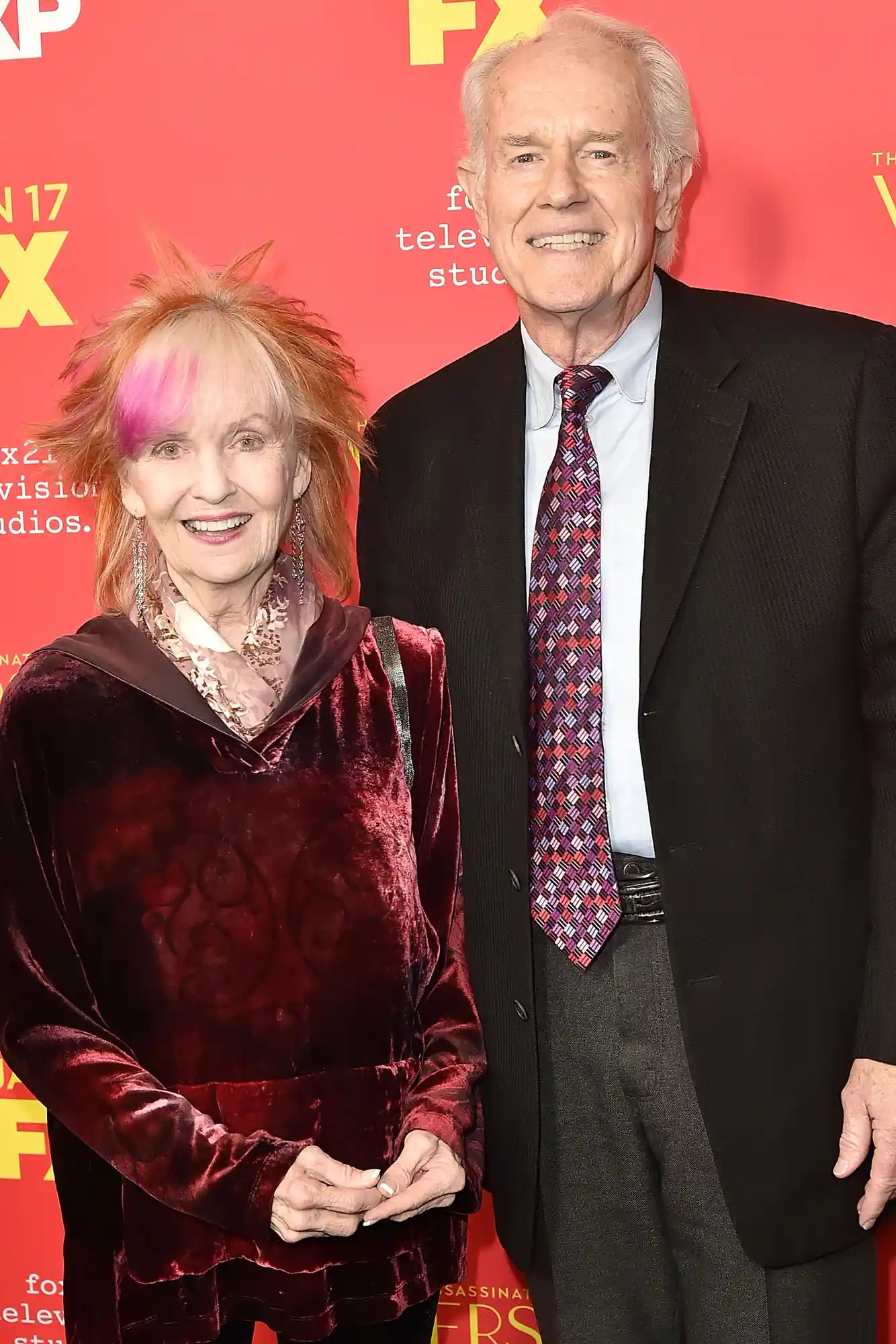
Her Family Wants Her Remembered for More Than the Roles
When announcing her death, Fabares’ family naturally acknowledged the performances that made her famous.
They mentioned Mary Stone.
Christine Armstrong.
“Johnny Angel.”
The Elvis movies.
But they placed even greater emphasis on the person they knew privately.
They remembered someone generous, funny, loyal and able to make people around her feel valued and cared for.
Fabares is survived by Farrell and her stepchildren.
Her death closes a career that touched remarkably different corners of American entertainment.
Some fans remember her as the teenage daughter on The Donna Reed Show.
Others hear “Johnny Angel.”
Some picture her standing beside Elvis Presley.
Another generation knows her from Coach.
And now, with her cause of death confirmed as pneumonia five days after her passing, the final details of her story are becoming clearer.
But for the people closest to Shelley Fabares, the most important part of that story was never the television ratings, the No. 1 record or the famous costars.
It was the woman who came home after all of it.