The Most Unsettling Sound in Arnold Schwarzenegger’s Predator Came From the Last Person Most Fans Would Guess
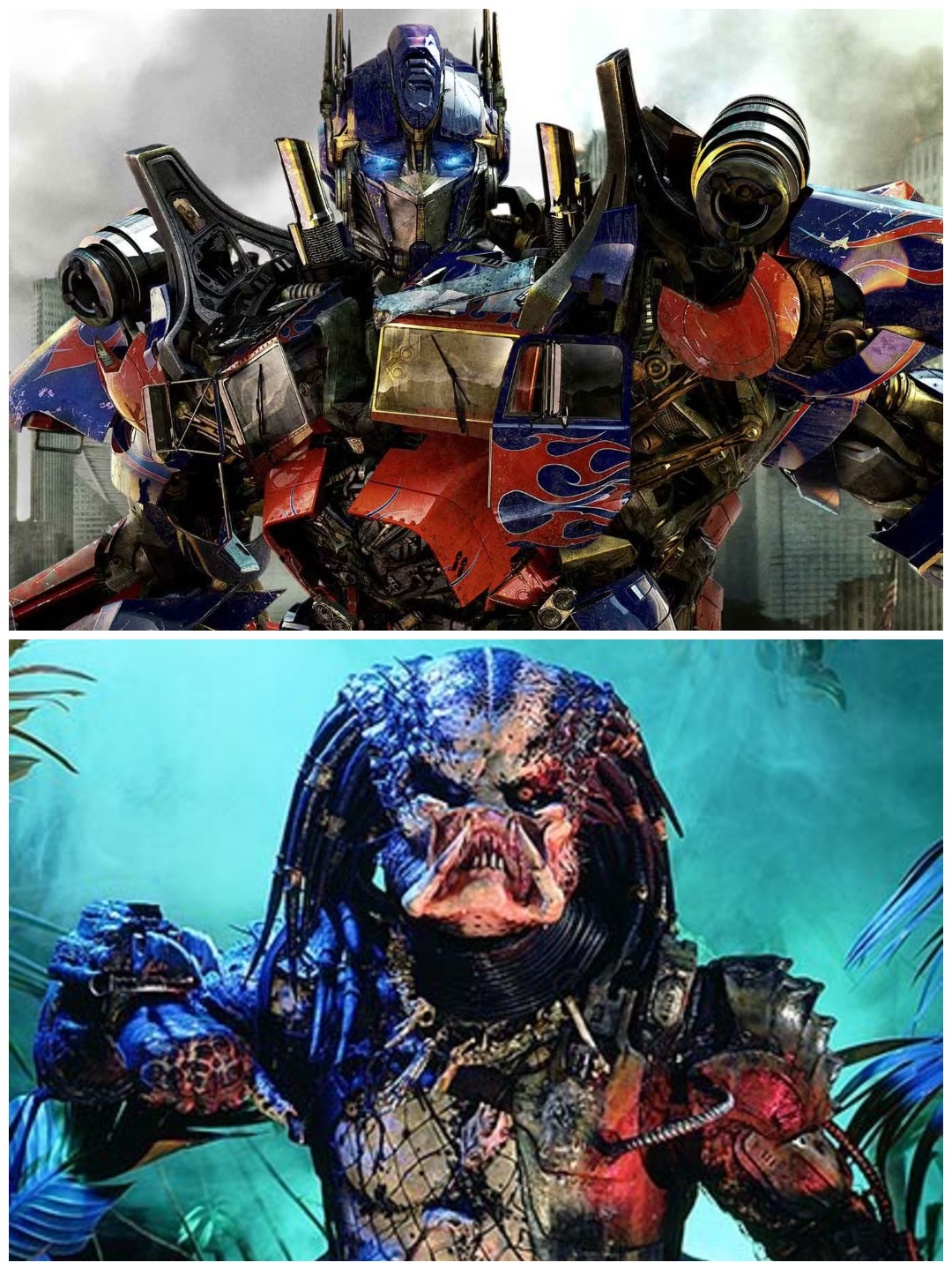
Long before audiences finally saw the creature hiding in the jungle in 1987’s Predator, they heard it.
A strange series of clicks.
Wet, guttural, almost mechanical — but clearly coming from something alive.
The sound became an early warning that Arnold Schwarzenegger’s Dutch and his increasingly terrified team were not alone. Something was watching them from the trees, seeing their body heat and waiting for the right moment to strike.
Nearly 40 years later, that clicking remains inseparable from the Predator.
But the man who created it was already famous for making audiences feel almost the exact opposite emotion.
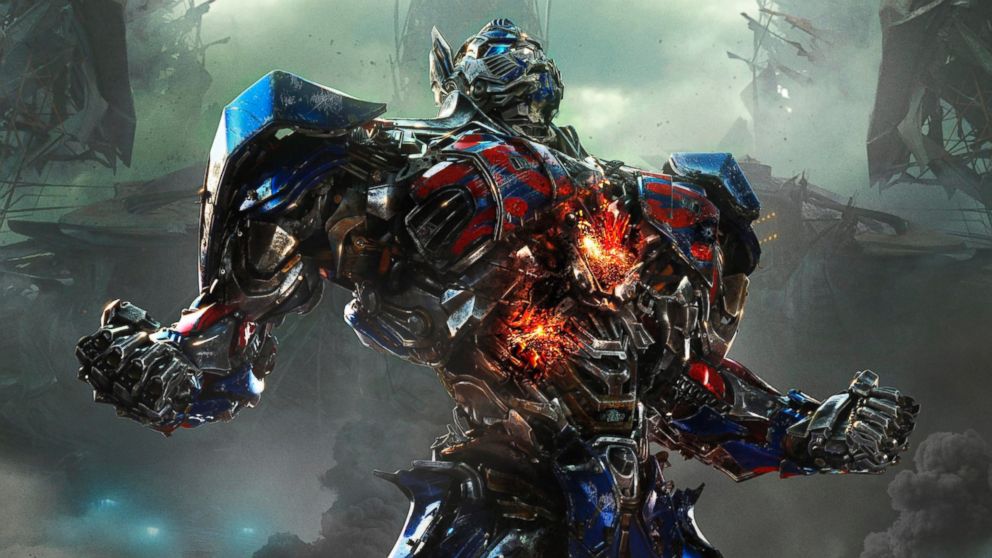
Just three years earlier, Peter Cullen had become Optimus Prime.
The same performer whose calm baritone turned the leader of the Autobots into a symbol of courage and reassurance was also behind one of science fiction’s most disturbing creature sounds.
And the inspiration did not come from another movie monster.
Cullen remembered an animal he had once seen struggling on a beach.
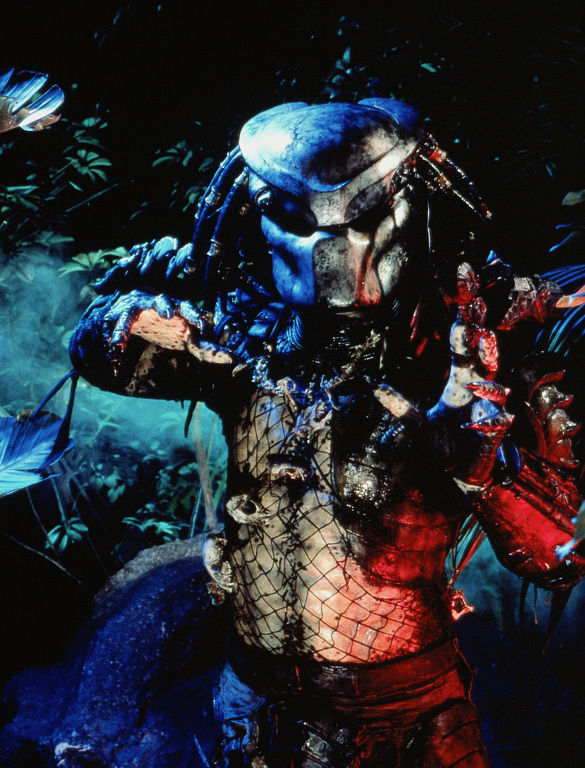
Predator Needed a Voice Without Giving Its Monster Dialogue
John McTiernan’s Predator works partly because its title character remains mysterious for so much of the movie.
Dutch and his elite military team enter the Central American jungle believing they are carrying out a rescue mission.
Then members of the group begin disappearing.
The hunter stalking them is almost invisible.
Audiences glimpse movement in the trees, strange heat-vision images and flashes of advanced technology before getting a clear look at the creature itself.
That meant sound was enormously important.
The Predator did not need conventional dialogue to establish a personality. Its breathing, mimicry and distinctive vocalizations could tell the audience that something intelligent — and deeply unfamiliar — was nearby.
One of those sounds ultimately came from Cullen. The Associated Press credited him with providing the famous clicking vocal effects and noted that he based them on his memory of a dying horseshoe crab.
That assignment was particularly strange considering what Cullen had already been through doing creature work.
Cullen Had Nearly Sworn Off Monster Sounds
Before Predator, Cullen had performed vocal effects for the 1976 remake of King Kong.
Producing enormous roars and other aggressive noises was physically punishing.
In later convention appearances, Cullen recalled doing extensive monster vocalizations and ending up coughing blood.
The experience was unpleasant enough that he decided he did not want to do that kind of work again.
Then he received a call about a new Arnold Schwarzenegger movie.
The production wanted someone to create sounds for its alien hunter.
Cullen initially resisted.
Eventually, however, he went in.
There was another problem once he arrived: How was he supposed to decide what the creature sounded like if he did not know what it looked like?
Cullen remembered asking to see the monster.
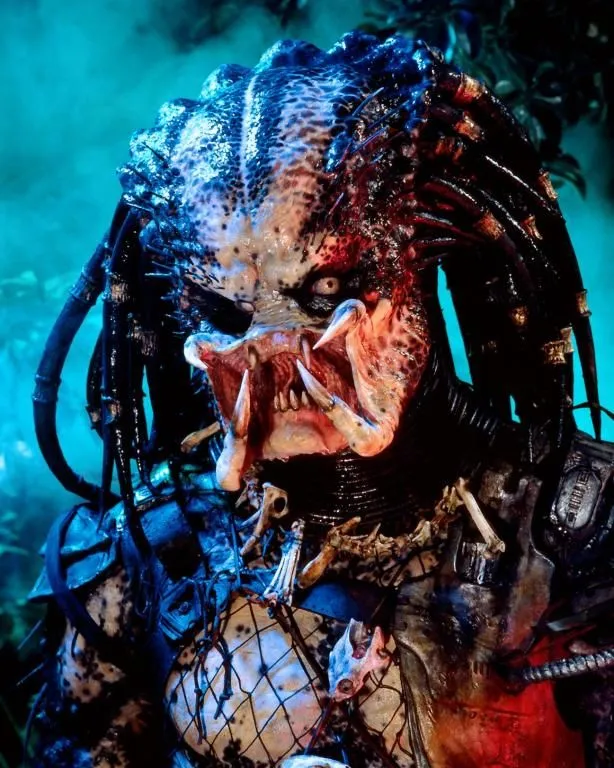
The filmmakers were highly protective of its appearance, but he was eventually shown enough material to start thinking about the problem. In Cullen’s retelling, the unusual mouth immediately triggered a childhood memory.
Then He Remembered a Horseshoe Crab
The inspiration came from a beach in Massachusetts.
Cullen recalled seeing an upside-down horseshoe crab at low tide on a hot day.
The animal’s legs moved while bubbles emerged and broke around it.
The tiny noises stuck somewhere in his memory.
Decades later, looking at the strange mouth of the Predator — with its unusual mandible-like structure — Cullen suddenly thought about that crab.
In a 2023 interview, he described remembering the bubbles breaking and producing a small clicking sound.
“That’s stuck in my brain,” Cullen recalled thinking.
When the filmmakers asked him to come up with something for the alien, that old memory finally became useful.
Instead of trying to produce another enormous roar that could punish his throat, Cullen generated the quieter clicking and gurgling vocalization.
It worked.
More importantly, it sounded like nothing the audience expected.
The Sound Made the Predator Feel Alive
A traditional monster roar might have made the Predator seem like another giant animal.
The clicks did something different.
They suggested communication.
Thought.
Awareness.
The creature was not simply charging at its victims.
It was studying them.
That distinction is fundamental to Predator.
Dutch gradually realizes that he is not fighting a mindless beast. He is being hunted by something with technology, tactics and its own set of behaviors.
The clicking helps create that identity without explaining anything.
Sound editor David Stone later recalled that the clicking material was already present when he joined the production and that everyone liked it enough that it remained largely intact through the final sound process. He also noted Cullen’s contribution to the creature’s vocalizations, although Stone himself was not involved in recording that performance.
The effect survived far beyond one movie.
When Shane Black directed The Predator decades later, he discussed how certain elements of the original creature were simply too effective to reinvent completely.
The classic sound was one of them.
Black said the filmmakers modulated aspects of it but essentially preserved the familiar character of the vocalization as a deliberate connection to the original.
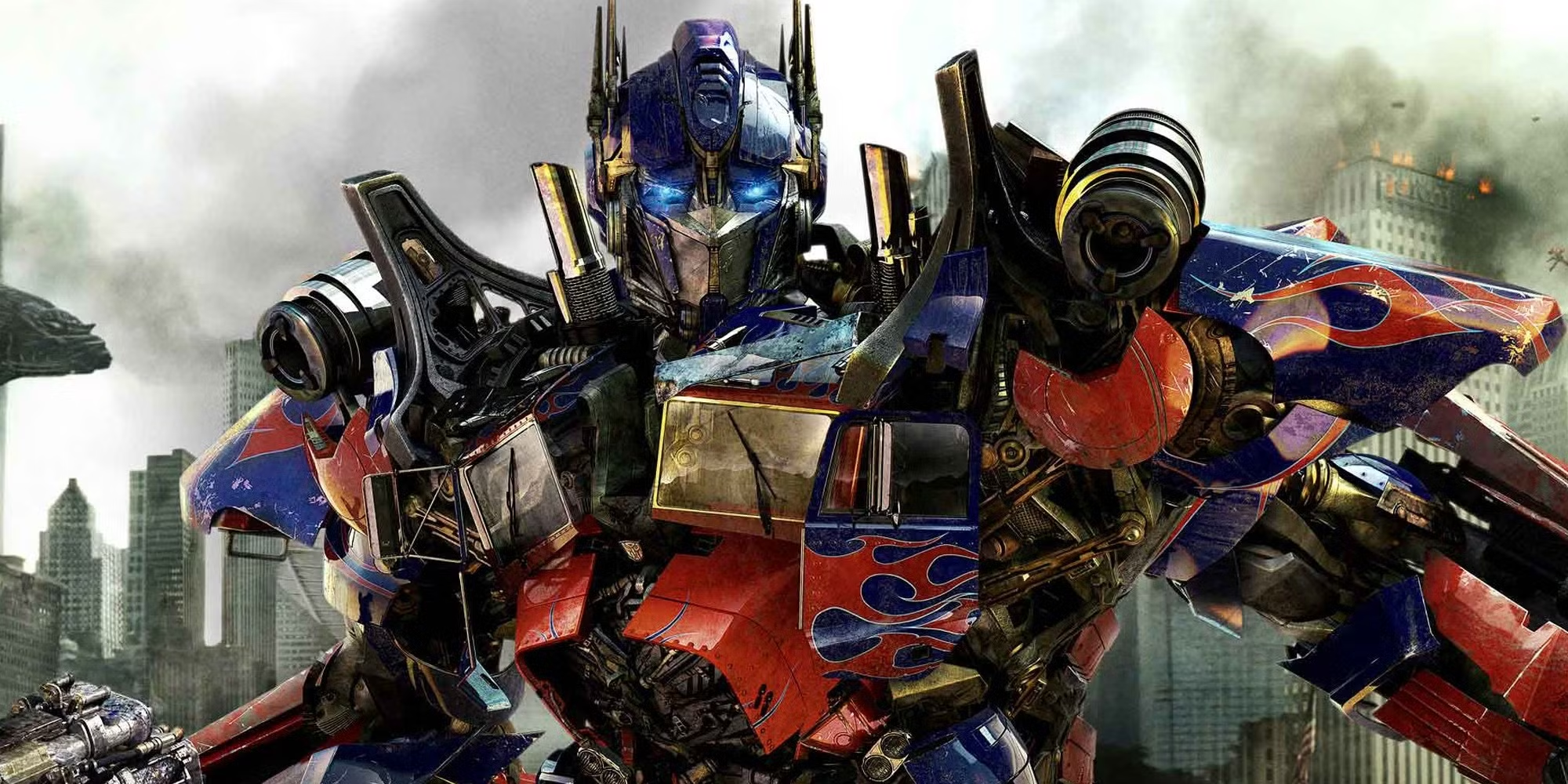
Three Years Earlier, Cullen Had Been Creating a Completely Different Icon
What makes the story particularly surprising is the timing.
Cullen first voiced Optimus Prime in the original Transformers animated series in 1984.
He approached that character with almost the opposite philosophy.
Optimus needed dignity.
Restraint.
Compassion.
Cullen famously drew inspiration from his older brother Larry, a Marine veteran who advised him that a genuine hero did not need to behave like a stereotypical Hollywood tough guy.
That guidance helped produce Optimus’ steady, reassuring baritone.
By 1987, therefore, Cullen was already associated with a character children trusted.
Then Predator audiences heard him making noises designed to signal that one of Schwarzenegger’s men might be about to disappear.
The contrast demonstrates something easily overlooked about voice acting.
The recognizable “voice” is only part of the job.
Cullen could create a heroic leader through carefully delivered dialogue and then build an entirely different character with almost no words at all.
He Had Already Proven That a Creature Didn’t Need Human Speech
Cullen’s work on King Kong had shown the same skill years earlier.
Creature performances often require an actor to communicate emotion without vocabulary.
Pain may need one sound.
Anger another.
Curiosity, threat and fear have to be distinguishable without simply turning into interchangeable growls.
Cullen’s work across King Kong, Predator and animation showed just how broad his range actually was.
He later became equally recognizable as Eeyore in multiple Winnie-the-Pooh projects — another performance about as far from the Predator as imaginable.
One actor could sound like a gentle, pessimistic donkey, the noble commander of the Autobots and an alien trophy hunter stalking armed men through a jungle.
Cullen died at his Los Angeles home on Aug. 26, 2026, at age 85. His extraordinary career also included KARR in Knight Rider, numerous animated characters and decades of appearances as Optimus Prime, most recently in 2023’s Transformers: Rise of the Beasts.
You Can Hear Predator Differently Once You Know
Watch the original movie again and wait for that first unmistakable click.
There is no heroic speech.
No “Autobots, roll out.”
Nothing about it sounds like Optimus Prime.
That is precisely what makes the story so good.
Cullen did not simply disguise his famous voice.
He reached back to a strange childhood memory of an upside-down horseshoe crab, found a sound that would not destroy his already abused throat and gave an alien creature an identity that survived for decades.
Millions of Transformers fans knew Peter Cullen as the voice that meant help had arrived.
Millions of Predator fans heard him and knew something was coming to hunt them.
Most never realized they were listening to the same man.