The Star Who Made Being Different Feel Like Belonging
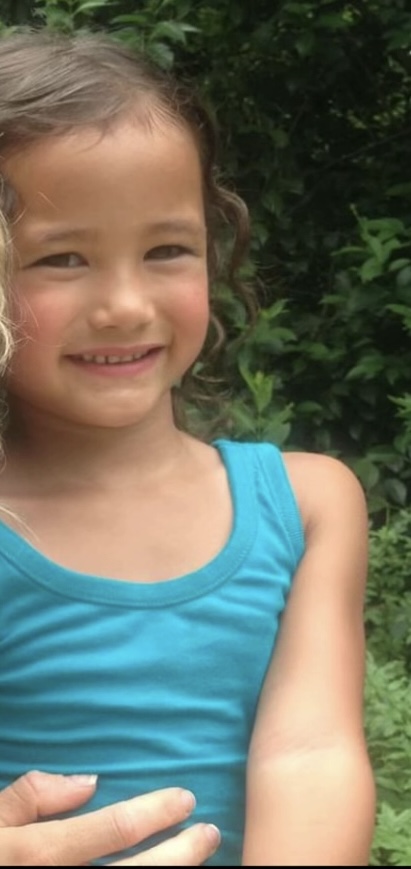
Hollywood has never lacked stories about extraordinary people. What it has lacked, for much of its history, is the willingness to let people with different experiences tell those stories themselves.
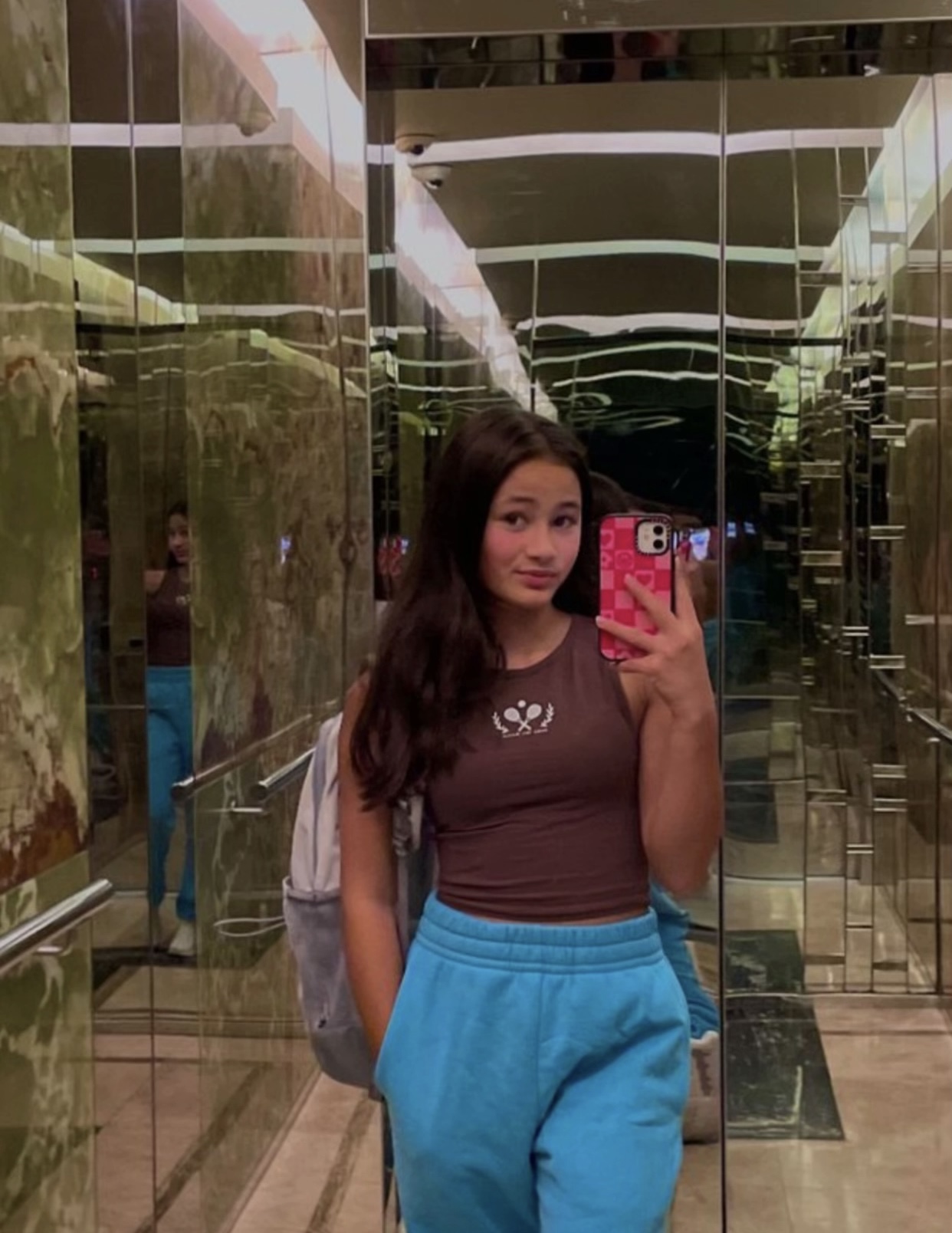
Kaylee Hottle is part of a generation helping to change that.
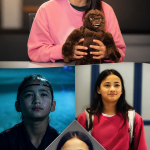
Her breakthrough as Jia in Godzilla vs. Kong placed a deaf young actress inside one of the world’s biggest entertainment franchises. But the significance of her role was not simply that a deaf performer had been cast in a blockbuster.
It was that she was given the opportunity to be part of the adventure.
Jia is not introduced as someone audiences are expected to feel sorry for.
She is a young girl navigating an extraordinary world, carrying her own emotions and developing a remarkable connection with Kong. Her deafness is part of her identity, but it does not erase the rest of who she is.
That distinction gives Hottle’s performance its authenticity.
As a deaf actress who uses American Sign Language, Hottle brings a natural understanding of visual communication to the character. Her performance depends on expressions, gestures and reactions that allow audiences to understand Jia even when traditional dialogue is absent.
In a film dominated by noise and destruction, that quiet style of storytelling becomes surprisingly powerful.
The relationship between Jia and Kong is perhaps the clearest example.
Kong cannot speak to Jia in the way humans normally communicate, while Jia does not rely on spoken language. Yet they find a way to understand one another.
Their connection suggests that communication is much bigger than words.
Sometimes it is a look.
Sometimes it is a gesture.
Sometimes it is simply recognizing that another person — or creature — understands what you are feeling.
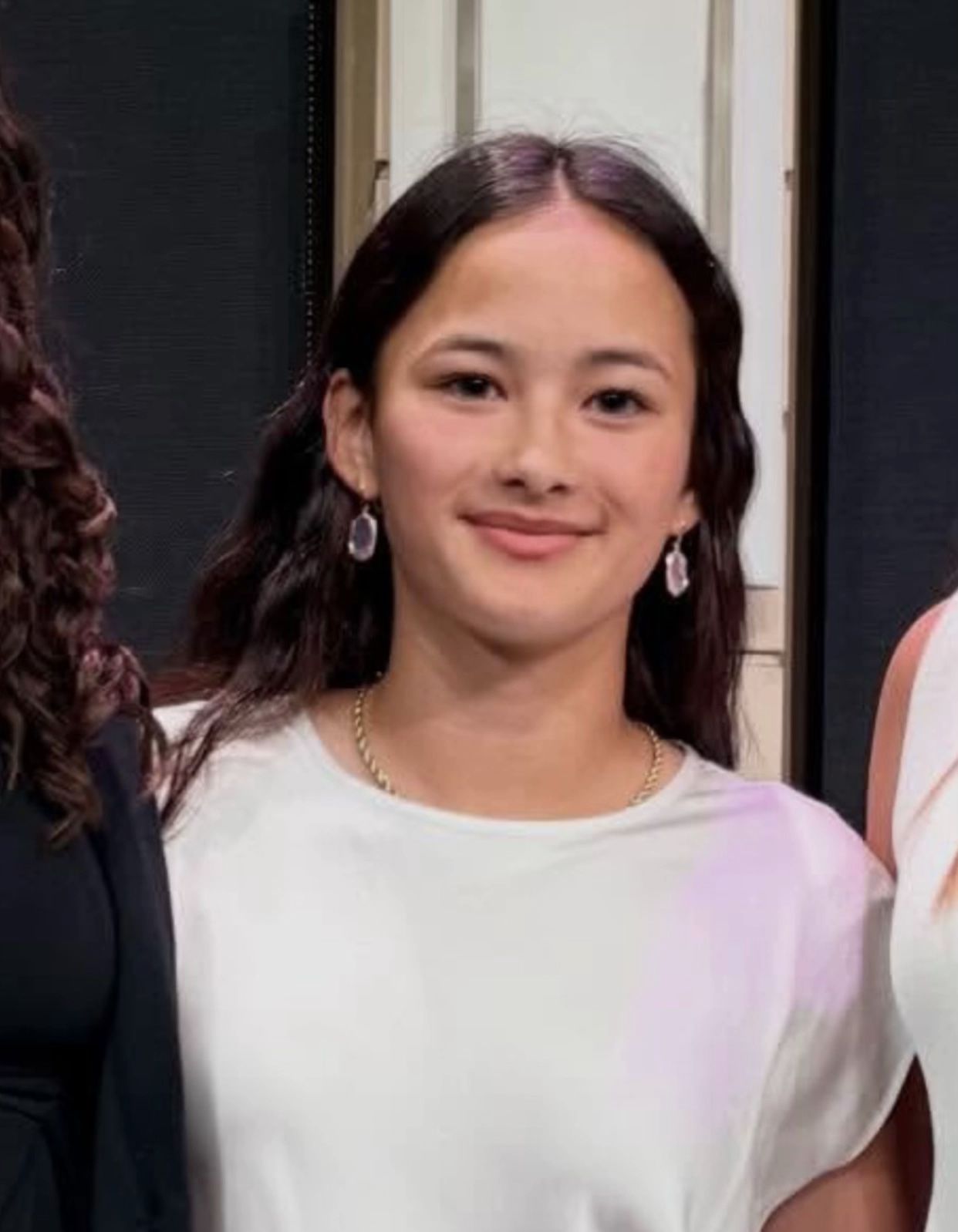
Hottle’s continued appearance as Jia in Godzilla x Kong: The New Empire made that representation even more visible.
She wasn’t a brief appearance in a single movie.
She had become part of the larger world.
For young deaf viewers, that can be meaningful in ways that are difficult to measure.
Representation can change the way a child imagines the future. Seeing a deaf actress in a major franchise can make acting, entertainment and other careers feel less distant.
It can quietly communicate a simple message:
You can belong here, too.
But Hottle’s impact should not be measured only through representation.
Her talent deserves recognition on its own.
She has demonstrated an ability to communicate emotion without depending on conventional dialogue, and she has helped make Jia feel like a character audiences can connect with rather than simply a symbol of inclusion.
That is where authentic representation becomes powerful.
The audience doesn’t have to be told why Jia matters.
They simply see her.
They remember her.
And they care about what happens to her.
Hottle’s career is still developing, which makes her journey especially interesting. Her early success has opened a door, but what comes next will ultimately define the performer she becomes.
Whatever that future holds, her work has already contributed to something larger than a single franchise.
She has helped make space for a different kind of Hollywood story — one in which being different does not mean being separated from the action.
It means bringing something unique to it.
And sometimes, the most important change begins when audiences stop asking why someone belongs on screen and simply accept that they do.