Three Generations, One Legacy: From Marlee Matlin to Lauren Ridloff and Kaylee Hottle
For decades, Hollywood rarely allowed Deaf performers to stand at the center of its biggest stories.
Then one woman helped change that.
Years later, another pushed that door even wider.
And eventually, a young girl stepped through it and showed an entirely new generation what might be possible.
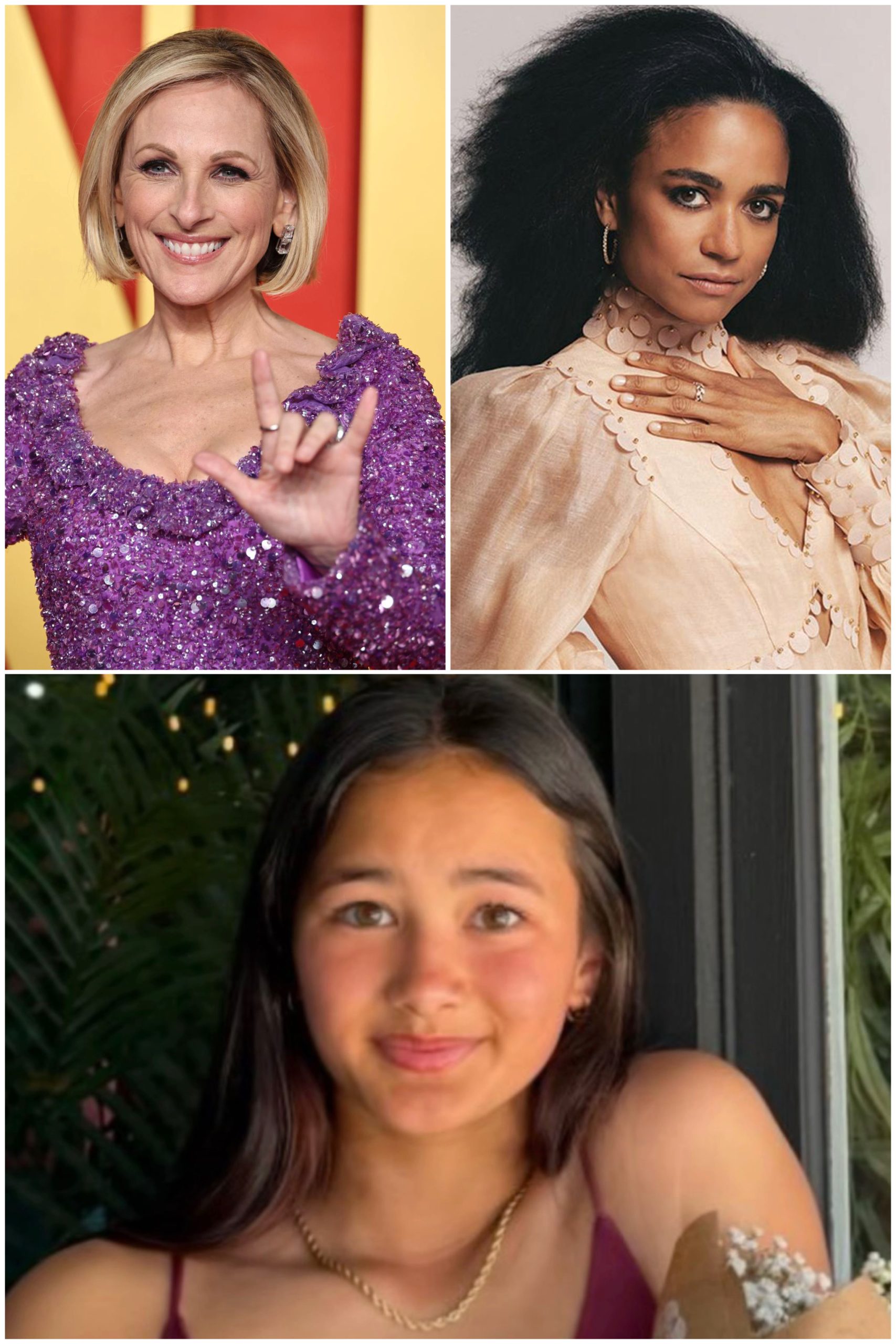
Their names are Marlee Matlin, Lauren Ridloff and Kaylee Hottle.
Three women.
Three generations.
Three very different careers.
But one extraordinary legacy.
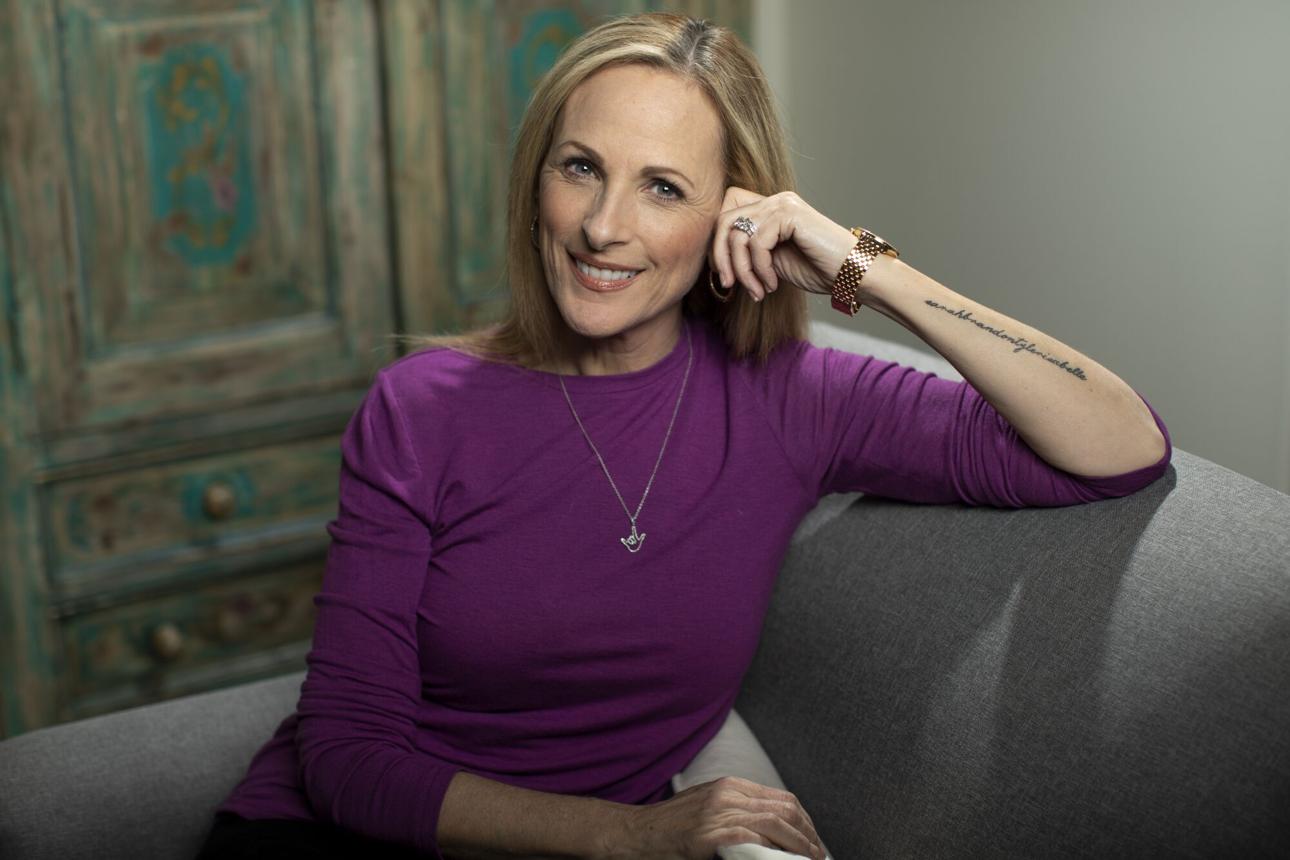
Marlee Matlin: The Woman Who Opened the Door
When Marlee Matlin won the Academy Award for Best Actress for Children of a Lesser God in 1987, she was only 21 years old.
She also became the first Deaf performer to win an acting Oscar.
It was a moment that went far beyond one film or one award.
For many Deaf viewers, seeing a Deaf woman receive Hollywood’s highest acting honor was something they had rarely, if ever, witnessed before.
Matlin had not become successful by hiding her Deafness.
She had succeeded while remaining completely herself.
And that mattered.
Her Oscar became a symbol of possibility — proof that Deaf performers could occupy the same stage as everyone else.
But perhaps the most important part of Matlin’s legacy was what happened after that moment.
She continued working.
She continued appearing on television and in films.
She continued advocating for greater representation.
She helped make it easier for the next generation to imagine a career that once seemed almost impossible.
And eventually, someone from that next generation arrived.
Lauren Ridloff: Making the Impossible Look Normal
Lauren Ridloff entered Hollywood decades after Matlin’s breakthrough.
By then, the industry had changed.
But there were still enormous gaps in representation.
Ridloff helped change that when she became Makkari in Marvel’s Eternals.
Suddenly, a Deaf superhero was standing inside one of the biggest cinematic universes in the world.
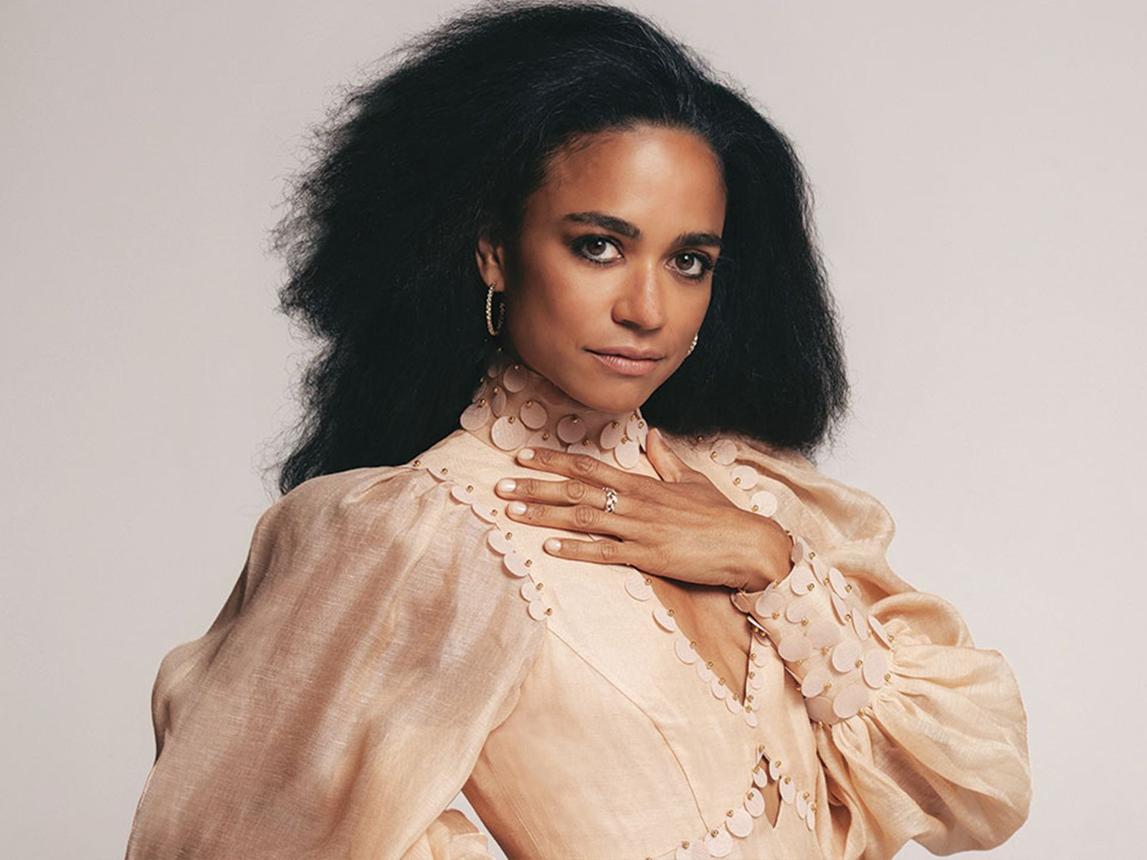
Makkari wasn’t a side character whose entire story revolved around being Deaf.
She was powerful.
She was fast.
She was confident.
She was a superhero.
She communicated through American Sign Language, and the audience was simply expected to meet her where she was.
That was important.
The character didn’t need to be “fixed” for the story to work.
The world around her adapted.
In that sense, Ridloff represented another step forward from the path Matlin had helped create.
Marlee showed Hollywood that a Deaf actress could become a leading star.
Lauren showed that a Deaf woman could become a superhero.
And then came Kaylee.
Kaylee Hottle: The Youngest Generation
Kaylee Hottle was born in 2007, decades after Marlee Matlin’s Oscar win.
By the time Kaylee entered Hollywood, the landscape was already beginning to look different.
But she brought something uniquely her own.
She became Jia in Godzilla vs. Kong and later returned for Godzilla x Kong: The New Empire.
Her character existed in a world of giant monsters, enormous battles and spectacular special effects.
Yet some of Jia’s most powerful moments were quiet.
She communicated with Kong through American Sign Language.
She looked beyond his size and strength and recognized his loneliness.
She connected with a creature that almost nobody else could understand.
And Kaylee made that relationship feel believable.
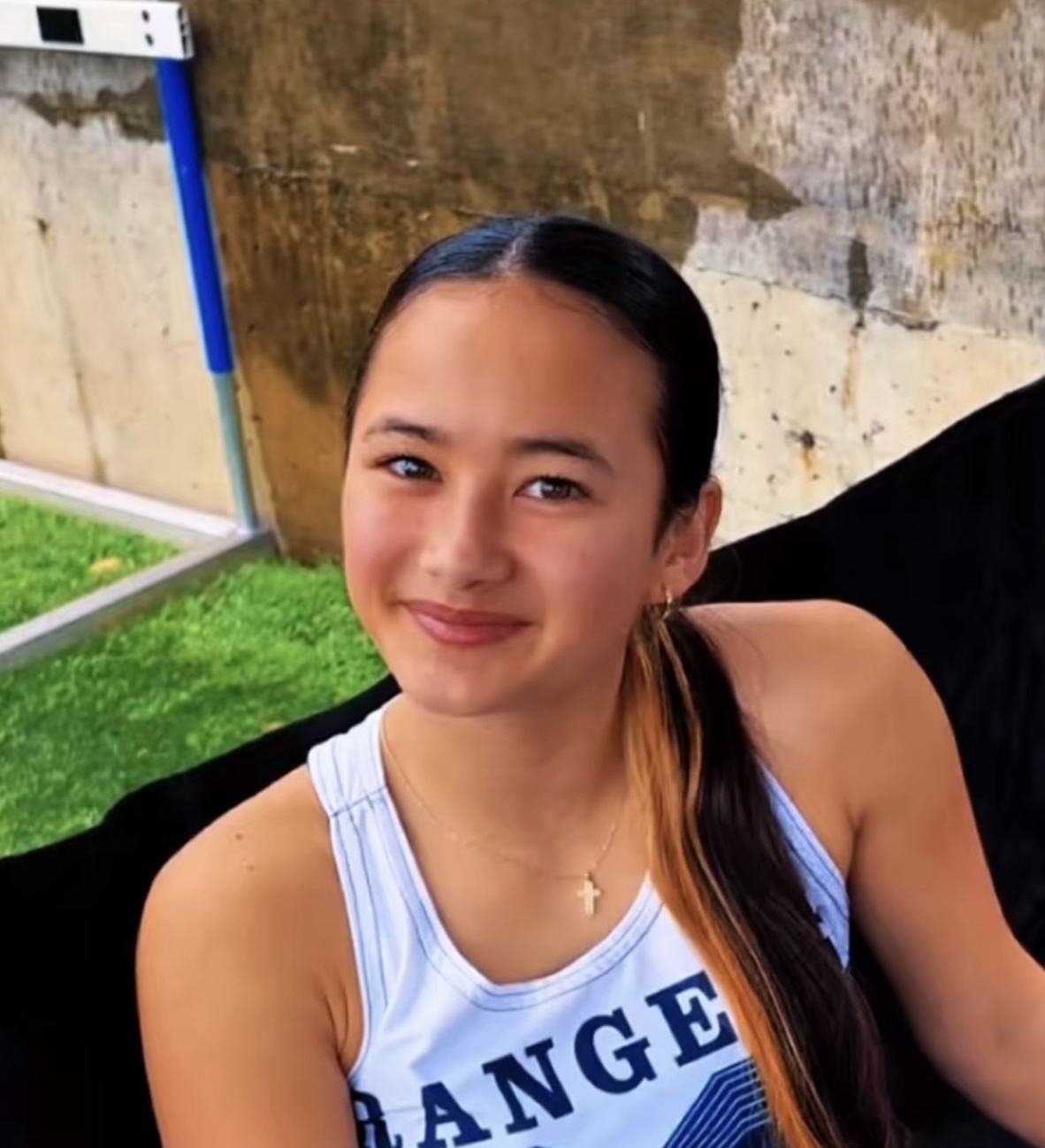
Her Deafness wasn’t something the story needed to explain away.
It was part of the character’s identity.
And for Kaylee, ASL wasn’t something she had memorized for a movie.
She had grown up using it.
She came from a multigenerational Deaf family.
She understood the language because it was part of her life long before Hollywood ever knew her name.
That authenticity gave Jia something special.
She wasn’t simply a Deaf character being represented on screen.
She was a Deaf girl being allowed to exist naturally inside one of Hollywood’s biggest franchises.
And millions of people saw her.
A Legacy That Passed From One Generation to the Next
The connection between these three women isn’t simply that they are Deaf actresses.
It’s the path they represent.
Marlee Matlin opened the door.
Lauren Ridloff showed how much further that door could lead.
Kaylee Hottle walked through it as part of a new generation.
Their careers weren’t identical.
They shouldn’t be.
Representation isn’t about creating the same character over and over again.
It’s about creating enough space for different people to tell different stories.
Marlee became an award-winning actress.
Lauren became a superhero.
Kaylee became the emotional heart of a monster franchise.
Three completely different worlds.
But each one sent the same underlying message:
Deaf people belong here.
They belong on movie screens.
They belong in blockbuster franchises.
They belong in stories about love, family, courage, fantasy and adventure.
They don’t have to be defined by what they cannot hear.
They can be heroes.
They can be stars.
They can simply be people.
What Kaylee Inherited
Perhaps the most emotional part of this story is that Kaylee didn’t enter an empty room.
She entered a room that women before her had already fought to make larger.
Marlee Matlin had shown that a Deaf actress could stand at the very top of Hollywood.
Lauren Ridloff had shown that a Deaf actress could enter a superhero universe and become powerful on her own terms.
Kaylee inherited that progress.
And then she passed something forward herself.
She became the young actress another Deaf child could watch and recognize.
A girl communicating with her hands.
A girl standing beside Kong.
A girl whose difference wasn’t treated as a weakness.
A girl who had a place at the center of the story.
Kaylee once expressed hope that young Deaf people would feel inspired by seeing her on screen.
That hope makes her story even more meaningful now.
Because she wasn’t trying to be the last.
She was trying to make sure there could be more.
The Story Isn’t Over
Kaylee’s life ended far too soon.
She was only 18.
She never had the chance to build the decades-long career that Marlee Matlin created.
She never had the opportunity to discover how many more characters she might have played.
She never got to see how many young people she might eventually inspire.
But legacy doesn’t always require a long life.
Sometimes it begins with simply being visible.
A young Deaf child watches Marlee Matlin and realizes acting is possible.
Years later, another watches Lauren Ridloff and realizes superheroes can look like her too.
Then another watches Kaylee Hottle and sees a Deaf girl standing at the center of a world filled with monsters.
The message keeps moving.
From one generation to another.
From one screen to another.
From one young dreamer to the next.
Marlee.
Lauren.
Kaylee.
Three women who entered Hollywood at different moments in history.
Three women who left very different marks.
But one continuing story:
A story about making room where there wasn’t enough room before.
And perhaps somewhere today, another young Deaf girl is watching them.
She may not know what she wants to become yet.
But now she has something generations before her didn’t always have.
She has someone to look at and think:
Maybe I can be there too.
And that is how a legacy survives.
Not simply in awards.
Not simply in movies.
But in the dreams of people who come next.