When Transformers Took Optimus Prime Away, Peter Cullen Thought It Was Because He Had Failed
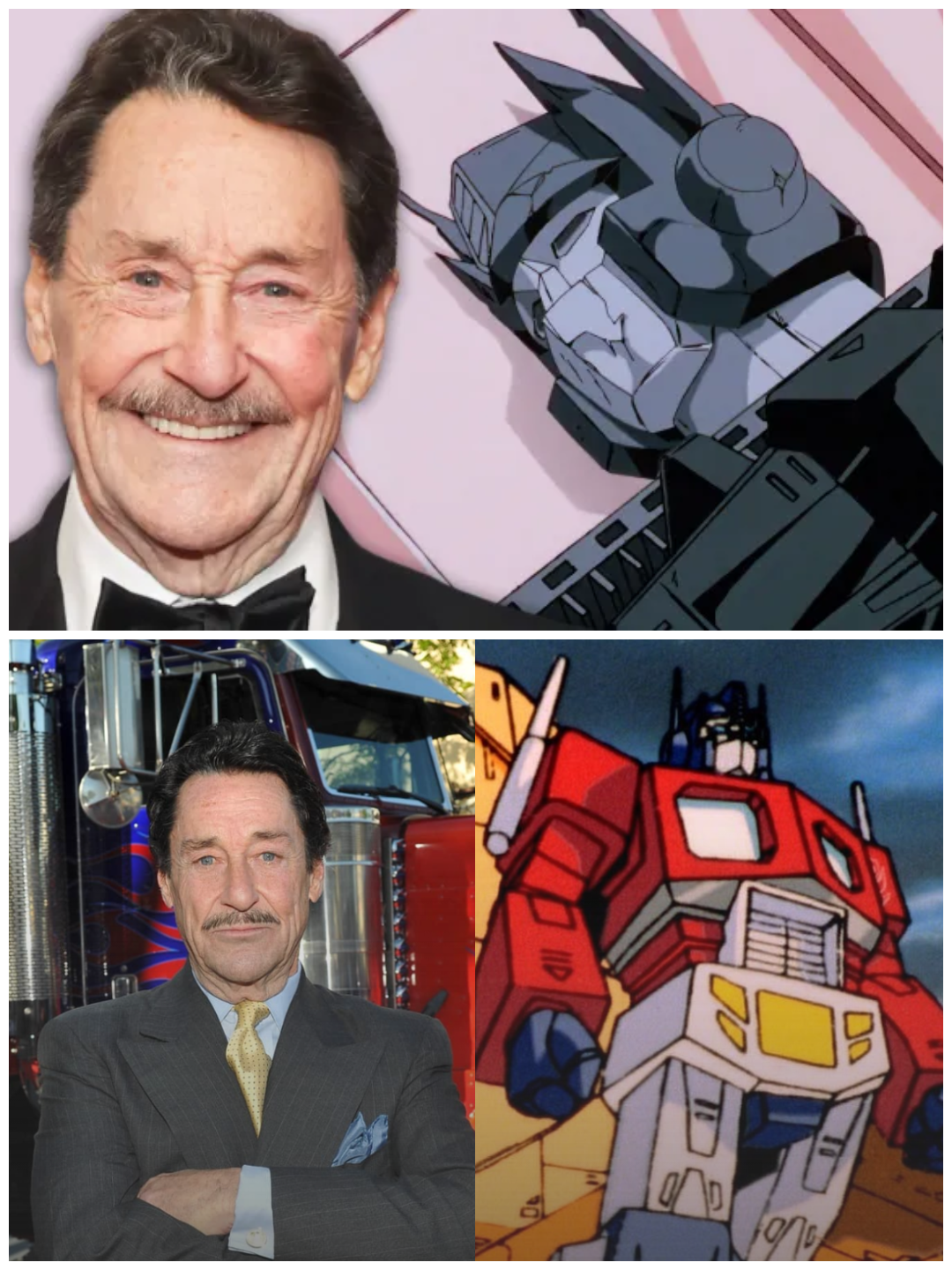
Millions of children watched The Transformers: The Movie in 1986 and came away devastated for one obvious reason.
Optimus Prime was gone.
Peter Cullen was devastated too.
But not for the reason those young fans might have imagined.
When Cullen read the script and discovered that the heroic Autobot leader would not survive the movie, he did not immediately think about toy sales, new characters or Hasbro’s plans for the franchise.
He took it personally.
Cullen had been voicing Optimus since the original Transformers television series began in 1984. Suddenly, just two years later, his character was being removed.
To Cullen, there seemed to be one painfully simple explanation.
Maybe he had not been good enough.
“I could only interpret that as, ‘Wow, it must be my performance. It must really suck. They’re replacing me,’” Cullen recalled years later.
What he could not have known was that children across America were about to prove almost the exact opposite.
Optimus Prime Had Become More Than a Toy
When Transformers arrived in the United States in 1984, Hasbro was building an entertainment universe around a line of transforming robot toys.
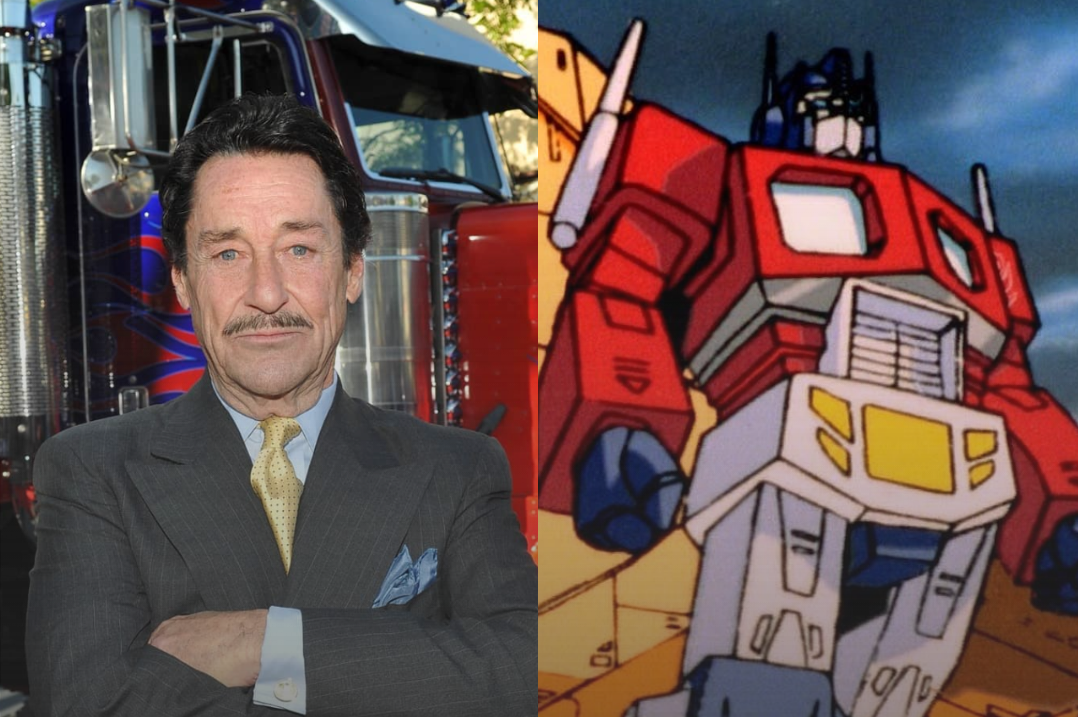
The animated series gave those toys personalities.
Megatron became the ruthless leader of the Decepticons.
Bumblebee became the smaller, approachable Autobot.
And Optimus Prime became something much bigger than the company apparently anticipated.
Cullen gave him a deep, authoritative voice, but he deliberately avoided making him sound like an exaggerated action hero.
He modeled much of Optimus’ personality on his older brother Larry, a Marine veteran who had told him that a true hero should have dignity and compassion — someone “strong enough to be gentle.”
The result was a character who could command an army without sounding like a bully.
For young viewers, Optimus was not simply the biggest good-guy robot.
He became a reassuring authority figure.
That distinction mattered enormously when The Transformers: The Movie arrived in theaters in August 1986.
The people making the movie did not yet fully understand just how much.
Then Peter Cullen Reached That Part of the Script
The movie was designed to move the franchise into a new generation of characters.
Many familiar Transformers from the television series were eliminated as newer characters were introduced.
Optimus received the most memorable exit.
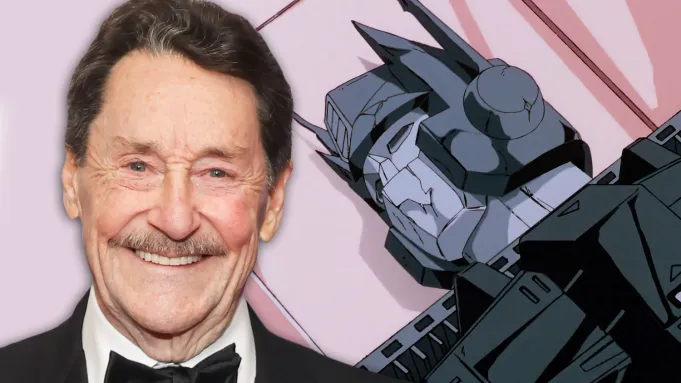
After a brutal confrontation with Megatron, the Autobot leader is critically wounded. Back among his fellow Autobots, he passes the Matrix of Leadership to Ultra Magnus.
Then his body loses its color.
His head falls to one side.
Optimus Prime is dead.
For an animated movie aimed heavily at children, the scene is remarkably slow and final.
Cullen knew what was happening before audiences did because he encountered it in the script.
He later joked about reading the pages beside Frank Welker, the voice of Megatron, and realizing that his character was being “whacked.”
But beneath the humor was real disappointment.
Cullen had no control over the decision.
And he did not initially understand the business reasoning behind it.
He simply saw a character he had played for two successful seasons being removed.
Actors understand what that can mean.
Characters disappear.
Performers are replaced.
Jobs end.
So Cullen wondered whether Optimus’ death was effectively a verdict on him.
Years later, he said the experience taught him that everyone was disposable.
Then the movie reached children.
That changed everything.
Hasbro Was Not Prepared for the Reaction
The people behind Transformers expected children to accept the new heroes.
Instead, many of them wanted Optimus back.
Writer and story consultant Flint Dille later said the production had underestimated the emotional attachment children had developed to the character.
He recalled stories of children crying and becoming deeply upset after seeing the movie.
More importantly, the reaction reached Hasbro itself.
Dille later said the company was disturbed by how strongly children had reacted and treated restoring Optimus as a priority.
“The episode was written in a panic,” he said when discussing the eventual return. “Hasbro was very upset that Optimus’ death had traumatized so many kids.”
Contemporary accounts also described the company receiving calls and letters from children upset specifically about Optimus.
The irony is striking.
While Cullen had interpreted the decision as evidence that viewers or producers might not value what he was doing, the audience was demonstrating exactly how valuable his performance had become.
The children did not simply miss another robot.
They missed Optimus Prime.
And Optimus Prime sounded like Peter Cullen.
Optimus Had to Come Back
The franchise eventually reversed course.
Optimus returned in the television series in the two-part story The Return of Optimus Prime near the end of the third season.
Cullen came back to voice him.
The resurrection could be explained easily enough inside a science-fiction story about enormous alien machines.
The more important explanation existed outside the show.
Hasbro had discovered that replacing a toy was much easier than replacing what children believed that character represented.
Cullen later recalled hearing extraordinary stories about the reaction to Optimus’ movie fate — including accounts of children hiding in their rooms or refusing to come out after seeing what happened.
Whether every story grew in the retelling over the decades is less important than the documented reality underneath them: the backlash was substantial enough that the company changed course.
That is a remarkable outcome for a character whose performer initially thought he was being discarded because he had failed.
Cullen Did Not Fully Understand His Importance Yet
There was another strange element to Cullen’s experience.
The internet did not exist as a mass communication tool in 1986.
Voice actors could not immediately open social media and see thousands of people discussing their performances.
Cullen said it was only years later, as fan communities became more visible online, that he could really see the scale of the attachment to Optimus.
Suddenly there were thousands of comments, opinions and expressions of affection for the character.
Studios could see them too.
That visibility eventually helped create one of the great second acts in voice-acting history.
Two decades after the original cartoon, Hollywood began preparing a live-action Transformers movie.
A new generation of filmmakers could have chosen an entirely different voice.
Instead, Cullen was asked to audition for Optimus again.
He got the part.
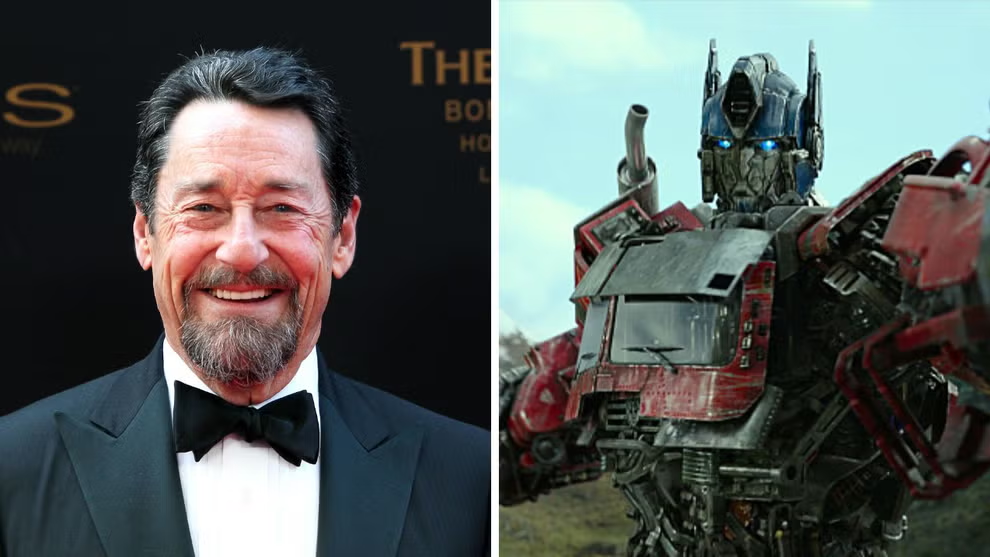
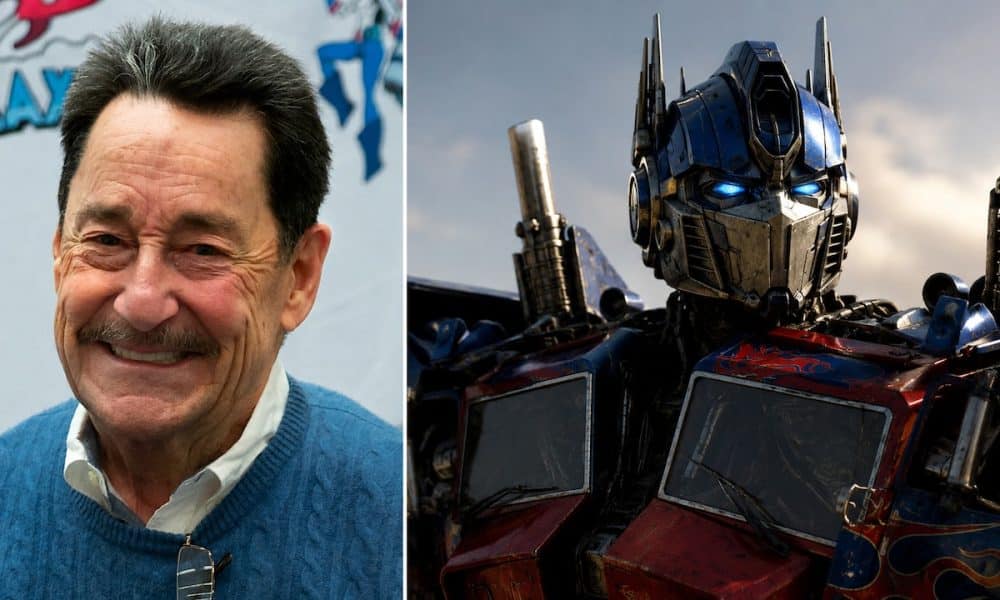
When Michael Bay’s Transformers opened in 2007, audiences heard that familiar baritone coming from Optimus Prime once more.
Cullen subsequently continued voicing the character across movies, television, games and other projects, eventually becoming almost inseparable from Optimus in popular culture. He voiced Prime as recently as 2023’s Transformers: Rise of the Beasts. Cullen died on Aug. 26, 2026, at age 85.
The 1986 Scene Never Stopped Haunting Fans
Nearly four decades after The Transformers: The Movie, filmmakers were still talking about what happened.
When director Josh Cooley made Transformers One, the 2024 animated origin story about the future Optimus Prime and Megatron, he immediately thought about the 1986 movie.
“That one scarred me — and a whole generation,” Cooley told Entertainment Weekly.
He specifically said the impact of Optimus’ death influenced how he approached the newer film.
Even more telling was the way Cooley described Cullen.
“Peter Cullen is Optimus Prime and is Transformers,” he said, explaining how intimidating it was to introduce Chris Hemsworth as a younger version of the character.
That sentence would have been difficult for Cullen to imagine when he first opened the 1986 script.
Back then, he saw Optimus die and wondered whether his own performance “must really suck.”
Almost 40 years later, directors were still worrying about how anyone could possibly follow him.
Peter Cullen Had Read the Situation Completely Backwards
That may be the most poignant part of the entire story.
The studio took Optimus Prime away.
Peter Cullen assumed that meant he was replaceable.
Children reacted as if the character was anything but.
Their calls, letters and emotional response helped make the people controlling Transformers understand something Cullen himself had not yet realized.
The voice mattered.
The personality mattered.
The sense of safety and dignity he had borrowed from his brother mattered.
Eventually, Optimus came back.
And when Hollywood needed Optimus again decades later, it came back to Peter Cullen too.
The scene Cullen once interpreted as evidence that he had failed ultimately became some of the strongest evidence of just how completely he had succeeded.