Whitney Houston Made Dolly Parton Millions From One Song — What Dolly Did With the Money Meant Even More
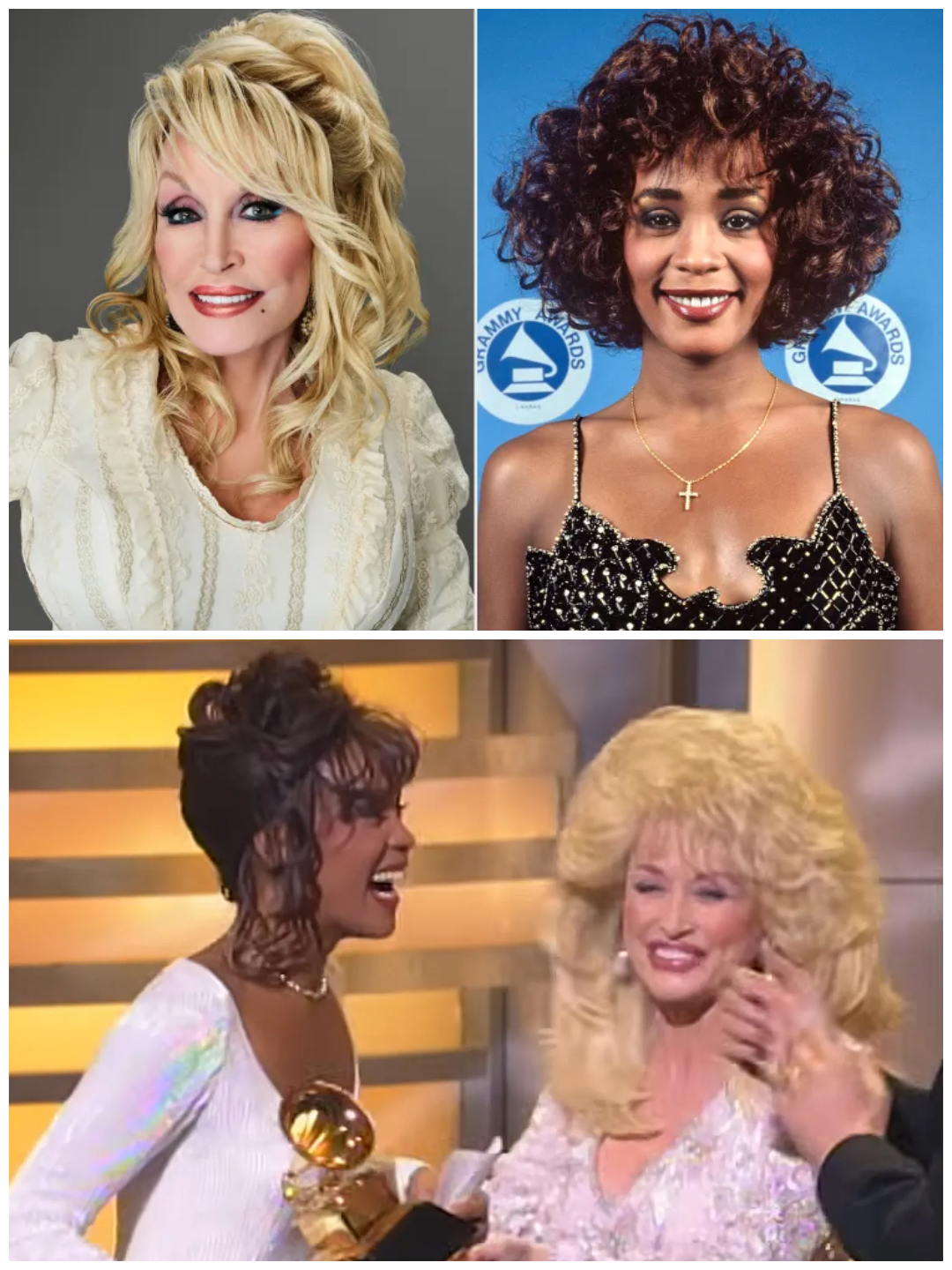
Whitney Houston’s version of “I Will Always Love You” changed the history of a song Dolly Parton had already loved for nearly two decades.
It became one of the defining recordings of the 1990s.
It spent 14 weeks at No. 1 in the United States, became inseparable from The Bodyguard and transformed Parton’s country ballad into a global pop phenomenon. Decades later, Houston’s recording remains one of the most recognizable vocal performances ever put on record.
It also created an enormous financial windfall for the woman who wrote it.
Estimates have placed Parton’s songwriting royalties from Houston’s version at roughly $10 million.
Years later, however, Parton revealed that some of that money ended up somewhere most fans would never have expected.
She used it to buy property in a predominantly Black neighborhood in Nashville.
And whenever she thought about the building afterward, Parton had a private nickname for it.
“The house that Whitney built.”
The Song Existed Long Before Whitney Houston Sang It
The story began almost 20 years before The Bodyguard.
Parton wrote “I Will Always Love You” in 1973 as she prepared to leave her professional partnership with country performer Porter Wagoner.
Their relationship had helped establish Parton in Nashville, particularly through The Porter Wagoner Show, but she wanted greater control over her own career.
Rather than turn the separation into a bitter public statement, Parton wrote a goodbye.
The song was affectionate rather than angry: a recognition that two people could move in different directions without erasing what they had meant to one another.
Parton recorded it herself and turned it into a country hit.
Then, in 1992, the song became something much bigger.
Whitney Houston recorded a dramatically different version for The Bodyguard, the romantic thriller in which she starred opposite Kevin Costner.
Houston’s recording opened with her voice almost completely exposed before building into the enormous vocal performance listeners now know.
The single dominated charts around the world. In the U.S., it remained atop the Billboard Hot 100 for 14 weeks — then a record-breaking run — and became Houston’s longest-running No. 1.
For Parton, hearing what Houston had done to her song was overwhelming.
She later described Houston as the artist who took it worldwide.
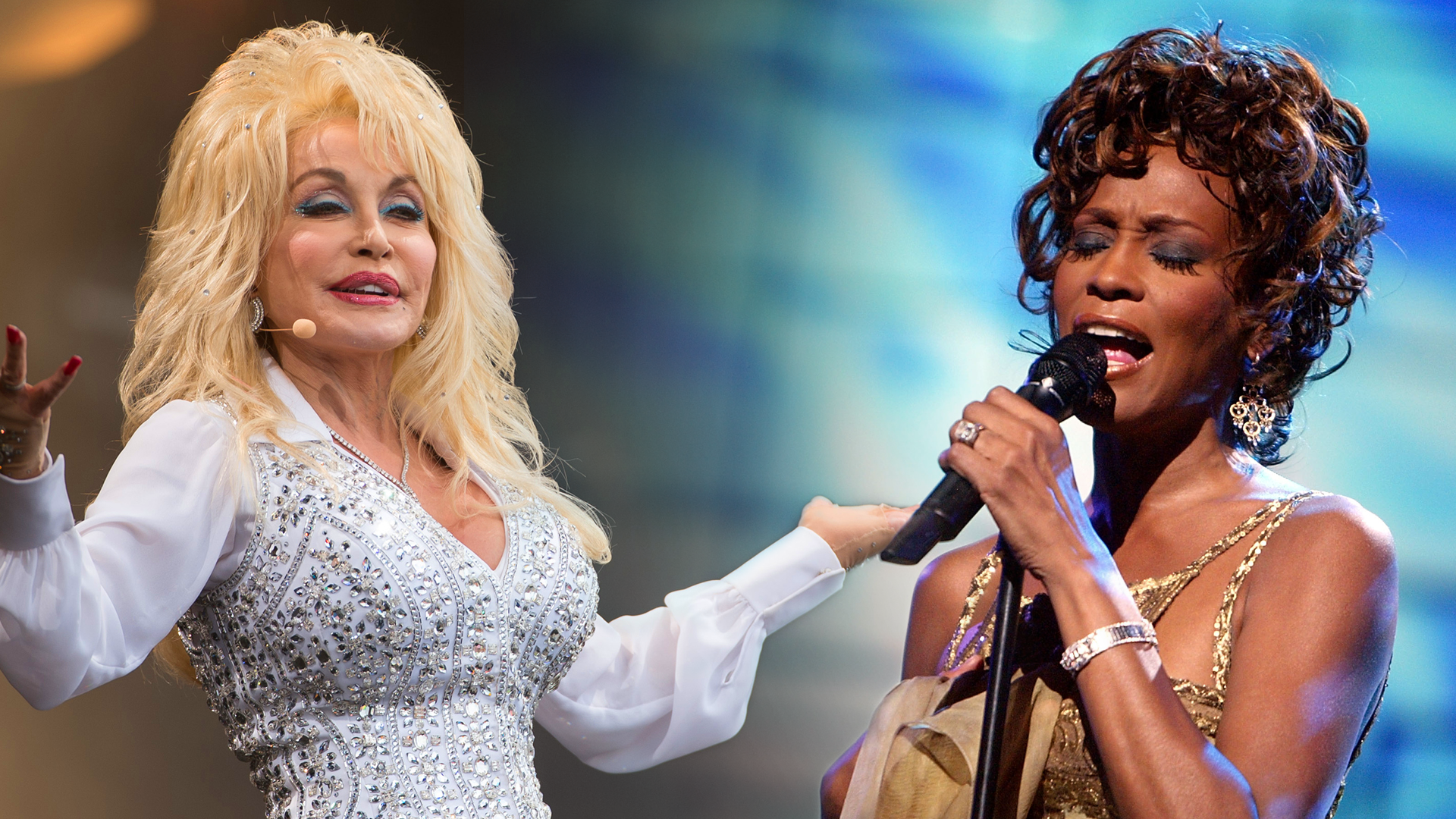
Dolly Still Owned the Most Important Part
Houston may have delivered the famous recording, but Parton had written the song.
That distinction mattered financially.
Every time Houston’s version sold, played or generated publishing income, Parton benefited as the songwriter and rights holder.
Reports have estimated that Houston’s success generated around $10 million in royalties for Parton during the 1990s.
That number is even more remarkable considering a decision Parton had made years earlier.
Elvis Presley once wanted to record “I Will Always Love You,” but Parton refused a deal after Presley’s manager, Colonel Tom Parker, wanted her to surrender a substantial portion of the publishing rights.
It was an extraordinarily difficult choice.
But keeping ownership of the song eventually allowed Parton to benefit fully when Houston turned it into a worldwide hit.
And Parton later decided that some of that money should remain symbolically connected to Whitney.
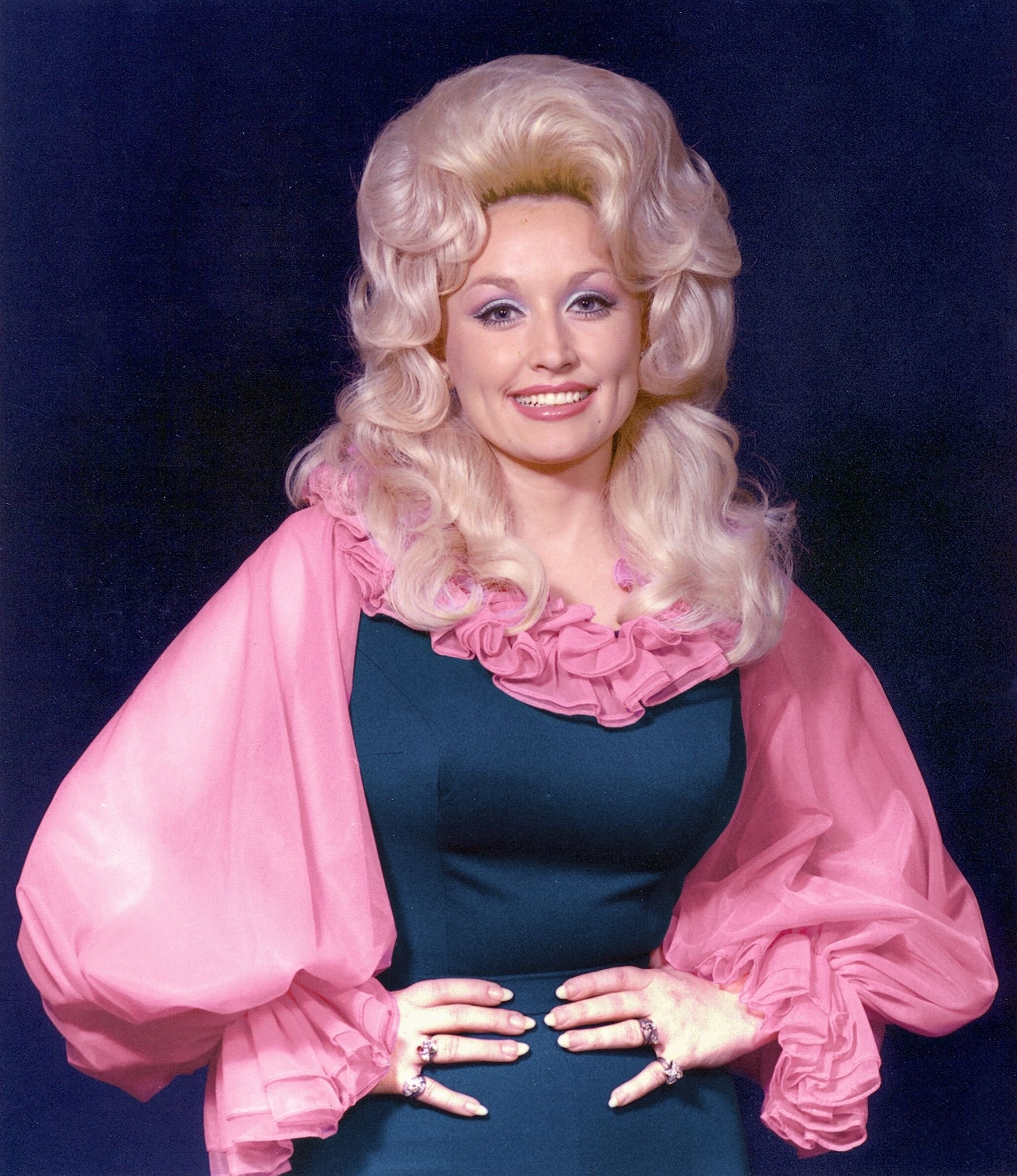
She Bought Property Away From Nashville’s Famous Music Row
In a 2021 appearance on Watch What Happens Live With Andy Cohen, Parton was asked what she had done with the money from Houston’s version.
Her answer revealed a story she had rarely discussed.
Parton said she bought a large office complex in Nashville.
But she did not choose a flashy location in the center of the city’s famous country-music industry.
Instead, she purchased property in an area that was then predominantly home to Black residents and businesses, away from the traditional Music Row corridor around 16th Avenue.
Parton remembered looking at the neighborhood and feeling that the location was somehow appropriate because the money had come through Houston’s extraordinary success.
She described wanting to be around “her people, who are my people as well.”
The property became both a business investment and, in Parton’s mind, a tribute.
That was when she gave it the nickname:
“The house that Whitney built.”
It Was a Very Dolly Parton Way of Thinking About Money
Parton’s decision fits a pattern that became increasingly visible throughout her career.
She was an exceptionally successful businesswoman.
She built Dollywood, owned valuable music publishing rights and turned her name into an entertainment and tourism empire.
But she repeatedly described money as most meaningful when it could be connected to something personal.
Her most famous charitable project, Dolly Parton’s Imagination Library, began in 1995 in Tennessee and grew into an international literacy program delivering free books to children from birth until age five.
Parton created it partly in honor of her father, Robert Lee Parton, who had never learned to read or write.
By the time of her death in August 2026, the program had distributed more than 300 million books across multiple countries.
Her giving extended much further.
She provided direct assistance to families after the devastating 2016 Tennessee wildfires, donated to medical research, contributed $1 million toward work that helped support development of Moderna’s COVID-19 vaccine and later gave money to communities affected by Hurricane Helene.
In 2022, those efforts helped earn her the Carnegie Medal of Philanthropy.
Parton often insisted that her donations needed to mean something personally rather than simply function as financial transactions.
The Whitney Houston royalties are a perfect example.
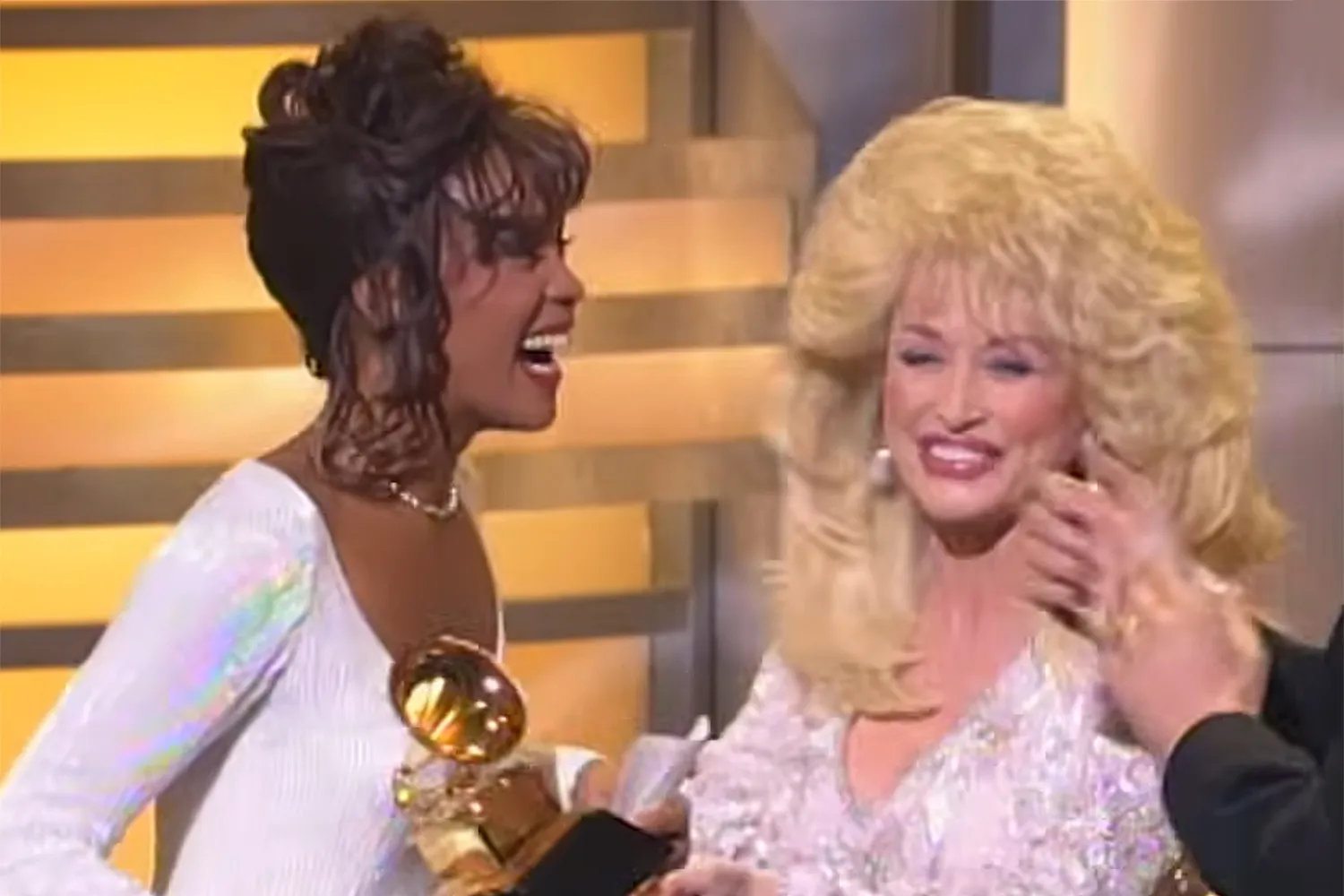
Dolly Never Treated Whitney’s Version Like Competition
Another striking part of the story is the absence of rivalry.
Artists can become protective when someone else records a song they wrote — particularly when the cover becomes more famous than the original.
Parton did not appear threatened by Houston’s success.
She celebrated it.
After Houston died in 2012, Parton spoke emotionally about how permanently their names had become linked through the song.
For many country listeners, “I Will Always Love You” would always belong to Dolly.
For millions of pop listeners, it was Whitney’s song.
Parton seemed perfectly comfortable allowing both truths to exist.
Houston herself had worried about how Parton would react to the radical new arrangement. She later said Parton’s approval meant a great deal to her.
The two performances did not cancel each other out.
They created two separate legacies from the same composition.
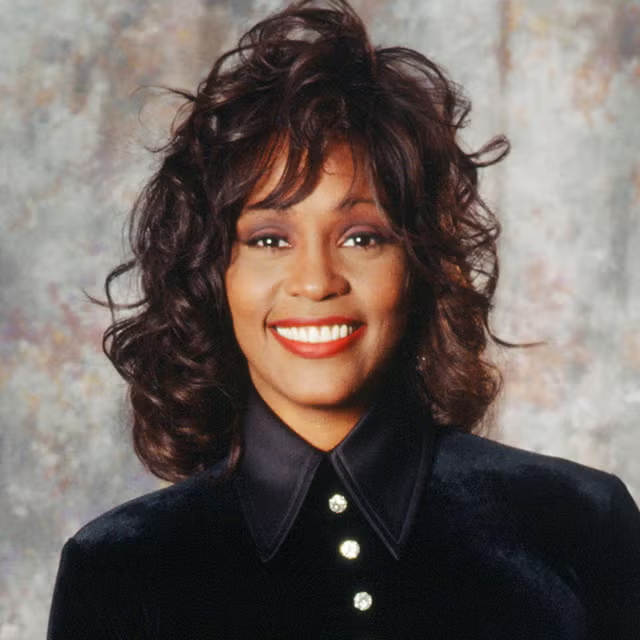
The Song Kept Growing Decades Later
Houston’s recording never truly disappeared.
In June 2025, more than 30 years after its original release, the Recording Industry Association of America upgraded “I Will Always Love You” to 11-times Platinum in the United States.
At the same time, The Bodyguard soundtrack reached 19-times Platinum, extending its status as the most highly certified film soundtrack in RIAA history.
By then, Parton and Houston’s connection through the song had outlived the era that created it.
Houston died in 2012 at age 48.
Parton died on Aug. 25, 2026, at age 80.
But the strange path of “I Will Always Love You” remains one of the clearest demonstrations of how a song can keep changing meaning.
It began as Dolly Parton’s goodbye to one professional partnership.
Nearly two decades later, Whitney Houston turned it into an international anthem.
That performance made Parton millions.
And rather than viewing the money as simply another royalty check, Parton found a way to tie part of it permanently back to the woman whose voice had created it.
Somewhere in Nashville, a business decision became a memorial long before anyone realized it would need to be one.
To Dolly Parton, it was never just an office complex.
It was the house that Whitney built.