10 Prison Break Characters Fans Will Never Forget — From T-Bag’s Chaos to Michael Scofield’s Impossible Plans

A tattooed engineer deliberately walks into prison. His brother is days away from execution. A mob boss wants information, a ruthless inmate wants control, a correctional officer watches every move, and somewhere outside the walls a conspiracy is making sure nobody gets too close to the truth.
That combination made Prison Break one of television’s most addictive dramas after its 2005 debut.
Yet the elaborate escapes were only part of the reason viewers kept returning. The series surrounded Michael Scofield and Lincoln Burrows with characters who could shift from enemy to ally—or back again—with almost no warning.
Some were lovable. Some were terrifying. Several became far more complicated than they first appeared.
Here are the 10 Prison Break characters who left the deepest mark.
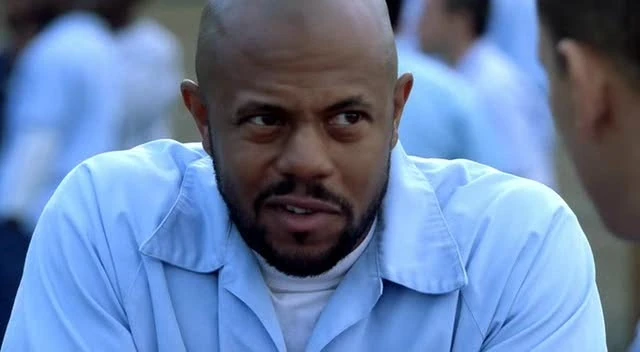
10. Benjamin Miles “C-Note” Franklin — Rockmond Dunbar
C-Note initially seems like another obstacle Michael must manage while secretly preparing the Fox River escape.
Then viewers discover what really drives him.
A former soldier, C-Note hides the truth about his imprisonment from his wife and desperately wants to return to his family. Once he escapes with the Fox River Eight, survival becomes inseparable from his attempts to reunite with them.
Rockmond Dunbar gave C-Note something the show desperately needed: perspective.
For Michael, escape is a carefully engineered mission. For C-Note, it is ultimately about getting home.
His return in the 2017 revival also made him one of the original Fox River characters whose loyalty to Michael endured years after their first escape.
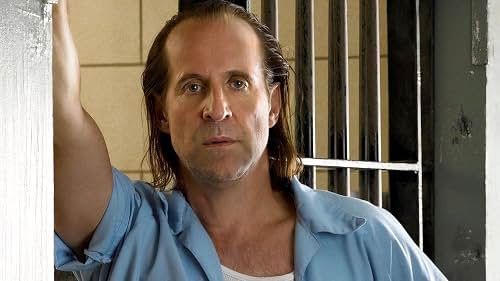
9. John Abruzzi — Peter Stormare
Before T-Bag became the most unpredictable man in Fox River, John Abruzzi looked like the inmate nobody wanted to cross.
Peter Stormare played the imprisoned mob boss with intimidating calm.
Michael needs Abruzzi because his prison work program provides access to crucial areas involved in the escape. Abruzzi, meanwhile, needs Michael because he believes Michael can lead him to Otto Fibonacci, the witness who helped put him behind bars.
Their alliance is therefore never really friendship.
It is leverage.
Abruzzi does not remain in the story as long as many other characters, but his presence helped establish the danger of Season 1. Michael could design the perfect escape route, but first he had to survive negotiations with men far more dangerous than the blueprints suggested.
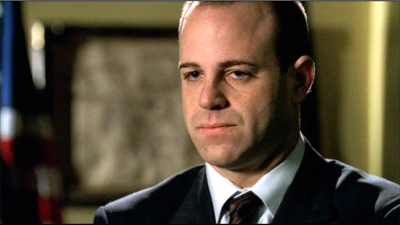
8. Paul Kellerman — Paul Adelstein
Kellerman is one of Prison Break’s best examples of how quickly the show could change the audience’s relationship with a character.
He begins as a government operative working behind the scenes to ensure the conspiracy surrounding Lincoln Burrows remains hidden.
For much of the early series, that makes him one of the brothers’ most dangerous enemies.
Then his position changes.
The man who once helped hunt Lincoln and Michael eventually becomes useful to them, demonstrating one of the show’s recurring ideas: alliances are rarely permanent.
Paul Adelstein made Kellerman convincing in both roles. He could appear cold enough to carry out terrible orders, yet complicated enough that his later decisions did not feel like a completely different character.
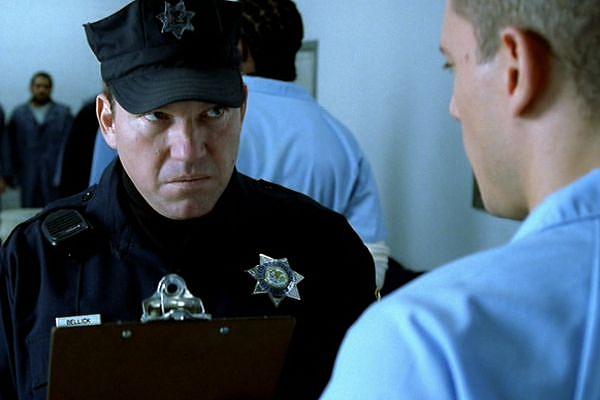
7. Brad Bellick — Wade Williams
Few characters changed more dramatically than Brad Bellick.
At Fox River, Captain Bellick appears to represent nearly everything wrong with the prison’s power structure. He is bullying, suspicious and frequently cruel, making Michael’s escape preparations far more difficult.
Then the world flips.
Bellick loses his authority.
At different stages he becomes a hunter, a prisoner and eventually someone forced to survive alongside people he once controlled.
That humiliation changes him.
By the fourth season, the man viewers once loved to hate is capable of a sacrifice that gives his storyline unexpected emotional weight.
Wade Williams turned what could have remained a one-dimensional prison guard into one of the show’s strangest redemption arcs.
6. Dr. Sara Tancredi — Sarah Wayne Callies
Sara begins with one seemingly simple function in Michael’s plan.
He needs regular access to the prison infirmary.
But Michael’s relationship with the Fox River doctor quickly becomes something he cannot reduce to another line on his blueprint.
Sara is drawn to him while sensing that he is hiding something. When she eventually learns the scale of the escape plan, she faces choices capable of destroying her career and changing her entire life.
Their relationship becomes one of the show’s emotional anchors.
Michael can calculate distances, schedules and weaknesses in prison security.
Sara represents what he cannot fully calculate.
By the 2017 revival, their relationship—and the family they built—had become central to explaining why Michael was still fighting to escape another impossible situation.

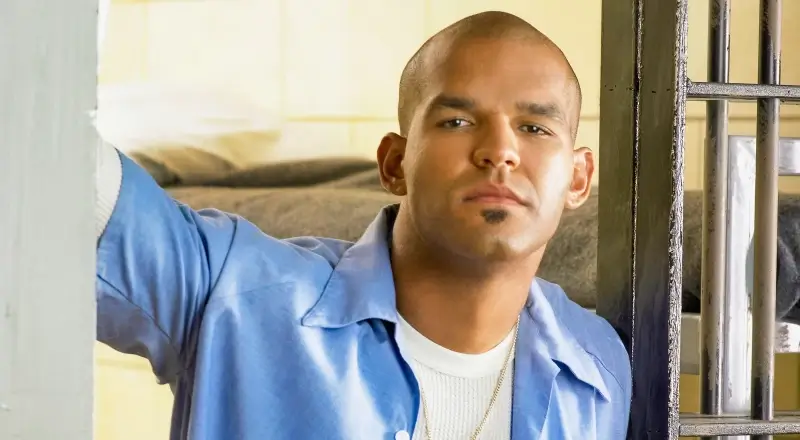
5. Fernando Sucre — Amaury Nolasco
Michael Scofield needed a cellmate.
He found a brother.
Fernando Sucre begins the series with a much simpler ambition than almost everyone surrounding him. He wants to get out and return to Maricruz, the woman he loves.
His loyalty to Michael, however, eventually becomes just as important.
Sucre provides humor without becoming merely comic relief. He panics when Michael seems impossibly calm, questions plans that sound insane and repeatedly follows his friend into situations that could get them both killed.
That makes him one of the show’s most human characters.
When conspiracies and secret organizations make Prison Break increasingly complicated, Sucre remains refreshingly understandable.
He loves deeply.
He is loyal.
And when Michael needs him, he usually shows up.
4. Lincoln Burrows — Dominic Purcell
Without Lincoln, none of Prison Break happens.
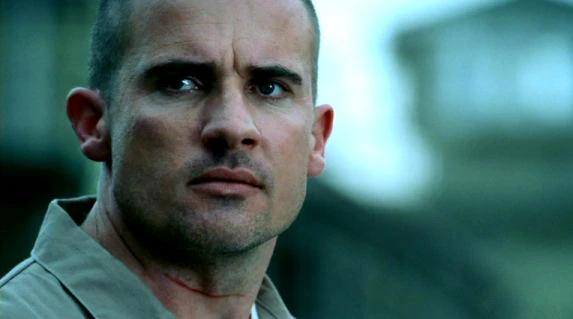
Dominic Purcell’s character begins the series on death row, convicted of murdering Terrence Steadman—a crime Lincoln insists he did not commit.
His younger brother believes him.
Michael believes so strongly that he gives up his career and freedom, commits a crime and enters Fox River with a prison escape mapped across his body.
Lincoln is very different from Michael.
Where Michael is analytical and controlled, Lincoln is physical, emotional and quick to act. That contrast makes their relationship work.
The series repeatedly expands beyond the original death-row storyline, but the emotional logic remains surprisingly simple.
Two brothers refuse to abandon each other.
Whatever impossible conspiracy or prison comes next, Michael and Lincoln keep fighting because family is the one thing neither is willing to leave behind.
3. Alexander Mahone — William Fichtner
Season 2 needed an opponent intelligent enough to make Michael afraid.
It found him in Alexander Mahone.
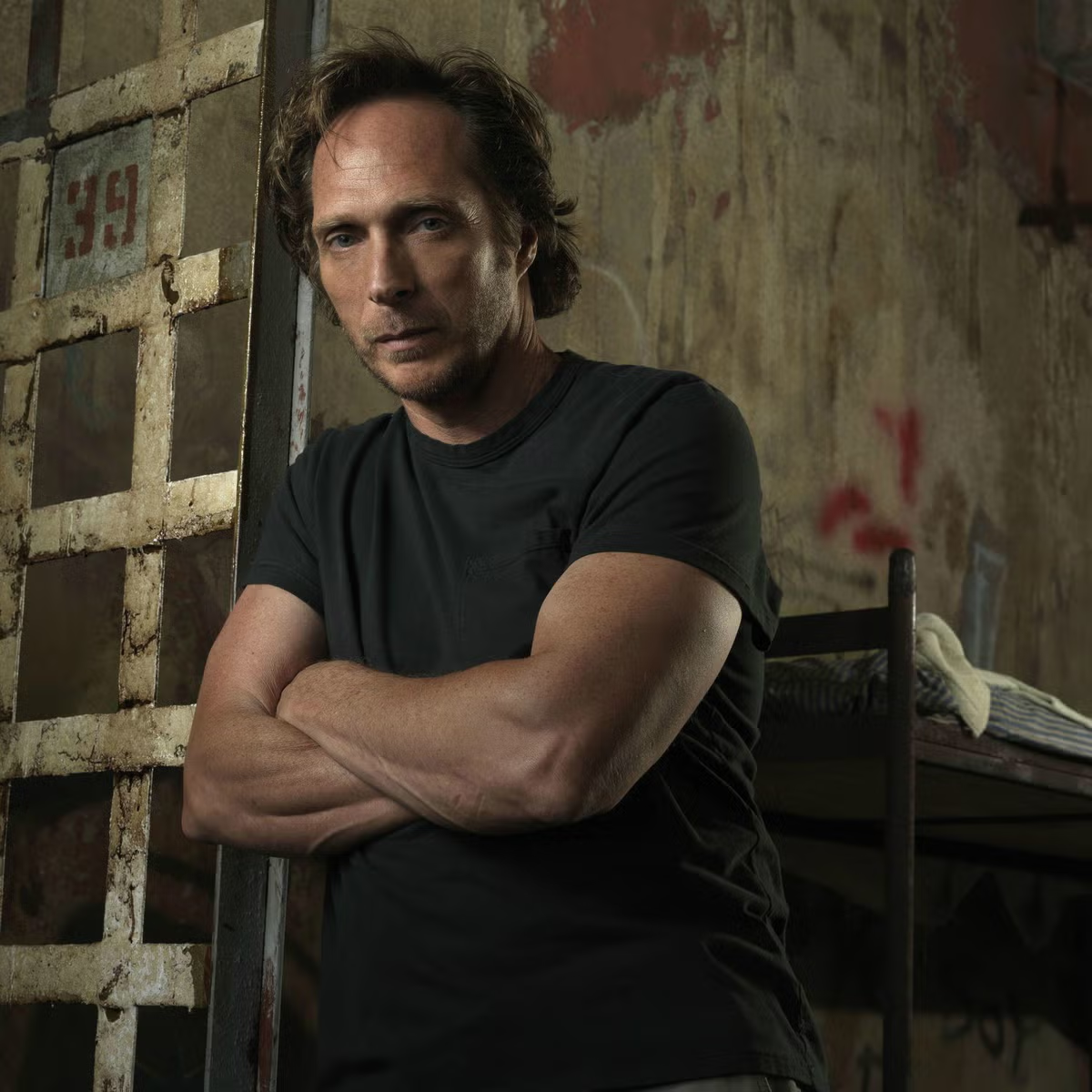
William Fichtner’s FBI agent studies the escaped prisoners with almost the same precision Michael used to study Fox River.
Mahone recognizes patterns.
He understands Michael’s thinking.
Most importantly, he realizes that catching Scofield requires anticipating the plan rather than simply following the fugitive.
That immediately made him different from a conventional television detective.
But Mahone becomes much more than a hunter.
His own secrets, addiction, family tragedy and manipulation by powerful people gradually reveal a broken man behind the relentless investigator.
Eventually, Michael and Mahone move from adversaries toward alliance.
Few characters traveled farther without losing what originally made them compelling.
2. Theodore “T-Bag” Bagwell — Robert Knepper
T-Bag is horrifying.
He is also almost impossible to forget.
Robert Knepper’s Theodore Bagwell enters Fox River as a dangerous predator whose presence immediately complicates Michael’s escape plans.
Michael does not want him involved.
T-Bag makes sure Michael has no choice.
That dynamic becomes a pattern.
Again and again, other characters believe they have finally escaped him, defeated him or outmaneuvered him.
Somehow, T-Bag survives.
His intelligence makes him more frightening than a simple brute. He reads weaknesses quickly, manipulates people and can shift between charm and menace within seconds.
The series also gives him occasional flashes of vulnerability without pretending they erase what he has done.
That balance helped make T-Bag one of television’s most recognizable villains of the era.
Viewers were rarely happy to see him.
But they were rarely bored when he arrived.
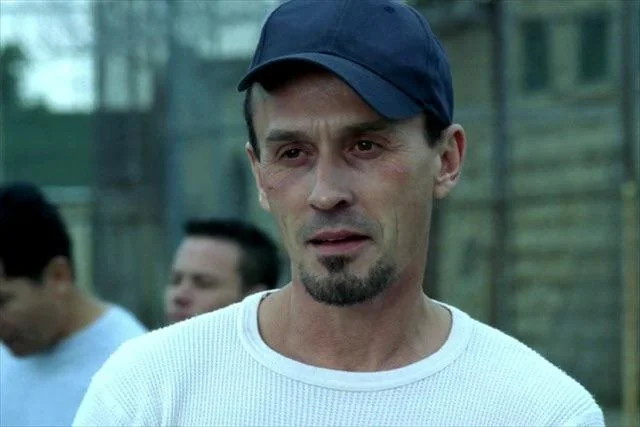
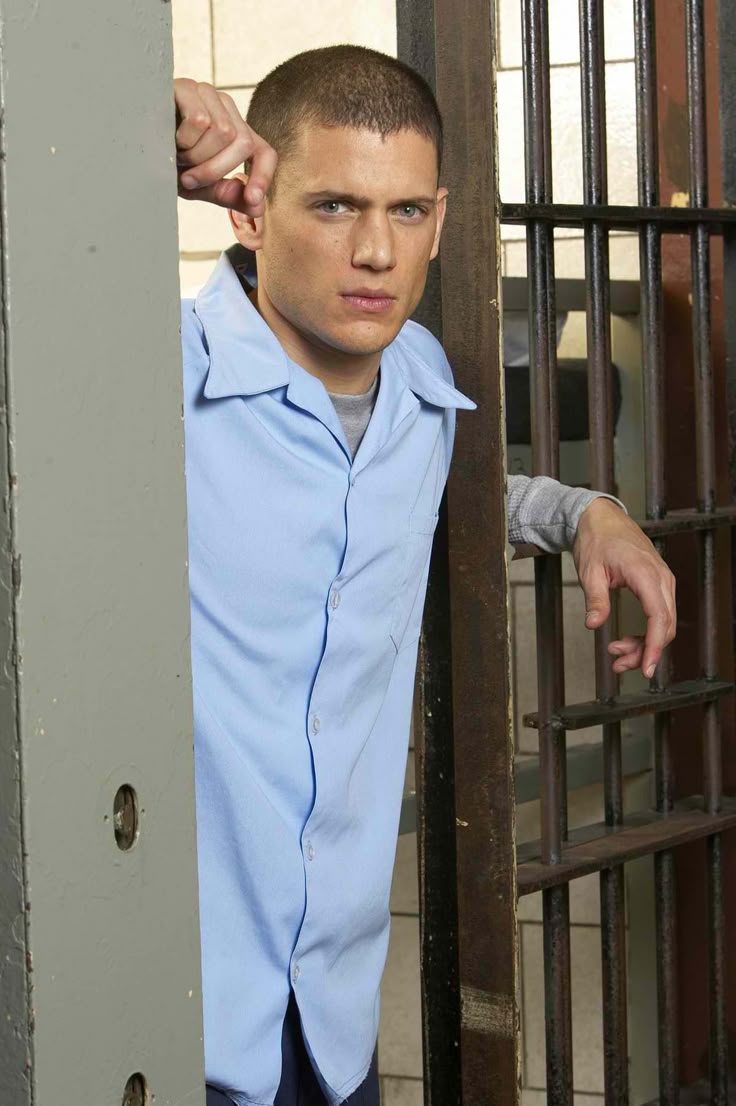
1. Michael Scofield — Wentworth Miller
There could only be one No. 1.
Michael Scofield did not simply lead Prison Break. He was its central idea in human form.
Wentworth Miller plays Michael with an unusual stillness. While everyone around him panics, threatens or fights, Michael is usually calculating.
How long until the guards return?
Which wall needs to come down?
Who knows the information he needs?
What does the tattoo reveal?
His intelligence created the show’s famous cliffhangers because viewers gradually learned that an apparent disaster might already be part of another plan.
Yet intelligence alone would have made Michael cold.
What made him memorable was the reason behind every calculation.
He entered Fox River for Lincoln.
He repeatedly endangered himself for Sara.
He became loyal to people like Sucre.
And as the series continued, his greatest plans increasingly demanded personal sacrifice.
The original premise could be described in one sentence: a man gets himself imprisoned so he can break out his innocent brother.
Twenty years later, that remains one of television’s great hooks.
But Prison Break lasted because Fox River filled that premise with characters viewers cared about, feared, hated and sometimes unexpectedly forgave.
Bellick changed.
Mahone went from hunter to ally.
Sucre became family.
T-Bag seemed capable of surviving anything.
Lincoln kept fighting.
But Michael Scofield remained the person everyone ultimately watched.
The prison may have provided the walls.
Michael was always the escape.