Mother Tells Daughter to Stay Away From Former Friend’s Funeral After a False Cheating Accusation Tore Their Lives Apart
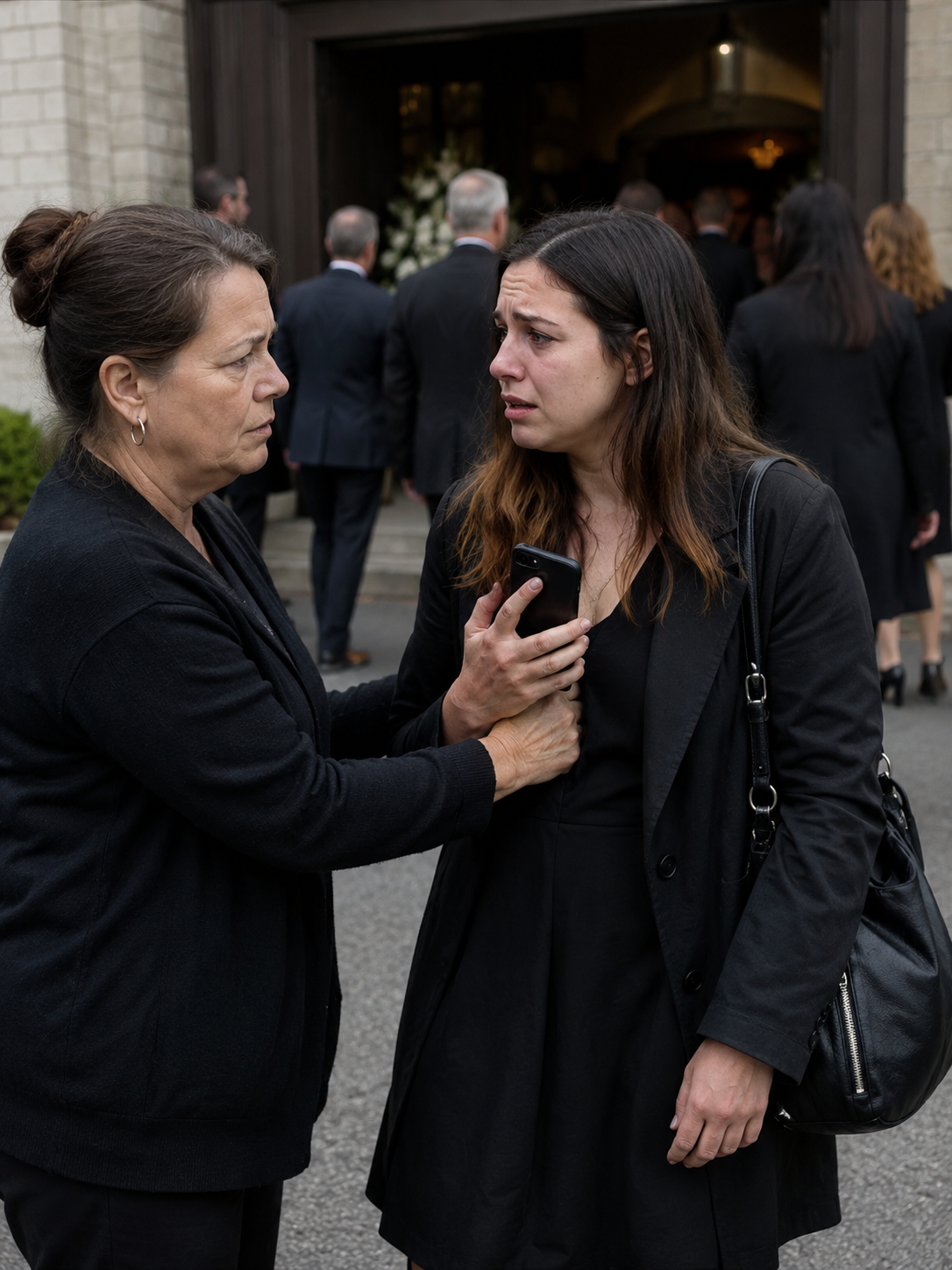
Seven years after a friendship ended in accusation, humiliation and permanent estrangement, one woman believed she still had a place at her former friend’s funeral.
Her mother strongly disagreed.
The painful dispute began after the mother learned that a woman named Kelly had recently died. Her daughter, who had once been one of Kelly’s closest friends, discovered the news through Facebook and immediately began planning to travel two states away for the funeral.
Under ordinary circumstances, attending might have seemed natural. The two women had known each other since their school years, remained close through college and shared major milestones. The daughter had even served as a bridesmaid at Kelly’s wedding.
But their relationship had ended years earlier in a way Kelly apparently never forgave.
And according to the mother, her daughter had been responsible for the destruction of that friendship.
A Suspicion That Became a Public Accusation
The conflict began about seven years earlier, when the daughter saw Kelly dining with a man at an upscale restaurant.
She became convinced Kelly was having an affair.
That suspicion carried particular emotional weight for the daughter because of her own family history. Her father had repeatedly cheated on her mother, and the marriage ended badly. The daughter eventually stopped speaking to him and developed an intense hatred of infidelity.
What happened next went far beyond privately questioning Kelly.
According to the mother, her daughter began harassing Kelly online and spreading the belief that she was cheating on her husband.
The accusation traveled.
Kelly lived in what the mother described as a very religious community where adultery was heavily condemned. Once the story circulated, people began turning against her.
Then came the devastating discovery: the man Kelly had been seen with was not a romantic partner at all.
He was a relative.
But learning the truth did not restore what had already been lost.
By then, the mother said, Kelly’s marriage had fallen apart and her reputation had been badly damaged. Members of the community had ostracized her, and correcting the original accusation was not enough to erase what people had already heard.
The friendship collapsed as well.
Kelly blocked the daughter on every platform and eventually moved away. The mother said Kelly came to hate her former friend, while Kelly’s mother made it equally clear that she had not forgiven what happened.
Gossip Could Not Simply Be Taken Back
In later discussion about the situation, the mother explained why she believed the false story had spread so effectively.
Kelly, she said, already had a less favorable reputation in their community, while her daughter was generally viewed more positively. That imbalance meant people were quicker to believe the accusation coming from her daughter.
Even after the truth emerged, the damage remained.
As the mother put it, once a damaging story had been released into the world, it could not simply be placed back into a bottle. Future acquaintances might hear the allegation before ever meeting Kelly, allowing an accusation that had already been disproved to continue shaping first impressions.
The mother also acknowledged a troubling imbalance in how infidelity was judged around her.
Her former husband had lost friends because of his actual affairs, she said, but a married woman involved with him was subjected to even more severe social rejection. In her view, women in the community were often judged more harshly than men in similar situations.
For Kelly, however, the cruelty of that dynamic was even more painful because the original accusation against her was false.
Years Later, Death Reopened Everything
The two former friends remained separated.
Then Kelly died.
The mother did not provide details about the cause of death, but said her daughter found out from a Facebook post. When she learned the funeral would take place that weekend, two states away, she decided she wanted to attend.
Her mother immediately told her it was a bad idea.
The daughter insisted that Kelly had once been her friend and argued that she had every right to mourn her death and be present at the service.
That was when the disagreement became much harsher.
The mother told her daughter she did not believe she had the right to mourn Kelly or attend the funeral after what she had done. Kelly had died still hating her, she argued, and her daughter had played a central role in the devastation that followed the false accusation.
The daughter stopped speaking to her mother after the confrontation.
That silence left the mother with another decision: should she contact Kelly’s relatives and warn them that the woman they blamed for so much pain might unexpectedly appear at the funeral?
One Distinction Changed the Debate
The mother received overwhelming support for trying to keep her daughter away from the service, but many people drew an important distinction between attending a funeral and experiencing grief.
A person cannot necessarily be forbidden from mourning someone, several commenters argued.
The daughter could still feel sadness over Kelly’s death. She could grieve the friendship they once had, regret her own actions or mourn the fact that Kelly’s death permanently eliminated any possibility of reconciliation.
But those emotions did not automatically entitle her to enter a space where Kelly’s closest loved ones were grieving.
One commenter summarized the divide clearly: the daughter was free to mourn, but she should do so privately.
Others suggested alternatives. She could remember Kelly at home, visit the grave after the funeral or find another private way to acknowledge her death without forcing Kelly’s family to confront her during one of their most painful moments.
That became the central moral question surrounding the story.
Was attending the funeral truly about honoring Kelly—or was it about relieving the daughter’s guilt?
A Funeral Cannot Guarantee Forgiveness
Several reactions focused on the possibility that the daughter wanted something Kelly could no longer give her: closure.
If she carried guilt over what happened, seeing Kelly laid to rest might feel like one final opportunity to confront the past. But Kelly’s family would not necessarily experience her presence as an act of remorse.
They could experience it as another intrusion.
Commenters repeatedly urged the mother to warn relatives ahead of time so they would not be surprised by her arrival. Some suggested the family or funeral home could then decide whether she should be allowed inside.
Others were less absolute about the mother’s words.
They agreed that attending would be inappropriate but felt telling someone she had no “right” to mourn went too far. Grief, they argued, is an emotion rather than a privilege another person can revoke.
The daughter could genuinely regret losing Kelly and still have no place at the funeral.
Both things could be true.
The Consequence That Cannot Be Undone
The tragedy of the situation reaches beyond one argument between a mother and daughter.
Two women once shared enough of their lives that one stood beside the other at her wedding. Then a conclusion drawn from seeing Kelly at dinner with another man grew into a public accusation before the truth was understood.
When that truth finally emerged, the friendship was already gone.
Now Kelly’s death means there can never be a future conversation, apology or reconciliation between them.
The daughter may have to carry that reality without the forgiveness she wants—or perhaps without ever knowing whether forgiveness might eventually have been possible.
Her mother’s message was severe because the history between the women was severe: whatever grief her daughter feels today cannot erase the pain Kelly and her family experienced years earlier.
She can mourn the friend she once had.
But the funeral belongs to the people Kelly left behind, and sometimes genuine remorse means accepting that the most respectful thing a person can do is stay away.