At 19, Jade Kops Asked Her Tumor for More Time — Two Weeks Later, Her Family Said Goodbye
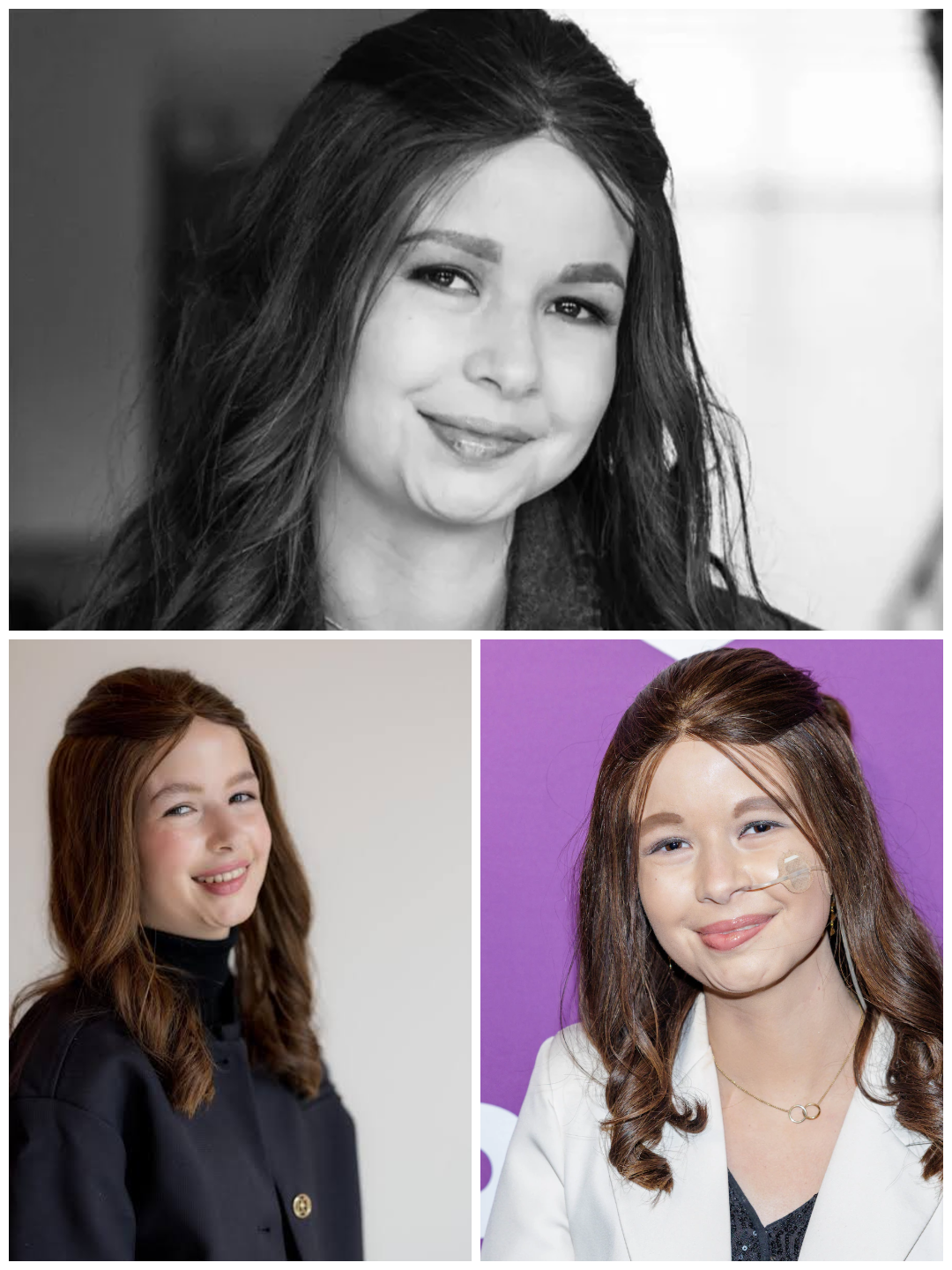
Two weeks before she died, Jade Kops wrote directly to the tumor in her throat.
She did not ask for a miracle.
She asked for time.
More mornings. More moments with the people she loved. More chances to feel like herself before the illness took anything else away.
Kops, a 19-year-old Dutch content creator, had been living with rhabdomyosarcoma since she was 14. For years, she documented parts of that experience publicly, raising awareness about childhood cancer and eventually writing a bestselling book, Voor Altijd Jong — Forever Young.
By April 2026, however, the disease had progressed dramatically.
Her symptoms were worsening. Everyday activities that once felt normal had become exhausting or impossible. She spent much of her time in bed, connected to four medication pumps.
And each night brought the same frightening thought: would she wake up the next morning?
On April 24, her family announced that Jade had died at 5:50 a.m., surrounded by the people closest to her.
She was 19.
Cancer Entered Her Life at 14
Jade was still a young teenager when she was diagnosed with rhabdomyosarcoma, a rare cancer.
Instead of keeping the experience entirely private, she gradually began speaking openly about what treatment and illness were doing to her life.
That openness became part of her identity online.
Over the years, Jade used her platform not simply to document cancer, but to draw attention to childhood cancer more broadly. She also turned her experiences into writing, publishing Voor Altijd Jong.
The title — Forever Young — would later carry an especially painful meaning.
Jade continued growing older, but cancer remained with her.
By early 2026, the illness was no longer something she could discuss from a distance.
It was increasingly controlling her days.
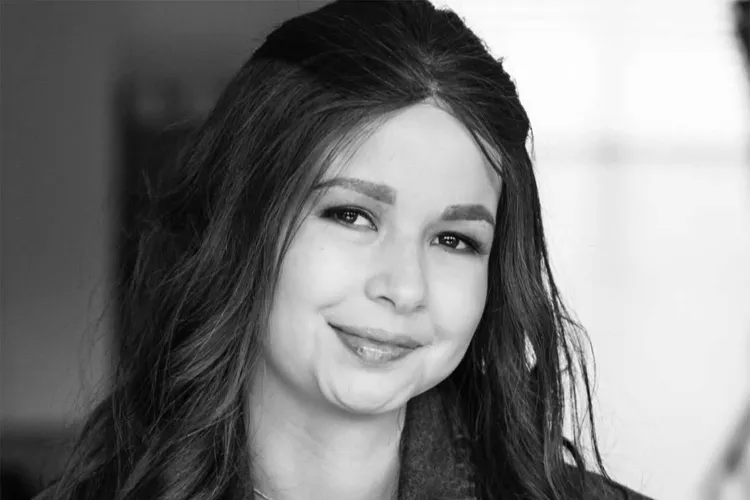
She Chose Her Own Place in the Cemetery
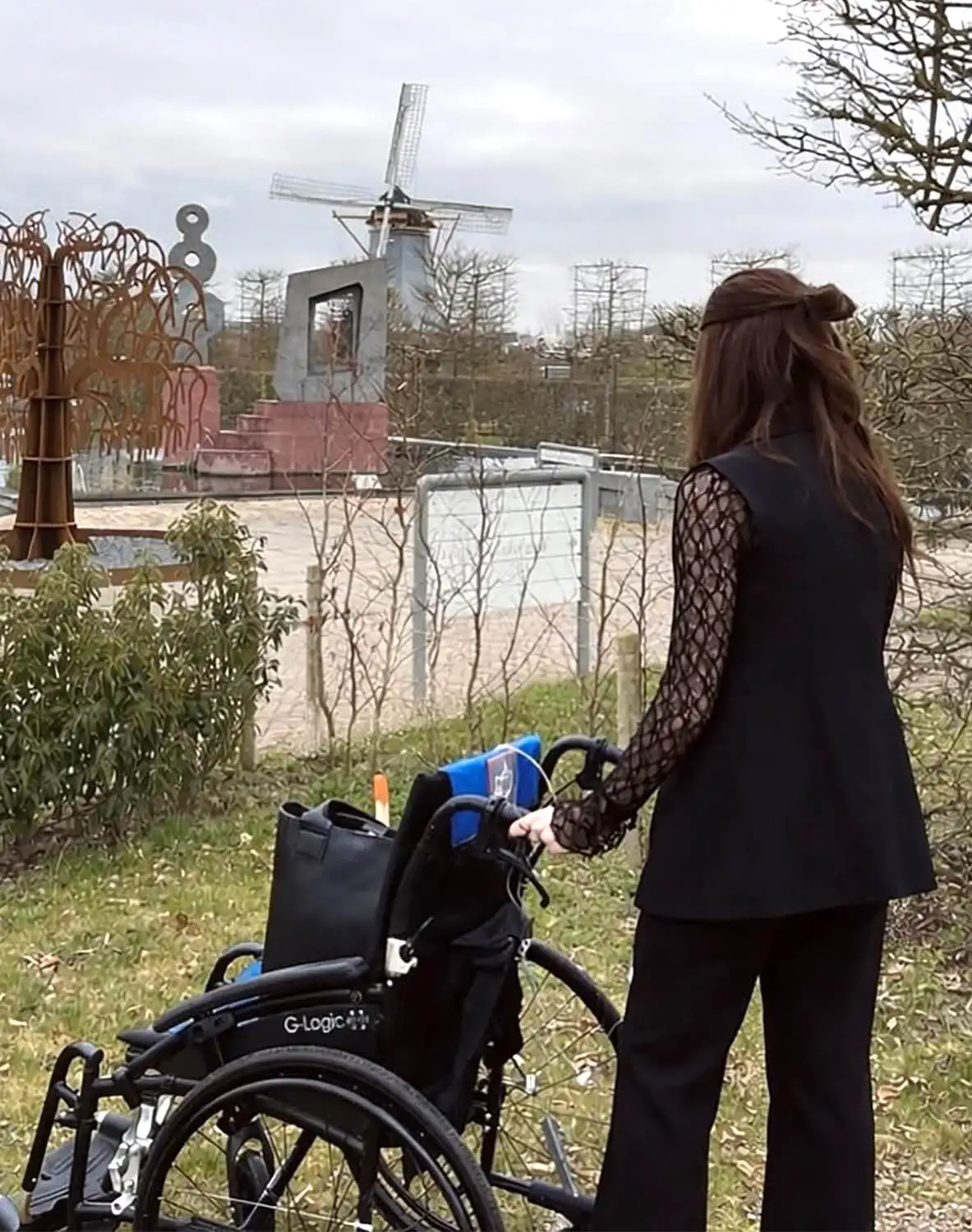
On March 24, exactly one month before her death, Jade shared one of the most difficult decisions of her life.
She had gone to choose the place where she would eventually be buried.
In a photo from that day, she was seen with a wheelchair near the spot she had selected.
Jade described the experience as frightening because it forced her to move emotionally toward an ending she did not want.
At the same time, there was something meaningful about being able to make the choice herself.
She had found what she believed was the most beautiful place available.
But the practical act of choosing it did not make the reality easier.
On the way home, Jade found herself thinking about the fact that her own name would someday appear on a grave there.
That thought filled her with sadness.
It also changed the meaning of waking up.
Every morning she opened her eyes became something to appreciate more deeply.
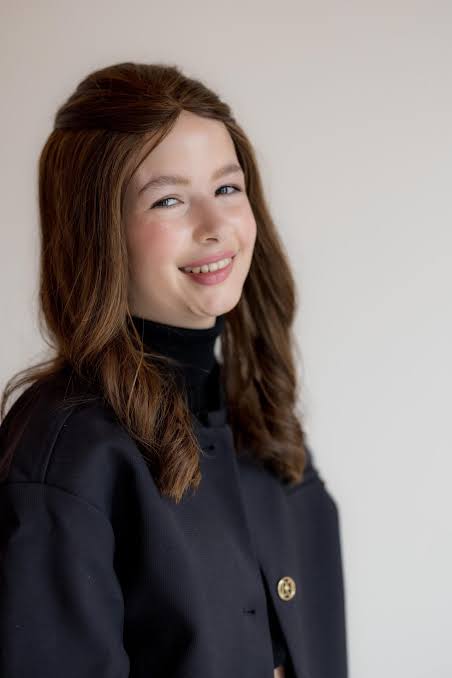
Her Body Was Changing Faster Than She Could Accept
In the weeks that followed, Jade’s condition deteriorated.
Her tumor continued growing, and she described the progression as something that had completely changed her life in only a few months.
Things that once required little thought now demanded enormous effort.
Some became impossible.
She spent long stretches in bed and depended on multiple medication pumps.
Jade also wrote about an emotional loss that was harder to measure than physical symptoms.
She felt as though she had spent many days saying goodbye to the person she used to be.
Cancer was not only threatening her future.
It was steadily changing her present.
That feeling became the foundation of the open letter she shared approximately two weeks before her death.
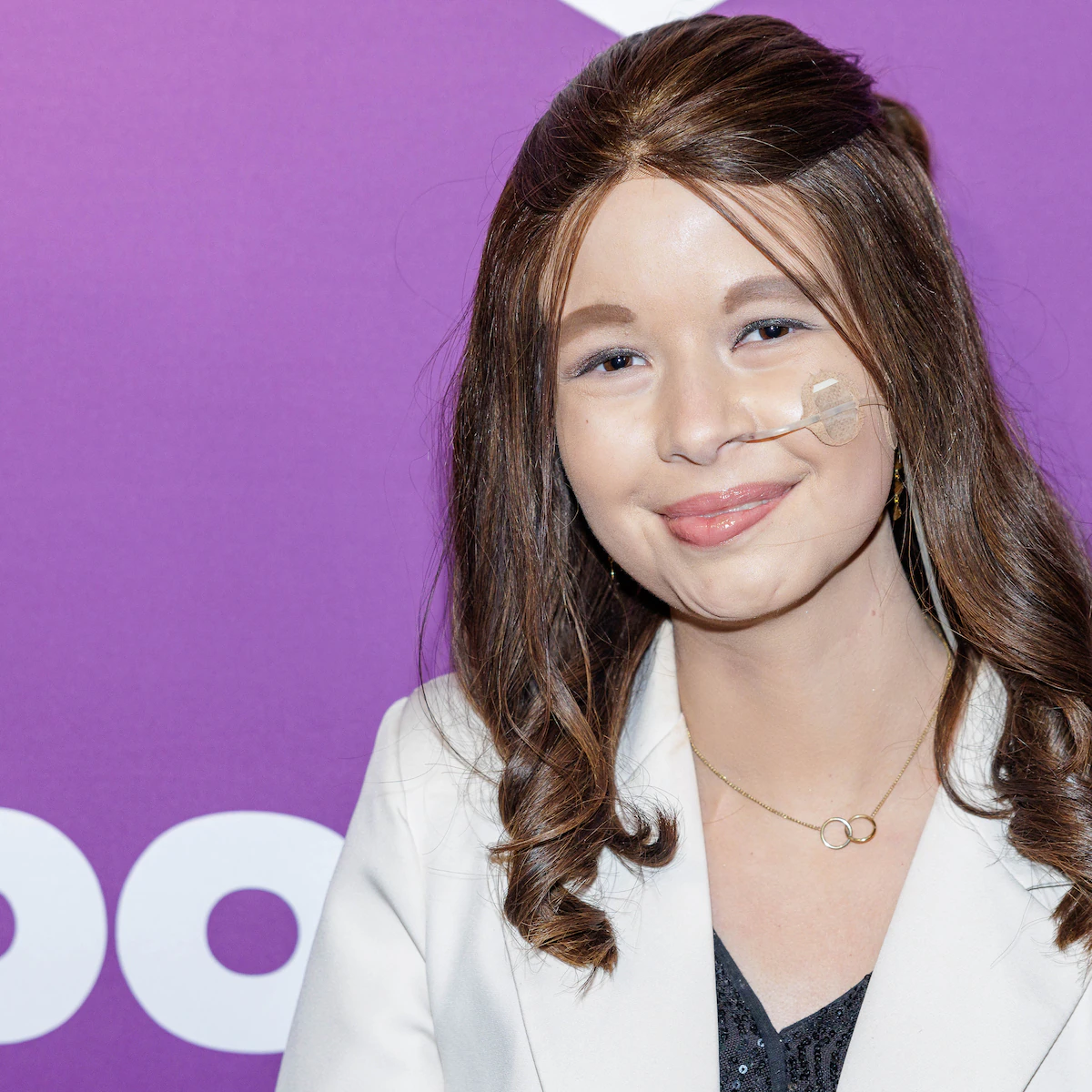
She Wrote to the “Annoying Tumor” in Her Throat
Jade addressed the letter to the tumor itself.
The tone moved between anger, fear, sadness and a desperate kind of bargaining.
She blamed the tumor for the nightmare her life had become.
Her fear was especially intense at night.
“Every night, I am afraid of not waking up the next morning,” she wrote.
The words reflected a reality that had become impossible to avoid.
Jade knew she was getting closer to death.
But knowing that did not mean she was ready for it.
In the letter, she explained that she still felt happiness and still wanted to remain close to the people she loved.
Her request was painfully modest.
If the tumor would not disappear, she asked it at least to slow down.
“Give me time,” she wrote.
She wanted to stay a little longer, feel a little longer and be near the people she loved a little longer.
That distinction is what made the letter so powerful.
Jade was not describing a life without pain.
She was asking to keep that life anyway.
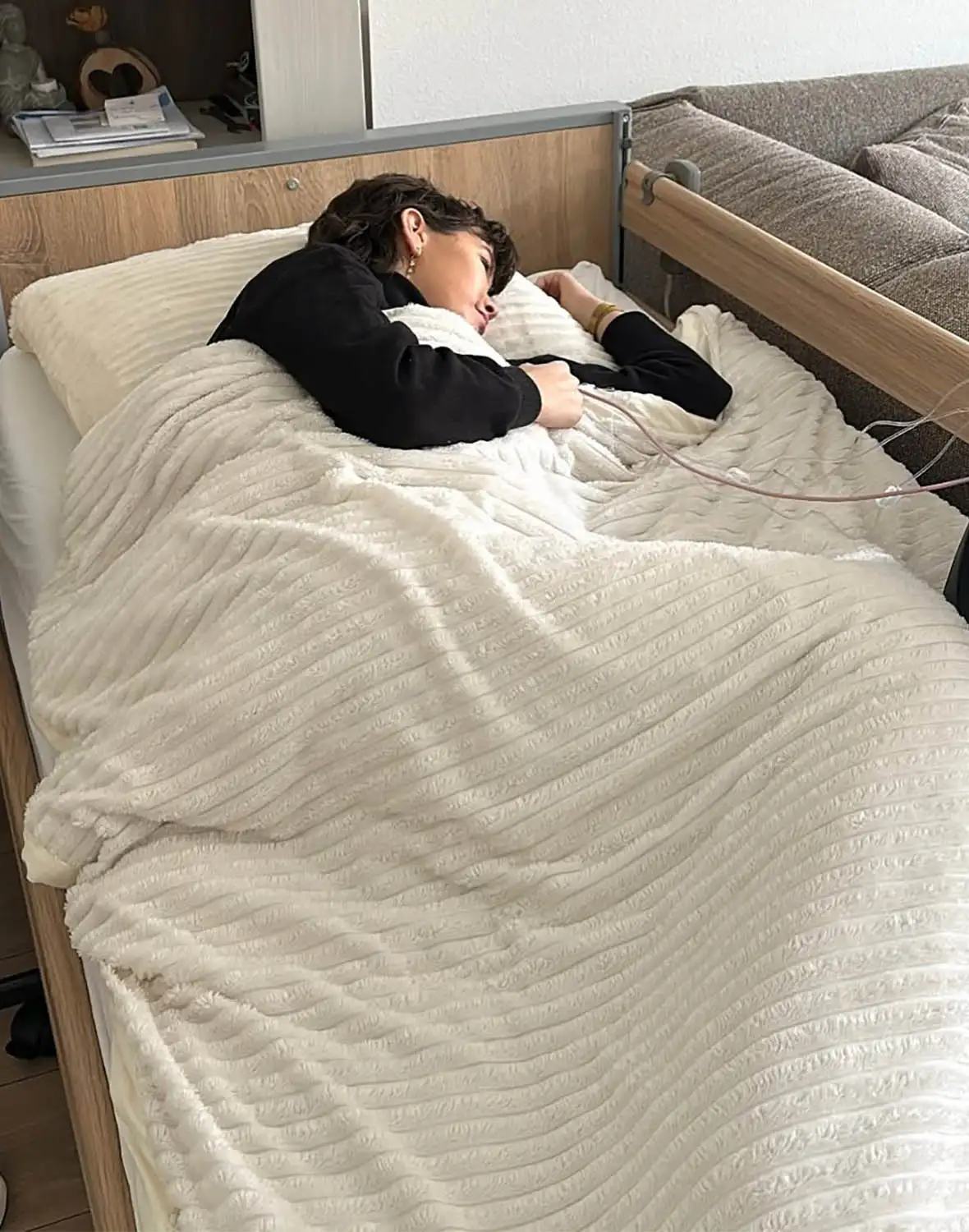
A Photo With Her Brother Accompanied the Letter
Jade shared the message beside an image of herself cuddled next to her brother.
The photograph placed the emotional center of her request in plain view.
The time she wanted was not abstract.
It meant family.
It meant physical closeness.
It meant ordinary moments beside people she was not ready to leave.
For someone who had spent five years living with cancer, Jade had already endured far more uncertainty than most people her age.
Yet her final writing showed that illness had not erased her desire to remain part of everyday life.
She still found reasons to feel happy.
She still wanted tomorrow.
Her Family Was With Her at the End
On Friday, April 24, Jade died.
Her family said she passed away at approximately 5:50 a.m. local time while they were present.
In their announcement, they described themselves as deeply saddened and deeply proud of their daughter and sister.
They also said her farewell and burial would be private.
The place Jade had chosen only weeks earlier would now become part of the family’s goodbye.
Her open letter had asked the tumor for more time.
Ultimately, there were only about two weeks left.
She Left Behind More Than a Cancer Story
Jade’s public life had long been connected to illness, but her final messages were about something larger than cancer.
They were about what time means once it no longer feels unlimited.
At 19, Jade was forced to confront decisions most people postpone for decades.
She chose her burial place.
She watched her physical independence disappear.
She lived with the fear that any night could be her last.
And still, she wrote that she was happy.
That may be the most striking part of the story she left behind.
Jade did not pretend she was unafraid.
She openly admitted that she was terrified.
She did not claim to be ready.
She said the opposite.
But she also continued finding value in waking up, being near family and experiencing whatever ordinary moments remained.
Her book was called Forever Young.
Her life ended at 19.
Yet the message she left in her final weeks was not about being young.
It was about wanting something people of every age understand only when it becomes uncertain:
one more morning, one more conversation, one more embrace — and just a little more time.