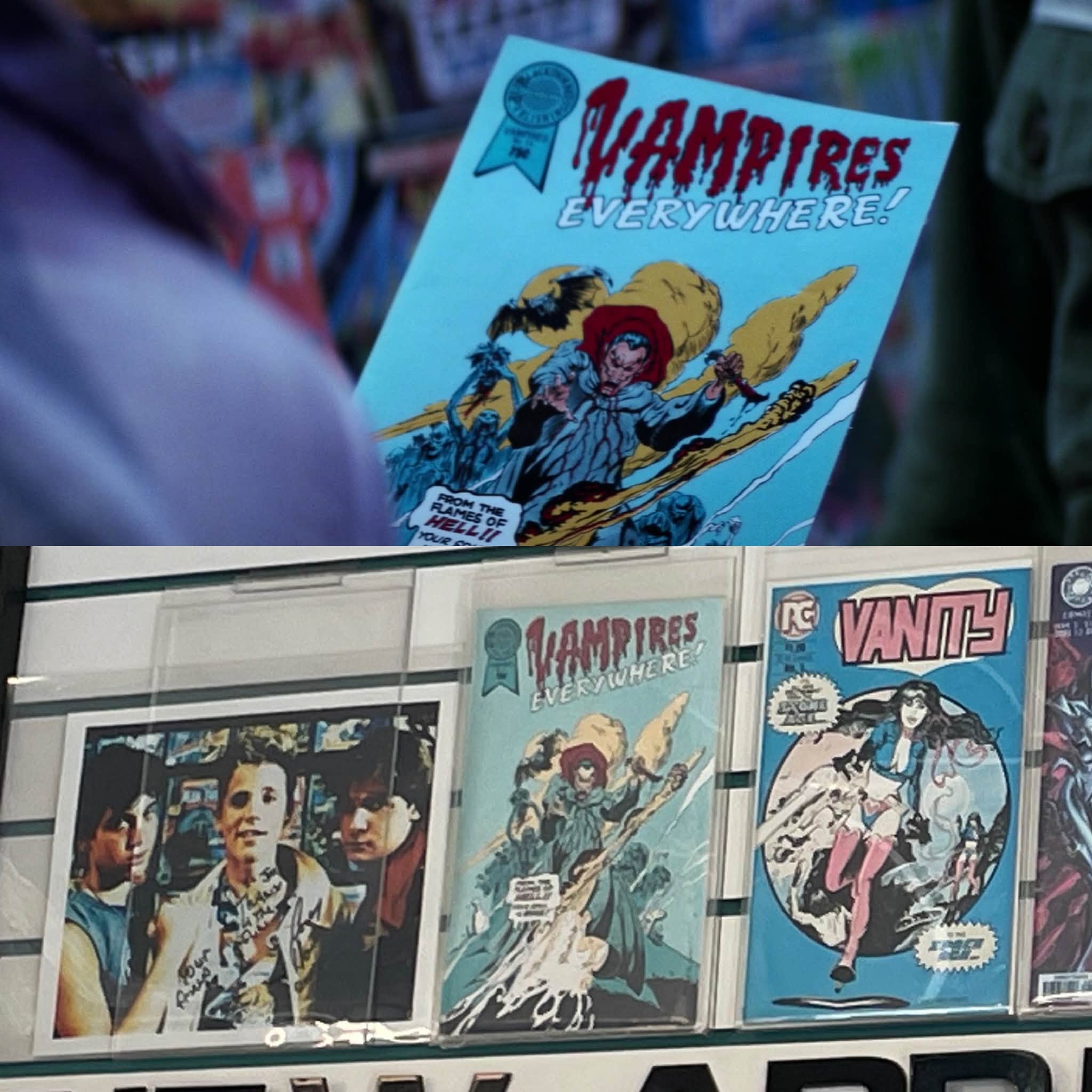
‘The Lost Boys’ Made This California Town Feel Dangerous — Nearly 40 Years Later, Fans Still Come Looking for Santa Carla
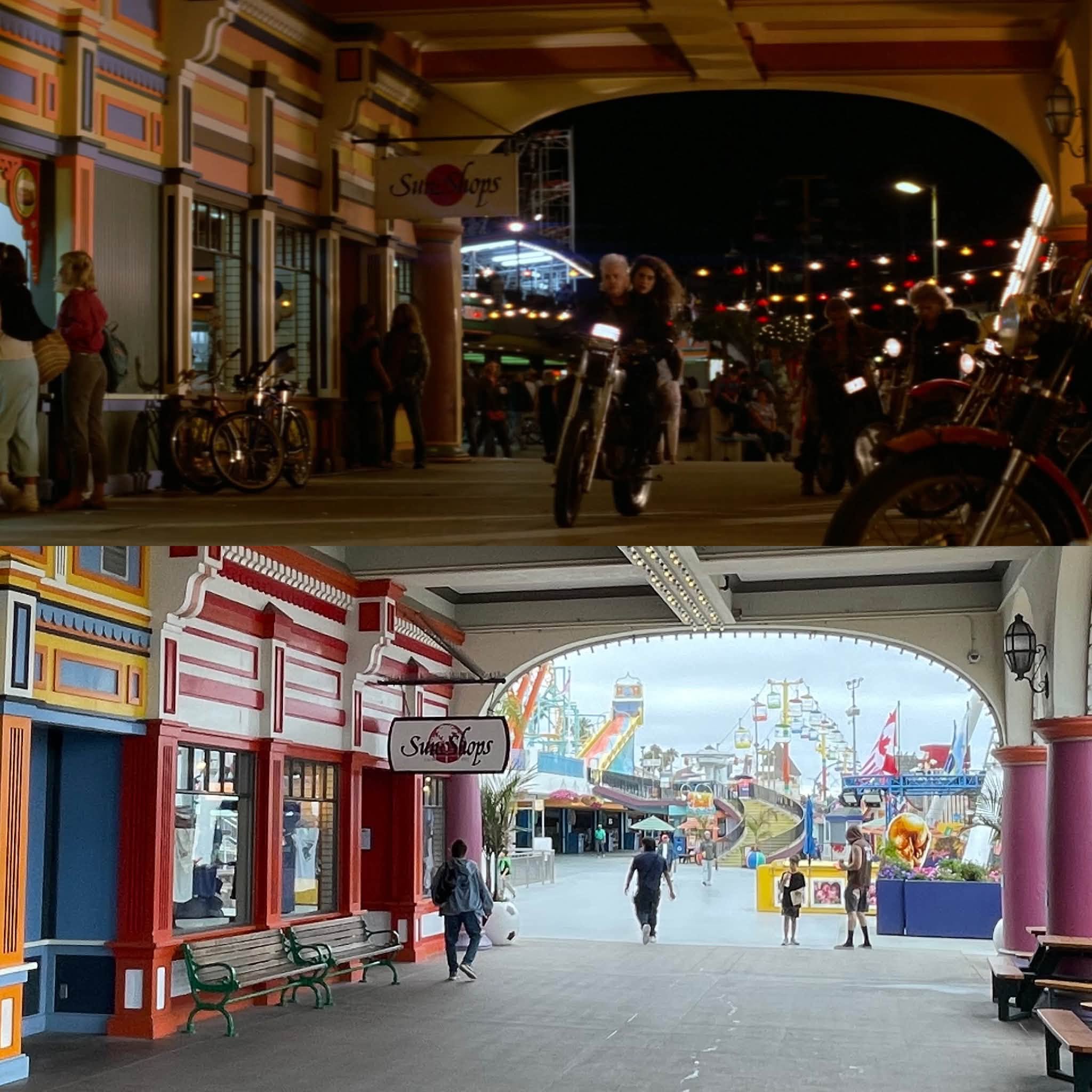
There is no California town called Santa Carla.
But for anyone who grew up watching The Lost Boys, it can feel strangely real.
The neon lights. The crowded boardwalk. The carousel. The motorcycles. The uneasy sense that something dangerous might be hiding just beyond all the summer noise.
Joel Schumacher’s 1987 vampire movie gave its fictional seaside town such a distinctive personality that Santa Carla became almost as memorable as the young actors roaming its streets.
There was a reason for that.
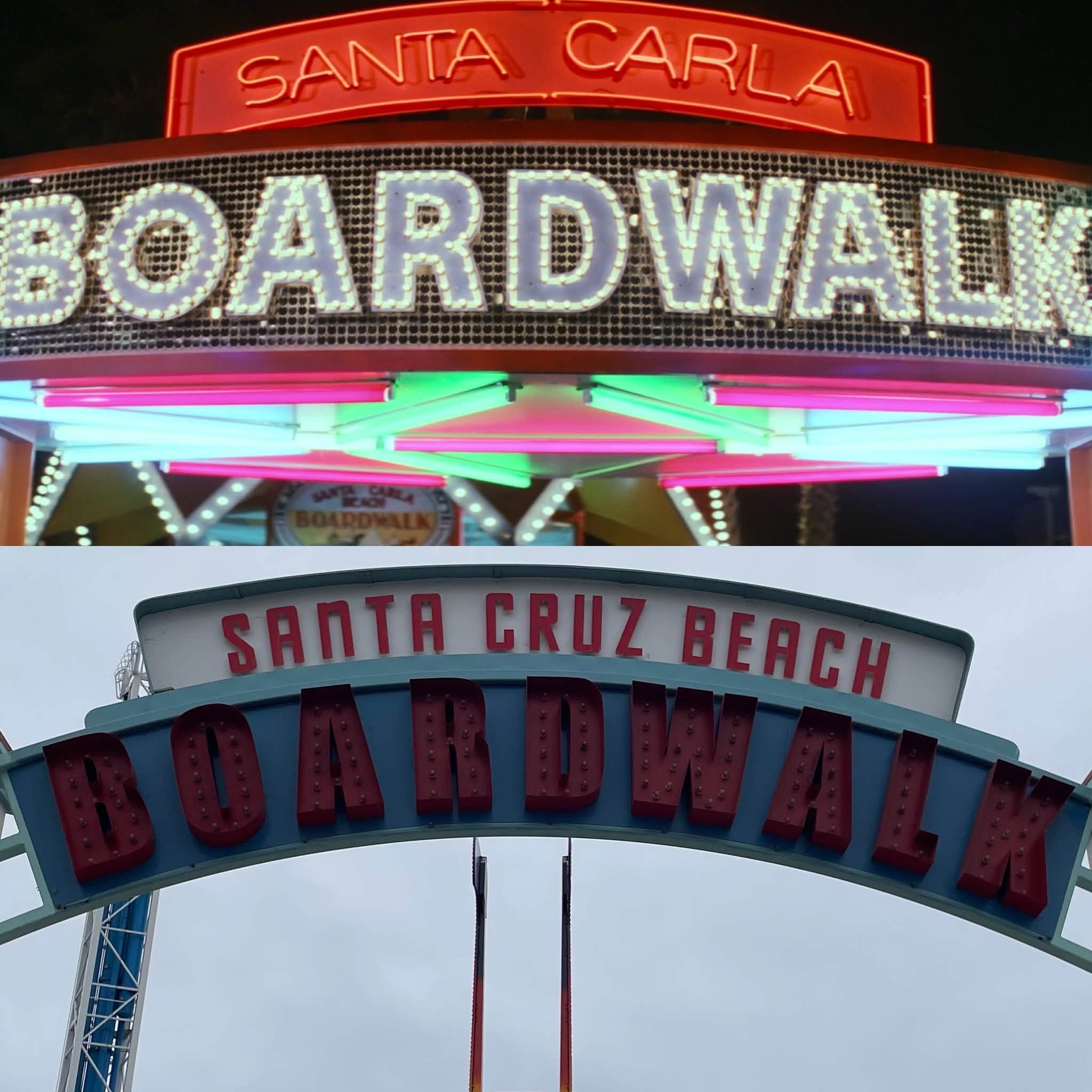
Much of what audiences were looking at was a real California beach town: Santa Cruz.
And nearly four decades after The Lost Boys arrived in theaters, fans are still going there to find the places where Michael, Sam, David and the Frog brothers once seemed to inhabit another world.
Santa Carla Was Fictional. Santa Cruz Was Not.
Released in 1987, The Lost Boys followed brothers Michael and Sam Emerson after they moved with their mother to Santa Carla, an apparently idyllic coastal town with a considerably darker side.
Michael soon becomes entangled with David and his mysterious group of friends, while Sam discovers that the town may have a vampire problem.
The story needed a setting that could convincingly exist in two worlds at once.
During the day, it had to feel like the kind of California beach town where teenagers could spend an entire summer.
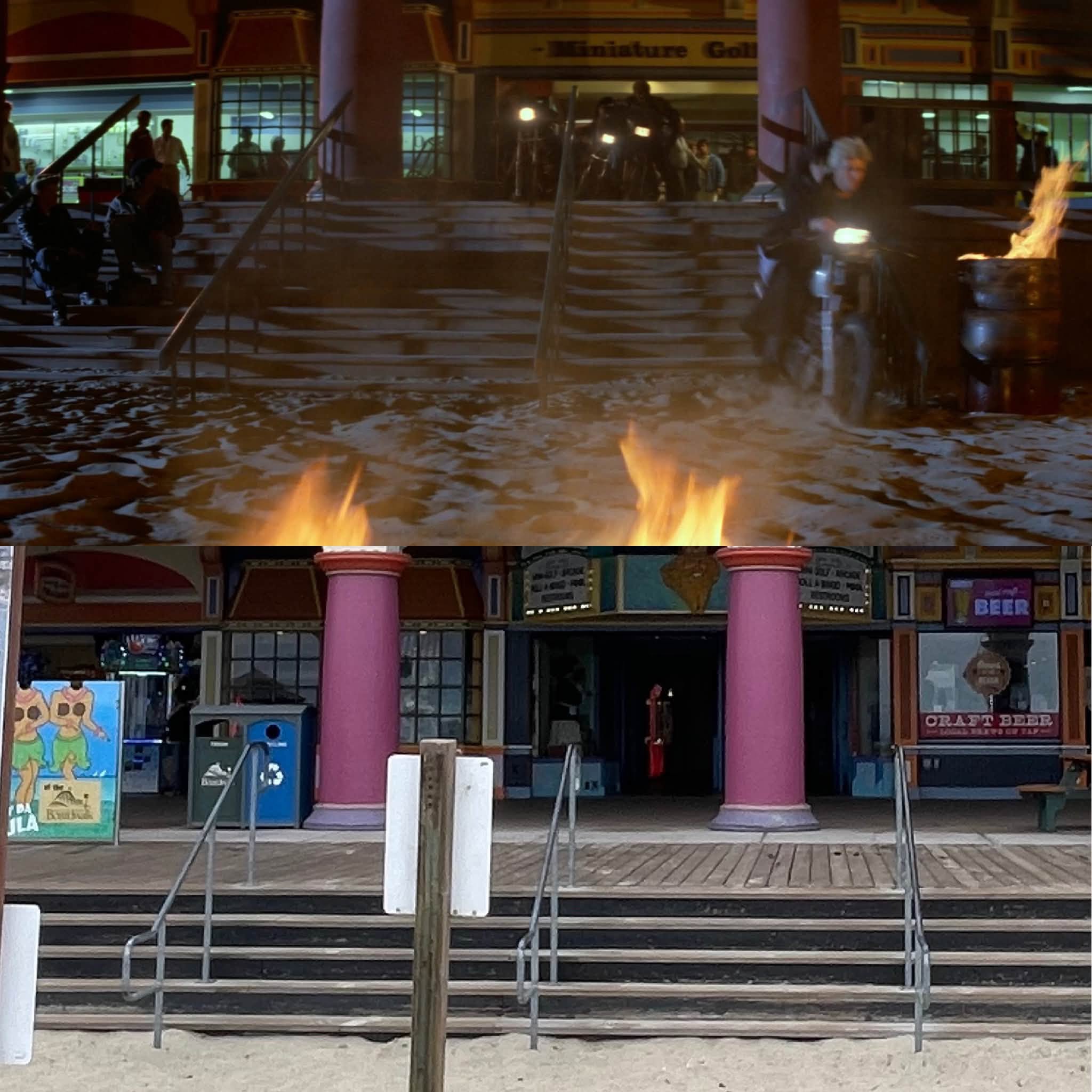
At night, it needed to feel unpredictable.
Santa Cruz gave the filmmakers both.
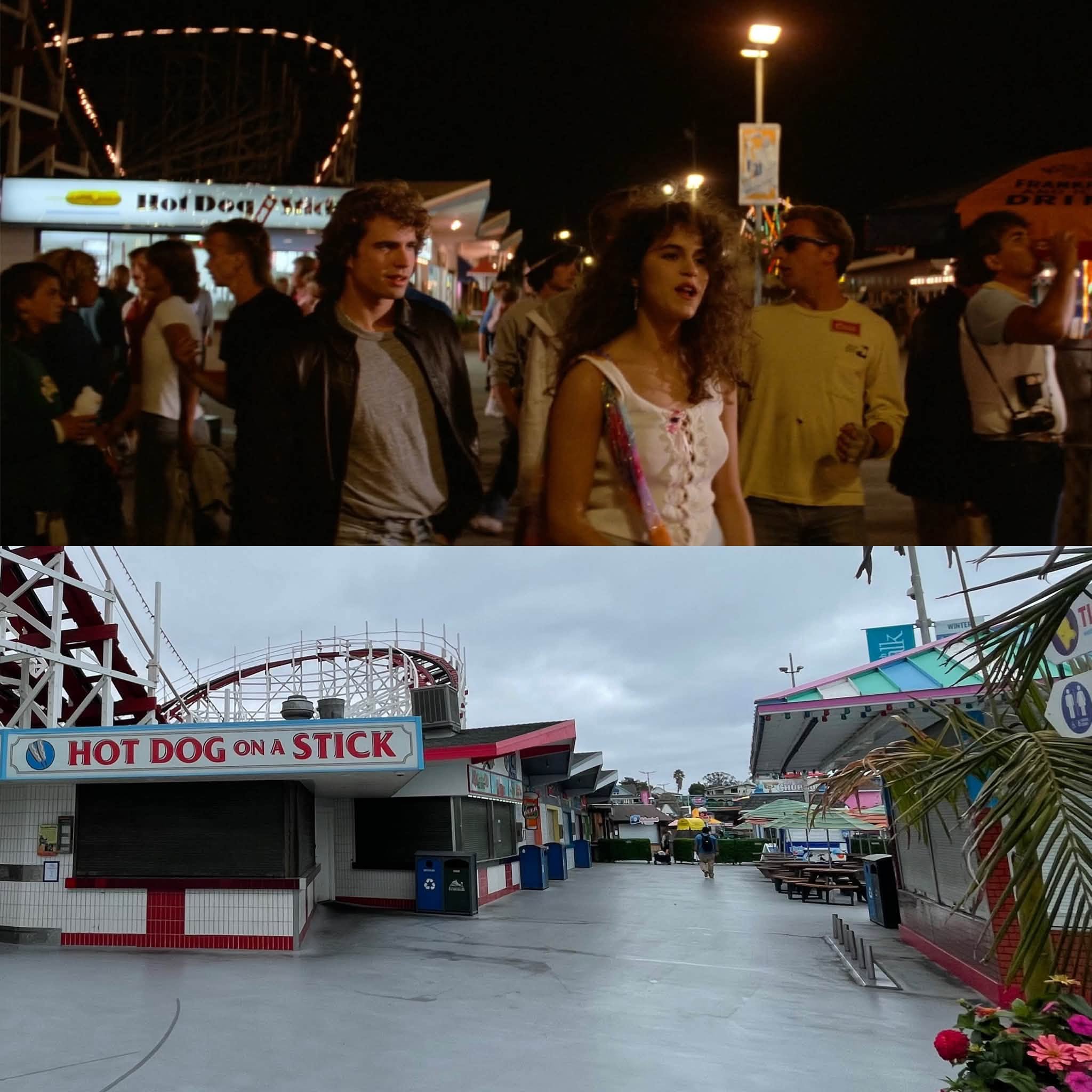
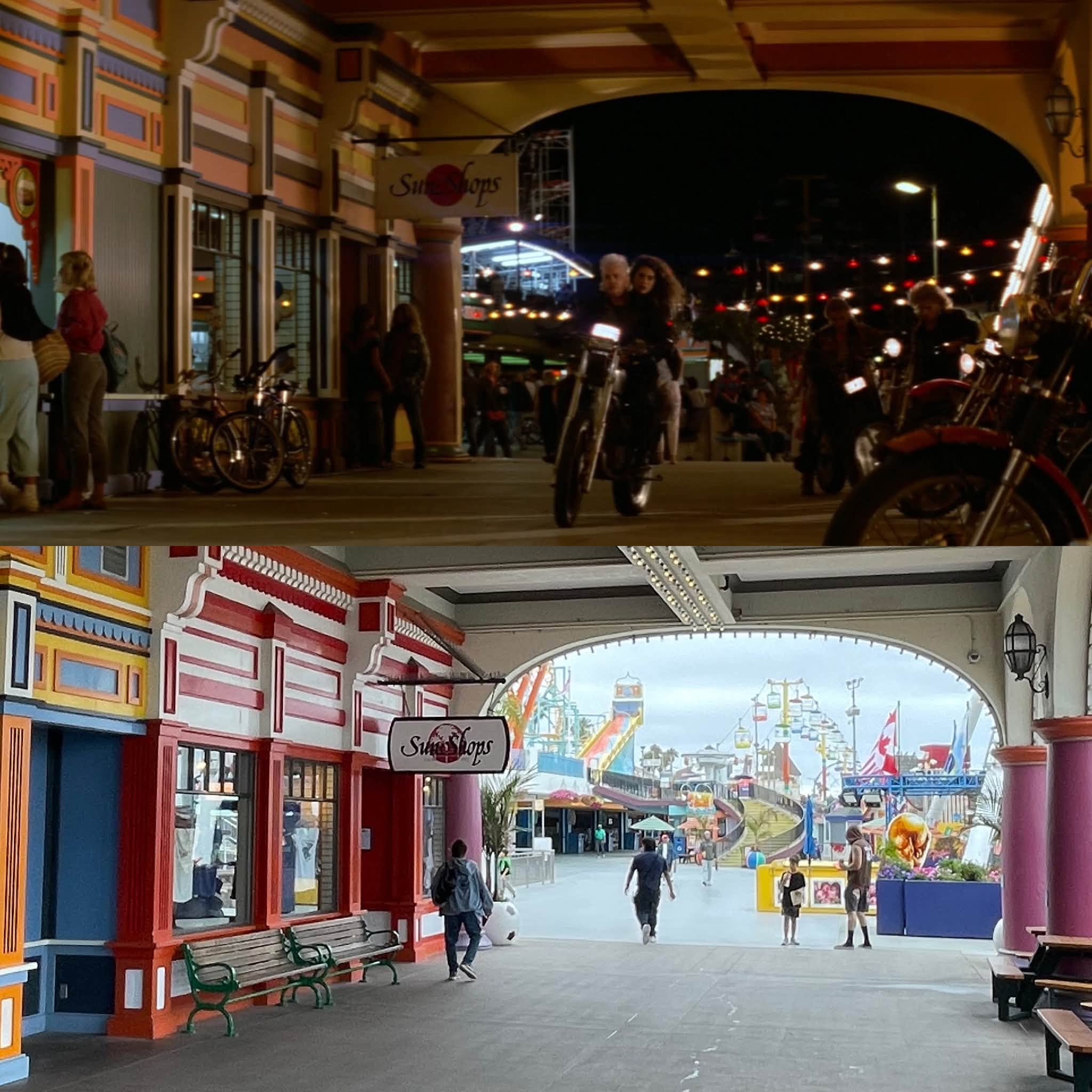
The Santa Cruz Beach Boardwalk became one of the movie’s defining locations, appearing throughout the film and helping establish the atmosphere audiences would forever associate with Santa Carla.
Rather than feeling like a generic movie set, the town had movement, crowds, lights and a history of its own.
That mattered.
The Boardwalk Became Part of the Movie’s Identity
For many fans, it is difficult to separate The Lost Boys from images of the Boardwalk.
David and his gang seem perfectly at home there.
Michael is pulled deeper into their world there.
And the bright amusement-park setting provides an almost perfect contrast with the darker story unfolding around it.
It is one of the reasons the movie still has such a recognizable visual personality.
Jason Patric, who played Michael, later recalled that Santa Cruz itself contributed something the filmmakers could not easily have manufactured.
The city had the excitement of a seaside amusement destination, but it also had a rougher reputation that gave the location an unsettling edge.
That mixture helped create exactly the atmosphere the movie needed.
What looked colorful and inviting during one moment could feel strange and threatening the next.
In The Lost Boys, that contrast became the entire point.
Some of the Places Fans Remember Were Real
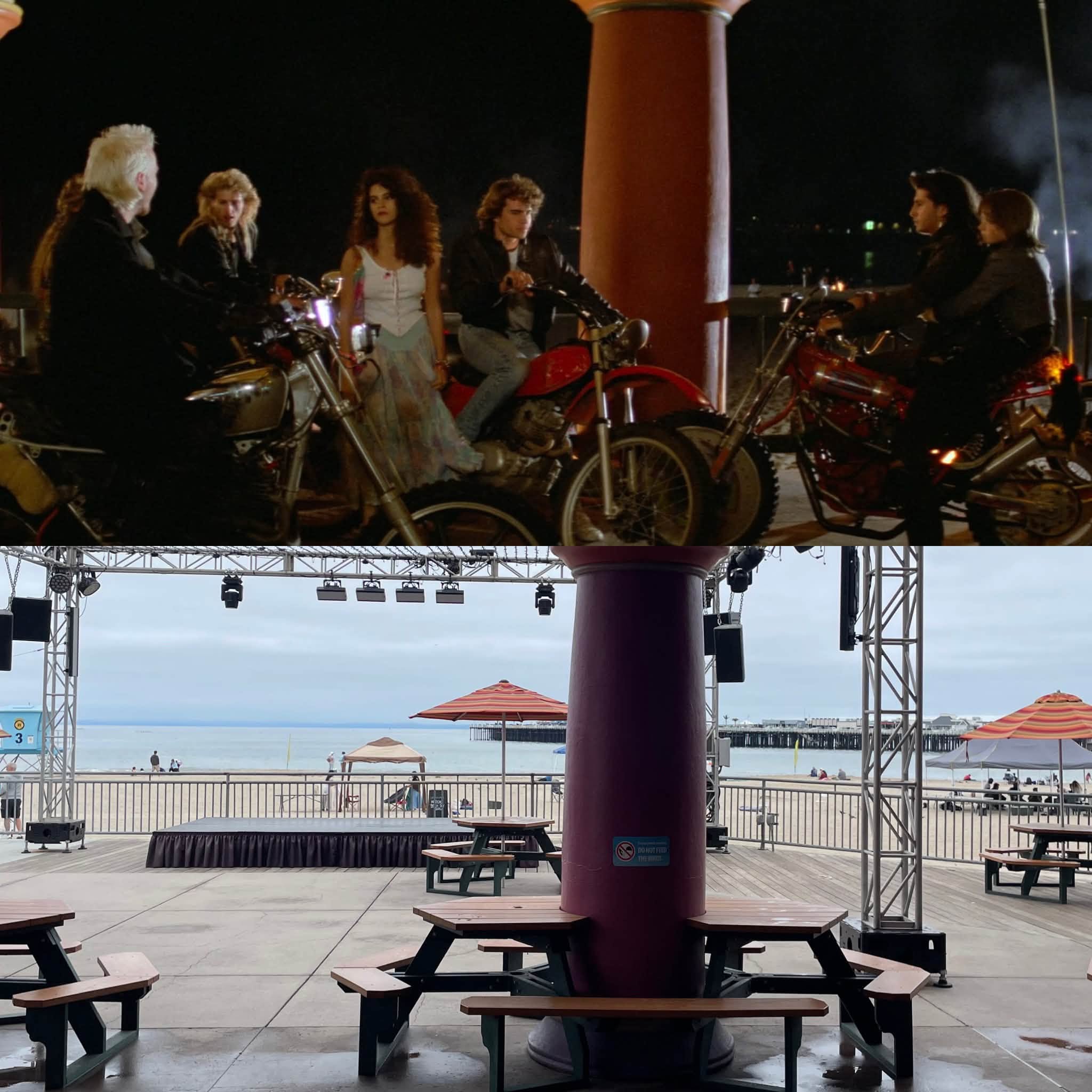
The Boardwalk was not the only piece of Santa Cruz that made its way onto the screen.
Locations around the area were incorporated into the production, while other portions of the movie were filmed elsewhere in California and on Warner Bros. soundstages.
The Pogonip area of Santa Cruz, for example, was connected with the location used for Grandpa’s home.
Other memorable sequences required more elaborate filmmaking tricks and specially constructed sets.
That combination gave The Lost Boys an unusual quality.
Some of its world was carefully manufactured.
But enough of it was real that fans can still go searching for it.
And they do.
Fans Aren’t Just Visiting a Filming Location
That may be the most interesting part of the movie’s relationship with Santa Cruz.
Decades after production ended, The Lost Boys continues to attract fans to the area.
Some recreate scenes.
Others photograph recognizable locations.
Many simply walk along the Boardwalk and experience the strange sensation of seeing a place they first encountered through a television screen decades earlier.
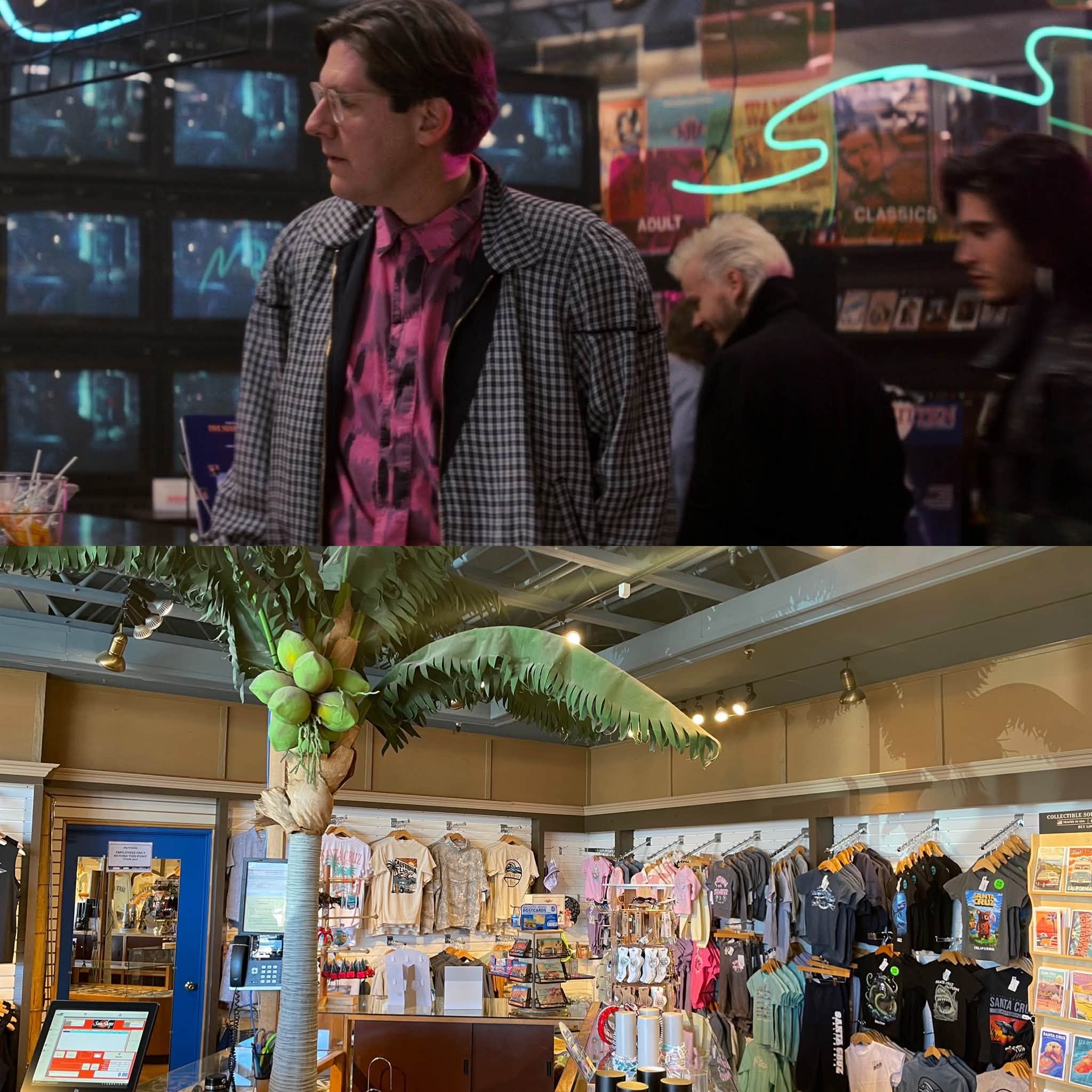
For younger fans, it can be a piece of movie history.
For people who first watched the film in the 1980s or 1990s, it can feel more personal.
They aren’t only revisiting a movie.
They’re revisiting the age they were when they first saw it.
That’s part of the power of a filming location that survives long after a movie has become a classic.
Actors age. Sets are dismantled. Costumes disappear into archives.
A real street, building or amusement park can remain.
Suddenly the fictional world doesn’t feel quite so fictional anymore.
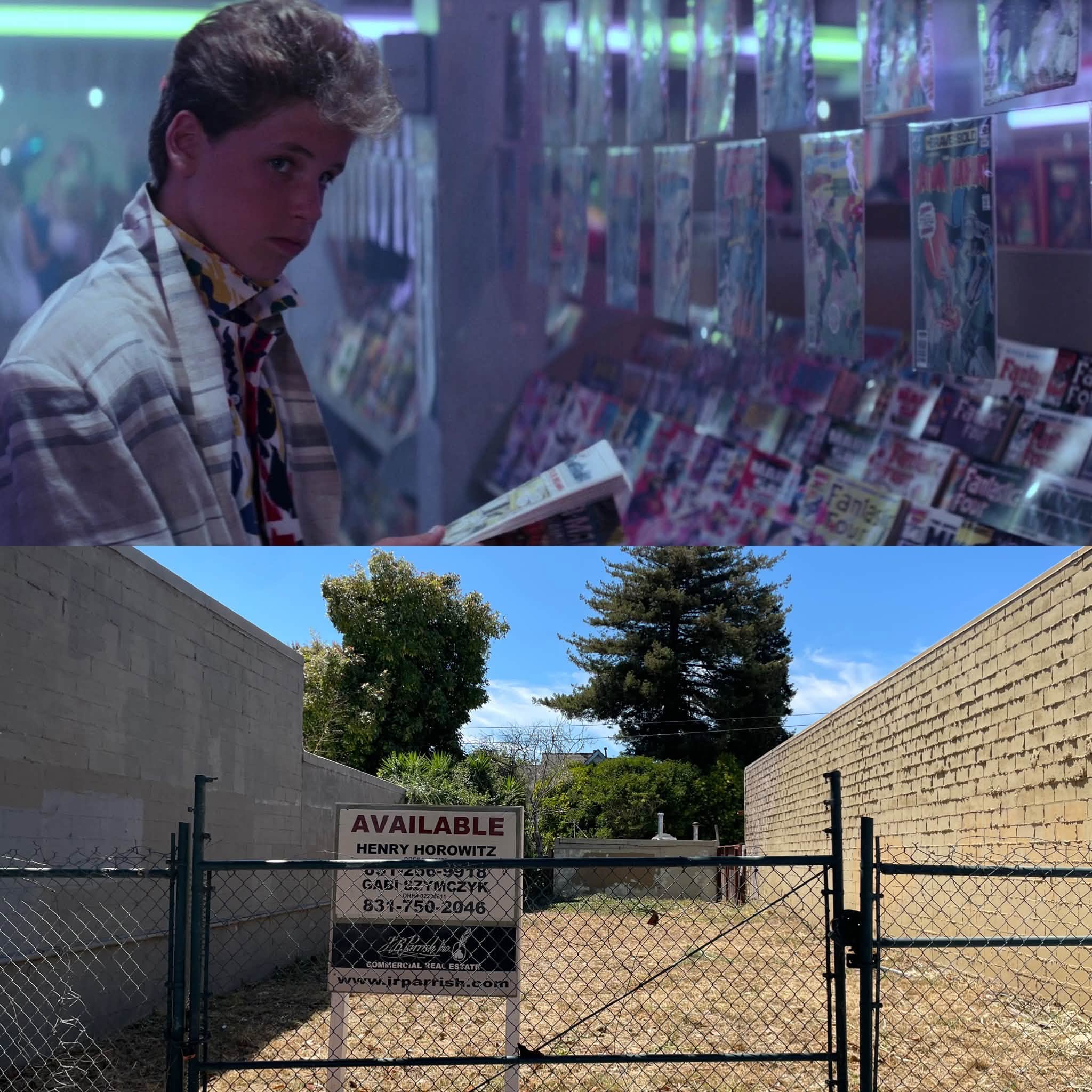
Santa Cruz Never Completely Left Santa Carla Behind
The relationship has lasted far longer than anyone making the movie in 1986 could reasonably have expected.
By 2026, The Lost Boys remained deeply connected with Santa Cruz fan culture, with enthusiasts continuing to travel to the region and events celebrating the film’s legacy.
What began as a filming location gradually became something closer to a pilgrimage site for fans.
That is an unusual legacy for a movie built around teenage vampires.
But perhaps it explains why The Lost Boys has endured.
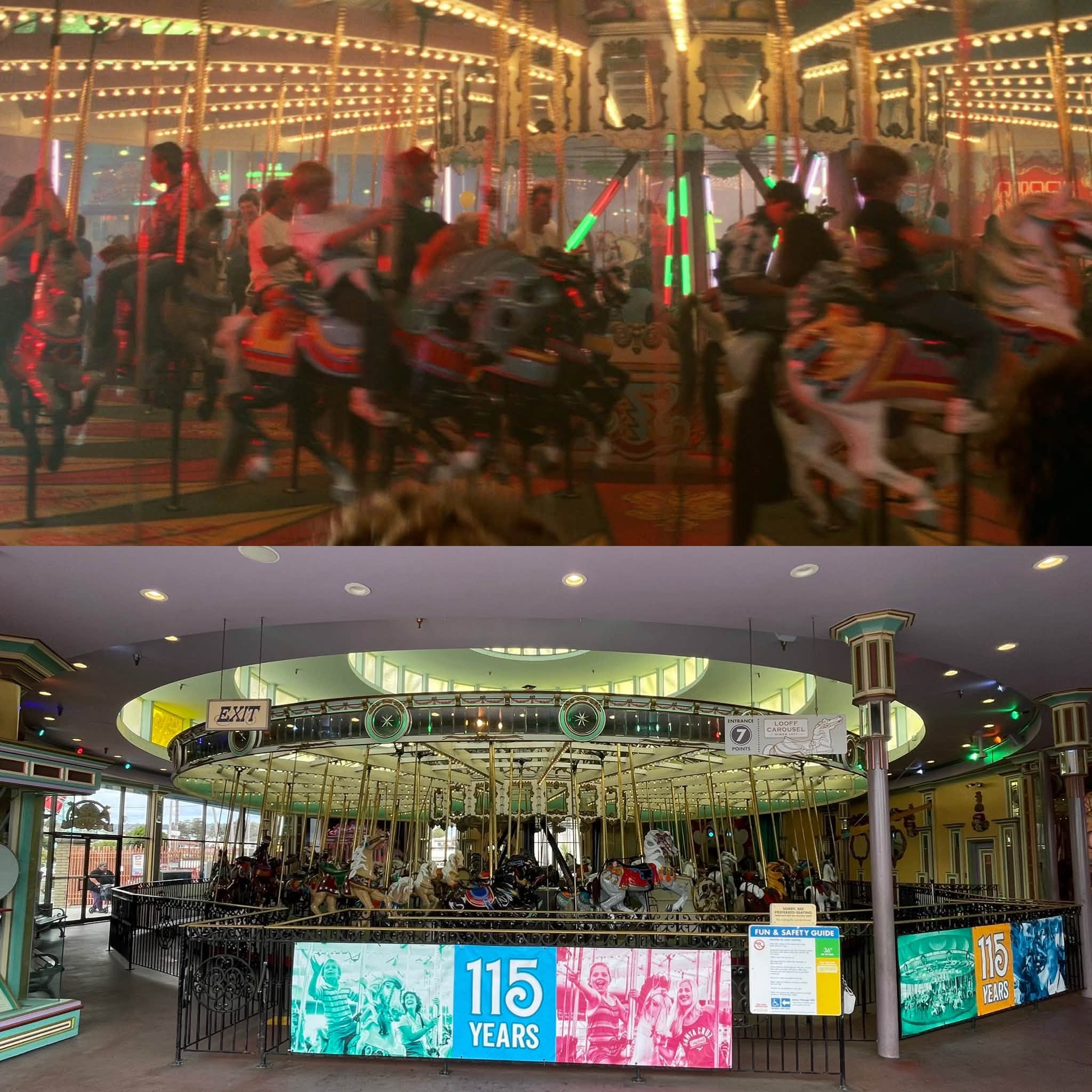
The movie captured a particular fantasy of youth: staying out too late, finding people your parents would never approve of, wandering somewhere you’re not supposed to be and discovering that adulthood might be more frightening than you expected.
Santa Cruz gave that fantasy a physical home.
Nearly 40 years later, the lights are still there.
The Boardwalk is still there.
And fans who grew up believing in Santa Carla can still travel to California and discover that at least part of it was real all along.