The Manson Family After 1969: What Happened to the Followers Who Helped Carry Out Charles Manson’s Crimes
More than half a century after the Manson Family murders shocked Los Angeles, the people who surrounded Charles Manson still remain part of one of America’s darkest crime stories.
Some spent decades in prison.
Some died behind bars.
One became a key prosecution witness and avoided conviction.
Another was eventually released after serving more than 50 years.
And a few followers who were not directly involved in the infamous Tate-LaBianca killings went on to commit other serious crimes.
The group was never a traditional family.
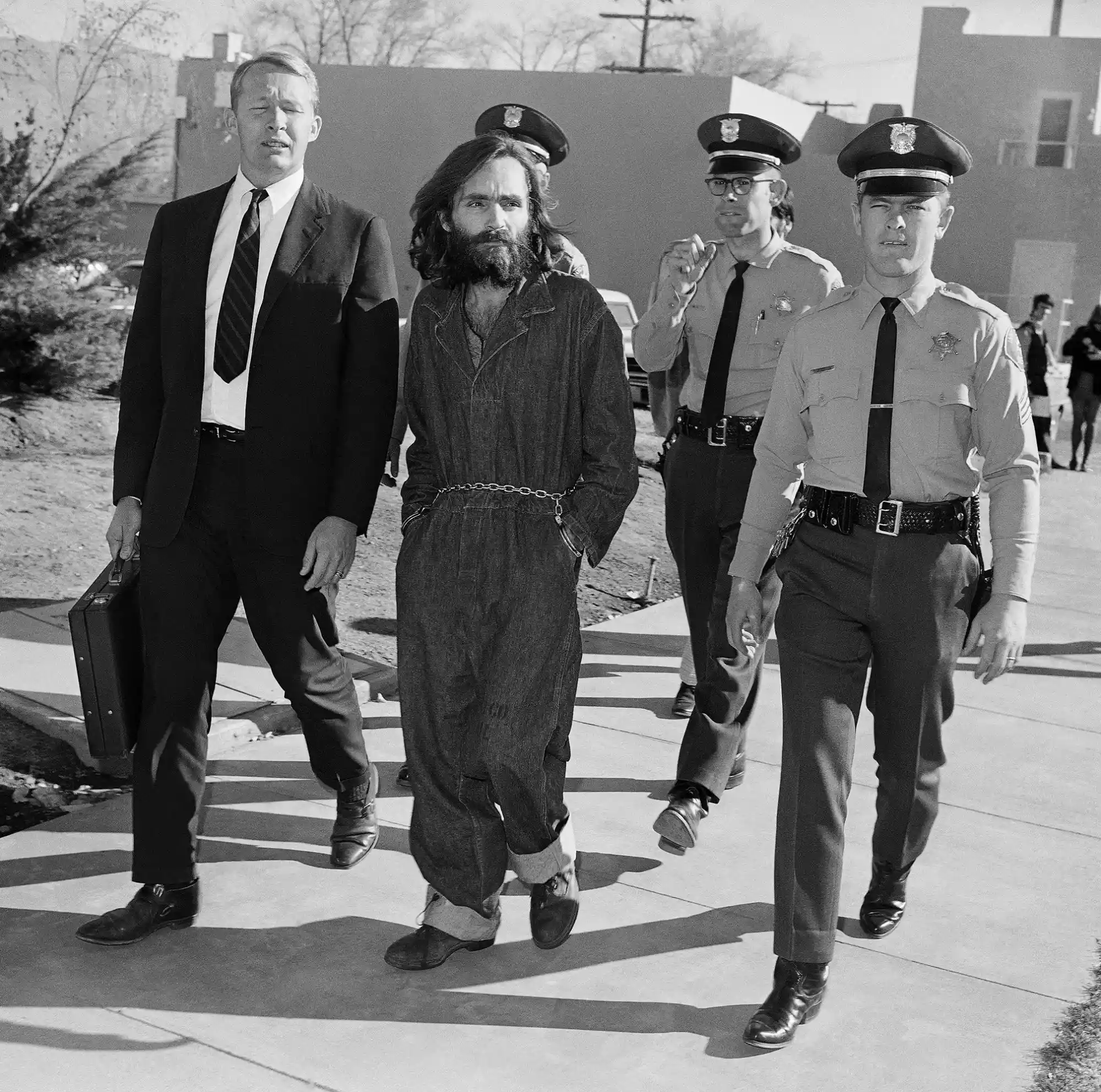
It was a collection of mostly young followers who became devoted to Manson after he emerged from prison in 1967 and began gathering people around him in California.
By August 1969, that devotion had become deadly.
Manson and his followers were ultimately held responsible for at least nine killings.
How Charles Manson Built His ‘Family’
Manson was born Charles Milles Maddox in Cincinnati on Nov. 12, 1934.
His early life included reform schools and repeated incarceration. By the time he was released from prison in March 1967, he had already spent much of his life inside institutions.
After his release, Manson moved to San Francisco.
There, he began attracting young followers.
Many were women searching for belonging during the cultural upheaval of the late 1960s.
By 1968, the group had relocated to Spahn Ranch in the Santa Susana Mountains outside Los Angeles.
Manson wanted something else at the time: fame.
He hoped to build a music career and deliberately pursued connections with people in Hollywood.
The group even spent several months around Beach Boys drummer Dennis Wilson before eventually moving on.
Manson’s efforts to become a successful musician failed.
His thinking became increasingly violent and apocalyptic.
He eventually became obsessed with the idea of a coming race war that he called “Helter Skelter,” borrowing the phrase from the Beatles song.
According to the case against him, Manson believed mass violence could help trigger that conflict.
The Followers Who Became Central to the Murders
Several names became permanently associated with the Manson Family crimes.
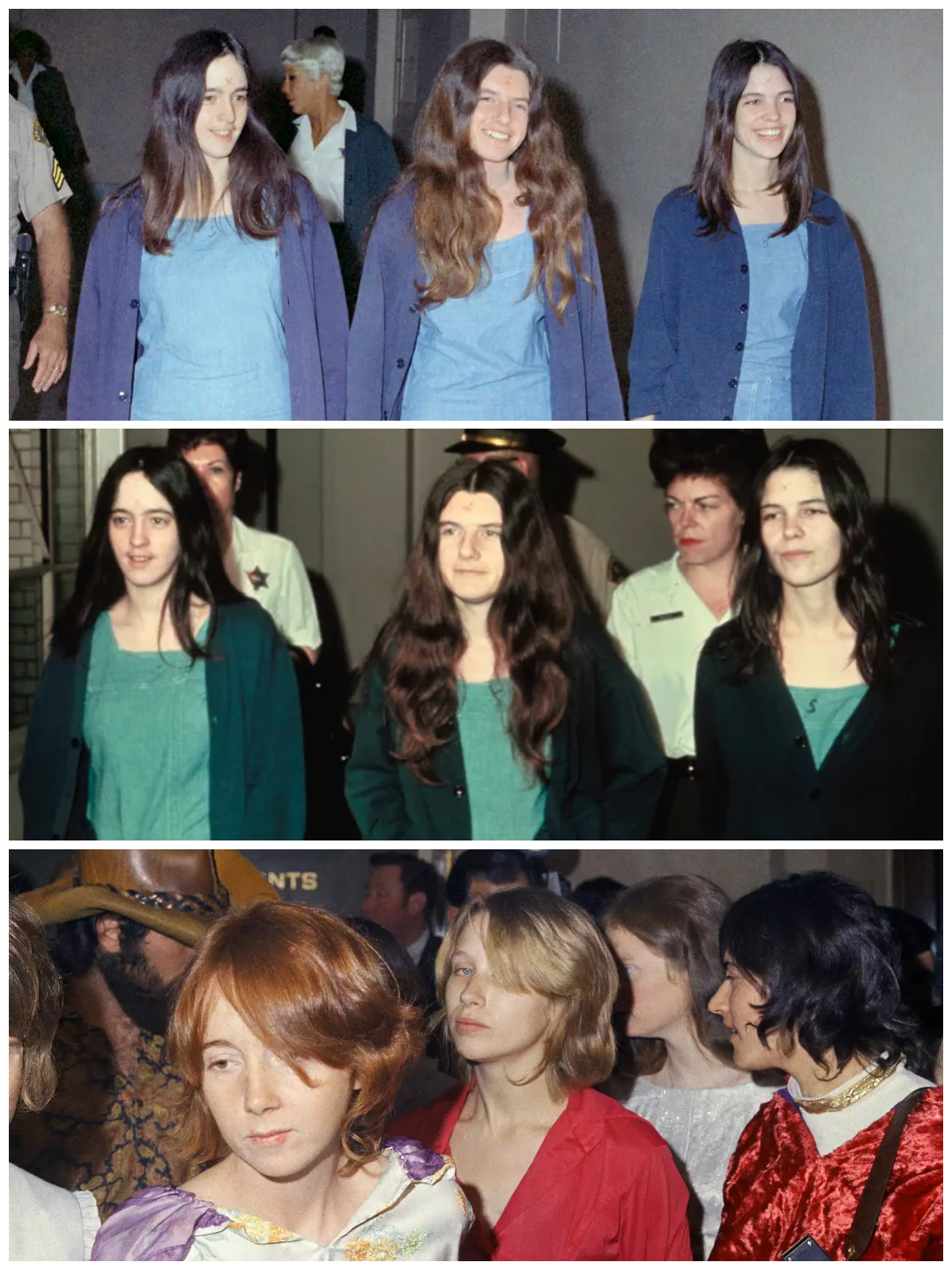
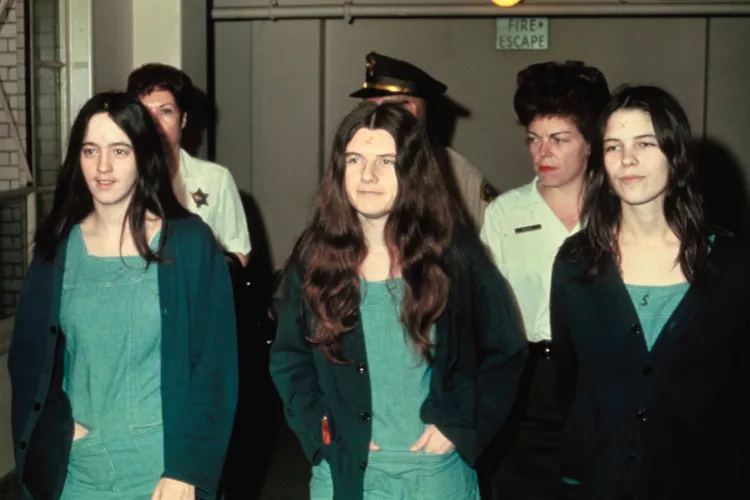
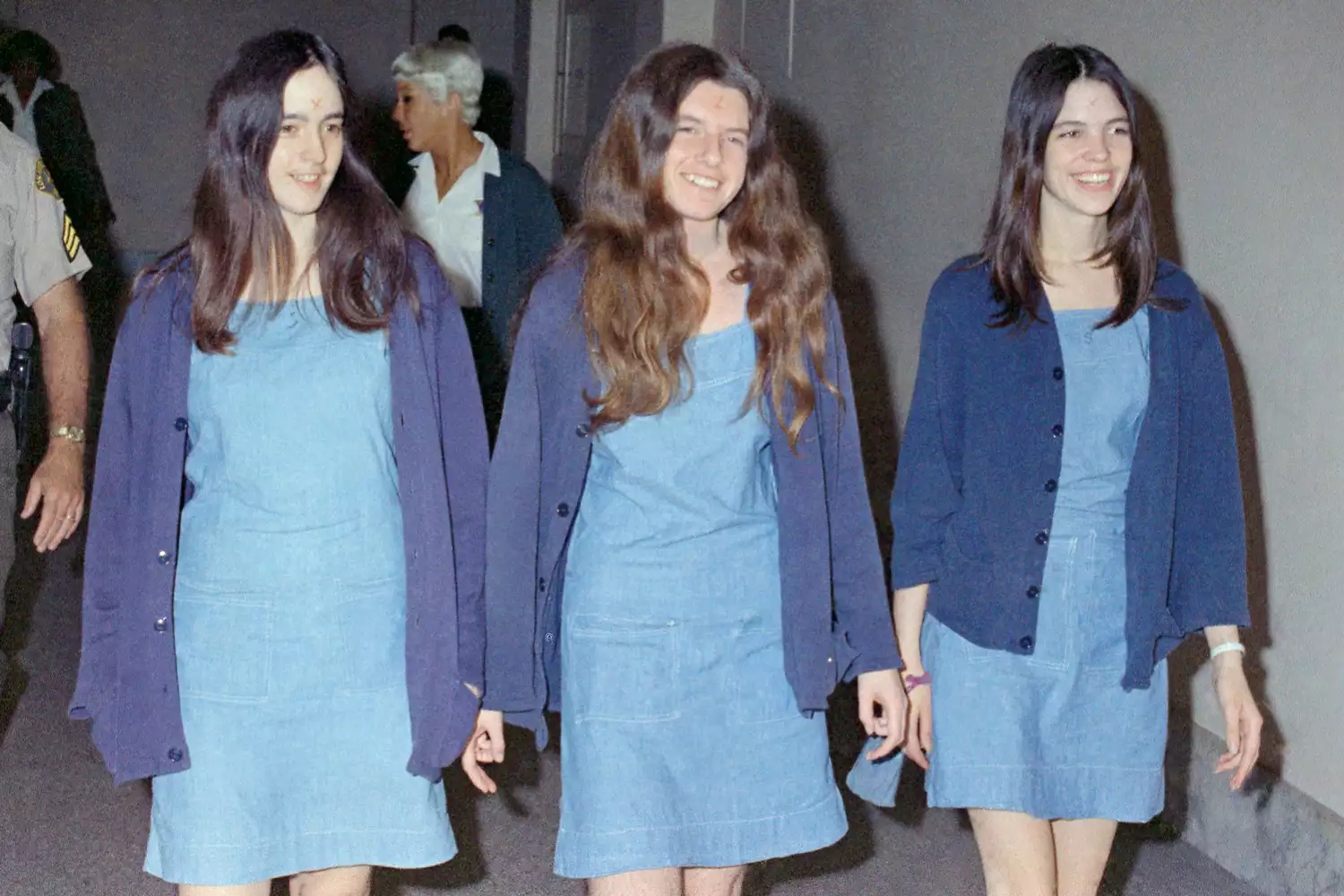
Susan Atkins, Patricia Krenwinkel, Leslie Van Houten and Charles “Tex” Watson were among the followers directly involved in killings.
Linda Kasabian participated in the group’s activities but later became the prosecution’s crucial witness.
Steven “Clem” Grogan was connected to another Manson-directed murder.
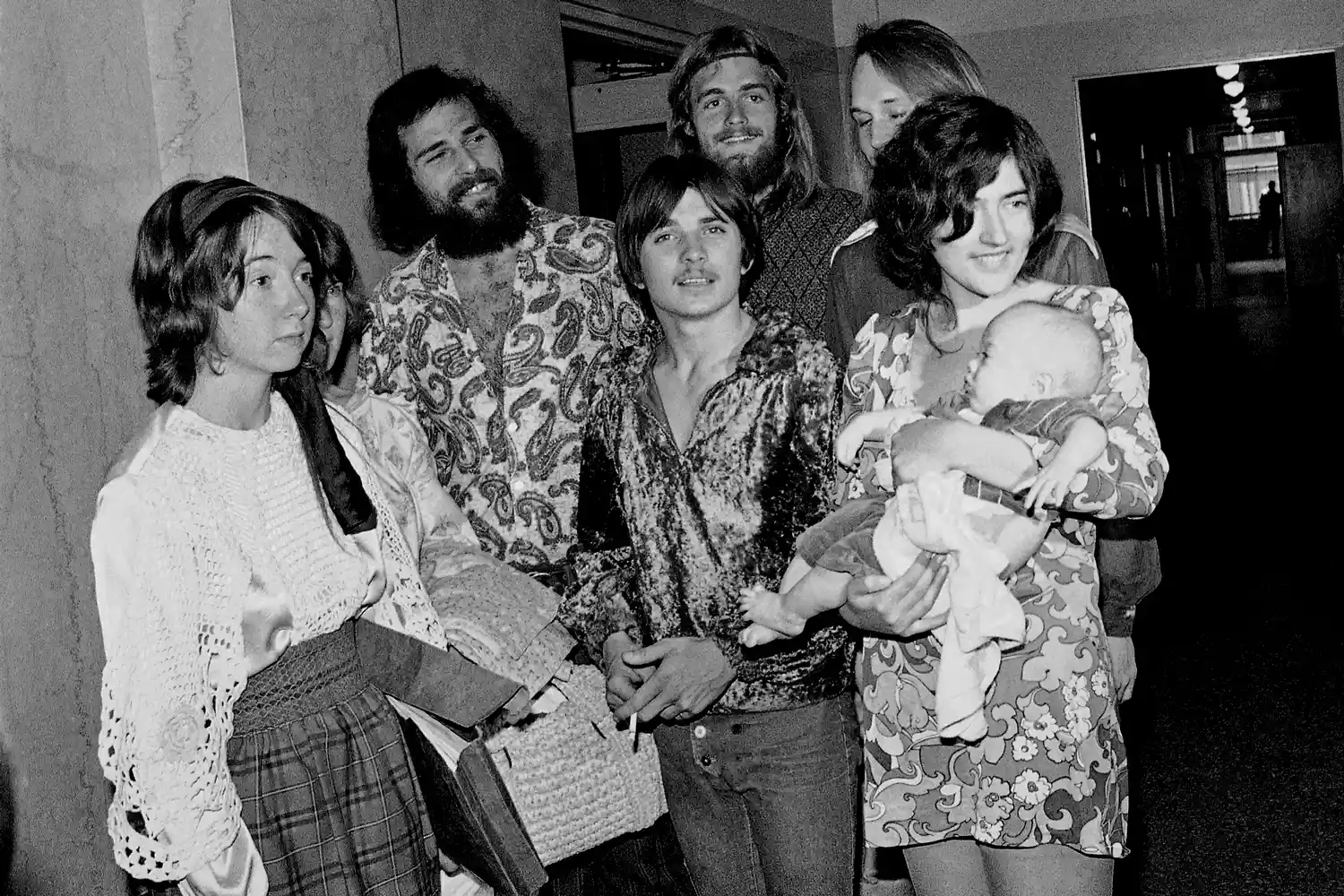
Other important followers included Mary Brunner, Bobby Beausoleil, Lynette “Squeaky” Fromme and Dianne Lake.
Brunner is generally considered Manson’s first follower.
She met him in 1967 and later gave birth to his son, Valentine.
Beausoleil, an aspiring musician, became another important member of the group and one of Manson’s recruiters.
Lake was only 14 when she met Manson.
Years later, she described him as extraordinarily skilled at identifying people’s vulnerabilities and using those weaknesses to gain control over them.
Fromme became one of his most loyal followers.
She was not linked to the Tate-LaBianca killings, but during Manson’s trial she remained publicly devoted to him and became one of the most recognizable figures associated with the cult.
The Violence Began Before Sharon Tate
The murders most closely associated with the Manson Family happened over two nights in August 1969.
But the violence had already begun.
On July 27, musician Gary Hinman was killed.
Beausoleil was later convicted of his murder. Atkins and Brunner were also present.
Then came the crimes that made the Manson Family infamous.
After midnight on Aug. 9, 1969, Watson, Krenwinkel and Atkins went to a home at 10500 Cielo Drive.
Inside was pregnant actress Sharon Tate.
Tate and four other people — Jay Sebring, Wojciech Frykowski, Abigail Folger and Steven Parent — were killed.
The following night, Leno and Rosemary LaBianca were murdered in their Los Feliz home.
Van Houten participated in the LaBianca killings.
Kasabian accompanied the group during the murder spree but later testified that she did not enter the houses and became the state’s most important witness.
Manson himself was not physically present for every killing.
Prosecutors nevertheless argued that he had directed the violence.
A Ninth Victim Was Killed at Spahn Ranch
The Manson Family was also linked to the death of ranch hand Donald “Shorty” Shea.
Shea was killed at Spahn Ranch before Manson’s eventual prosecution.
Authorities said Manson’s followers believed Shea was a police informant.
Grogan and Bruce M. Davis were involved in his death.
Years later, Grogan helped authorities locate Shea’s body.
That cooperation became important in Grogan’s eventual release from prison.
The Trial Turned Linda Kasabian Into the Key Witness
Manson and dozens of followers were initially arrested in August 1969 on unrelated auto theft charges.
The suspected killers were later arrested again.
The murder trial began in 1970 and lasted six months.
Manson, Atkins, Krenwinkel and Van Houten were convicted of first-degree murder and conspiracy.
Watson was convicted in a separate trial.
Manson and several followers originally received death sentences.
Those sentences were later changed to life imprisonment after California invalidated existing death sentences.
Kasabian received immunity in exchange for her testimony.
Her cooperation proved critical.
Lead prosecutor Vincent Bugliosi later said that convicting Manson and the others would have been far more difficult without her.
Susan Atkins Died in Prison
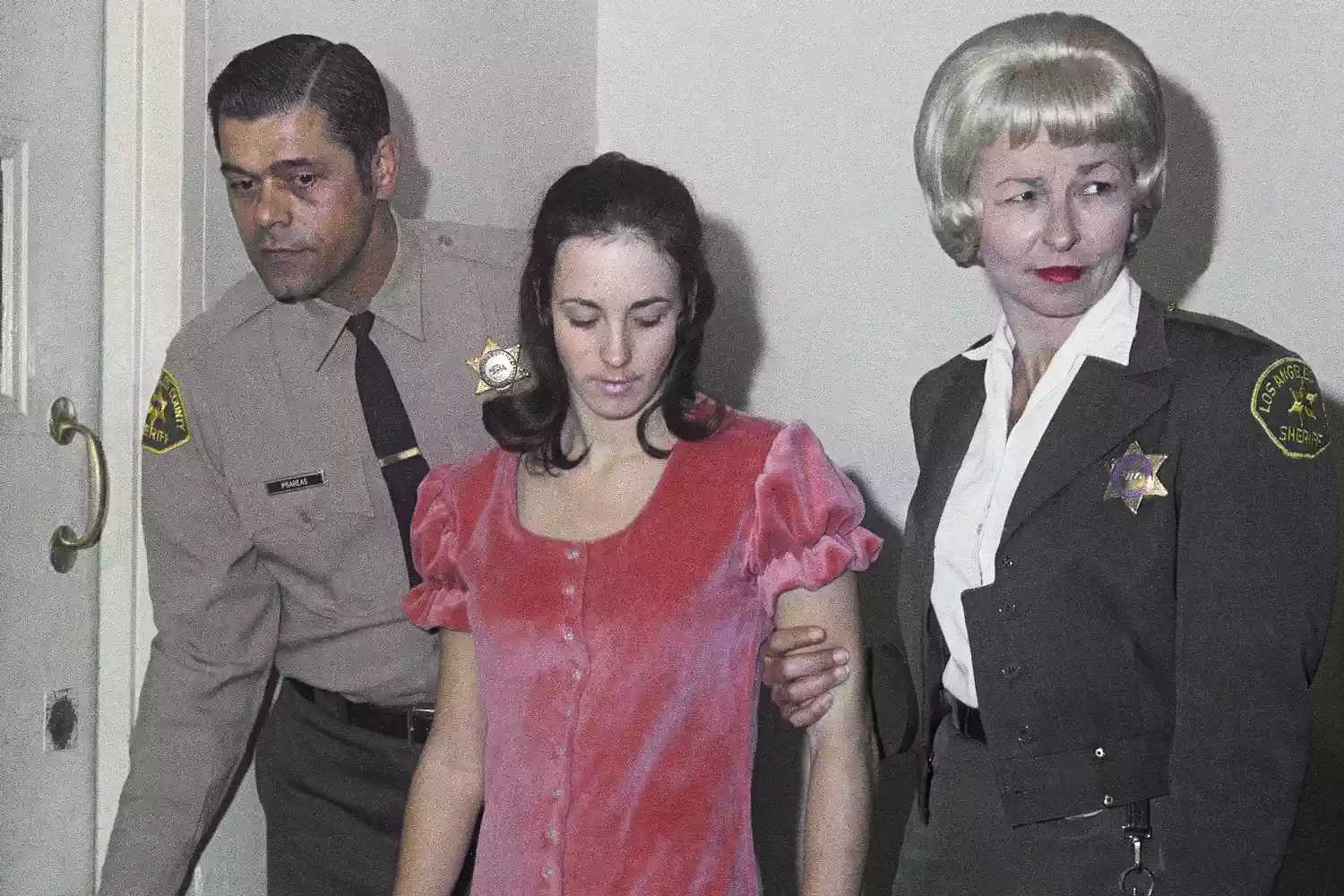
Atkins remained incarcerated for the rest of her life.
She was denied parole 13 times.
She died from brain cancer on Sept. 24, 2009, at age 61.
Her death made Krenwinkel the longest-serving female inmate in California at the time.
Krenwinkel has also been denied parole repeatedly.
Watson likewise remains one of the best-known surviving convicted members of the group.
While incarcerated, he married, fathered four children, later divorced, earned a business degree and became an ordained minister.
Beausoleil has also spent decades in prison and has sold artwork and music he created while incarcerated.
Leslie Van Houten Eventually Walked Free
Van Houten’s legal journey stretched across more than five decades.
She was originally convicted for participating in the LaBianca murders.
After being granted a retrial in 1976, she was convicted again two years later on two counts of murder and one count of conspiracy.
She received a sentence of seven years to life.
After serving 53 years, Van Houten was released from prison on July 11, 2023.
Her release marked one of the most significant developments involving the surviving Manson Family members.
Linda Kasabian Disappeared From Public View
Kasabian, the prosecution witness who avoided conviction, later lived largely outside the public eye.
She changed her surname to Chiochios in an effort to protect her identity.
She was living in Washington state when she died in 2023 at age 73.
Her testimony decades earlier had played a central role in putting Manson and several followers behind bars.
Squeaky Fromme Committed Another Notorious Crime
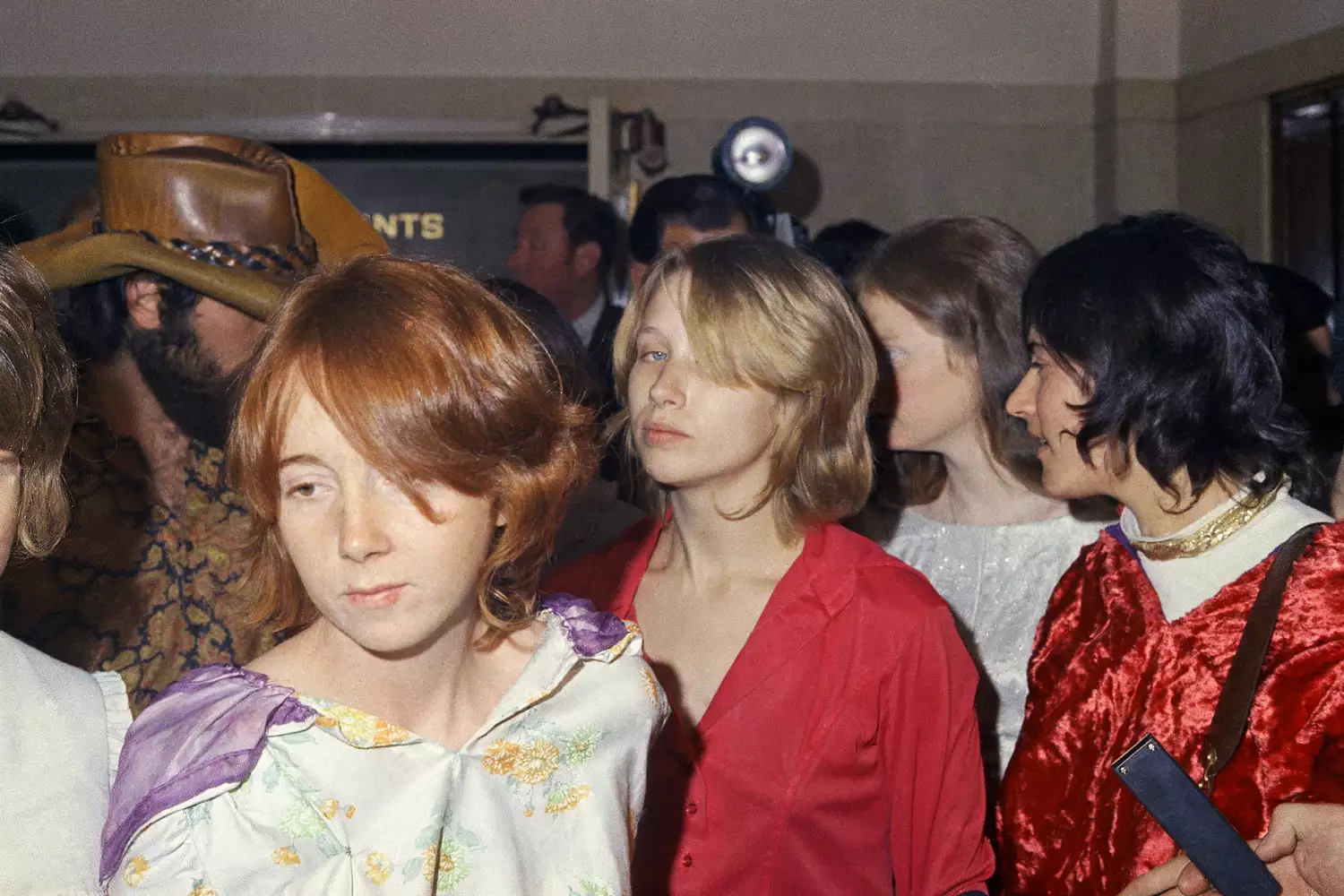
Fromme remained fiercely loyal to Manson after his arrest.
In 1975, she attempted to assassinate President Gerald Ford.
She was convicted and sentenced to life in prison.
Fromme was eventually released on parole in 2009.
Years later, she published a memoir titled Reflexion.
Her later crime showed that the violence associated with the Manson circle did not completely end with the 1969 murders.
Mary Brunner Also Returned to Crime
Brunner avoided conviction in the Hinman murder after receiving immunity for testimony against fellow followers.
But her legal troubles were not over.
In 1971, she and other Manson Family members participated in the robbery of a gun store.
The group reportedly planned to hijack an airplane as part of an effort to free Manson from prison.
Brunner received a sentence of 20 years to life.
She was paroled in 1977.
Clem Grogan Was Released in 1985
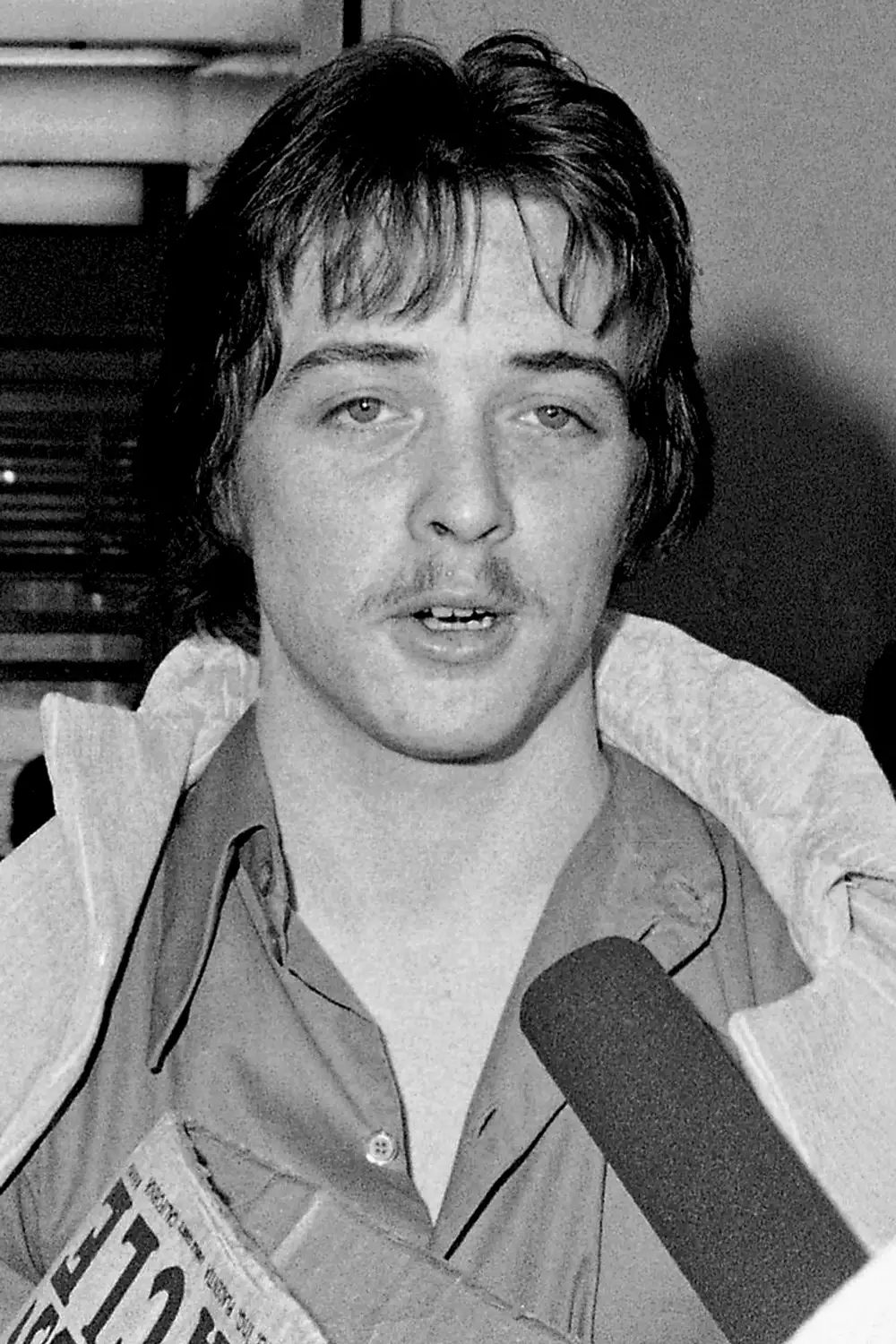
Grogan, who was involved in Shea’s murder, eventually gave authorities information about where the victim had been buried.
He was released on parole in 1985.
That made him one of the earlier convicted members of the Manson circle to regain his freedom.
Charles Manson Never Left Prison
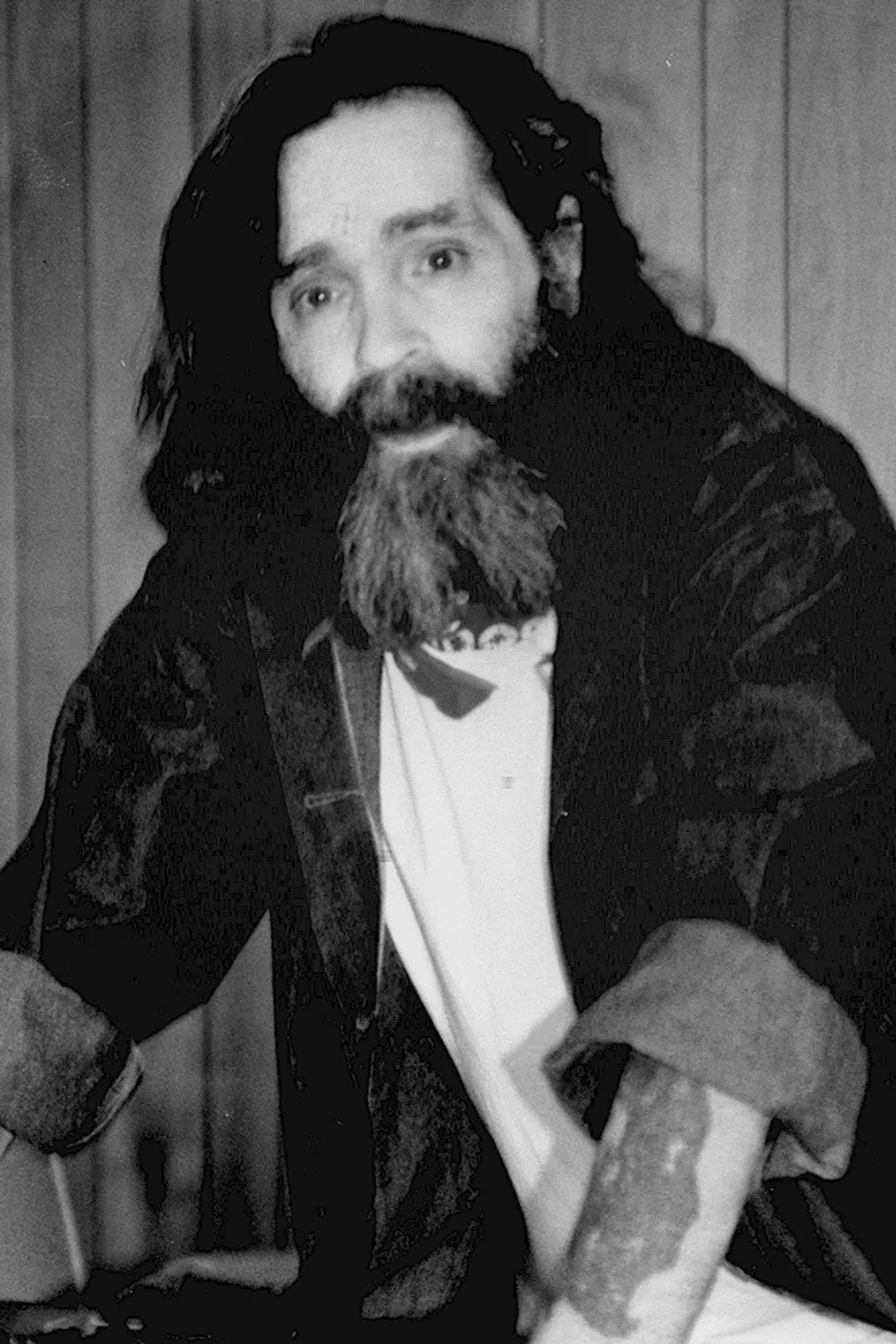
Manson spent the rest of his life incarcerated.
He was denied parole 12 times.
Over the decades, he accumulated more than 100 disciplinary violations while behind bars.
He served time in several California prisons, including San Quentin, Vacaville and Corcoran.
He died of natural causes on Nov. 19, 2017.
He was 83.
By then, the name “Manson” had become permanently associated with manipulation, cult violence and the crimes of August 1969.
But the lives of the people around him continued in dramatically different directions.
Some rejected him.
Some testified against him.
Some remained loyal for years.
Some died in prison.
And some eventually walked free after serving decades.
Dianne Lake, who had been the youngest member of the group and was 17 when she testified against Manson, later recalled being stunned by how many former followers continued supporting him during the trial.
For her, the carved Xs on their foreheads and their continued devotion were evidence of just how powerful his hold had once been.
That may be the most unsettling part of the Manson Family story more than 50 years later.
The murders were committed by individuals.
But behind them stood a system of influence built around one man’s ability to find vulnerable people, convince them to surrender their judgment and persuade some of them to kill strangers.
The crimes ended.
The consequences did not.