Lindsay Clancy Trial Raises Difficult Questions About Mental Illness and Criminal Responsibility
- QuocKhanh
- August 24, 2026
Lindsay Clancy Trial Raises Difficult Questions About Mental Illness and Criminal Responsibility

PLYMOUTH, Mass. — The trial of Lindsay Clancy is approaching its final stage, with jurors facing a difficult question: can severe mental illness make a person legally not responsible for a devastating crime?
Clancy is accused of killing her three children in January 2023. Her defense argues that she was experiencing postpartum psychosis and bipolar disorder and was unable to understand the nature or wrongfulness of her actions. Prosecutors strongly dispute that account.

Defense Points to Severe Mental Illness
Defense experts have testified that Clancy experienced symptoms consistent with postpartum psychosis, a rare but extremely serious psychiatric condition that can involve hallucinations, delusions, paranoia and profound changes in behavior.
Forensic psychologist Paul Zeizel testified that Clancy was not criminally responsible because her illness prevented her from understanding right from wrong and controlling her behavior at the time of the killings.
Another prominent defense expert, psychiatrist Phillip Resnick, supported the diagnosis and described her condition as severe.
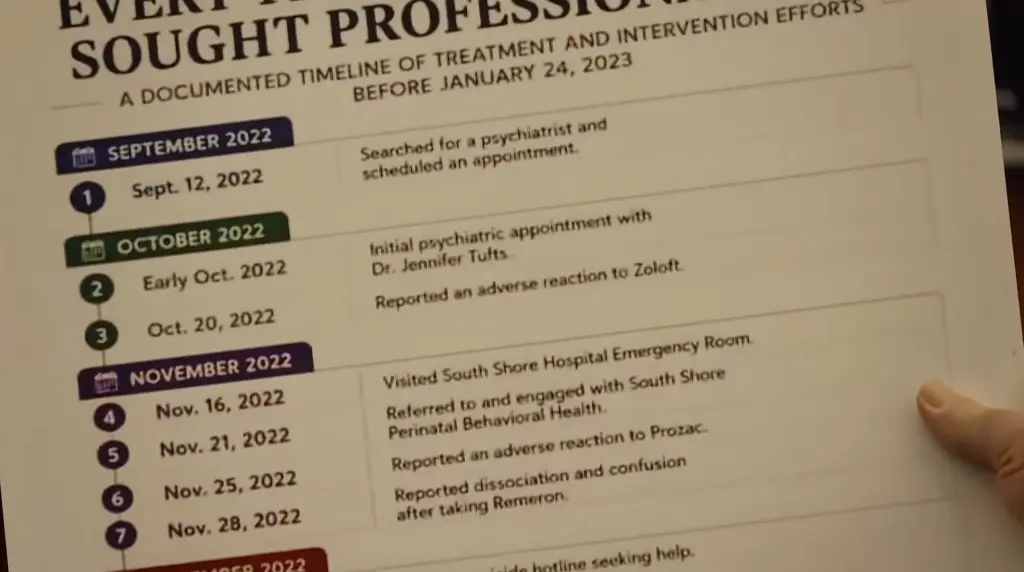
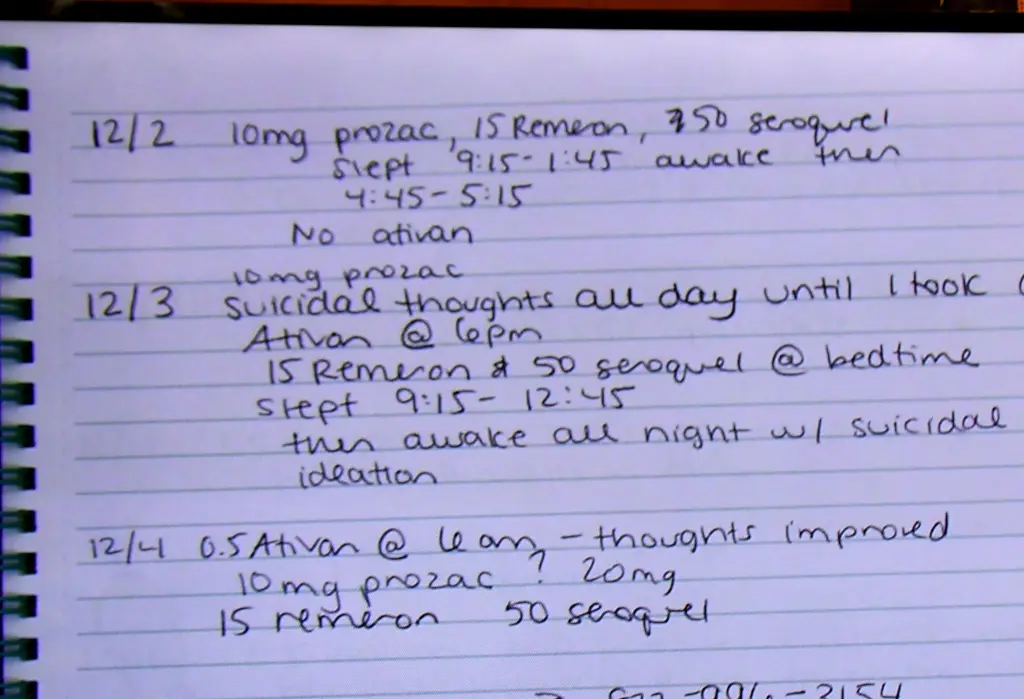
The defense has also argued that Clancy’s treatment before the deaths was fragmented and that warning signs were not adequately recognized or coordinated among her medical providers.

Prosecutors Offer a Different Picture
Prosecutors argue that Clancy was not experiencing psychosis when the children died.
They have pointed to testimony from medical professionals who treated her before the tragedy. Several said they did not observe signs of psychosis and that Clancy denied having thoughts of harming herself or others during treatment.
The prosecution has also highlighted evidence it says indicates planning and awareness of her actions.
That creates the central dispute for the jury: whether Clancy’s mental illness was so severe that she should not be held criminally responsible, or whether she understood what she was doing and could control her actions.
The Legal Question Is Narrow
A finding of mental illness by itself does not automatically mean a defendant is legally insane.
The jury must determine whether Clancy met Massachusetts’ legal standard for criminal responsibility at the time of the killings.
If she is found guilty, she could face life in prison without parole. If she is found not guilty by reason of insanity, she would instead be committed to a psychiatric facility.

A Case Drawing Attention to Postpartum Psychosis
Beyond the courtroom, the trial has sparked renewed discussion about postpartum psychosis and whether the health-care system is adequately prepared to recognize it.
Experts emphasize that postpartum psychosis is rare but constitutes a psychiatric emergency requiring immediate treatment. The condition is distinct from the much more common postpartum depression.
The case has also prompted comparisons with Andrea Yates, whose children died in 2001 and who was ultimately found not guilty by reason of insanity after a retrial.

Jury Now Faces the Final Decision
After weeks of testimony, the trial is nearing its conclusion. The defense maintains that Clancy was experiencing a profound psychiatric crisis, while prosecutors insist that her actions were deliberate and legally accountable.
Ultimately, the jury will have to decide not simply whether Clancy was mentally ill, but whether that illness met the legal threshold for removing criminal responsibility.
That distinction could determine whether the case ends with a life sentence or psychiatric commitment.