Ex-Illinois Deputy Who Fatally Shot Sonya Massey Dies in Prison at 32 After Medical Release Bid Was Denied
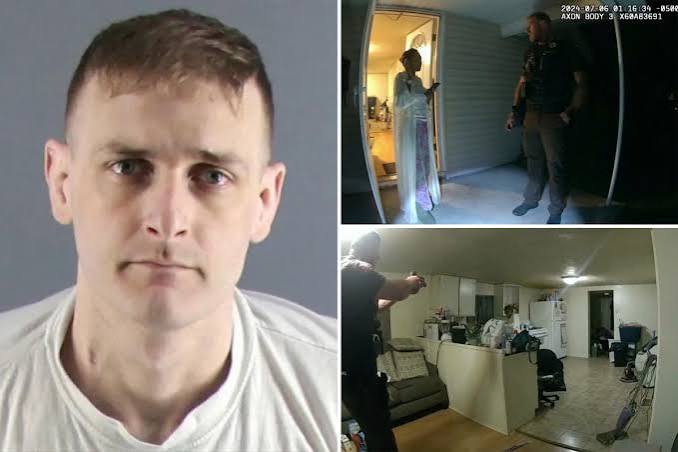
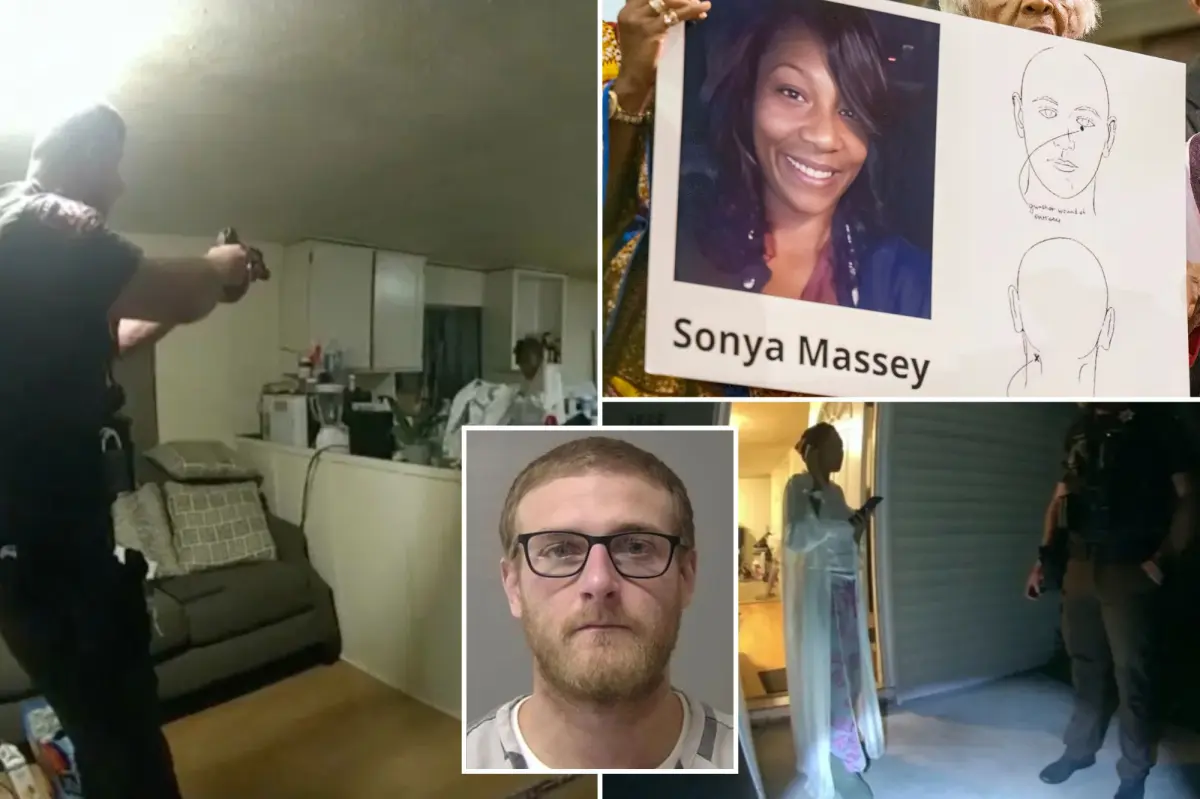
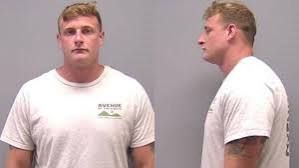
Sean Grayson, the former Illinois sheriff’s deputy convicted of killing Sonya Massey inside her home, has died in prison at just 32 — only months into a 20-year sentence.
Grayson died Sunday while in custody, his attorney Daniel Fultz confirmed. Authorities have not publicly confirmed the exact cause of death, although Grayson had been battling advanced colon cancer that had spread to his liver and lungs.
The shocking death comes just weeks after Illinois officials rejected Grayson’s request for early medical release, meaning he would remain behind bars despite his deteriorating health.
Grayson had been serving a 20-year sentence after an Illinois jury found him guilty of second-degree murder in October 2025 for the fatal shooting of 36-year-old Sonya Massey.
The 911 call that ended in tragedy
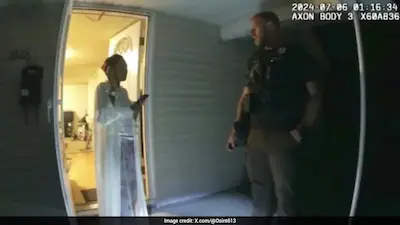
The case began on July 6, 2024, when Massey called 911 to report a possible prowler outside her Springfield-area home.
Grayson and another deputy responded to the residence.
What happened inside Massey’s kitchen was captured on the other officer’s body-camera footage and would later become central evidence in the murder case.
At one point, Massey picked up a pot containing hot water.
Grayson perceived the pot as a threat and ordered her to put it down.
Massey apologized and ducked for cover.
Grayson then fired three shots, striking Massey and killing her.
Grayson’s own body camera was not activated for most of the encounter and only came on shortly after he drew his weapon, according to reports.
The shooting sparked national outrage, protests and renewed scrutiny of police use of force.
Grayson was fired from his position and eventually charged with first-degree murder. A jury ultimately convicted him of the lesser charge of second-degree murder.
His cancer battle behind bars
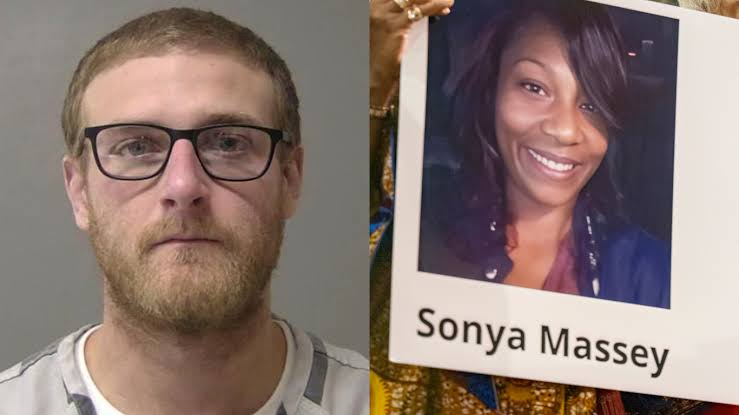
Grayson had been diagnosed with colon cancer before the shooting, and his condition later progressed to advanced disease involving his liver and lungs.
While serving his sentence, he sought medical release under Illinois law.
His request was unanimously rejected by the Illinois Prisoner Review Board in July.
The decision meant Grayson would remain in prison rather than receive an early release based on his medical condition.
At the time, attorneys representing Massey’s family supported the decision, arguing that his medical condition should not erase the sentence imposed after his conviction.
Now, less than a year into his 20-year sentence, Grayson is dead.
Massey’s family reacts
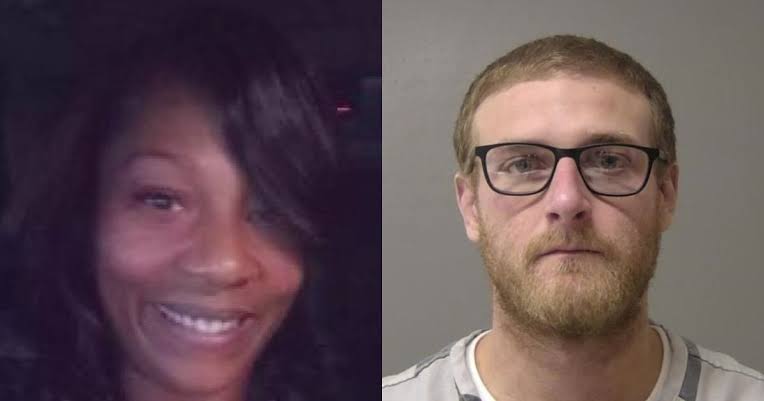
Attorneys Ben Crump and Antonio Romanucci, who represent Massey’s family, acknowledged Grayson’s death in a statement while emphasizing that his death could not undo what happened to Massey.
They said Massey’s death was unjustifiable and that she should still be alive.
They also expressed sympathy for Grayson’s family while noting that Massey’s loved ones would continue to live with the loss.
“Grayson’s death in custody from cancer does not bring Sonya back,” the attorneys said.
Massey’s killing became a national flashpoint and prompted broader scrutiny of law-enforcement hiring, training and use of force.
The case also contributed to legislative changes in Illinois, including the Sonya Massey Act, which strengthened background-check requirements for law-enforcement applicants.
For Grayson, the prison sentence that was supposed to last two decades ended after only months.
For Massey’s family, however, his death does nothing to change the devastating outcome of the July 2024 encounter that took a 36-year-old mother’s life after she called police for help.
Source: nypost.com