Mariska Hargitay nearly left ‘Law & Order SVU’ over fear of being a ‘one-trick pony’
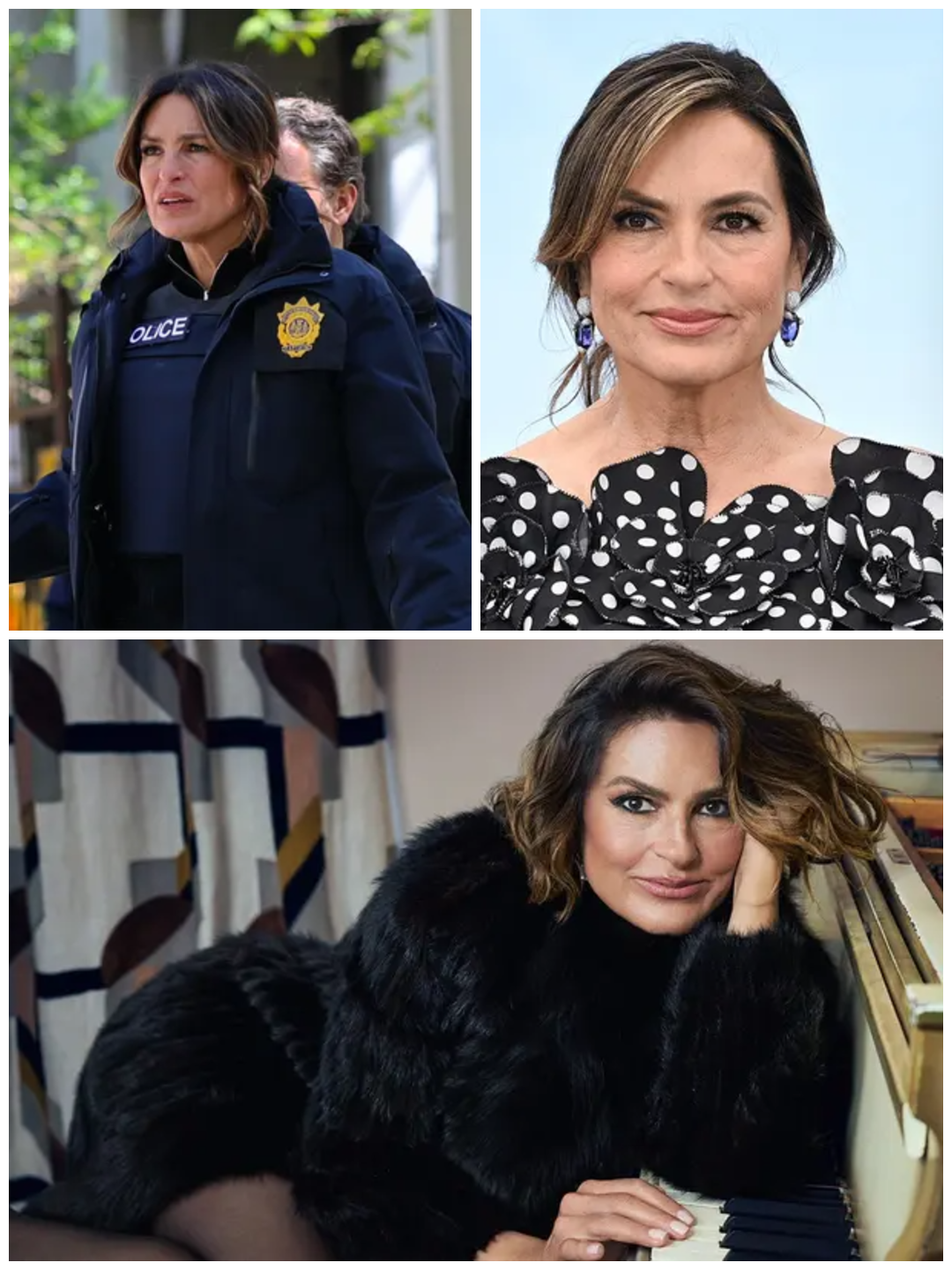
For more than 25 years, Mariska Hargitay has been almost inseparable from Olivia Benson.
Since Law & Order: Special Victims Unit premiered in 1999, Hargitay has played the determined detective who eventually rose through the ranks and became one of television’s longest-running dramatic characters.
But after spending decades in the role, Hargitay says she reached a point where she seriously wondered whether staying was hurting the rest of her career.
Her fear was simple.
She did not want audiences to see her as someone capable of playing only one character.
“I don’t want people to think I’m a one-trick pony,” Hargitay recalled telling fellow actress Julianna Margulies when she was considering whether it was finally time to leave SVU.
Margulies, who famously walked away from ER after six seasons, responded with a reality check Hargitay has never forgotten:
“Sweetheart, that ship’s sailed.”
For Hargitay, the exchange forced her to reconsider what it actually meant to be associated so closely with Olivia Benson.
The Doubts Became Serious Around Season 25
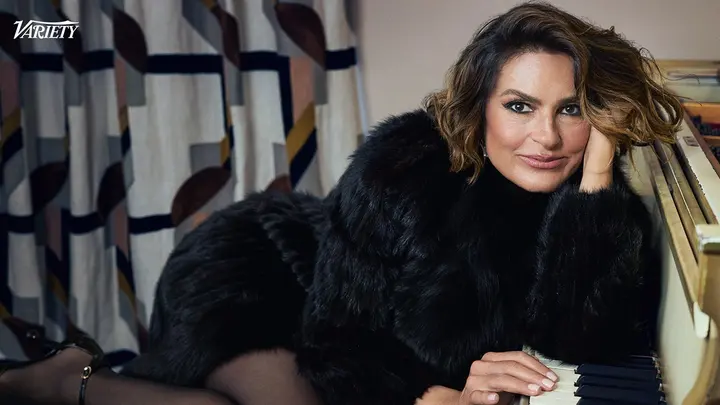
Hargitay told Variety that she began seriously questioning her future on SVU around the show’s 25th season.
By then, leaving was not simply a matter of deciding whether she still liked the job.
Olivia Benson had become a cultural institution.
Hargitay had played the character longer than many television series remain on the air at all.
She had won an Emmy.
She had become an executive producer.
And millions of viewers associated her almost completely with Benson.
That enormous success came with an unexpected downside.
Hargitay worried that the longer she stayed, the harder it would become for audiences — and perhaps Hollywood itself — to imagine her doing anything else.
She wanted to know whether there was still room for another version of Mariska Hargitay onscreen.
Comedy Was One of the Things She Felt She Was Missing
The concern was not only about typecasting.
Hargitay also felt creatively limited by the demanding schedule of a network drama.
SVU deals with extremely serious subject matter, and Benson is usually operating inside emotionally intense situations.
Hargitay said she sometimes felt she was exercising only one part of herself as a performer.
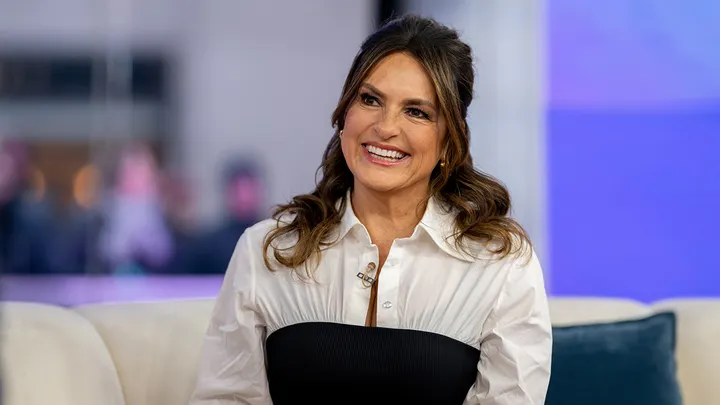
“The comedy thing was painful to me,” she explained, because she knew she had other instincts she was not getting to use regularly.
People around her noticed it too.
She recalled being told that she should leave the show and pursue comedy.
Others suggested she should host a talk show.
Those possibilities appealed to the part of Hargitay that wondered what her career might have looked like if SVU had not consumed so much of her professional life.
But there was one major problem.
She still loved the show.
She Wasn’t Actually Ready to Walk Away
Hargitay’s doubts never erased her attachment to Olivia Benson.
That became the key distinction.
She may have wanted other opportunities, but she did not necessarily want to give up the character that had become such an important part of her life.
“I wasn’t ready to leave, because I loved it,” she said.
Instead of treating the situation as an either-or choice, Hargitay gradually found another solution.
She began doing other things while remaining on SVU.
That shift changed the way she viewed the future.
She made a movie while continuing to film the series.
She performed in a play during a six-week hiatus.
She also prepared to host the Emmys.
Those experiences gave her proof that Olivia Benson did not have to consume every part of her professional identity.
She could stay.
And she could still explore.
Julianna Margulies Had Already Made the Opposite Choice
Hargitay’s conversation with Margulies was particularly meaningful because Margulies knew what it was like to become identified with one enormous television role.
Margulies played nurse Carol Hathaway on ER, another defining NBC drama.
Unlike Hargitay, however, Margulies eventually left.
Her departure after six seasons allowed her to move into other projects, including the later hit The Good Wife.
So when Hargitay told her she was worried about becoming permanently identified as Benson, Margulies was perhaps uniquely qualified to understand the concern.
Her “ship’s sailed” response may have sounded blunt, but it also carried an important point.
After 25 seasons, Hargitay was already Olivia Benson in the minds of millions.
Leaving at that stage would not erase the association.
The question was no longer whether she could avoid becoming identified with Benson.
She already was.
The better question was what else she could build around that identity.
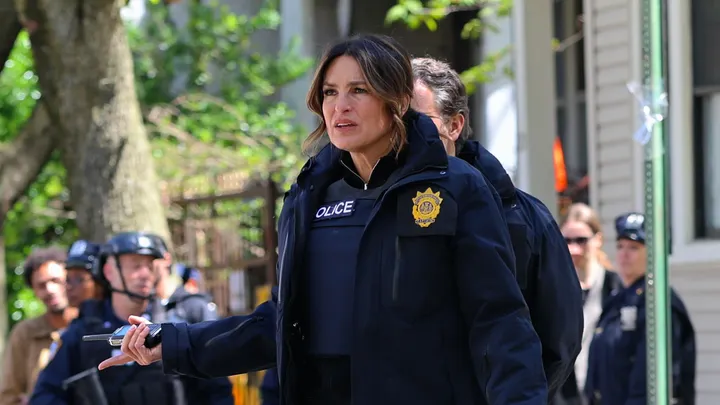
Olivia Benson Became Bigger Than a Typical Television Role
Part of what makes Hargitay’s situation unusual is the sheer longevity of SVU.
When the show debuted in 1999, there was no reason to assume Hargitay would still be playing Benson more than a quarter century later.
Yet the character continued evolving.
Benson began as a detective working alongside Christopher Meloni’s Elliot Stabler.
Over time, she became a leader, moved into higher-ranking positions and eventually became the central figure holding the series together.
Hargitay also became an executive producer in 2016, giving her influence behind the camera as well as in front of it.
In 2019, SVU reached another extraordinary milestone when it became the longest-running live-action primetime television drama in U.S. history.
Very few actors ever get a role with that kind of staying power.
Even fewer remain with it long enough to shape the character across multiple generations of viewers.
Hargitay Says the Show Offers Something Unexpectedly Comforting
Hargitay has also reflected on why Law & Order continues to resonate despite dealing with disturbing subject matter.
In a previous interview with Fox News Digital, she praised franchise creator Dick Wolf for understanding something unusual about crime television.
A crime show might seem as though it should make viewers more anxious.
But Hargitay believes Law & Order can sometimes do the opposite.
The structure offers reassurance.
There are investigators.
People are listening.
Someone is trying to help.
Hargitay described that sense of order as something that can actually calm viewers, despite the darkness of the stories.
That idea is especially relevant to Olivia Benson.
For longtime fans, Benson represents consistency.
She has spent decades listening to victims, confronting perpetrators and insisting that difficult stories deserve to be heard.
That emotional connection may help explain why Hargitay has found the role so difficult to leave.
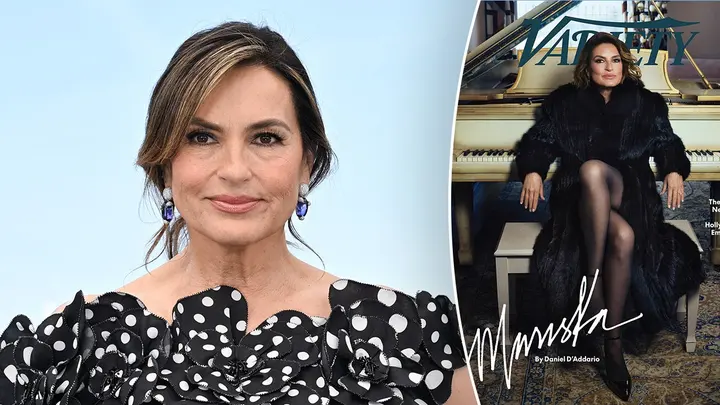
She No Longer Seems Focused on an Exit
For now, the anxiety that once made Hargitay consider walking away appears to have faded.
She says she is not currently thinking about quitting.
The reason is not that she has abandoned her desire to do other kinds of work.
It is that she has finally found ways to do both.
She can remain Olivia Benson while pursuing projects outside SVU.
That realization seems to have changed what once felt like a creative trap into something more flexible.
Hargitay may always be associated with Benson.
Margulies was right about that.
But being known for one extraordinary role does not necessarily mean being capable of only one thing.
The Role She Feared Would Limit Her Became Her Legacy
There is a strange irony at the center of Hargitay’s story.
The thing she once feared — being permanently identified with Olivia Benson — is also one of the greatest achievements of her career.
Most actors spend their lives hoping to create one character audiences will remember.
Hargitay created one audiences have followed for more than 25 years.
She once wondered whether staying would make people think she was a “one-trick pony.”
Now she appears to see the situation differently.
She can make movies.
She can return to the stage.
She can host major television events.
And she can still walk back onto the SVU set as Olivia Benson.
The role did define her career.
But Hargitay has decided that does not mean it has to define its limits.