Dolly Parton Dies at 80 After a Brief Battle with Cancer, Leaving Behind a Remarkable Legacy
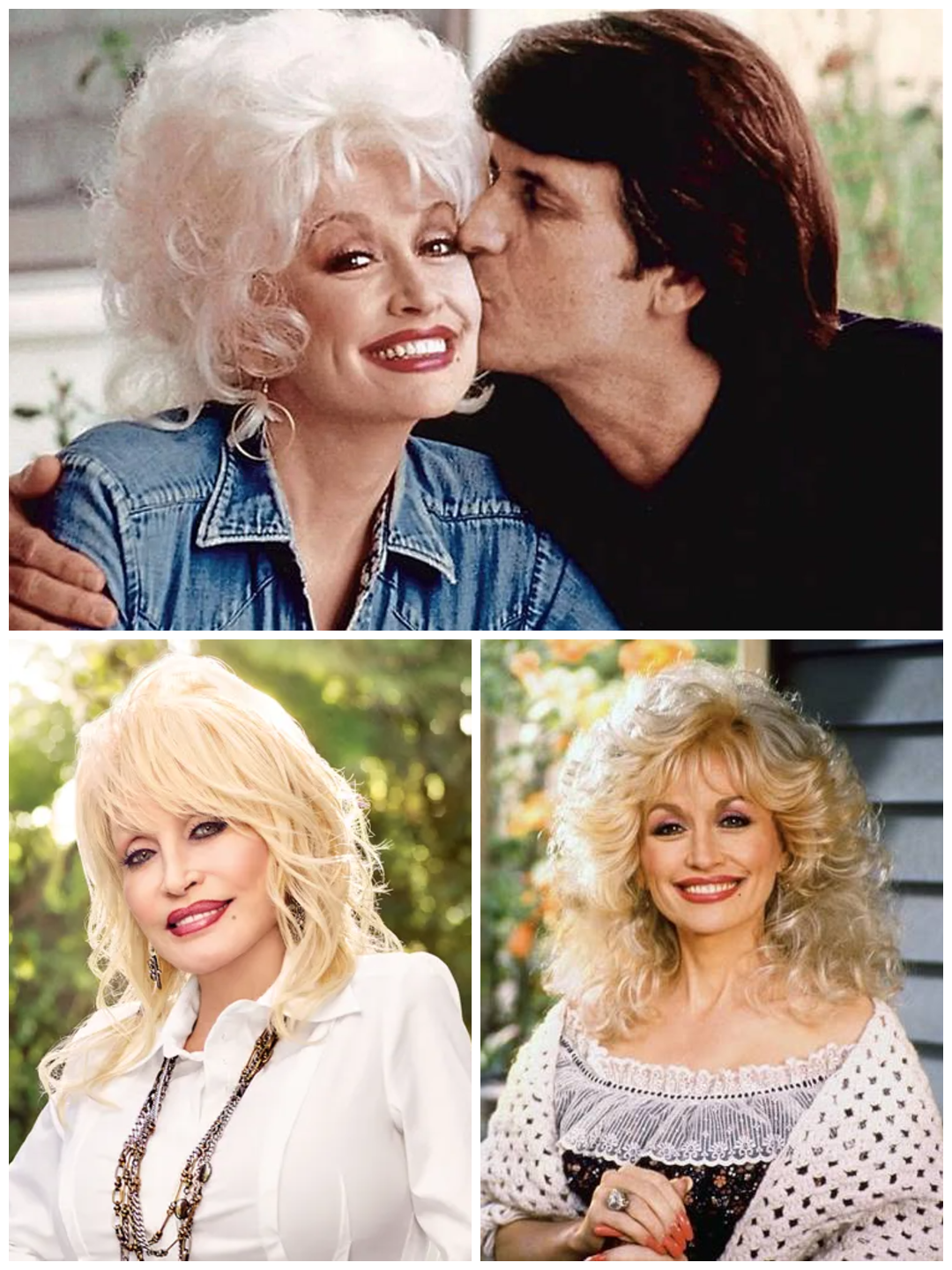
Dolly Parton, the country music legend whose songs, unmistakable voice and generosity made her one of the most beloved figures in American entertainment, has died at the age of 80.
Parton died Tuesday, Aug. 25, after what her representatives described as a “brief battle with cancer.” Her team confirmed that she died at Vanderbilt-Ingram Cancer Center in Nashville while surrounded by loved ones. The specific type of cancer was not disclosed.
The confirmation brought new clarity to the health struggles Parton had acknowledged only days earlier — while also making her final public comments about continuing to work especially poignant.
According to PEOPLE, Parton had been admitted to Vanderbilt-Ingram Cancer Center on Friday, Aug. 21, four days before her death. She had also been dealing with kidney and autoimmune-related health problems before her hospitalization.
Her representatives remembered her not only as an entertainer but as a woman whose generosity reached people she would never personally know.
Their statement highlighted her work through Dolly Parton’s Imagination Library, which has distributed hundreds of millions of books to children, along with her financial support for medical research.
The statement said Parton’s love for people remained at the center of the enormous impact she made throughout her life, before confirming that she died surrounded by family and loved ones after her cancer diagnosis.
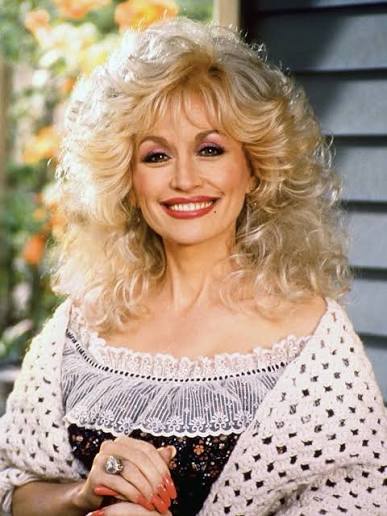
Her Nephew Delivered the News She Had Planned Years Earlier
The first public announcement came from Parton’s nephew Bryan Seaver, who shared the news in an emotional Instagram video on Aug. 25.
Seaver is the son of Parton’s sister Cassie and had worked as his aunt’s head of security for more than two decades. His father, Larry, previously held the same position.
What made the announcement particularly emotional was that Seaver said Parton herself had asked him years earlier to be the person who would eventually deliver the news of her death.
At the time she made the request, he said, it was difficult to imagine the moment ever becoming real.
In his video, Seaver represented the Parton and Owens families while announcing the death of the woman family members knew by several affectionate names, including “Sister,” “Sis,” “Granny” and “Gigi.”
Seaver described making the announcement as both an honor and an intensely painful responsibility. He also reflected on Parton’s deep Christian faith, expressing his belief that she had been reunited with her husband, Carl Dean, as well as her parents and other loved ones who died before her.
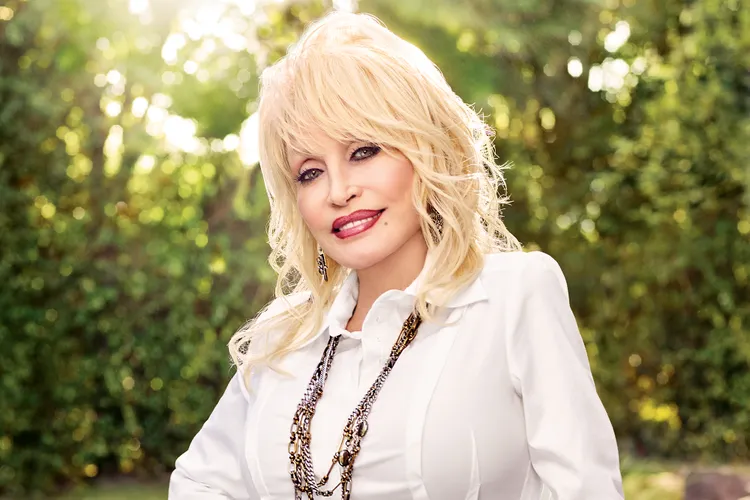
Just Four Days Earlier, Parton Said She Still Wanted to Keep Working
Perhaps the most heartbreaking part of Parton’s final days is how determined she remained to continue creating.
On Aug. 21, the same day she was admitted to the hospital, Parton spoke publicly about experiencing health problems.
She explained that she had neglected some of her own needs while caring for Carl Dean, her husband of nearly six decades, before his death in March 2025.
Parton noted that it was not the first difficult health period she had experienced. She recalled facing significant medical problems decades earlier and spoke with the humor and resilience that had characterized so much of her public life.
Even while acknowledging that she was still recovering, Parton emphasized that she had no intention of simply giving up her work.
She said she still had many ideas and ambitions she hoped to bring to life and intended to remain productive as long as she was able.
Four days later, she was gone.
Nearly Six Decades with Carl Dean
Parton’s final years had also included one of the most painful personal losses of her life.
Her husband, Carl Dean, died in March 2025 after nearly 60 years of marriage.
The two married in 1966, long before Parton became one of the world’s most recognizable performers. Unlike his famous wife, Dean consistently avoided the spotlight and rarely appeared at entertainment-industry events.
Parton often said that arrangement suited them.
While Dean preferred privacy, she described him as a constant source of support and one of her biggest fans behind the scenes. After his death, Parton said that words could not adequately express the love they had shared over more than six decades.
She had also joked over the years that spending time apart contributed to the longevity of their marriage. Her busy touring schedule meant they were frequently separated, but Parton said that made the quiet moments they shared at home even more meaningful.
From Rural Tennessee to a Global Career
Parton’s death closes one of the most extraordinary careers in American music.
Born in Tennessee into a large family with little money, she transformed her talent for songwriting into a career that stretched across music, film, television, business and philanthropy.
Her first album, Hello, I’m Dolly, arrived in 1967.
Over the following decades, she created songs that became part of American popular culture, including “Jolene,” “Coat of Many Colors,” “9 to 5” and “I Will Always Love You.”
The last of those songs became a major hit for Parton herself before finding an entirely new audience when Whitney Houston recorded a soaring version for The Bodyguard.
Parton ultimately sold more than 100 million records and earned 11 Grammy Awards, according to Reuters, while PEOPLE has described her as the best-selling female country artist of all time, with more than 160 million albums sold worldwide.
Her appeal extended far beyond country radio.
She starred alongside Jane Fonda and Lily Tomlin in the 1980 comedy 9 to 5 and later appeared in films including Steel Magnolias. She also helped build Dollywood into one of Tennessee’s best-known attractions.
A Legacy That Went Far Beyond Music
For millions of people, Parton’s greatest accomplishments were not limited to records or awards.
Her Imagination Library began in Tennessee in 1995 with the goal of providing free books to young children. The program eventually expanded far beyond her home state and reached families around the world.
She also donated $1 million toward research connected to the Moderna COVID-19 vaccine and repeatedly contributed to disaster relief, education and community programs.
That combination — entertainer, songwriter, businesswoman and philanthropist — helped Parton remain unusually beloved across generations.
She could laugh at her glamorous image while writing songs about poverty, heartbreak, ambition and ordinary working people. She rarely seemed interested in abandoning the Tennessee roots that shaped her, even after achieving worldwide fame.
And remarkably, just days before her death, she was still looking forward.
Parton was not speaking as though her story had already been completed.
She still had projects she wanted to finish, ideas she wanted to pursue and work she hoped the world would eventually see.
That determination may now stand as one of the clearest final reflections of the woman behind the rhinestones: Dolly Parton spent her life building, writing, giving and dreaming — and, right until the end, she still believed there was more left to do.