Nonverbal Autistic Boy Speaks in Full Sentences at Age 8 After Taking Leucovorin
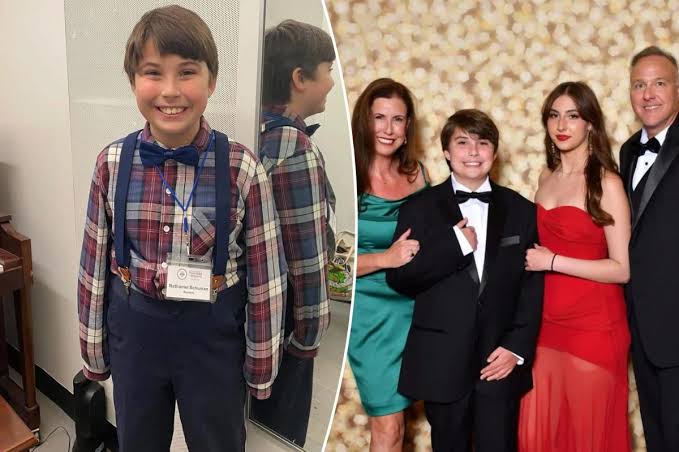
Nonverbal Autistic Boy Speaks in Full Sentences at Age 8 After Taking Leucovorin
ARIZONA — For years, Nathaniel Schumann understood almost everything people said to him, but he couldn’t tell them what was in his mind. Then, at age 8, the nonverbal autistic boy began speaking in full sentences after participating in a clinical trial involving the decades-old drug leucovorin.
His remarkable progress has given hope to many families of children with autism, while doctors caution that the treatment is not a cure and may only benefit certain children.
A Childhood Without Spoken Words
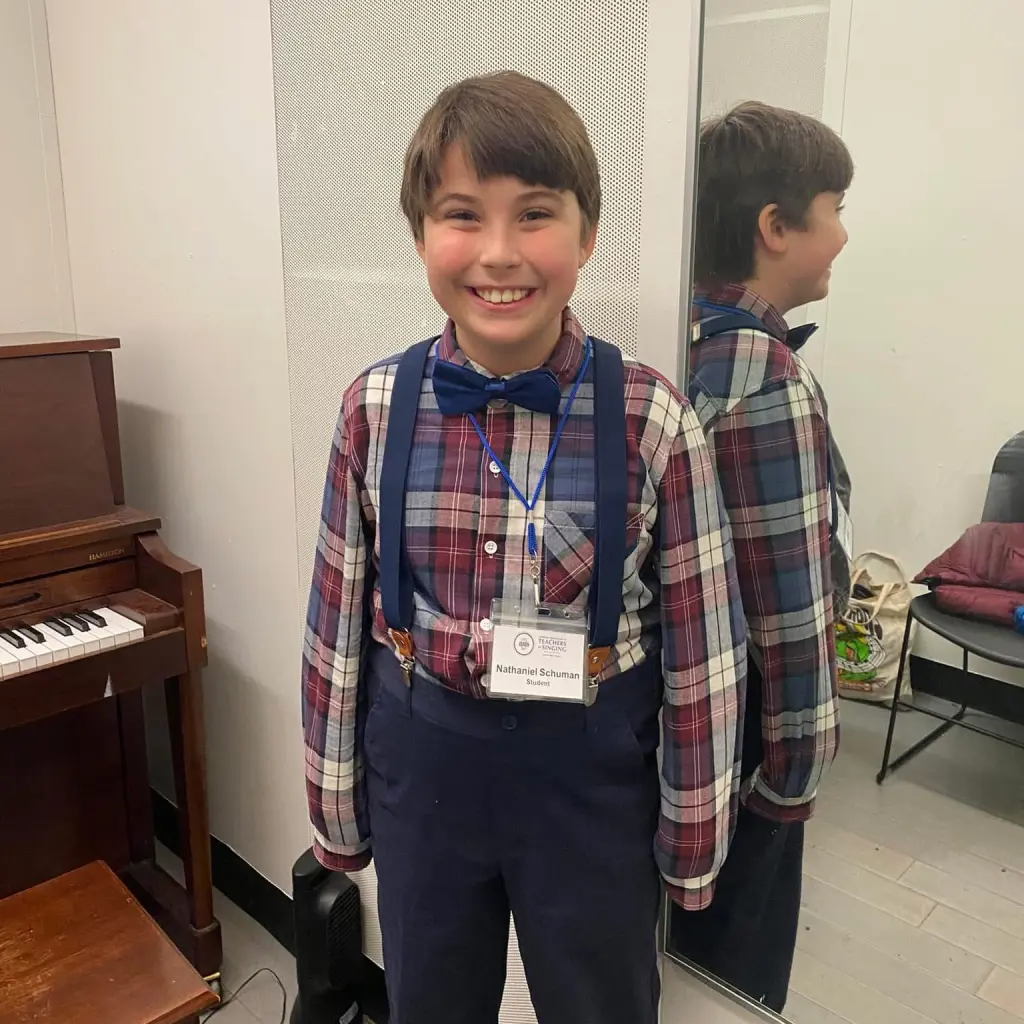
Nathaniel was diagnosed with autism, ADHD and receptive-expressive language disorder as a toddler.
Although he rarely spoke, his mother, Dr. Kathleen Schnier, said her son understood nearly everything around him. He communicated through gestures, facial expressions and a speech-generating device, but expressing his thoughts verbally remained his greatest challenge.
His family spent years pursuing intensive speech therapy, occupational therapy and behavioral interventions, hoping to unlock his ability to communicate.

A Breakthrough in Six Months
Everything changed after Nathaniel enrolled in a clinical trial studying leucovorin, a folate-based medication originally developed to reduce certain chemotherapy side effects and treat folate deficiency.
Within about six months, Nathaniel began speaking in complete sentences.
His mother said the transformation was extraordinary—not because the drug taught him language, but because it seemed to help him access abilities that had already been developing through years of therapy.
Today, Nathaniel is able to have conversations, share jokes and finally voice thoughts he had been unable to express for most of his childhood.
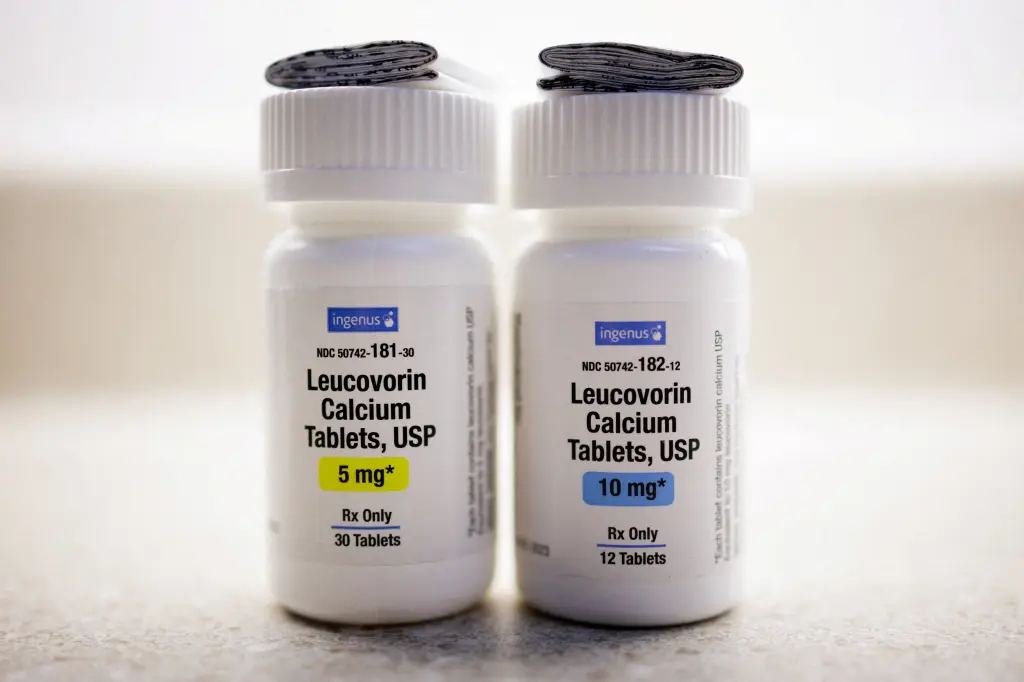
What Is Leucovorin?
Leucovorin, also known as folinic acid, is a form of vitamin B9 that can more easily enter the brain than ordinary folic acid.
Researchers believe some autistic children produce antibodies that interfere with transporting folate into the brain, creating a condition known as cerebral folate deficiency. In those cases, leucovorin may bypass the blockage and improve neurological function.
Dr. Richard Frye, one of the leading researchers studying the treatment, previously reported that about 67% of children in one small clinical trial showed meaningful improvements in verbal communication after 12 weeks of therapy.
Not a Miracle Cure
Despite Nathaniel’s remarkable story, his mother is careful not to describe leucovorin as a miracle drug.
She says years of developmental therapy gave her son the tools to communicate, while the medication appeared to accelerate his ability to use those skills.
Medical experts also emphasize that the evidence remains preliminary. Most studies have involved relatively small numbers of children, and larger clinical trials are still needed before leucovorin becomes a standard autism treatment.
Doctors warn parents against assuming the medication will work for every autistic child, since the benefits appear to be greatest in children with specific folate-related abnormalities.

A Voice Finally Heard
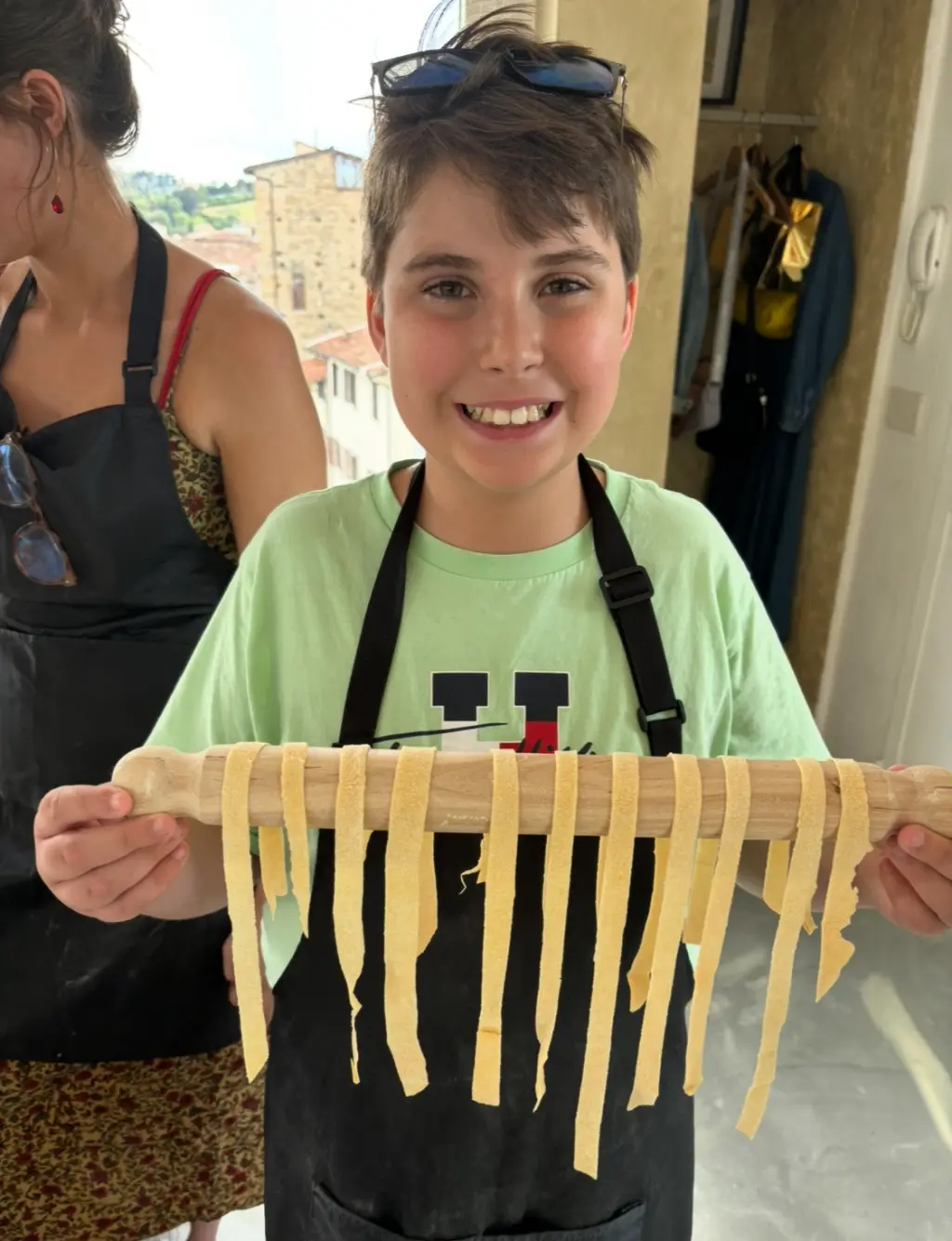
Now 13, Nathaniel enjoys music, sports and school like many other children his age.
Perhaps most meaningful for his family is something much simpler: they can finally hear the thoughts he had been carrying for years.
His mother says one of the biggest surprises after he began talking was discovering that he had opinions about nearly everything.
For families living with nonverbal autism, Nathaniel’s journey represents both hope and perspective—a reminder that while promising treatments may emerge, they work best alongside the patience, therapy and support that often begin long before a child’s first spoken sentence.