More Than Representation: The Rising Talent Bringing Authenticity to Hollywood
For years, deaf characters in Hollywood were often defined by what they could not hear rather than by who they were. Their stories were frequently reduced to disability, with little room for ambition, personality, adventure or complexity.
Then a new generation of performers began changing that picture.
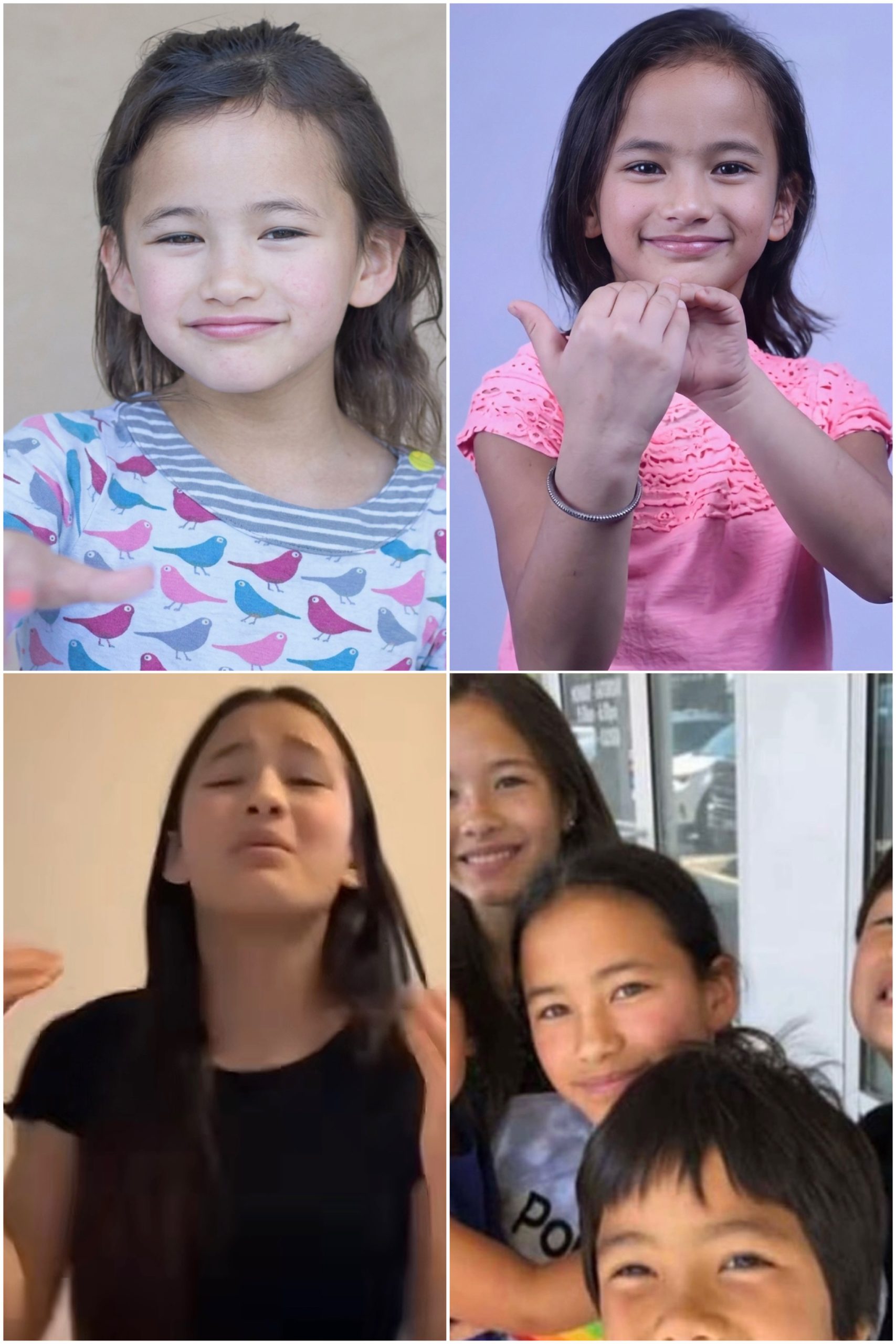
Among them is Kaylee Hottle, a deaf actress whose work has helped bring greater authenticity and visibility to deaf representation on screen. Rather than treating deafness as the entire story, her performances have shown audiences that a character can be deaf while still being fearless, expressive and central to a major story.
Hottle became widely known after appearing as Jia in Godzilla vs. Kong (2021). The role placed a young deaf actress at the center of one of Hollywood’s biggest monster franchises. Her character communicates through American Sign Language and develops a meaningful connection with Kong, creating some of the film’s most emotionally memorable moments.
What made the performance particularly significant was not simply that Hottle was deaf. It was that her character was allowed to exist as a complete person.
Jia is curious, observant and emotionally strong. Her relationship with Kong is built around communication and trust rather than conventional dialogue. In a film filled with enormous creatures and spectacular destruction, some of the quietest moments between the young girl and the giant ape became unexpectedly powerful.
That required Hottle to communicate emotion without relying heavily on spoken words.
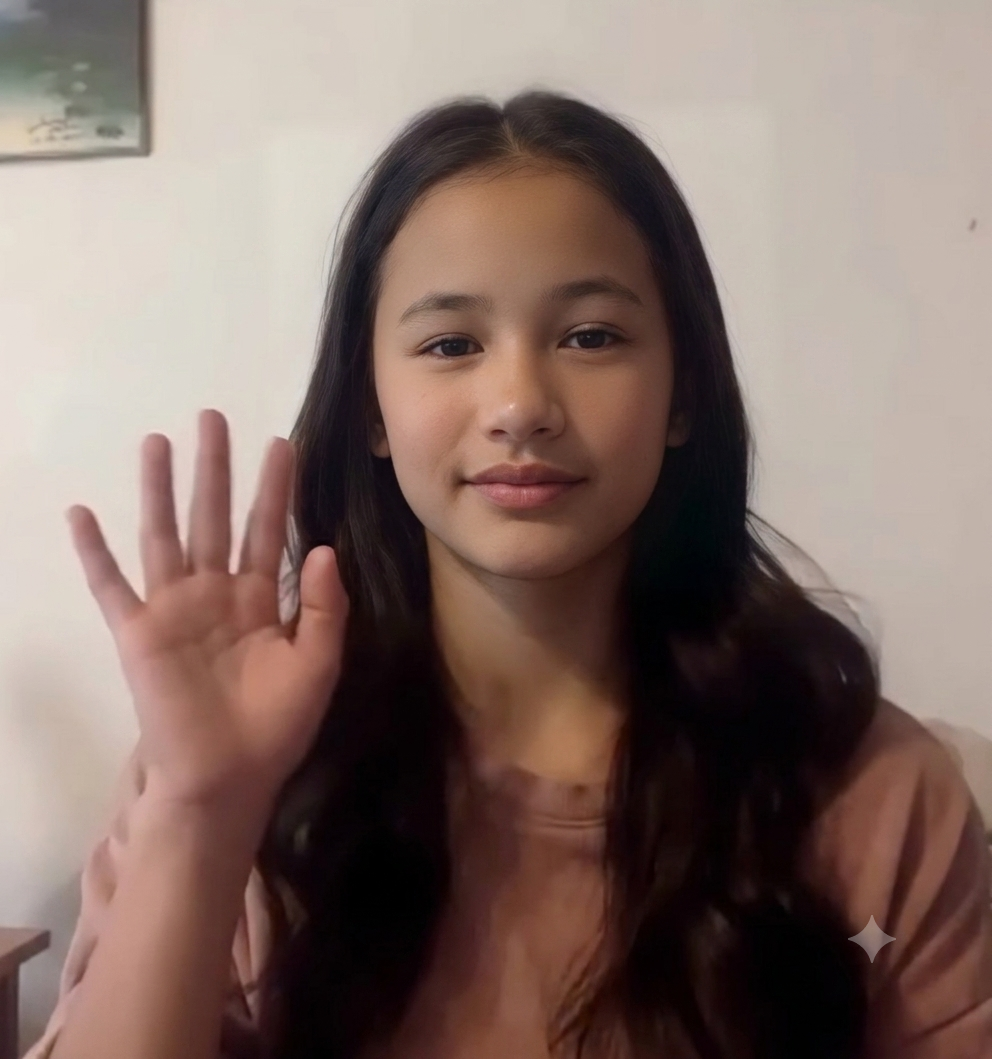
Her use of facial expressions, body language and sign language became an important part of the character’s identity. The performance demonstrated how much storytelling can happen without traditional dialogue.
Hottle later returned as Jia in Godzilla x Kong: The New Empire (2024), giving audiences another opportunity to see the character develop within the expanding MonsterVerse.
Her presence also carried significance beyond the films themselves.
For deaf children watching mainstream movies, seeing someone who communicates in sign language occupying an important role in a major franchise can make the screen feel considerably more familiar. Representation becomes especially meaningful when deaf characters are not portrayed merely as side characters or symbols, but as people whose choices influence the story.
Hottle’s career also reflects a broader shift in Hollywood toward more authentic casting. Instead of having hearing performers portray deaf characters, productions increasingly recognize the importance of giving deaf actors opportunities to portray experiences they understand personally.
That shift does not solve every problem surrounding representation, but it changes who gets to tell the story.

And Hottle’s success is part of that change.
Her significance is ultimately larger than a single franchise. She represents a generation of performers challenging the old assumption that communication, performance and stardom must depend on hearing or conventional speech.
On screen, she does not need to explain her difference.
She simply performs.
And that may be one of the most important things about her growing legacy: audiences are given the opportunity to see a deaf actress not as an exception, but as an actor whose talent deserves to stand on its own.
For a young performer who entered one of Hollywood’s biggest cinematic universes, that is a remarkable beginning.