Student Rejected by 16 Colleges Scores Legal Win in Racial Discrimination Lawsuit
Student Rejected by 16 Colleges Scores Legal Win in Racial Discrimination Lawsuit
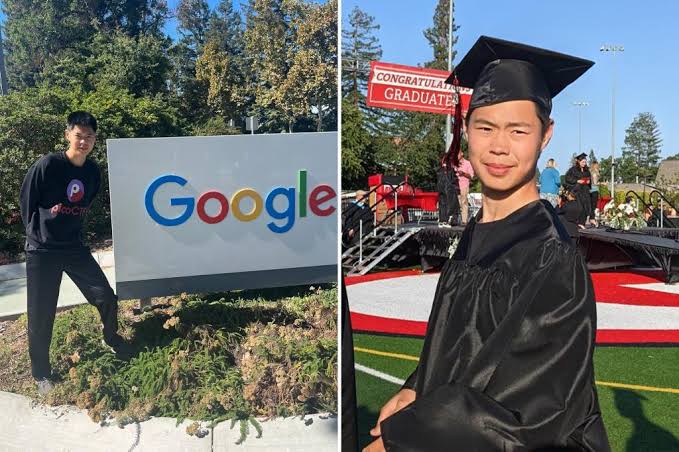
CALIFORNIA — Stanley Zhong, a California student who was rejected by 16 of the 18 colleges he applied to despite an exceptional academic and technology background, has scored an important legal victory in his fight against alleged racial discrimination in college admissions.
A federal judge has allowed Zhong’s lawsuit against the University of Washington to move forward into the discovery phase, meaning the university will now face a process in which evidence and information relevant to the allegations can be examined.
The ruling does not mean the court has determined that the university discriminated against Zhong. His allegations still have to be proven as the case continues.
From Rejected Applicant to Google Engineer
Zhong attracted attention because of the striking contrast between his college-admission results and his professional achievements.
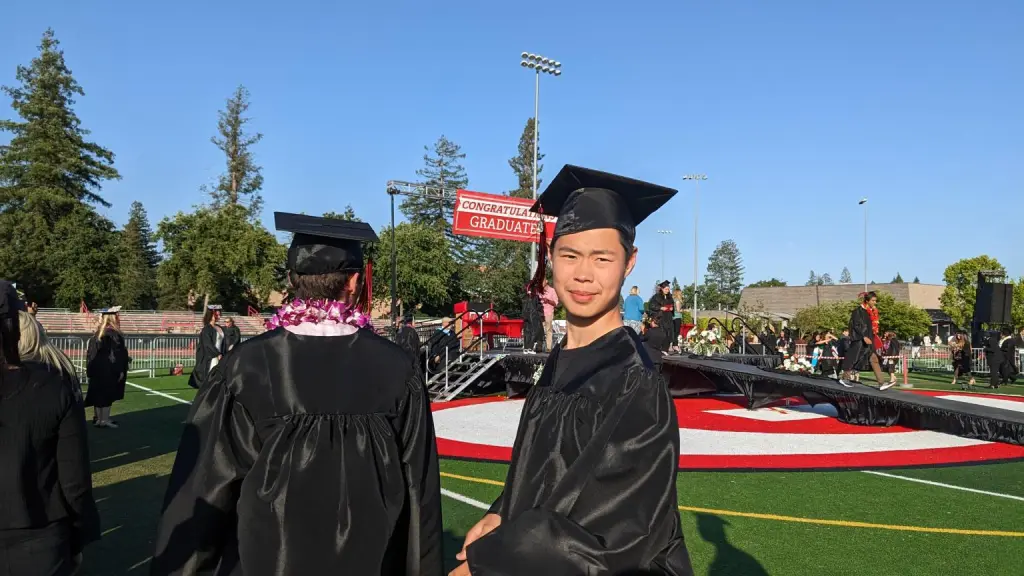
He graduated from a Bay Area high school with an exceptionally strong academic record, including a reported 4.42 GPA and 1,590 SAT score, along with accomplishments in computer science and coding competitions.
Yet Zhong was reportedly rejected by 16 of the 18 colleges to which he applied.
Then came an unexpected turn.
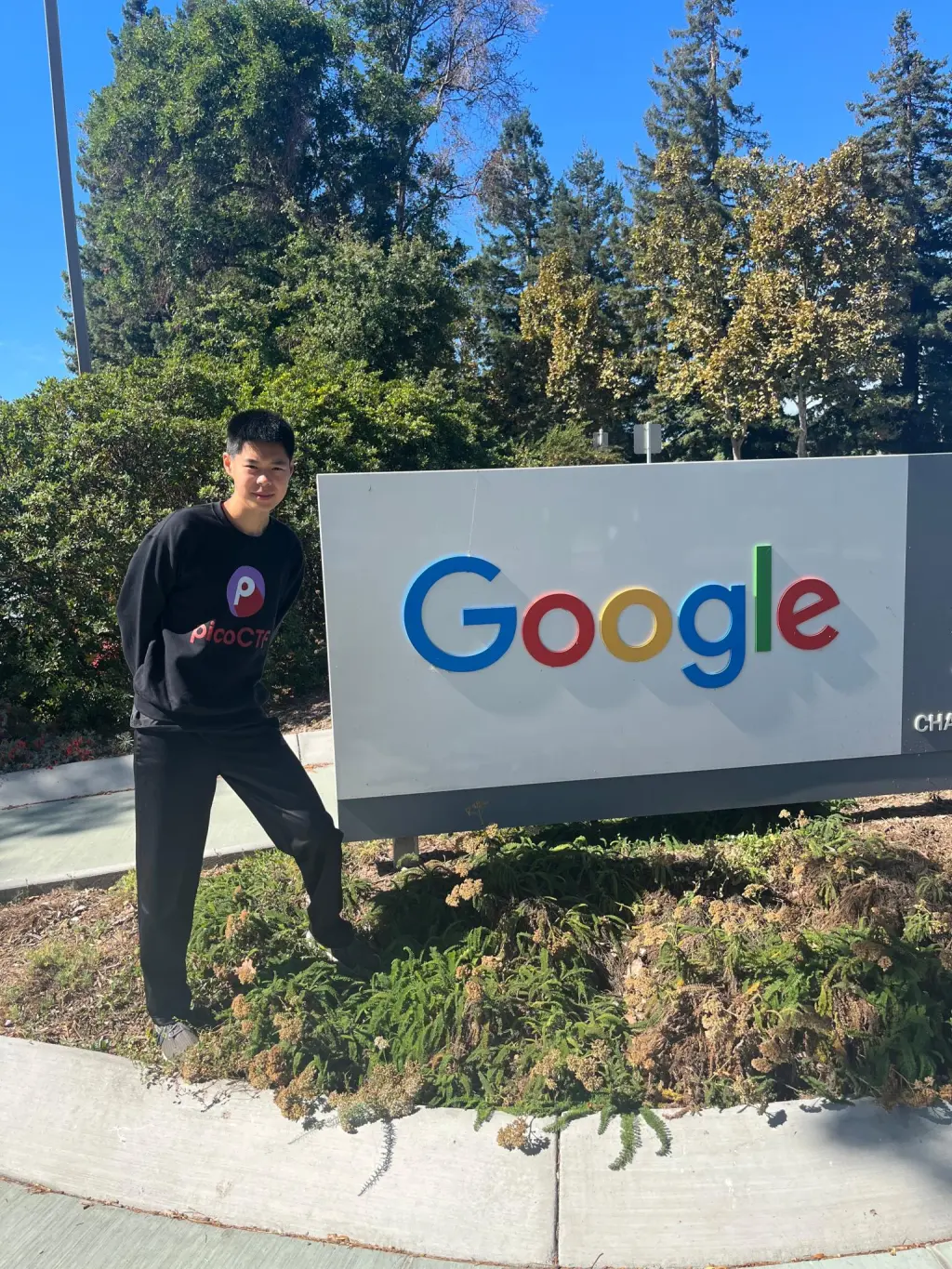
Instead of attending one of those universities, Zhong went into the technology industry and was hired by Google as an AI engineer.
The contrast between his college rejections and his professional opportunity became a major part of the family’s argument that something was wrong with the admissions process.
His Family Claims Asian Students Were Treated Unfairly
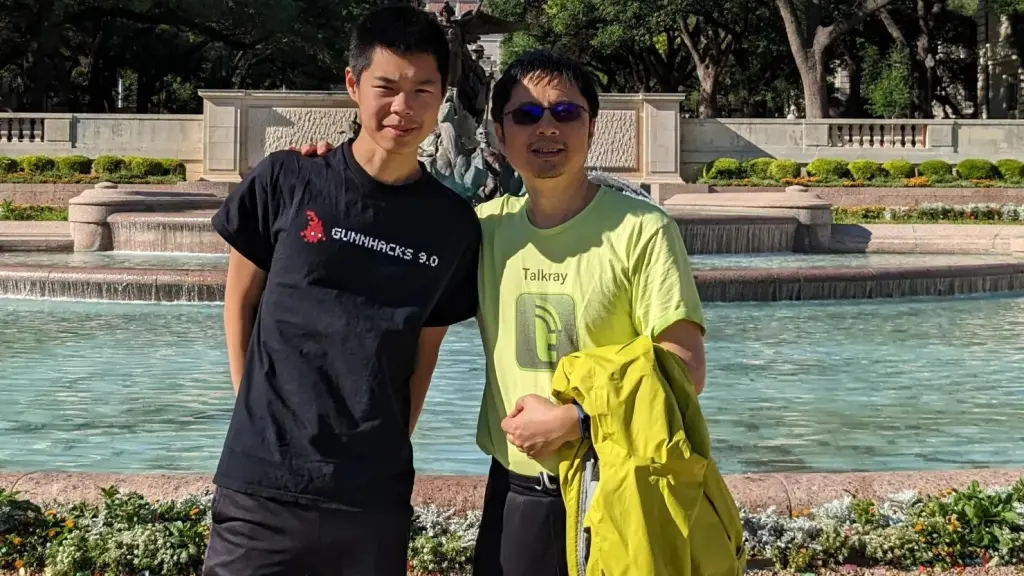
Zhong and his father, Nan Zhong, have alleged that racial bias against Asian applicants played a role in the college admissions decisions.
The family has filed lawsuits involving several universities, arguing that admissions policies can disadvantage Asian-American applicants.
Their legal campaign has included cases involving the University of Washington, the University of California system and Cornell University.
The allegations remain disputed, and the lawsuits are separate from any final judicial determination that a particular university engaged in unlawful discrimination.
Why the Latest Court Decision Matters
The latest ruling is significant because the case against the University of Washington can now move beyond the initial stage.
Discovery can allow Zhong’s legal team to seek information and records relevant to his allegations.
That could potentially include information about how applications were evaluated, how admissions decisions were made and whether race played an impermissible role in the process.
For Zhong and his family, gaining access to that information is an important step in attempting to prove their claims.
His Story Has Drawn National Attention
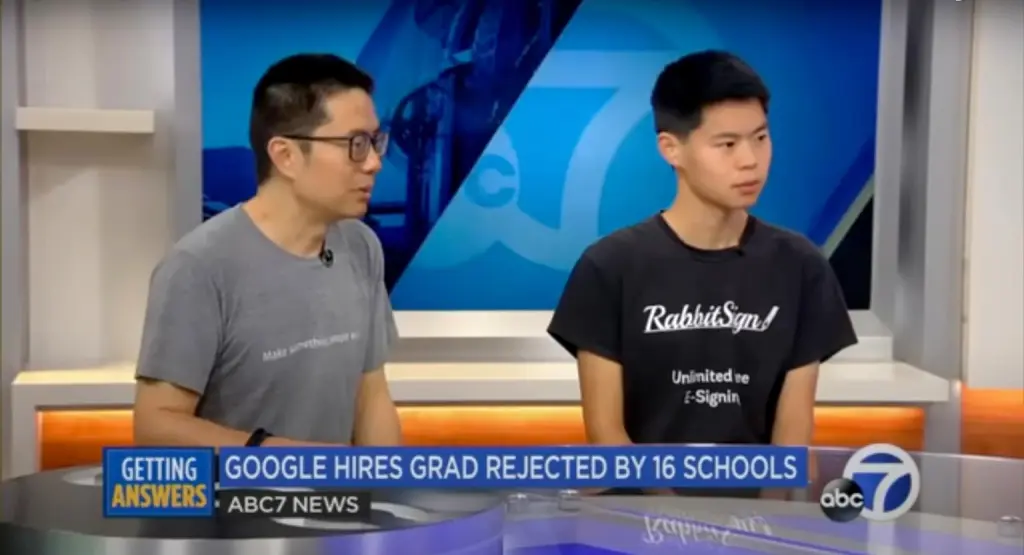
Zhong’s unusual situation has attracted attention because of the apparent contradiction between his academic credentials, his college rejection results and his subsequent career.
His father previously told reporters that the family found it difficult to understand how his son could be rejected by so many highly selective universities while simultaneously being considered qualified enough to work as an AI engineer at one of the world’s most prominent technology companies.
The case has consequently become part of the larger national debate over fairness in university admissions.
The Case Is About More Than One Student
The legal battle could have implications beyond Zhong himself.
Questions surrounding race-conscious admissions have remained controversial in the United States, particularly following the Supreme Court’s 2023 decision that sharply restricted the consideration of race in college admissions.
Zhong’s lawsuits are now testing how those principles apply to the experiences of individual applicants who believe they were treated unfairly.
His family argues that highly qualified Asian applicants should not be disadvantaged because of their race.
Universities, meanwhile, generally maintain that admissions decisions involve many factors and cannot be reduced to a single academic score.
A Legal Fight Still in Its Early Stages
While the latest ruling represents a victory for Zhong, it is important to distinguish permission to continue the lawsuit from winning the lawsuit itself.
The judge has allowed the case to proceed to discovery, but the allegations of racial discrimination have not yet been proven.
The coming stages of the case could reveal more about how Zhong’s application was evaluated and whether his allegations can ultimately be supported by evidence.
For now, the California student’s unusual journey — from being rejected by 16 colleges to becoming a Google engineer and then challenging universities in court — has placed his admissions fight firmly in the national spotlight.
And with the lawsuit now moving forward, the next question is whether the evidence uncovered during discovery will support his claims.