Kaylee Hottle and Millicent Simmonds: Two Deaf Actresses Who Made Hollywood Listen
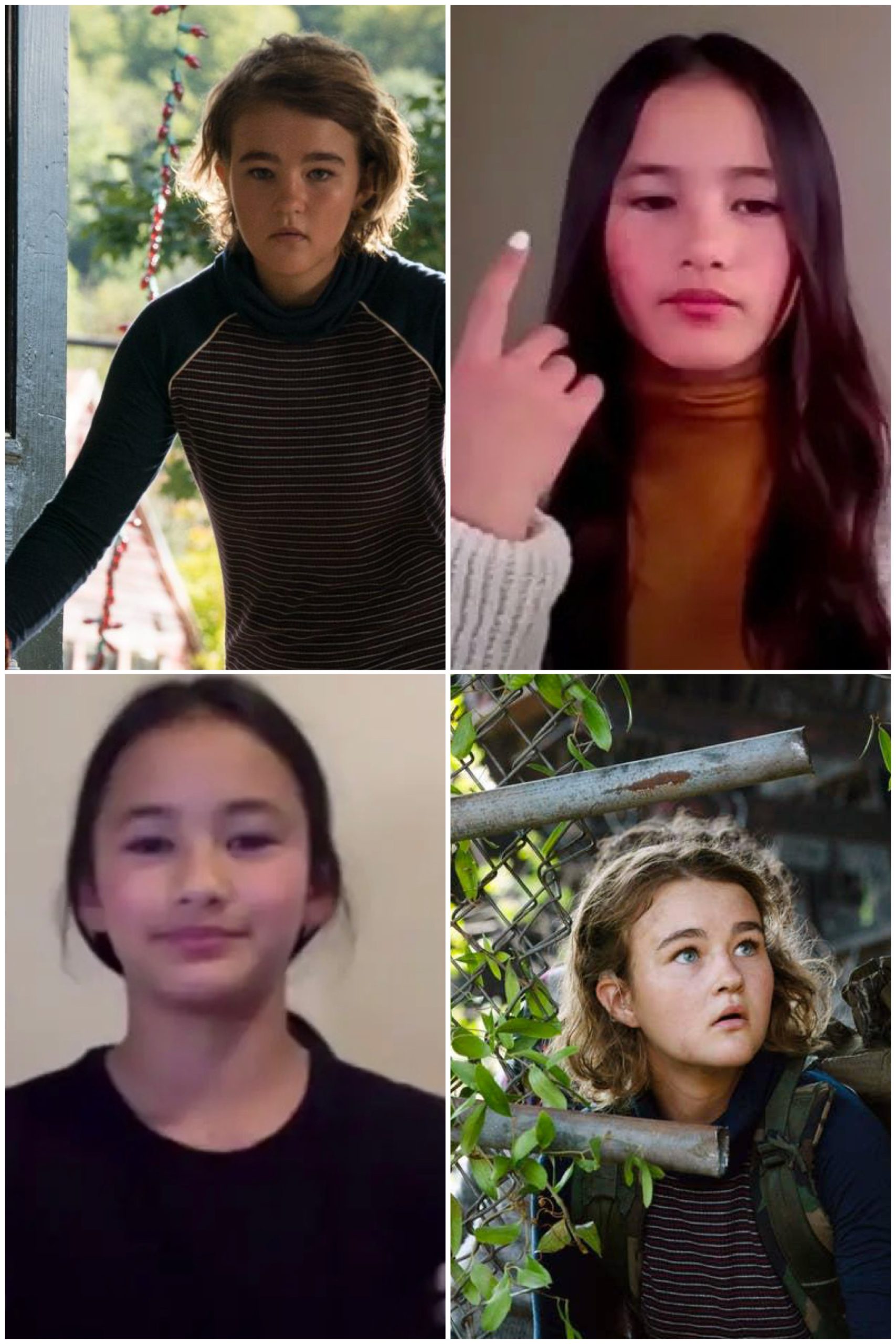
Before Kaylee Hottle became Jia, there were not many young Deaf actresses who could look at Hollywood and see someone like themselves at the center of a major blockbuster.
Then came Millicent Simmonds.
And suddenly, something began to change.
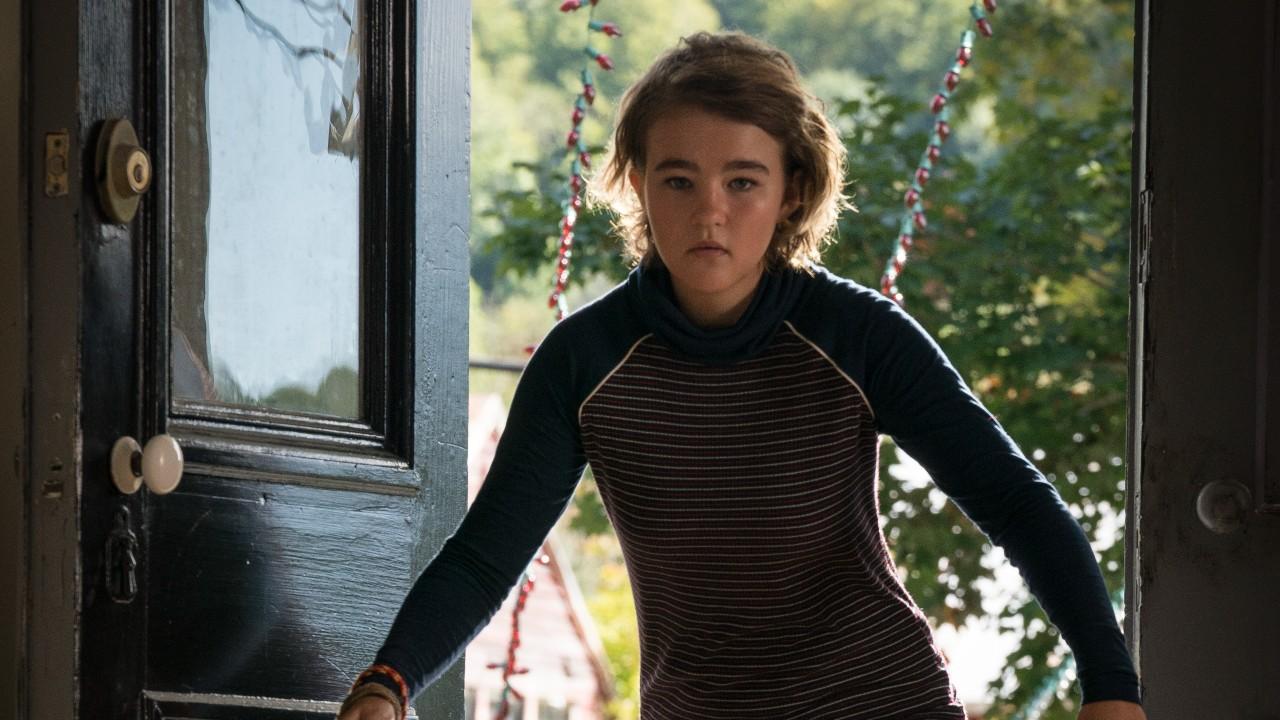
Simmonds became widely known for playing Regan Abbott in A Quiet Place, a Deaf teenager living in a world where the slightest sound can mean death. The role was not only performed by a Deaf actress — it was shaped by someone who understood the character’s experience from her own life. Director John Krasinski has said having a Deaf actress for Regan was essential, while Simmonds helped the cast understand American Sign Language and aspects of Deaf experience on set.
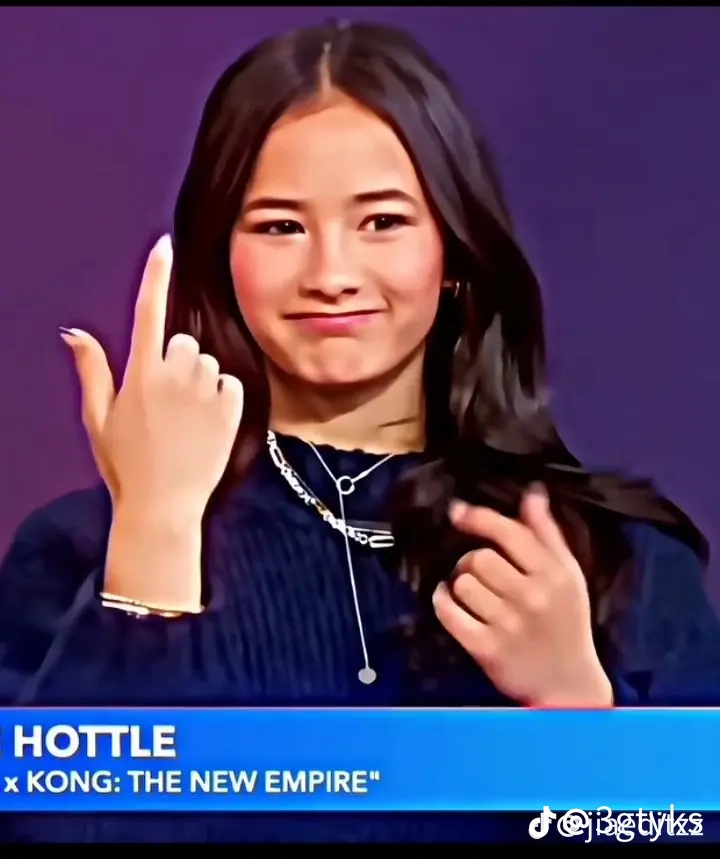
A few years later, Kaylee Hottle stepped into a different kind of world.
There were no terrifying creatures hunting people through sound.
There was Kong.
There was Godzilla.
There were explosions, cities collapsing and monsters towering over the screen.
And right in the middle of it all was Jia.
A Deaf girl who did not need to become someone else in order to belong.
Kaylee and Millicent were separated by different stories, different characters and different franchises.
But their journeys shared something powerful.
They were not asking Hollywood to pretend they were hearing.
They were showing Hollywood what Deaf characters could look like when Deaf actors were allowed to bring their own experiences to the screen.
For Simmonds, representation was personal.
She has spoken about growing up without seeing herself represented in film and television. After Wonderstruck and A Quiet Place, acting became proof that there could be a future for Deaf performers in Hollywood.
Kaylee’s presence carried a similar message.
She came from a multigenerational Deaf family and used American Sign Language as part of her everyday life. When she became Jia in Godzilla vs. Kong, she did not simply play a Deaf character.
She made Deaf communication part of a massive Hollywood adventure.
And audiences listened.
Or, more accurately, they watched.
They watched Jia communicate with Kong.
They watched her express fear, love, anger and determination through her hands and her face.
She did not need long speeches to become one of the emotional centers of the story.
Her silence was never emptiness.
It was language.
It was identity.
It was connection.
That is one of the most striking similarities between Kaylee and Millicent.
Neither actress needed her Deafness to disappear in order for her character to become powerful.
Instead, it became part of what made the characters memorable.
Regan was not simply the Deaf girl in A Quiet Place.
She was a daughter who carried guilt, anger and determination.
Jia was not simply the Deaf girl in Godzilla vs. Kong.
She was the person who could connect with Kong when others could not.
Their Deafness did not erase their individuality.
It helped shape it.
And the industry noticed.
The Ruderman Family Foundation recognized both A Quiet Place Part II for casting Simmonds and Godzilla vs. Kong for casting Hottle with its Seal of Authentic Representation.
That connection between the two films feels even more meaningful now.
Because Kaylee was part of something bigger than one franchise.
She was part of a gradual change in the way Hollywood sees Deaf performers.
Millicent helped make the door visible.
Kaylee helped show just how far someone could walk through it.
And there were others, too.
Actresses such as Lauren Ridloff were also helping expand Deaf representation on screen. Simmonds herself once spoke about how exciting it was to see more Deaf actresses appearing in major productions, saying it felt as though there were no limits to what they could accomplish.
That phrase feels especially powerful when remembering Kaylee.
Because Kaylee’s career was only beginning.
She had already reached a place that many young actors spend years trying to reach.
She had appeared in one of Hollywood’s biggest monster franchises.
She had returned for a sequel.
She had become recognizable around the world.
And she was only 18.
She never got to see how much further that door might have opened.
But the actresses who came before her had already shown what was possible.
And the actresses who come after her can continue the journey.
That may be the most important connection between Kaylee Hottle and Millicent Simmonds.
Neither one was simply an actress playing a Deaf character.
They were young women who gave audiences a different way to see Deafness.
They made signing visible.
They made Deaf characters central.
And they gave young viewers something that Millicent once said she did not have growing up:
someone they could see themselves becoming.
Kaylee’s story ended far too soon.
But the space she occupied on screen does not have to disappear with her.
Somebody else will step into that space.
Another Deaf child will audition.
Another Deaf actress will walk onto a film set.
Another audience will watch her hands move across the screen and realize that this, too, belongs in Hollywood.
Kaylee Hottle did not get enough time.
Millicent Simmonds is still writing her story.
And together, their careers remind us of something much bigger than movies.
Representation is not just about seeing someone on a screen.
Sometimes, it is about seeing a future that you once thought was impossible.
Kaylee became that future for someone.
And now, even after she is gone, the door she helped open can remain open. 🕊️💔