Paramount Said the Forrest Gump Running Sequence Cost Too Much — Tom Hanks Helped Save It
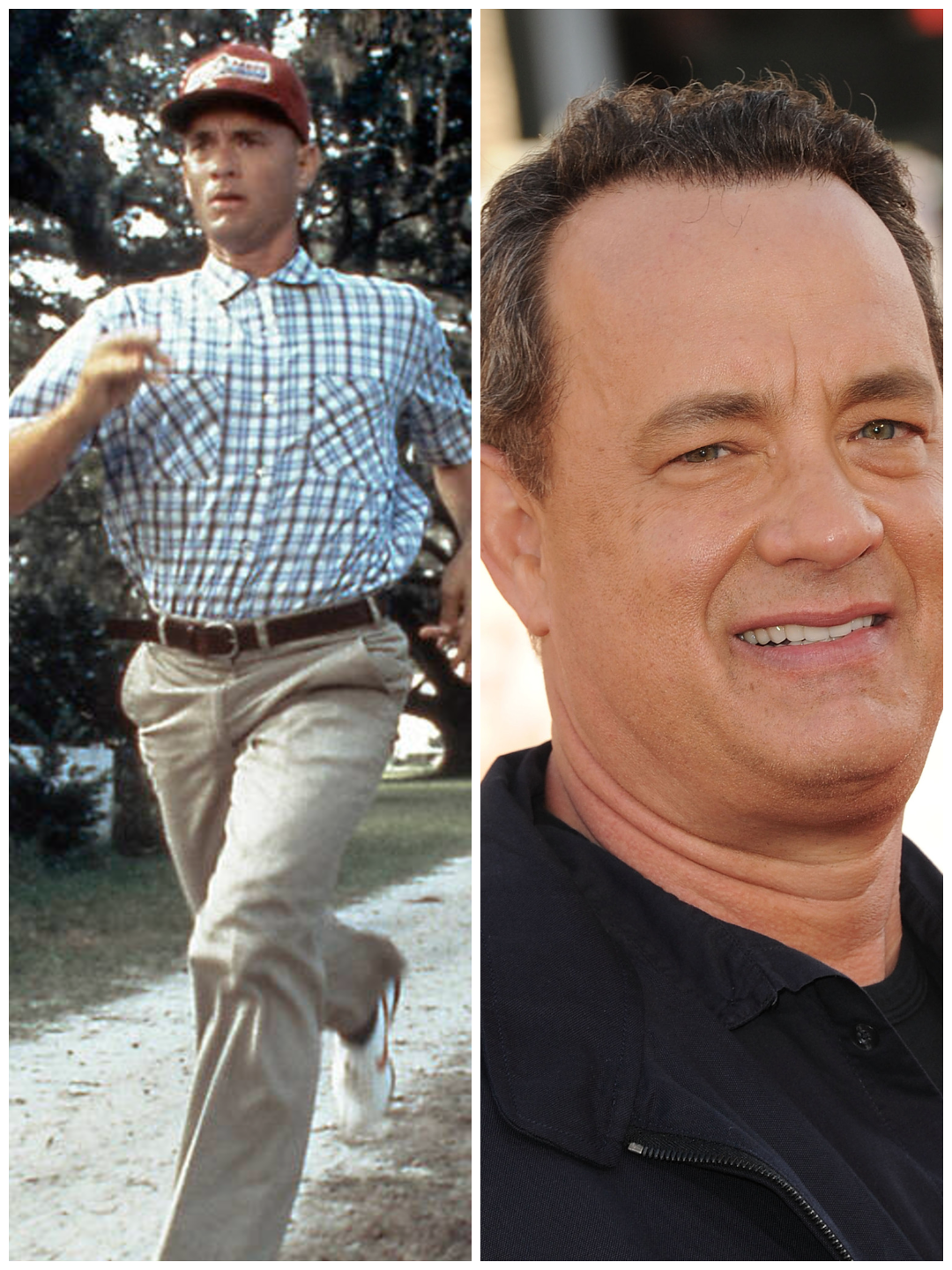
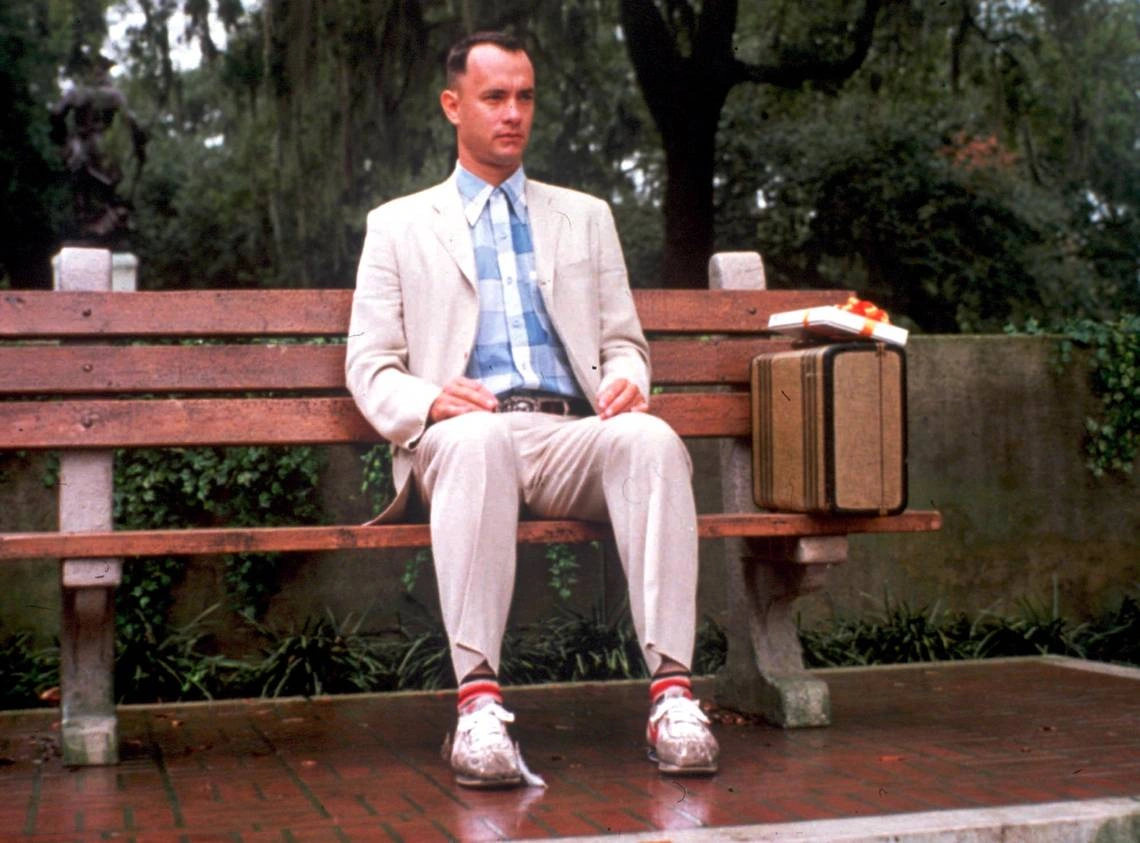
When people remember Forrest Gump, they remember Tom Hanks sitting on a bench with a box of chocolates.
They remember Forrest running from the neighborhood bullies, carrying wounded soldiers through Vietnam, meeting presidents and somehow drifting through some of the biggest moments in modern American history.
And they remember the beard.
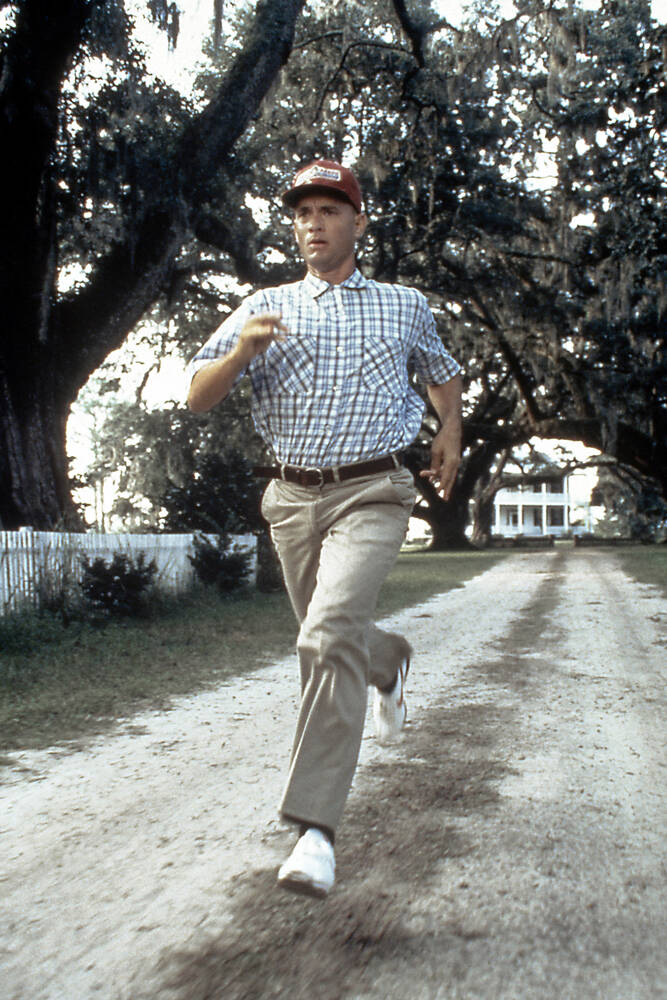
Late in the 1994 movie, Forrest suddenly decides to run. He leaves his Alabama home, reaches the end of the road — and keeps going.
Soon he is crossing America.
The sequence became one of the movie’s defining images: Forrest with long hair and an enormous beard, jogging through deserts, mountains, towns and highways while strangers slowly begin following him.
It feels essential to the film now.
But Tom Hanks later revealed that Paramount did not initially want to spend the additional money needed to complete part of that sequence.
Director Robert Zemeckis still believed the material had to be there.
So he and Hanks came up with an unusual solution.
They would help pay for it themselves.
Forrest’s Run Was More Than a Funny Detour
The running sequence arrives after Forrest has already lived through an extraordinary amount.
He has lost people he loved, built a successful shrimp business and returned to a quieter life in Alabama.
Then, without a grand plan, he starts running.
At first, the decision is almost absurdly simple.
He runs to the end of the road.
Then across town.
Then across the county.
Eventually, Forrest is moving from one side of the United States to the other, growing increasingly unrecognizable as time passes.
The movie turns the journey into both comedy and something more reflective. Reporters try to understand him. People assume he must be running for a cause. Followers attach their own meaning to what he is doing.
Forrest gives them very little explanation.
He just felt like running.
Visually, however, the sequence required much more than simply pointing a camera at Hanks on a road.
The Production Costs Kept Growing
Forrest Gump was already an ambitious movie.
It placed Hanks into historical footage, recreated different decades, staged war sequences and followed Forrest across a lifetime rather than keeping the story inside one location or period.
That ambition created financial pressure.
Hanks has said the running sequence became one of the clearest examples.
The production needed additional material to make Forrest’s cross-country journey work on the scale Zemeckis wanted. But Paramount was unwilling to provide all the extra money required.
From a studio perspective, that kind of decision is easy to understand.
Budgets have limits.
A sequence that looks beautiful or emotionally valuable to the filmmakers still has to survive conversations about how much it costs and whether the movie can function without it.
Zemeckis believed this one could not simply be reduced.
That left him with a choice.
Drop part of the idea — or find another way to finance it.
Hanks and Zemeckis Paid for It Together
The answer to the central question is that Tom Hanks and Robert Zemeckis ultimately put up the money themselves to cover the additional production costs for the running sequence.
Hanks later described the arrangement as an unusual financial deal.
When Paramount would not fund what Zemeckis believed the sequence needed, the director approached his star with another possibility.
They could split the cost.
Hanks agreed.
In return, the pair negotiated for a larger participation in the movie’s eventual profits.
It was a gamble.
At that moment, they did not know Forrest Gump would become one of the defining hits of the decade. They were putting their own financial interests behind a creative decision they believed would make the movie better.
The studio reduced its immediate risk.
Hanks and Zemeckis accepted more of it.
And Forrest kept running.
The Sequence Became Impossible to Separate From the Movie
Looking back, it is difficult to imagine Forrest Gump without those images.
Forrest runs past Monument Valley.
He crosses long stretches of empty American landscape.
His beard grows.
His clothing becomes worn.
People begin trailing behind him as though he has become the leader of a movement he never intended to start.
The sequence also produces several of the movie’s familiar comic ideas, with people attempting to turn Forrest’s accidental observations into slogans and business inspiration.
But underneath the humor is something more important.
The run gives Forrest a way to move through grief and uncertainty without explaining either one.
That is especially fitting for a character who rarely analyzes his emotions in conventional language.
Forrest does not deliver a speech about why he needs distance.
He runs.
The landscapes tell the story with him.
That makes the sequence expensive in exactly the way that also makes it effective.
Its scale matters.
It Wasn’t the Only Time Money Became an Issue
Hanks has said the running material was not the only point during Forrest Gump when financial questions became difficult.
That detail matters because it prevents the story from becoming a simple myth about one studio executive nearly cutting one famous scene.
Large movies often involve constant compromises between what filmmakers want and what a studio is prepared to finance.
What makes this case unusual is the solution.
Hanks was not simply an actor arguing that his favorite scene should stay.
He personally shared some of the financial risk.
Zemeckis did the same.
Their willingness to do that suggests how strongly they believed the material was necessary.
And the profit-participation arrangement meant the decision was not charity.
It was a calculated bet on the movie.
If Forrest Gump succeeded, they could benefit substantially.
If it failed, the choice would look very different.
The Bet Paid Off Far Beyond the Running Scene
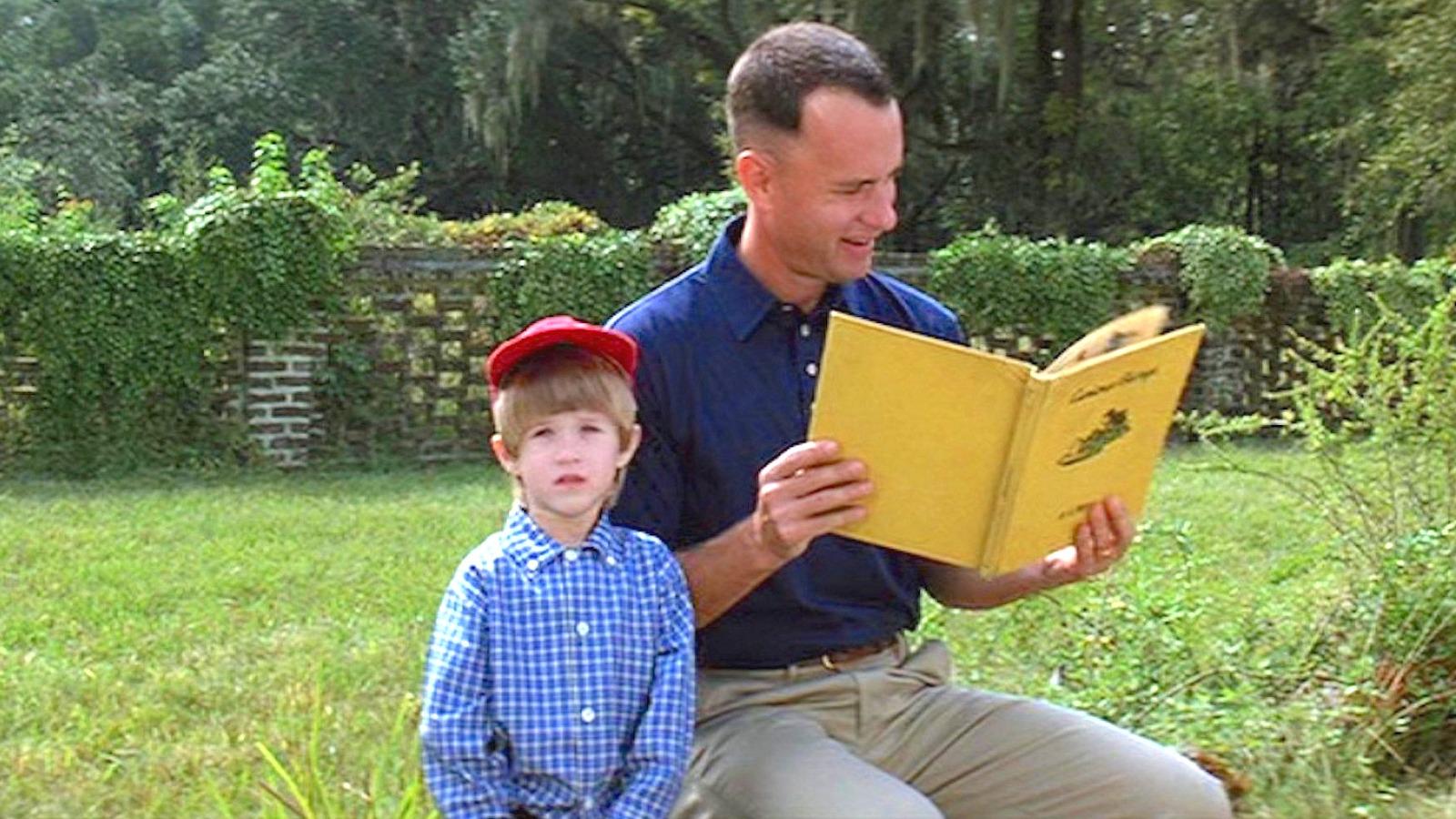
Forrest Gump became a massive commercial and cultural success.
The film won six Academy Awards, including Best Picture, Best Director for Zemeckis and Best Actor for Hanks.
It also became one of those movies whose scenes and lines escaped the film itself and became part of American popular culture.
The running sequence was a major part of that legacy.
Images of the bearded Forrest still instantly identify the movie even without a title underneath them.
That gives the financing story a satisfying irony.
The material Paramount hesitated to finance in the normal way became some of the footage audiences remember most clearly.
And the two people who believed in it strongly enough to put money behind it were the movie’s director and its star.
Forrest Kept Running Because Hanks and Zemeckis Bet on the Scene
Today, the cross-country run feels like one of those sequences that must have existed from the beginning exactly as audiences eventually saw it.
That is what happens to famous movies.
Once an image becomes iconic, the uncertainty behind creating it disappears.
But Forrest Gump was not assembled with the benefit of hindsight.
At one point, the studio looked at the growing expense and decided it did not want to keep paying.
Robert Zemeckis looked at the same sequence and decided the movie needed it.
Tom Hanks agreed strongly enough to share the cost.
So when Forrest Gump grows a beard and runs across America, the story behind the camera mirrors something about the character himself.
The easier choice would have been to stop.
Hanks and Zemeckis decided to keep going.