When Words Aren’t Enough: How Kaylee Hottle Found a Powerful Voice on Screen
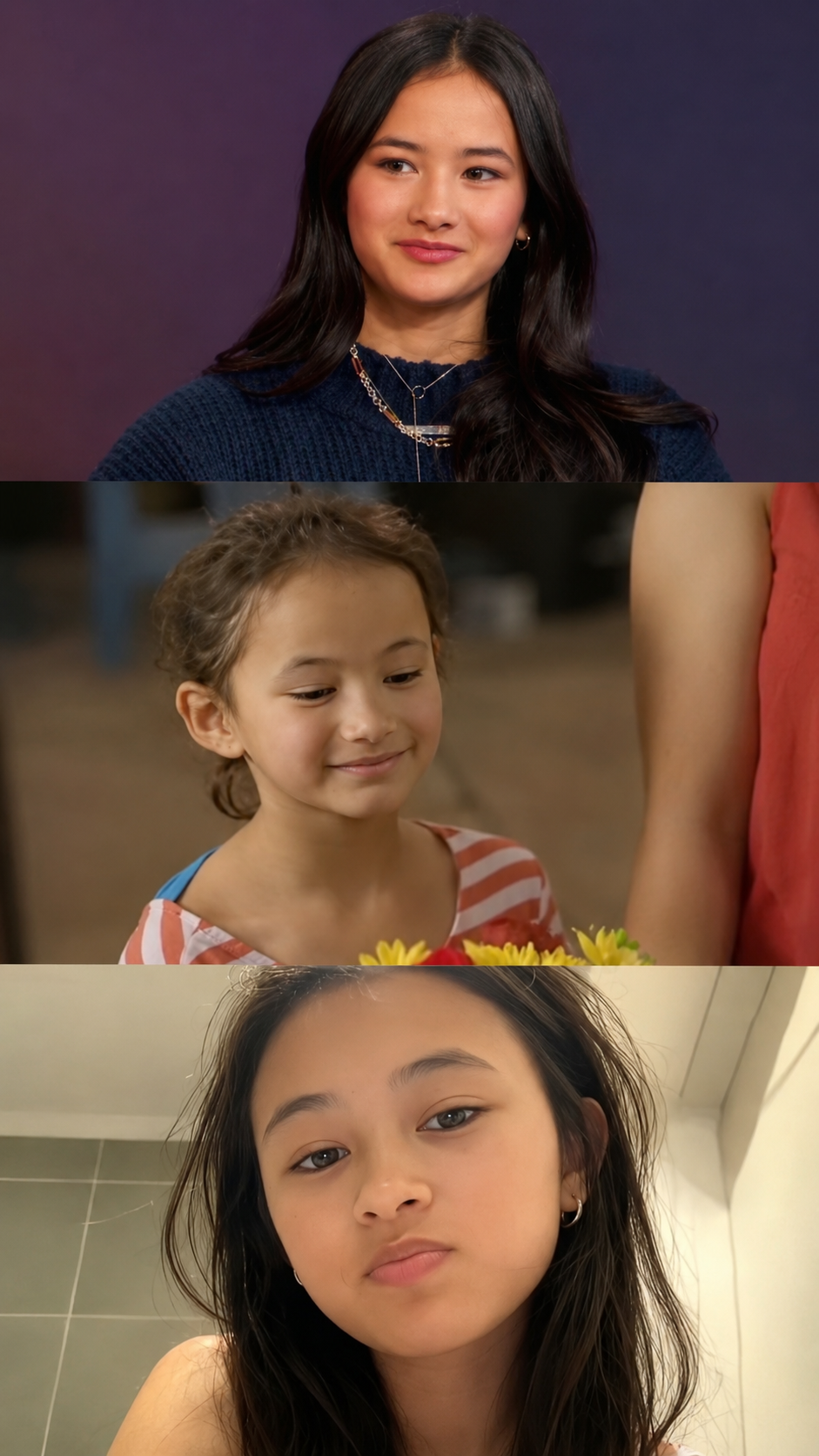
In Hollywood, dialogue is often treated as the heart of a performance.
Actors are expected to deliver the perfect line, hit the right emotion and make an audience believe every word.
Kaylee Hottle has shown that a performance can be just as powerful without relying on spoken dialogue.
As a deaf actress, Hottle has built her screen presence around something more fundamental: expression, movement, timing and connection.
Her breakthrough came with the role of Jia in Godzilla vs. Kong, where she appeared alongside some of the biggest characters in modern blockbuster cinema. The movie had everything audiences expected from a giant monster film — enormous creatures, destruction and spectacular battles.
Yet Hottle’s quiet performance brought something very different to the story.

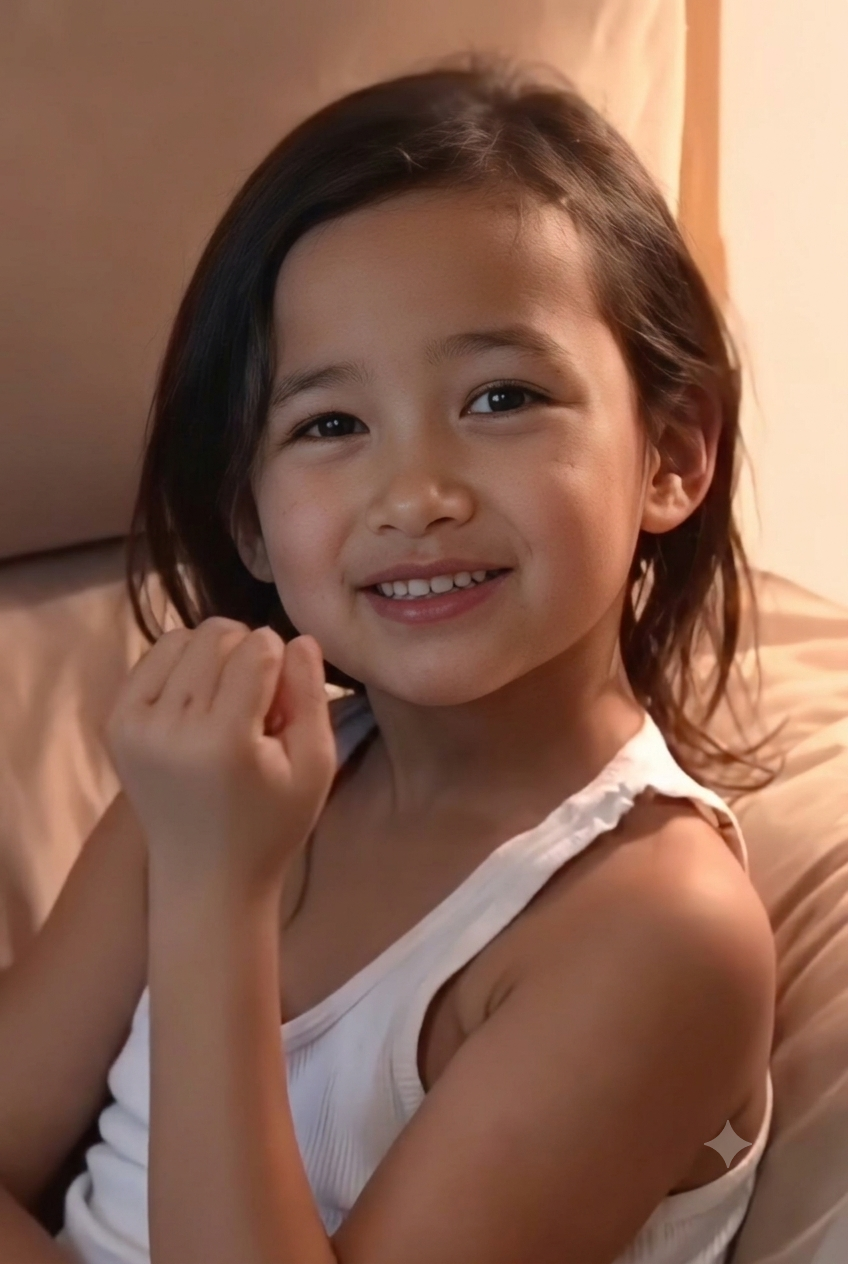
Jia communicates through American Sign Language, and Hottle’s own experience as a deaf performer helped make those moments feel natural rather than forced.
But what makes the character memorable is that Jia isn’t presented simply as “the deaf girl.”
She is a person with her own emotions, fears and relationships.
Her connection with Kong becomes one of the emotional threads running through the story. Instead of depending on lengthy conversations, their relationship develops through gestures, expressions and an unusual sense of mutual understanding.
For Hottle, that meant communicating emotions in a different way.
A look can become a sentence.
A gesture can carry an entire thought.
Silence can become part of the performance rather than an absence of it.
That is particularly striking in a franchise where sound and spectacle are usually so important.
Hottle’s return as Jia in Godzilla x Kong: The New Empire continued that visibility, giving the character another place within one of Hollywood’s largest cinematic universes.
For deaf audiences, seeing a deaf actor in such a prominent franchise can mean more than simply seeing someone who shares their experience.
It can challenge the idea that mainstream entertainment has to revolve around one particular way of communicating.
And for hearing audiences, performances like Hottle’s can quietly broaden the way communication itself is understood.
Not every emotion needs to be spoken.
Not every important moment needs a line of dialogue.
Sometimes an audience understands exactly what a character is feeling before a single word is said.
That may be one of Hottle’s most interesting qualities as a performer.
She doesn’t ask audiences to focus on what makes her different.
She gives them a character worth caring about.
Her deafness is part of who she is, but it does not have to become the entire definition of her career.
That distinction is important as Hollywood continues to rethink representation.
Authentic casting matters, but representation becomes truly meaningful when performers are given the opportunity to be more than symbols. They should be allowed to be heroes, friends, children, rivals, dreamers — ordinary people and extraordinary characters alike.
Hottle’s journey is still at an early stage, but her work has already helped demonstrate what that kind of representation can look like.
A young actress entered a blockbuster world where monsters could shake cities and special effects could fill the screen.
And somehow, some of the most memorable moments came from a girl who didn’t need many words at all.
Because sometimes, the strongest voice on screen isn’t the loudest one.
It’s the one audiences remember.