North Carolina Teen Dies After Contracting Rare “Brain-Eating” Amoeba
North Carolina Teen Dies After Contracting Rare “Brain-Eating” Amoeba
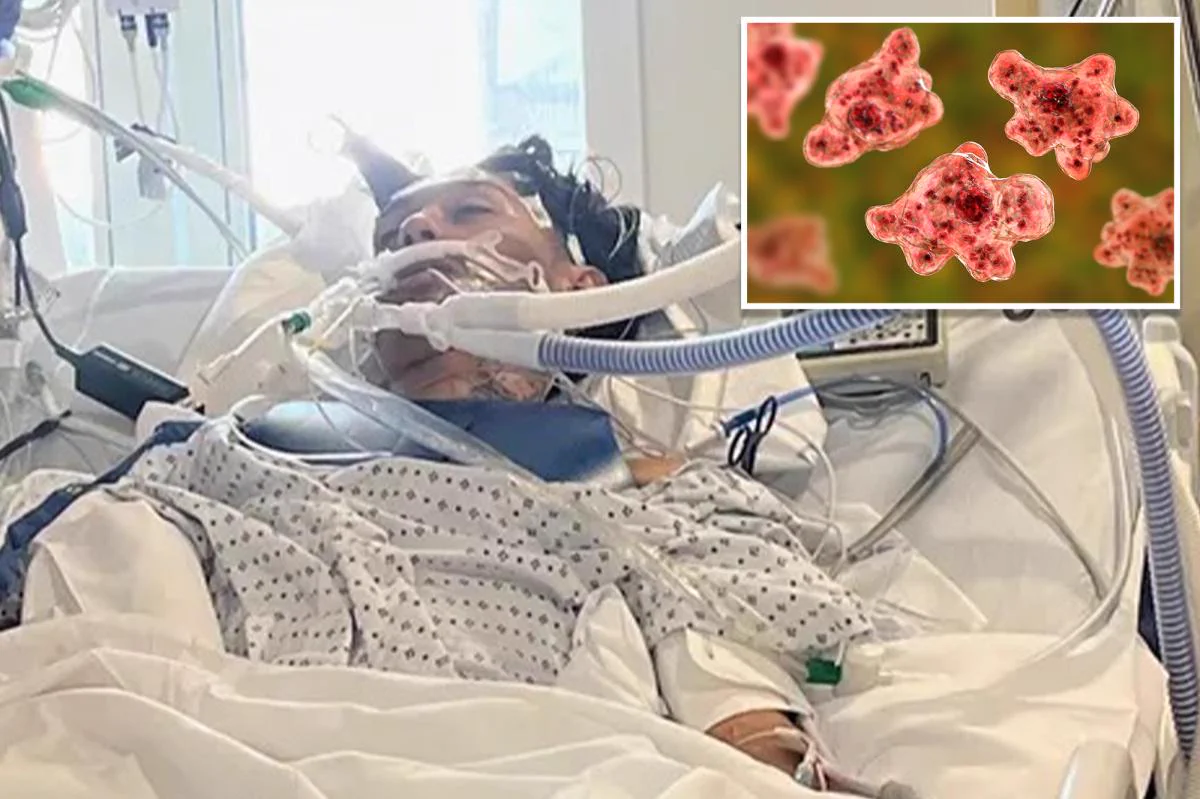
NORTH CAROLINA — A teenager from central North Carolina has died after contracting a rare and usually fatal infection caused by Naegleria fowleri, commonly known as the “brain-eating amoeba.”
The North Carolina Department of Health and Human Services confirmed that the teenager died Monday, August 31, after initially being reported critically ill. Officials are investigating where the exposure occurred.
A Rare but Devastating Infection
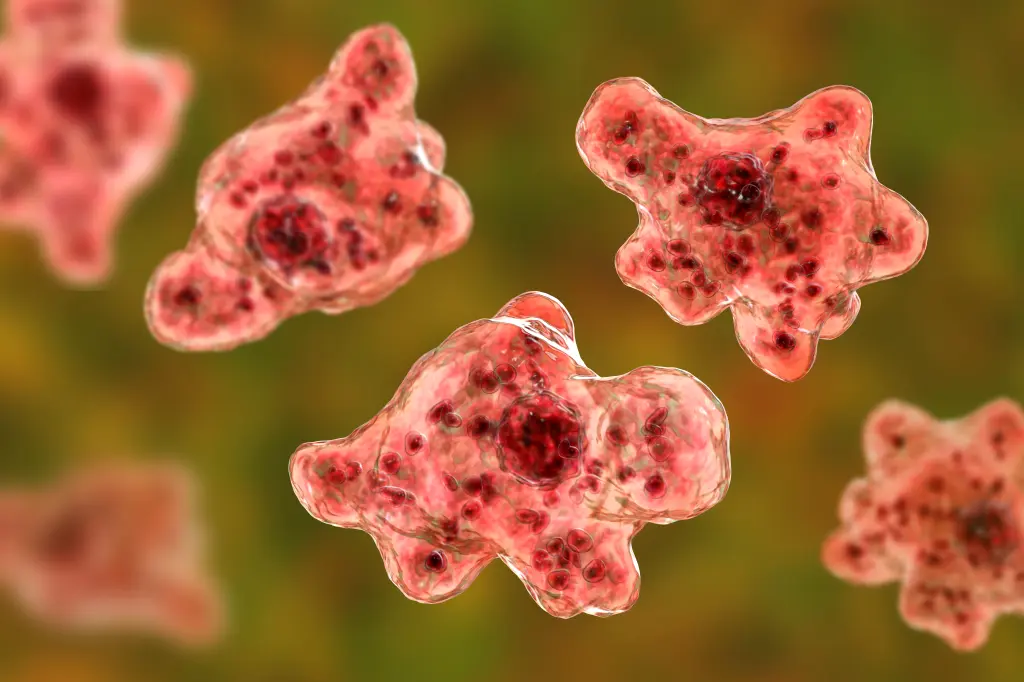
Naegleria fowleri is a microscopic organism naturally found in warm freshwater, including lakes, ponds and rivers.
The amoeba can cause an infection called primary amebic meningoencephalitis, or PAM, when contaminated water enters the body through the nose. It can happen during activities such as swimming, diving, jumping into freshwater or water-skiing.
The infection does not occur from simply swallowing contaminated water.
Symptoms Can Progress Quickly
Early symptoms can resemble meningitis and may include a severe headache, fever, nausea and vomiting.
As the infection progresses, patients can develop a stiff neck, confusion, seizures and eventually a coma.
Health officials warn that once symptoms begin, the disease can progress extremely quickly and is usually fatal within days.
Officials Investigate the Source
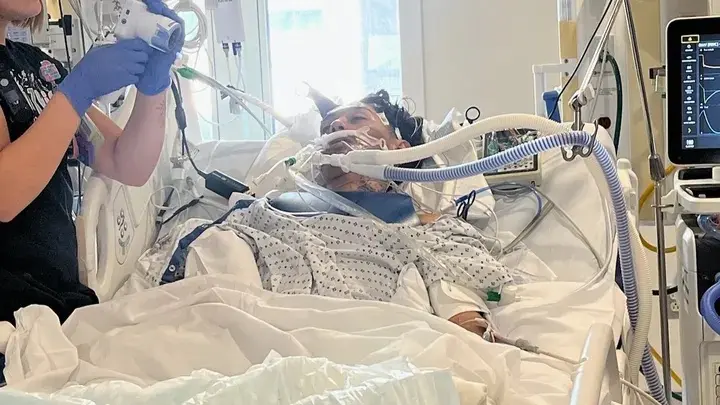
North Carolina health officials have not released the teenager’s identity or disclosed exactly where the exposure occurred.
The state’s health department is working with federal and local partners to investigate all possible sources of the infection.
Officials emphasize that these infections are extremely rare. The United States typically records fewer than 10 cases each year.

How People Can Reduce the Risk
Health officials are reminding people to take precautions when swimming or participating in activities in warm freshwater, particularly during hot weather.
One of the simplest precautions is preventing water from entering the nose. Swimmers can hold their noses shut when jumping into freshwater or use a nose clip.
Naegleria fowleri is not found in saltwater and does not survive in properly maintained, adequately chlorinated swimming pools.
Another Tragic Case This Summer
The North Carolina teenager’s death comes shortly after another fatal Naegleria fowleri infection in Louisiana.
An 8-year-old girl, Lillian Smart, also died in August after contracting the rare infection, reportedly following exposure to freshwater.
The two cases have renewed attention on the dangers of the microscopic organism, even though health officials stress that the infection remains exceptionally uncommon.
For the North Carolina teenager’s family and community, however, the statistics offer little comfort. A rare infection that most people will never encounter has resulted in another devastating loss as officials continue working to determine exactly how the exposure occurred.