Texas Preacher Personally Raised a Flag Lowered for Dolly Parton — Defying the President’s Half-Staff Order
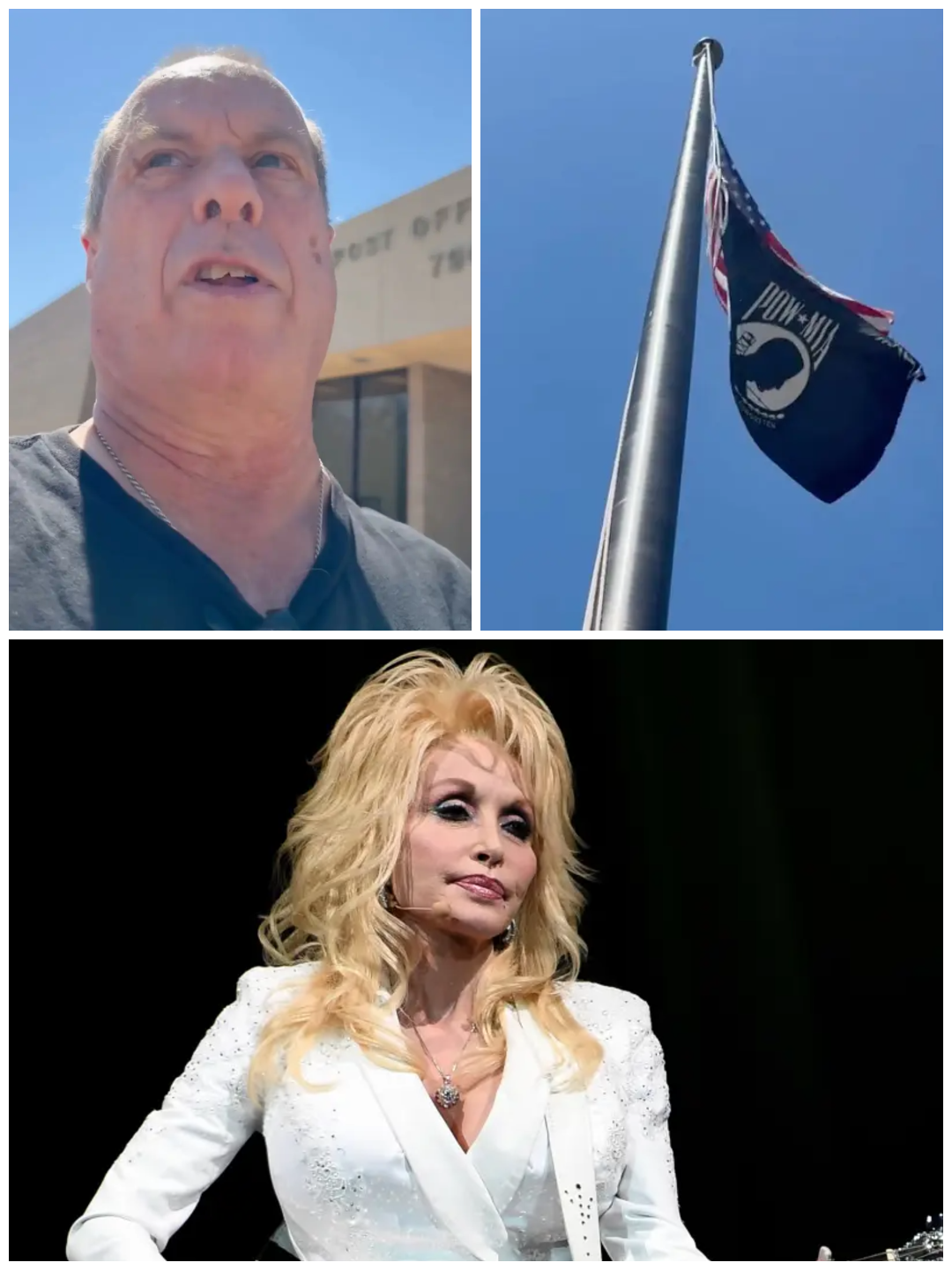
When President Donald Trump ordered American flags lowered to half-staff in memory of Dolly Parton, the tribute was meant to honor one of the most recognizable entertainers and philanthropists in the country.
At one federal building in the Texas Panhandle, however, the flag did not stay there.
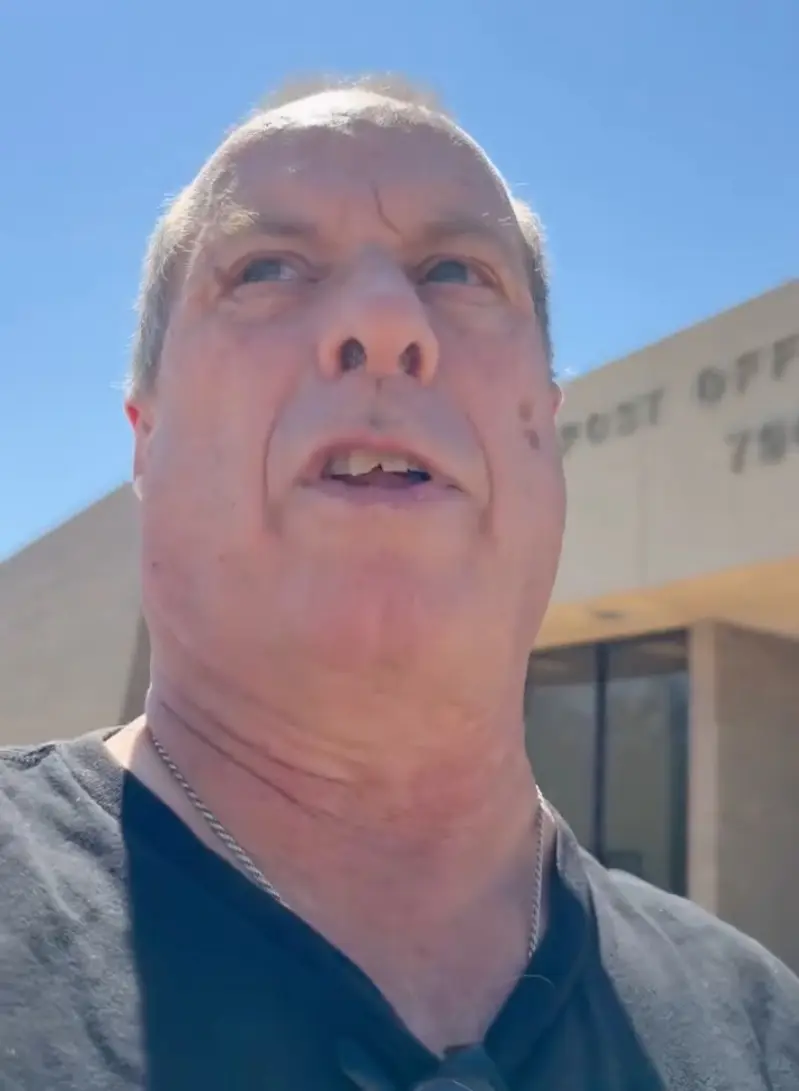
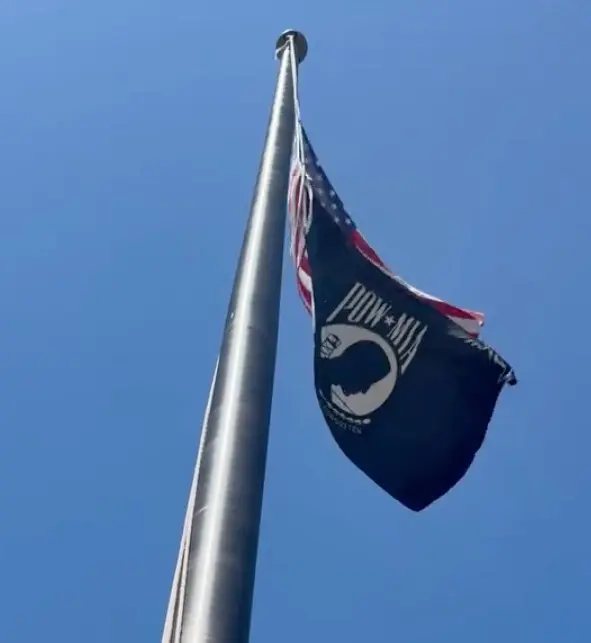
Street preacher David Grisham went to the U.S. Post Office in Borger, Texas, and personally raised the American flag from half-staff back to the top of the pole.
Then he filmed himself explaining why.
Grisham said he objected to giving Dolly an honor that he believed should be reserved primarily for people who had served the United States in an official capacity, particularly members of the military.
“She’s never served in the United States government in any capacity officially,” he said while explaining the protest.
He untied the flag, ran it back to full staff and said he intended to leave it there for postal employees to discover when they returned.
It was more than a social-media complaint.
Grisham physically reversed the tribute ordered by the president.
And his decision quickly turned a flagpole outside a small Texas post office into part of a much larger argument over who should receive one of America’s most visible symbols of national mourning.
Trump Had Ordered Federal Flags Lowered for Dolly
Parton died on Aug. 25, 2026, at age 80.
That same day, Trump issued a formal presidential proclamation directing the American flag to be flown at half-staff in her memory.
The order applied to the White House, federal public buildings and grounds, military posts, naval stations and vessels, as well as U.S. embassies and other government facilities overseas.
The tribute was scheduled to continue through sunset on Sept. 1.
Because the Borger Post Office is federal property, its flag was among those covered by the proclamation.
Grisham knew why the flag had been lowered.
That was precisely why he raised it again.
He Said the Honor Should Be Reserved for Service
In the video posted to Facebook, Grisham argued that the government should not use the half-staff tribute simply because a famous entertainer had died.
His objection centered on service.
He said many military members never receive the same public recognition and argued that the honor should instead be kept for people who had “served our country valiantly.”
To Grisham, Dolly’s enormous popularity did not change the basic issue.
She had never served in the military.
She had never held federal office.
And in his view, those distinctions mattered more than fame, charitable work or cultural influence when deciding whether the national flag should be lowered.
Local station KFDA reported that Grisham had already described the presidential order in even harsher terms on social media, calling the decision to lower flags for Parton “repulsive and offensive.”
Then He Took Matters Into His Own Hands
The unusual part of the controversy was that Grisham did not stop at stating his opinion.
He went to the flagpole.
In his recording, he explained that he had untied the rope and raised the flag back to full staff himself.
He said he planned to leave it there through the weekend so employees would encounter the changed flag when they returned.
That transformed the protest from an argument about tradition into a direct challenge to a presidential memorial order at a federal facility.
Grisham also encouraged other people who agreed with him to take similar action.
The visual was simple but provocative:
The White House had ordered the flag down.
A Texas preacher put it back up.
Supporters of the Tribute See Dolly Very Differently
The other side of the argument begins with a different question.
Was Dolly Parton really just “some country western star,” as Grisham characterized the issue?
For millions of Americans, her public legacy extended far beyond entertainment.
Parton’s career spanned decades, with songs including “Jolene,” “9 to 5” and “I Will Always Love You” becoming part of American popular culture.
But critics of Grisham’s protest have also pointed to her charitable record.
Her Imagination Library grew from a literacy program serving children in her home region of Tennessee into a massive book-gifting initiative reaching children far beyond it.
She donated to disaster relief and medical causes and had a long record of supporting communities outside the entertainment industry.
Dolly also had ties to the U.S. military through performances and entertainment efforts for service members — a detail particularly relevant to an argument built around honoring those who serve.
For supporters of the president’s proclamation, those contributions made her more than a celebrity.
They made her a national cultural figure worthy of an unusual national tribute.
Half-Staff Honors Are Not Limited Only to Soldiers
Grisham’s protest also touches on a broader misunderstanding about how half-staff proclamations work.
Certain periods of half-staff observance are specifically established for presidents and other government officials.
But presidents have also used their authority to order flags lowered in response to major tragedies and in memory of significant figures.
Trump’s proclamation for Dolly explicitly directed federal facilities to participate.
It did not suggest that she had served in government.
Instead, the order described the action as “a mark of respect for the memory of Dolly Parton.”
That leaves room for a philosophical disagreement.
Grisham believes the custom should be much narrower.
The president chose to apply it more broadly.
Grisham Wasn’t the Only Person to Object
The Texas protest came amid another controversy hundreds of miles away.
Olive Branch, Mississippi, Mayor Ken Adams also declined to lower flags at city buildings for Parton.
Adams’ reasoning was similar, though his protest took a different form.
He argued that half-staff status should retain a particularly serious meaning and generally be reserved for military heroes, fallen first responders, presidents, major national leaders and extraordinary events.
In both cases, the central disagreement was not really about whether Dolly was talented or beloved.
It was about whether cultural influence and philanthropy should qualify someone for a ritual historically associated with national service and mourning.
The Debate Goes Beyond Dolly Parton
That is why the image from Borger attracted attention.
A man raising a flag a few feet up a pole might otherwise be unremarkable.
But every part of this particular gesture carried symbolism.
The president had said Dolly Parton deserved a national tribute.
Grisham said the government had gone too far.
Trump ordered the flag lowered.
Grisham raised it.
One side sees half-staff as an honor that can recognize Americans whose contributions transcend an official government title.
The other worries that expanding the tribute risks weakening its significance for military personnel and public servants.
And Dolly sits directly in the middle of that argument.
What Did the Texas Preacher Actually Do?
He did not merely criticize Trump’s proclamation online.
David Grisham went to the Borger Post Office, found the American flag flying at half-staff in accordance with the presidential order, untied the rope and personally raised it back to full staff.
Then he recorded the protest and explained that he believed Dolly had not earned that particular honor because she had never officially served the government.
Whether viewers see that act as a defense of flag tradition or disrespect toward a beloved American figure depends largely on what they believe half-staff is supposed to mean.
But the physical act itself was unmistakable.
The president ordered the flag down for Dolly Parton.
David Grisham put it back up.