Nepal School Principal’s Quick Evacuation Order Saves 900 Students From Deadly Flash Flood
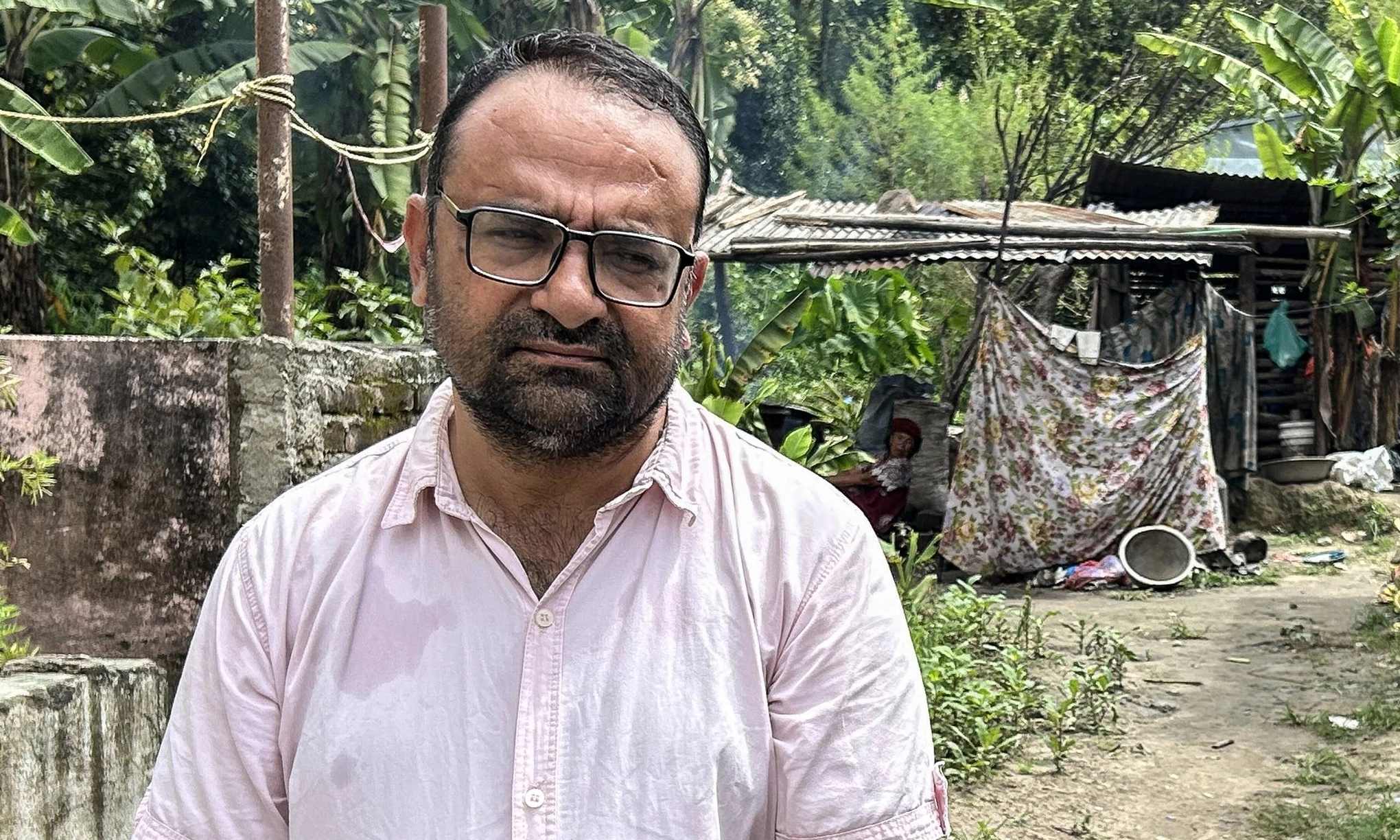
A split-second decision by a school principal in Nepal gave around 900 students precious time to escape a devastating flash flood that struck the region on August 26.
Rajendra Dawadi, 47, said an accountant suddenly ran toward him shouting, “The flood is coming, the flood is coming,” after receiving a warning from relatives in Rasuwa, one of the areas hit first by the disaster.
The school leadership had just 14 minutes to react.
Dawadi immediately ordered an evacuation, instructing teachers and hundreds of students to move toward higher ground.
“If the information was wrong, we would only lose one school day. But if it was true, we would pay with our lives,” Dawadi recalled in an interview released by AFP.
He ordered classes to stop and told staff to sound the emergency alarm.
Within minutes, Dawadi watched in horror as Trishuli Bazaar Secondary School, where he had spent years working and which he had once attended himself, was overwhelmed by raging floodwaters.
The school has around 1,600 students, but approximately 900 were on campus when the flash flood struck. The evacuation order gave most of them and the school’s staff enough time to escape.
Dawadi recalled that many students were terrified. One girl reportedly fainted from fear. Bus drivers carrying other students toward the school were also instructed to turn around, including one driver who had just entered the school grounds.
Despite the successful evacuation, the disaster claimed the lives of five students, one teacher and a security guard, according to Dawadi. The security guard reportedly left after the principal and appeared to have stayed behind briefly to close the school gates.
More than a week after the disaster, Dawadi stood beside the devastated riverbank in Nuwakot and described himself as a “principal without a school.”
The flash floods struck after a massive glacial landslide along the Nepal-China border on August 26. According to the figures cited in the report, at least 1,375 people were killed and more than 5,500 remained missing across the two countries.
Dawadi said local authorities had never provided the school with an evacuation plan before the disaster.
“When I looked back, the school was still standing there, beautiful and strong. But everything collapsed within five minutes,” he said. “That was also the school I once attended. There was nothing left.”
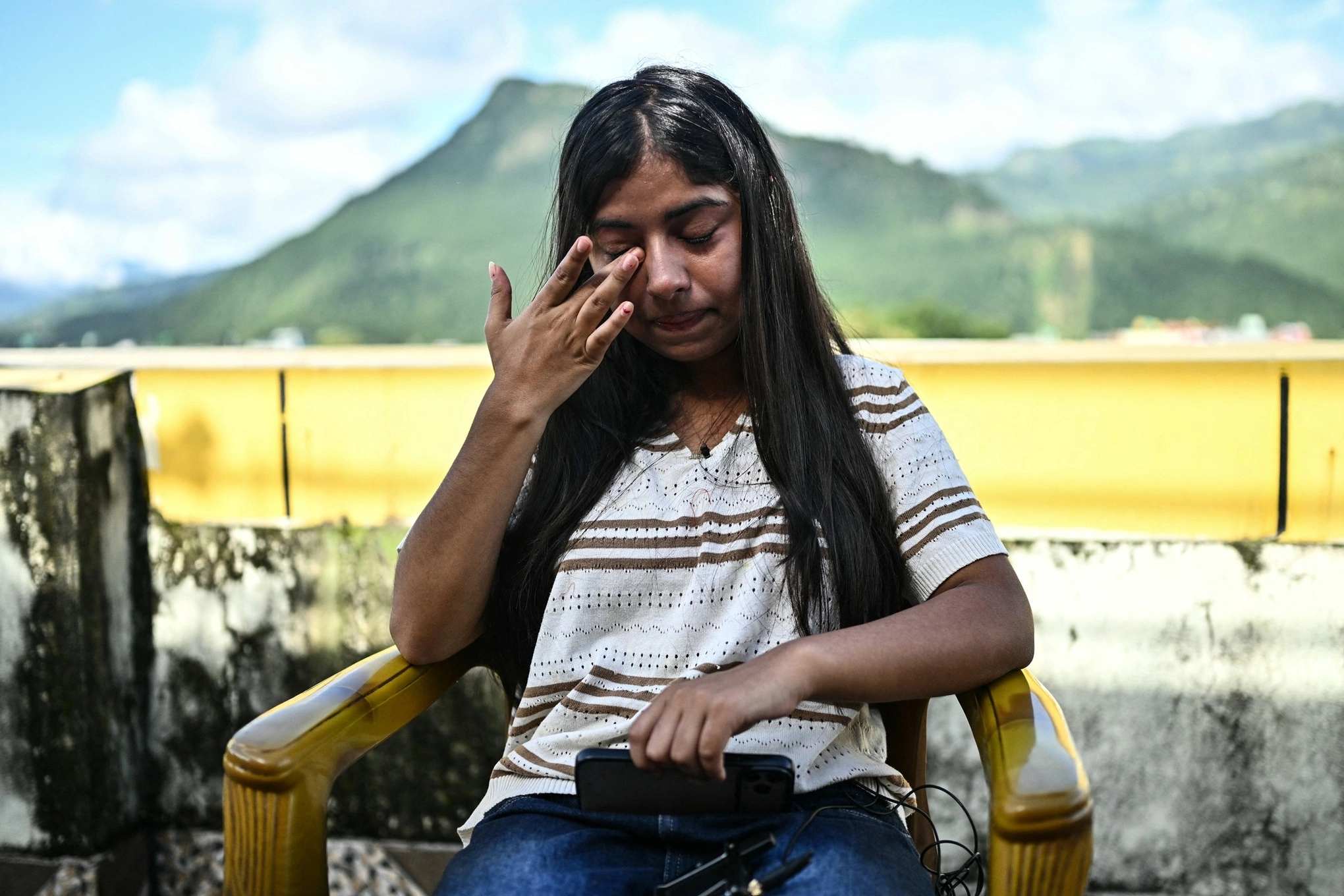
For 17-year-old student Santoshi Dotel, the danger was initially difficult to comprehend.
“We never imagined the flood could reach such a scale,” she said.
Dotel and a friend initially headed toward the river, attempting to cross a bridge to return home to their families. But the water quickly began rushing through the area.
The bridge was swept away, leaving Dotel terrified that she would never make it home.
Her friend managed to pull her onto a hillside as the flood roared below. For hours, Dotel remained desperate and uncertain about whether her parents had survived.
Four days later, a helicopter finally brought her home.
She saw her mother immediately after stepping off the helicopter.
Her mother rushed toward her and held her tightly as they both cried.
“At that moment, my mind was completely blank,” Dotel recalled.
Her mother, Durga Dotel, said she had feared the worst after seeing the violent floodwaters.
“Watching the flood raging like waves, I had completely lost hope that my daughter was still alive,” she said.
The disaster has also caused widespread damage to education across Nepal. According to Save the Children figures cited in the report, at least 69 schools were destroyed or damaged, disrupting the education of nearly 19,000 children.
For Dawadi, rebuilding the school will be only one part of the challenge.
He said the latest disaster was “much worse” than the devastating 2015 earthquake in Nepal. The school had been completely destroyed by the earthquake but was eventually rebuilt.
“This time, we lost both the land and the school,” Dawadi said. “The school needs to be rebuilt, but first we need a safe place to build it.”
The school may be gone, but Dawadi’s rapid decision to sound the alarm gave hundreds of children a chance to survive one of Nepal’s most devastating recent disasters.
Course: NY Post