One Juror Stopped Lindsay Clancy From Being Acquitted. Now He Has a $100,000 Fundraiser — and a Controversial Past Is Emerging
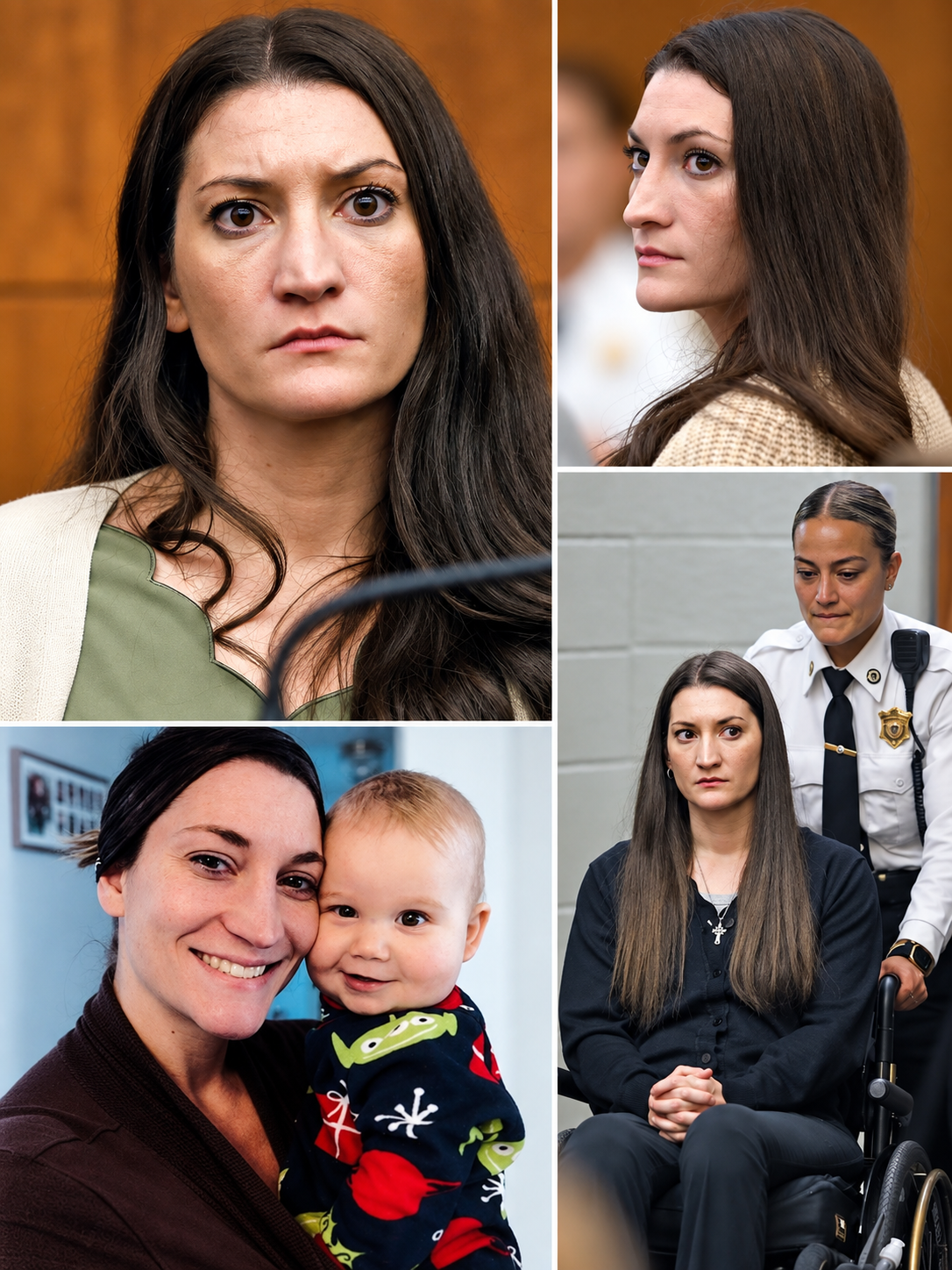
For seven days, 12 jurors tried to decide whether Lindsay Clancy should be held criminally responsible for killing her three young children.
Eleven of them eventually reached the same conclusion.
One did not.
That single holdout was enough to prevent a verdict and bring one of Massachusetts’ most emotionally charged murder trials to an abrupt end.
Now, less than two weeks after the mistrial, attention has shifted dramatically from Clancy to the unidentified juror who refused to join the other 11 — and the story surrounding him has become almost as divisive as the case itself.
An online fundraiser created in support of the holdout juror has raised more than $100,000, with supporters praising him for standing by his interpretation of the evidence despite intense pressure from the rest of the jury and the public.
But at the same time, reporting has revealed that the juror previously faced a domestic violence allegation and is currently the subject of a restraining order obtained by a family member.
The revelations have added another complicated layer to a trial already centered on some of the most difficult questions in criminal law: mental illness, motherhood, responsibility and whether a person experiencing psychosis can be legally guilty of murder.
Lindsay Clancy, now 36, was charged with killing her three children — Cora, 5, Dawson, 3, and Callan, 8 months — at the family’s Duxbury, Massachusetts, home on Jan. 24, 2023.
Clancy does not dispute that she strangled the children.
The central question at trial was whether she was criminally responsible for what she did.
Her defense argued that she was suffering from severe postpartum psychosis and was incapable of appreciating the wrongfulness of her actions.
Prosecutors presented a very different interpretation, arguing that the killings were deliberate and planned.
After the deaths, Clancy attempted suicide by jumping from a window, suffering injuries that left her paralyzed.
Her mental state before and during the killings became the focus of weeks of expert testimony, medical records and arguments over medications, psychiatric symptoms and intent.
When jurors finally began deliberating, the divide became clear.
According to several jurors who later spoke publicly, 11 members ultimately favored finding Clancy not guilty by reason of lack of criminal responsibility.
One male juror refused.
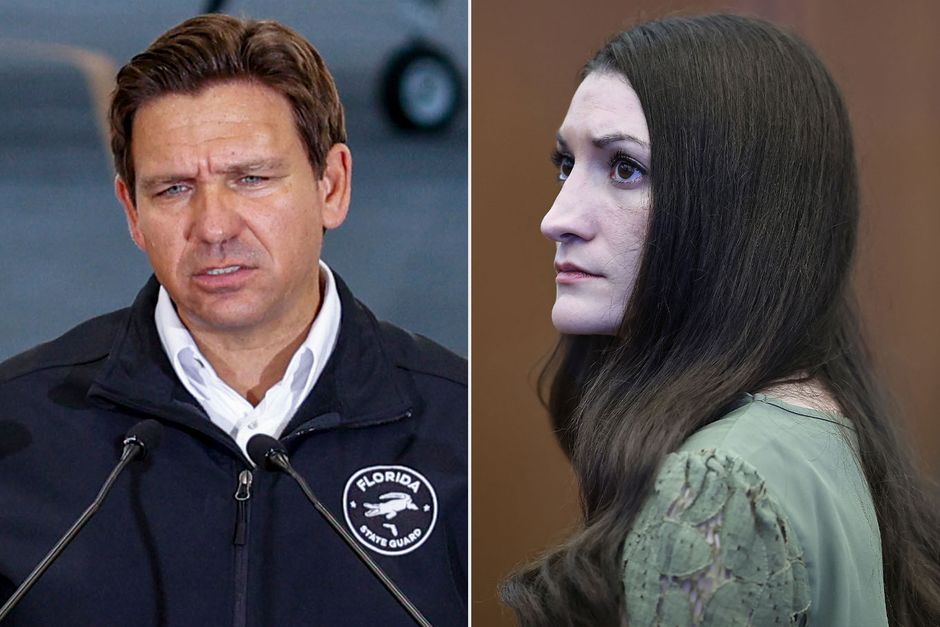
The foreperson repeatedly told Judge William Sullivan that the panel was deadlocked.
At one point, she raised concerns that the holdout was not applying the judge’s instructions concerning reasonable doubt.
Sullivan questioned the situation but declined a request to remove the juror, instead instructing the panel to continue deliberating.
On Sept. 4, after more than a week without unanimity, Sullivan declared a mistrial.
Then the jurors began talking.
Foreperson Roni Carlson and two other jurors told NBC10 Boston that the holdout had acknowledged having reasonable doubt but still would not join them in finding Clancy not criminally responsible.
Carlson recalled becoming briefly excited when she heard him acknowledge doubt, believing the case had finally been resolved.
It had not.
The holdout continued to resist an acquittal.
Other jurors described tense deliberations and accused him of dismissing expert testimony and refusing to meaningfully engage with their arguments.
Those are the accounts of fellow jurors, not findings by a court.
And the holdout juror has not publicly given a detailed explanation of his reasoning.
That distinction matters.
A jury does not operate by majority rule in a criminal trial.
Every juror has both the right and the duty to independently evaluate the evidence.
Eleven people disagreeing with one person does not automatically make the one person wrong.
That principle is exactly what supporters of the holdout began emphasizing after the mistrial.
A fundraiser launched on GiveSendGo portrayed the juror as someone who endured intense pressure while refusing to abandon his convictions.
The campaign quickly attracted donations.
Within days, it surpassed $100,000.
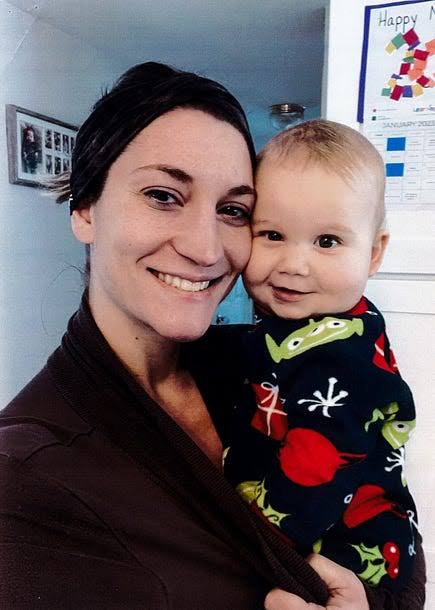
The money was intended to help with expenses including security, legal representation and lost wages amid the extraordinary attention surrounding him.
The fundraiser transformed the anonymous juror into something of a political and cultural symbol.
To supporters, he was a man who refused to be intimidated by consensus.
To Clancy’s supporters, he was the person who prevented what they believed should have been an acquittal based on overwhelming psychiatric evidence.
Then NBC10 Boston uncovered information about his personal history.
Police records show that in September 2021, the juror was accused of assaulting his then-wife during a domestic dispute.
According to CBS News, the couple’s 13-year-old nephew called 911 and alleged that the man grabbed his wife by the throat and threw her into a dresser.
The juror was charged with domestic violence assault and battery and pleaded not guilty.
The charge was later dismissed.
He was never convicted in that case.
NBC10 also reported that the man was subject to an active restraining order filed by his nephew while he was serving on the Clancy jury.
Those revelations immediately raised questions about whether his history should have affected jury selection, particularly in a case involving allegations of violence within a family.
But again, caution is essential.
An accusation is not a conviction.
The 2021 criminal charge was dismissed.
And the existence of a restraining order does not, by itself, establish that the juror acted improperly during deliberations or lied during jury selection.
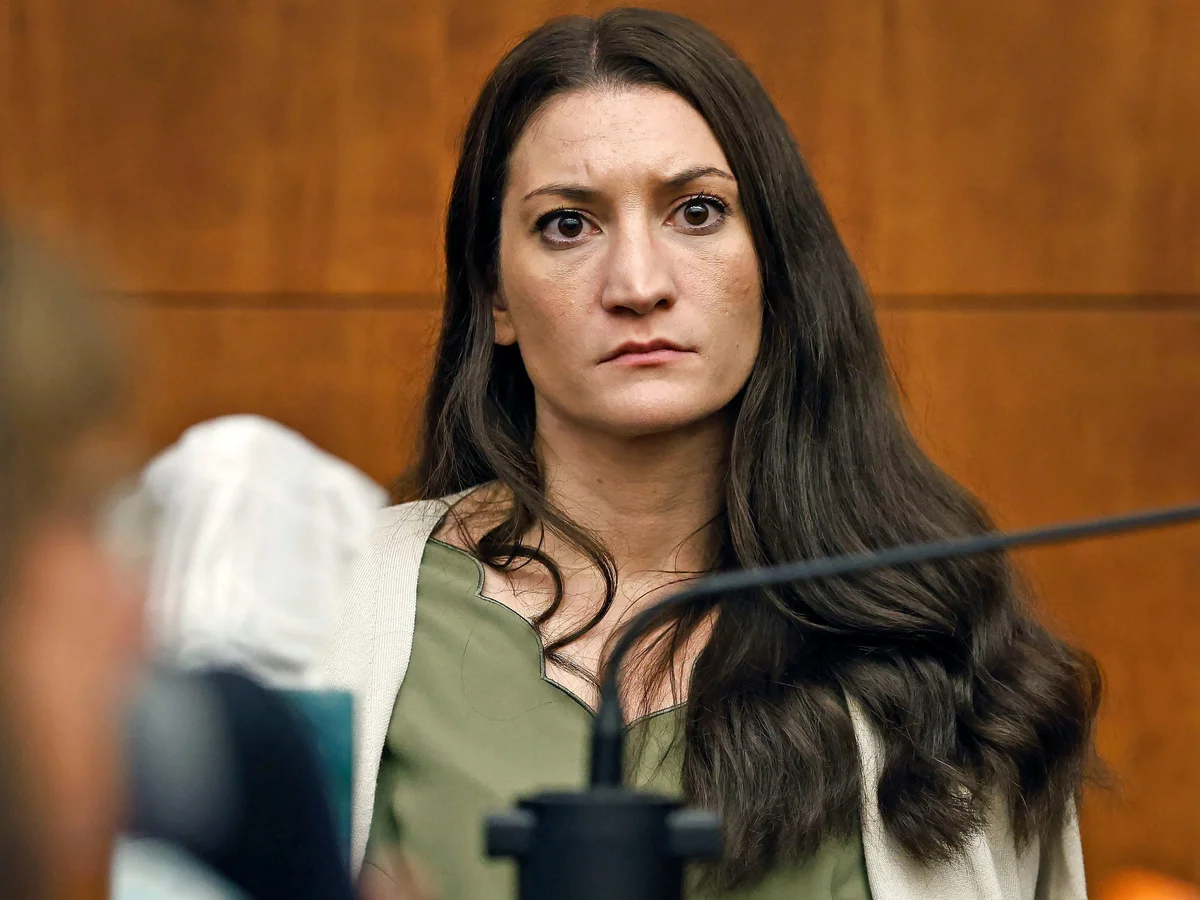
The information nevertheless intensified public scrutiny at exactly the moment his supporters were raising six figures on his behalf.
The controversy grew large enough that Judge Sullivan indefinitely sealed the names of the jurors over safety concerns.
The court cited the enormous public attention surrounding the case, online commentary and incidents involving attempts to identify or record members of the jury.
That decision reflects just how far the trial has moved beyond the courtroom.
Clancy’s case has become a national debate over postpartum mental illness and criminal responsibility.
The holdout juror has now become a debate over juror independence, personal history and whether internet campaigns should turn anonymous participants in the justice system into heroes or villains.
Meanwhile, the central legal question remains unresolved.
A mistrial is not an acquittal.
It is not a conviction.
It means the jury failed to reach the unanimous verdict required by law.
Prosecutors can seek another trial.
They can negotiate a plea agreement.
Or they can decide not to proceed again.
As of the latest reports, Plymouth County prosecutors had not publicly announced whether they would retry Clancy.
Her next court hearing is scheduled for Sept. 29.
That means the families involved remain in legal limbo.
Three children are dead.
Their mother remains in psychiatric care.
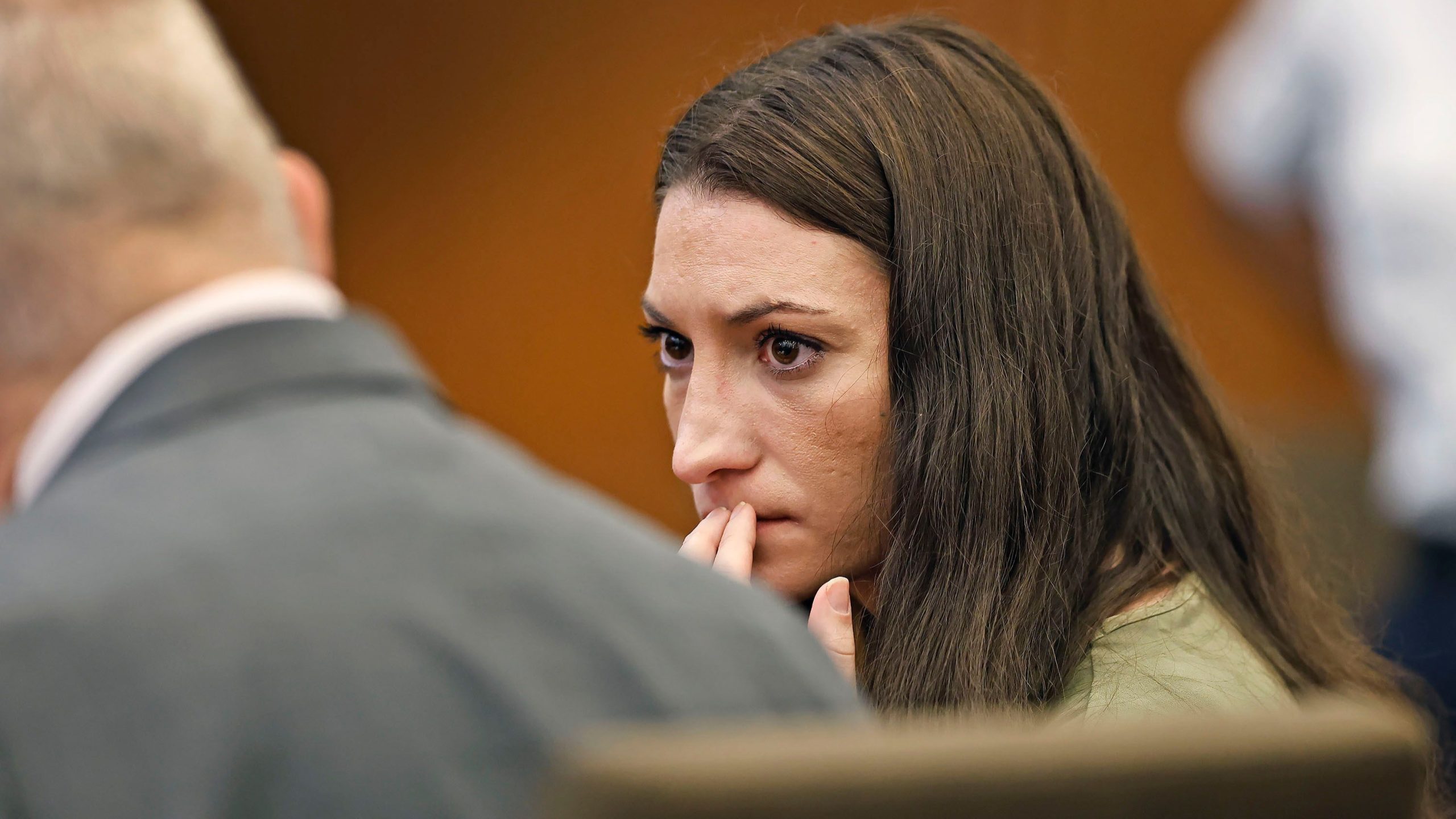
Eleven jurors believed she should not be held criminally responsible.
One juror prevented that verdict from becoming official.
And now that juror is receiving more than $100,000 in financial support at the same time reporters are examining troubling allegations from his past.
There may be a temptation to reduce the story to heroes and villains.
The reality is much harder.
Clancy’s defense argues that catastrophic mental illness destroyed her ability to understand what she was doing.
Prosecutors say evidence showed intent.
Eleven jurors reached one conclusion.
One reached another.
The legal system required unanimity.
It did not get it.
So after weeks of testimony, days of deliberations and extraordinary public attention, Lindsay Clancy’s case ended exactly where almost no one wanted it to end:
Without an answer.
And now the lone juror who made that outcome possible has become the center of a new controversy — one that may continue even before prosecutors decide whether 12 entirely new people will be asked to consider the case all over again.