He Was 19 and Still Building His Rugby Future. Then a Routine Practice Became His Last
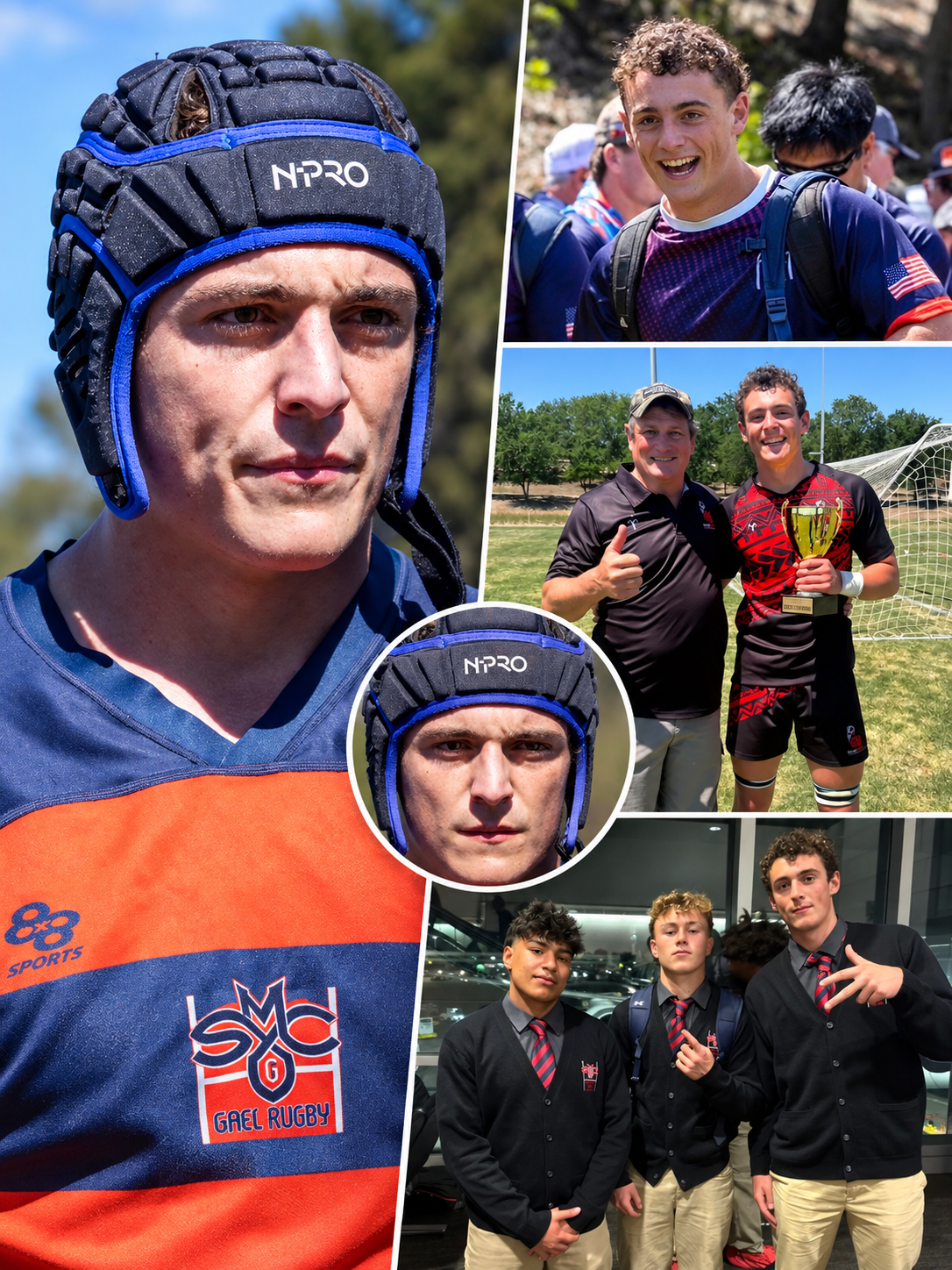
Dominic Peterson went to rugby practice on September 4 as a 19-year-old college sophomore whose athletic future still appeared to be unfolding.
It was the Saint Mary’s College team’s first practice of the season. Peterson joined his teammates for a training run in Moraga, California — the kind of ordinary session that is repeated countless times in the life of an athlete, preparation for whatever match, tournament or opportunity comes next.
Dominic would never make it to the next practice.
During the run, he suffered a medical emergency and collapsed. Saint Mary’s College later confirmed that the sophomore had died. He was 19. As of the latest public reporting, an official cause of death has not been released.
The circumstances are especially difficult to reconcile with where Dominic was in his life.
He was not nearing the end of a long career. He was barely beginning one.
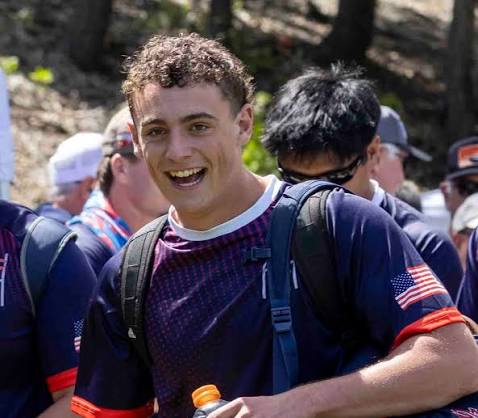
Dominic had recently entered his second year at Saint Mary’s, one of the country’s established collegiate rugby programs. Only weeks before his death, he had reached another important level in the sport: representing the United States on the U19 men’s team at the Rugby Americas North Championship.
The U.S. squad competed in Querétaro, Mexico, in August. The tournament was designed in part to give emerging players international experience and help identify athletes who might progress further through the national development pathway. Dominic was among the Saint Mary’s players selected for that opportunity.
The team won the championship.
Then, less than a month later, Dominic was gone.
That proximity gives his death a particular sense of incompleteness. One moment in the summer showed how far rugby had already taken him; the next month made clear how many possible steps would now never happen.
There would be no sophomore season completed.
No later college seasons.
No chance to see whether another national selection might follow.
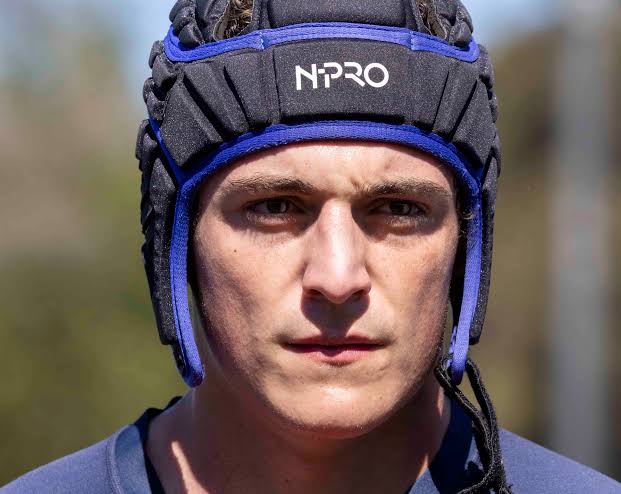
Those possibilities should not be treated as guarantees. No one can know exactly where Dominic’s athletic career would have led. But his selection for the U19 squad was evidence that, at 19, he had already earned a place in a competitive development pathway while still having most of his college years ahead of him.
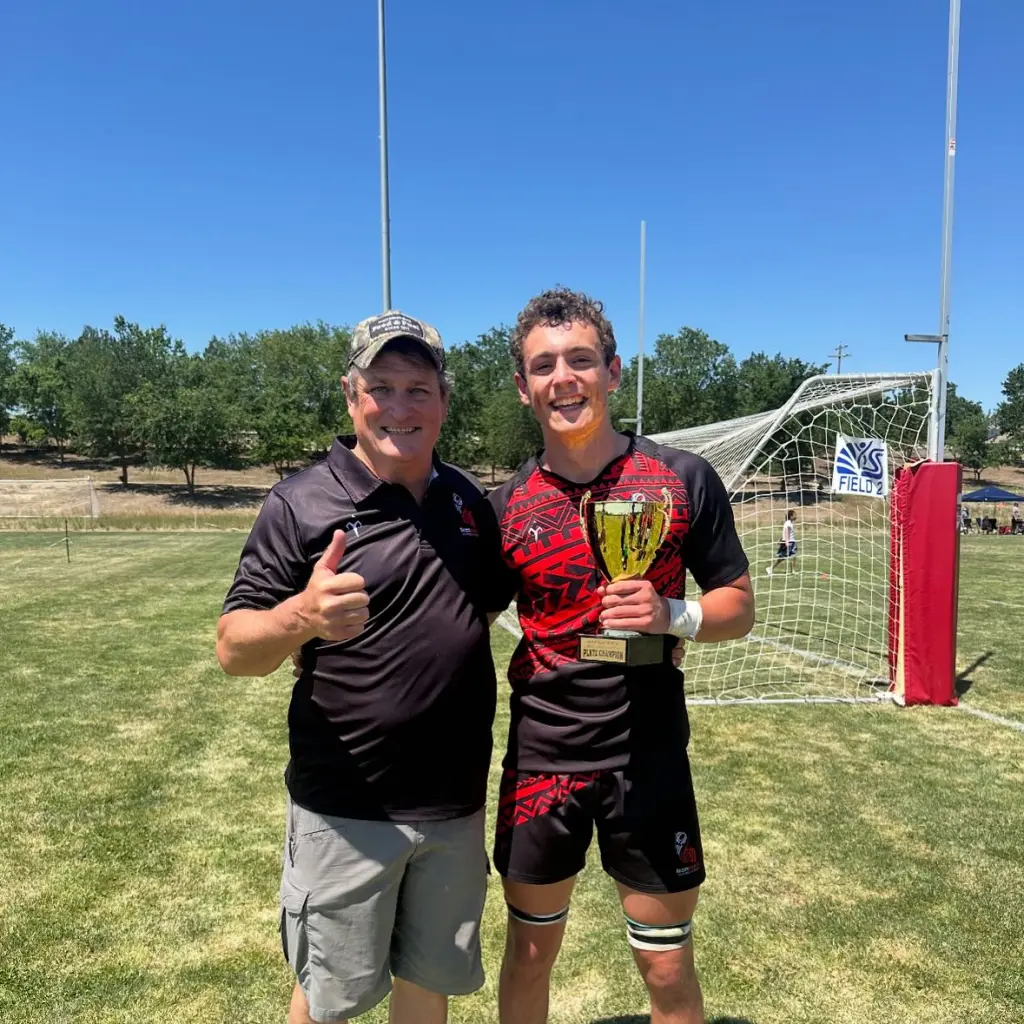
Dominic was a native of Los Altos Hills and a graduate of Gunn High School in Palo Alto. Before arriving at Saint Mary’s, he had spent eight years playing with the East Palo Alto Razorhawks, a rugby community he had described as a second home. At Saint Mary’s, rugby again became a central part of the community around him.
That makes the place of his death especially poignant.
Dominic did not die far removed from the sport that had shaped so much of his young life. He suffered the medical emergency while training with his teammates, during an activity meant to prepare him for the season ahead.
The run was supposed to lead into more rugby.
Instead, it became his last.
Saint Mary’s announced his death on September 5. College President Roger Thompson described the loss as heartbreaking for the campus community and extended condolences to Dominic’s family, teammates, coaches, classmates, faculty and staff. The College Rugby Association of America also issued a remembrance, recognizing the effect his death had on the wider rugby community.
For the players who remained, the structure of a season did not disappear.
There would still be practices.
There would still be drills, meetings, lineups and matches.
Rugby, like most competitive sports, is organized around what comes next. A team finishes one session and prepares for another. One match leads toward the following fixture. Young players train with the expectation that there will always be another opportunity to improve.
Dominic’s death disrupted that rhythm in the most permanent way.
The program could continue.
His place within it could not simply be replaced.
Saint Mary’s held a Memorial Mass for Dominic on the morning of September 5 in the college chapel, bringing together members of the campus community to remember him only a day after his death.
His name has also been given a lasting connection to the rugby program.
Working with Dominic’s family, Saint Mary’s established the Dominic Peterson Memorial Fund. According to the college, contributions to the fund will support the continuing needs of the Gaels men’s rugby program and provide opportunities and experiences for the student-athletes who make up the rugby community Dominic was part of.
For his family, the fund is one way to connect Dominic’s memory to the sport that occupied so much of his life.
It does not change what happened on September 4.
Nor does the championship medal, the national-team selection or the years he had already spent playing rugby erase the fact that his story ended at an age when so much was still unfinished.
But those achievements help show where Dominic stood when his life stopped.
He was 19.
He had just begun his sophomore year.
He had recently worn the colors of a United States U19 side that won an international championship.
And on the first practice of a new season, he was still training for whatever might come next.
The calendar of college rugby will keep moving. New games will be played, new players will arrive at Saint Mary’s and future teams will continue the program’s long history.
Dominic Peterson will not be there to grow older with them.
But his name will remain attached to the program through the memorial fund, and his brief career will remain part of the history shared by the teammates and rugby communities that knew him.
For most athletes, a practice is simply preparation for tomorrow.
For Dominic, there was no tomorrow on the field.
At 19, his rugby future had only begun to open.
That is where it will always remain.