15-Year-Old Football Player Davion Fewell Dies Days After In-Game Injury as Community Gathers to Remember Him
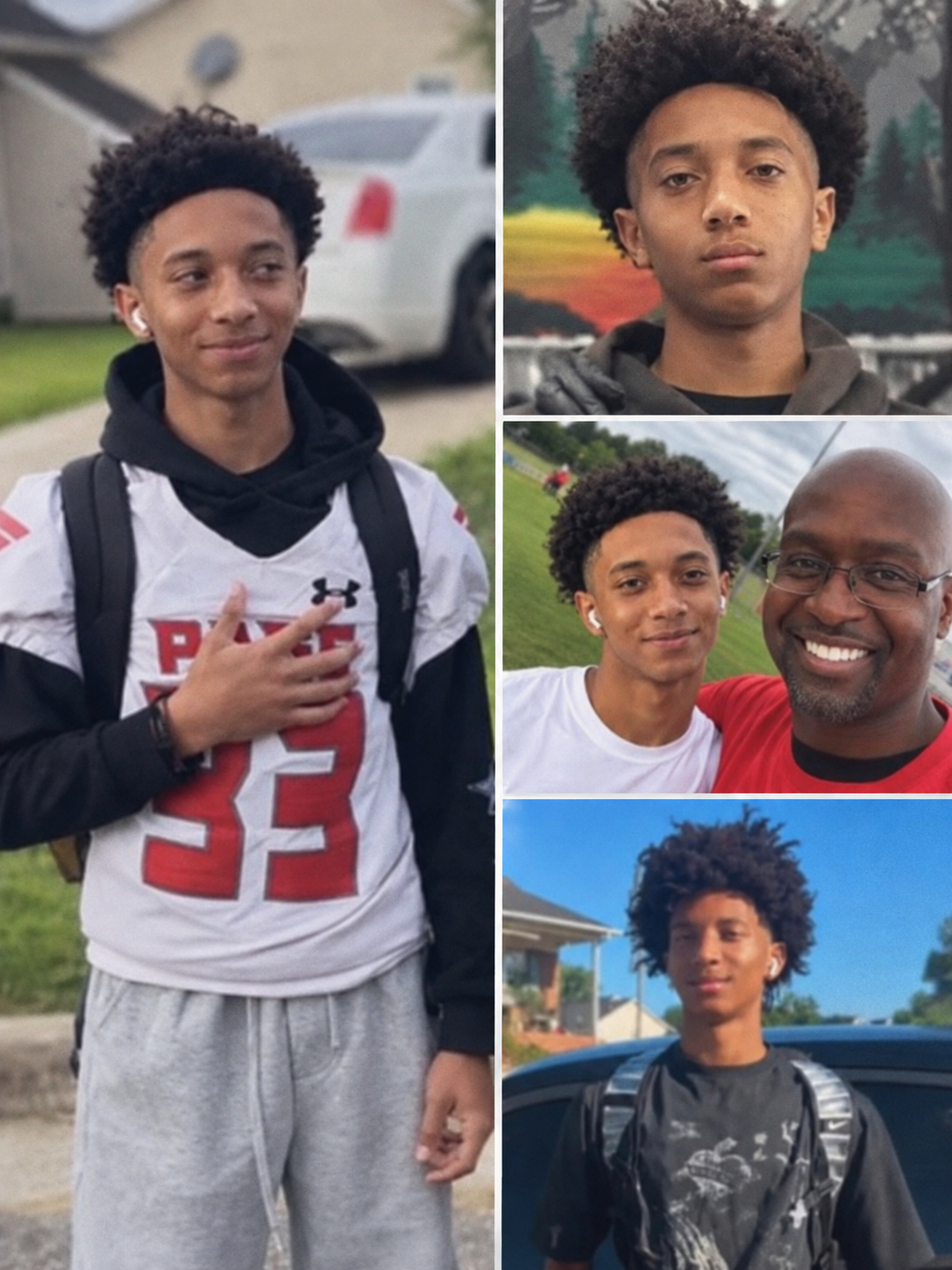
A North Carolina high school community is mourning the death of 15-year-old football player Davion Fewell, who died just days after suffering a serious injury during a junior varsity game.
Davion, a student-athlete at Page High School in Greensboro, was injured on Sept. 10 during a home matchup against Grimsley High School. Emergency responders treated him at the field before transporting him to a local hospital.
His family later confirmed that he died on Sunday, Sept. 13.
School officials have not publicly released a detailed medical explanation of the injury, though later local reporting described it as a head injury sustained during the game. An investigation into the circumstances surrounding what happened on the field remains ongoing.
For Davion’s family, teammates and classmates, the days since have been filled with grief — but also with an extraordinary show of support from across Greensboro.
Hundreds gathered at Page High School’s football stadium on Sept. 17 for a candlelight vigil honoring a teenager remembered not only as an athlete, but as a young person whose confidence, energy and fearlessness made an impression on the people around him.
A Game That Changed Everything
Davion was playing in Page High School’s junior varsity game against rival Grimsley when he was injured.
The incident occurred only minutes into the game, according to accounts from people familiar with what happened.
Emergency medical services were dispatched to Page High School at approximately 7:16 p.m. on Sept. 10, and one patient was transported for treatment.
Davion was taken to the hospital, where he remained for the following days.
On Sept. 13, his family announced that he had died from injuries sustained during the game.
The news quickly spread through Page High School, where Principal Erik Naglee informed students and families of the loss.
The school district later issued a statement expressing condolences to Davion’s relatives, teammates, coaches and classmates. Counseling services were also made available to students struggling with the sudden death.
At the time of the first announcements, officials did not disclose the precise nature of the injury.
Subsequent local coverage described Davion as having suffered a serious head injury. Authorities and school officials have continued to respect the family’s privacy while reviewing the circumstances surrounding the incident.
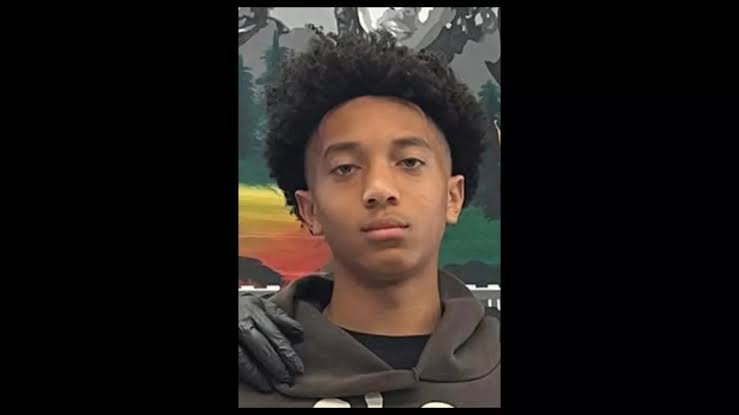
He Was Remembered as ‘Fearless’
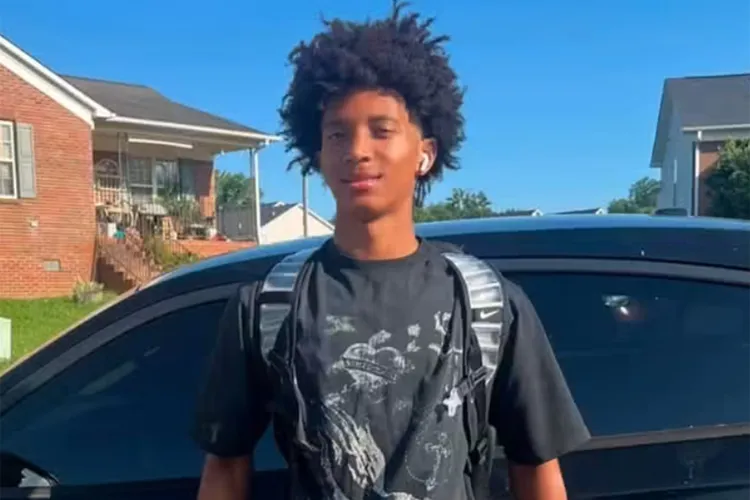
As the community began processing what had happened, a fuller picture emerged of the teenager behind the football uniform.
Davion was remembered as a determined and confident athlete who brought intensity to competition and energy to the people around him.
Those close to him described him as fearless.
He was not only involved in football. Public athletic records also showed him competing in track, including sprint events such as the 100-meter and 200-meter races.
For classmates and teammates, that athleticism was only part of his identity.
Messages posted online after his death described Davion as a bright presence who was loved by his family and had formed strong bonds with people at school.
His aunt called him a “shining light,” while other family members emphasized the spirit and personality he brought into their lives.
One of the most emotional tributes came from his grandfather during the memorial gathering, who reflected on the 15 years he was able to spend with Davion.
The sentiment captured what many in attendance appeared to be feeling: gratitude for the years they had with him, mixed with disbelief that his life had ended so suddenly.
Hundreds Gathered Under the Stadium Lights
Four days after Davion’s death, the same school community that had watched him compete returned to the football stadium for a very different reason.
On the evening of Sept. 17, hundreds of people gathered at Marion Kirby Stadium for a candlelight vigil.
Students, athletes, relatives, coaches and community members filled the stands and field to remember him.
Principal Naglee told those gathered that their presence demonstrated the impact Davion had made on so many lives.
The football program had encouraged people to attend and celebrate his life, saying Davion was deeply missed.
For many of his teammates, the vigil transformed a place normally associated with competition into a setting for remembrance.
The stadium where Davion had played became the place where people came together to say goodbye.
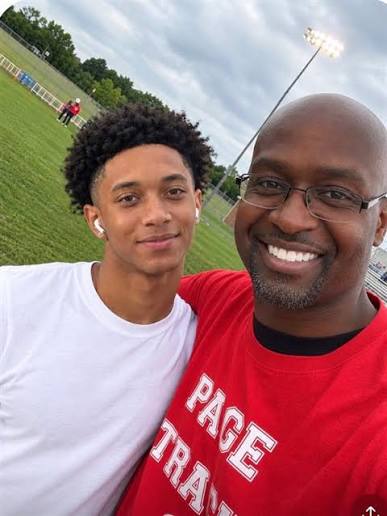
A Rival School’s NFL Connection Steps In to Help
Support for Davion’s family also came from outside Page High School.
A foundation associated with NFL defensive lineman D.J. Reader stepped forward to assist with memorial expenses.
Reader, now with the New York Giants, is a graduate of Grimsley High School — the opposing school Page was playing when Davion was injured.
His foundation’s involvement created an especially poignant connection between the two football communities.
On the field, Page and Grimsley are rivals.
In the days after Davion’s death, however, that rivalry was overshadowed by grief.
The foundation offered financial assistance to help Davion’s family with funeral and memorial costs.
The gesture became one of several examples of how the tragedy extended beyond a single school.
Messages of sympathy came from across Greensboro, including from local law enforcement officials who expressed support for the students, educators, school resource officers, coaches and families affected by Davion’s death.
Questions About What Happened Remain
Even as the community focuses on remembering Davion, questions remain about the exact circumstances of his injury.
School officials have provided limited information, in part out of respect for the family.
Authorities have said the circumstances are being reviewed, but there has been no public announcement suggesting criminal wrongdoing.
The central unanswered question is medical: exactly what happened during the play, and how did the injury become fatal?
Early reports simply described Davion as having been hurt during the game.
Later local reporting characterized the injury as involving his head.
Without a more detailed official medical explanation, however, it would be premature to draw broader conclusions about precisely how the injury occurred or whether any particular factor contributed to his death.
For his family, those answers may come later.
The immediate focus has been on remembering the teenager himself.
A Community Trying to Move Forward
The death of a student-athlete can reverberate far beyond a single team.
Football players who shared practices with Davion must return to the field.
Classmates must return to hallways where they expected to see him.
Coaches and teachers must continue working with students who are trying to understand how a teenager their own age could be gone within days of playing a game.
That is why counseling and other support services have remained available at the school.
It is also why the vigil mattered.
For one evening, the Page High School community did not have to process the loss individually.
Hundreds of people stood together inside the stadium where Davion had spent part of his young athletic life.
They remembered the athlete who ran, competed and played without fear.
They remembered the student.
They remembered the son, grandson, nephew, teammate and friend.
Davion Fewell was only 15.
His final football game lasted only minutes before everything changed.
But the response in the days afterward showed how much of an impact he had already made.
And as the investigation continues into the injury that led to his death, those closest to Davion are making sure that the circumstances of his final game do not become the only thing people remember about his life.