Prosecutors Say Tomasz Kosowski’s Digital Trail Shows He Was Tracking Attorney Steven Cozzi Before Disappearance
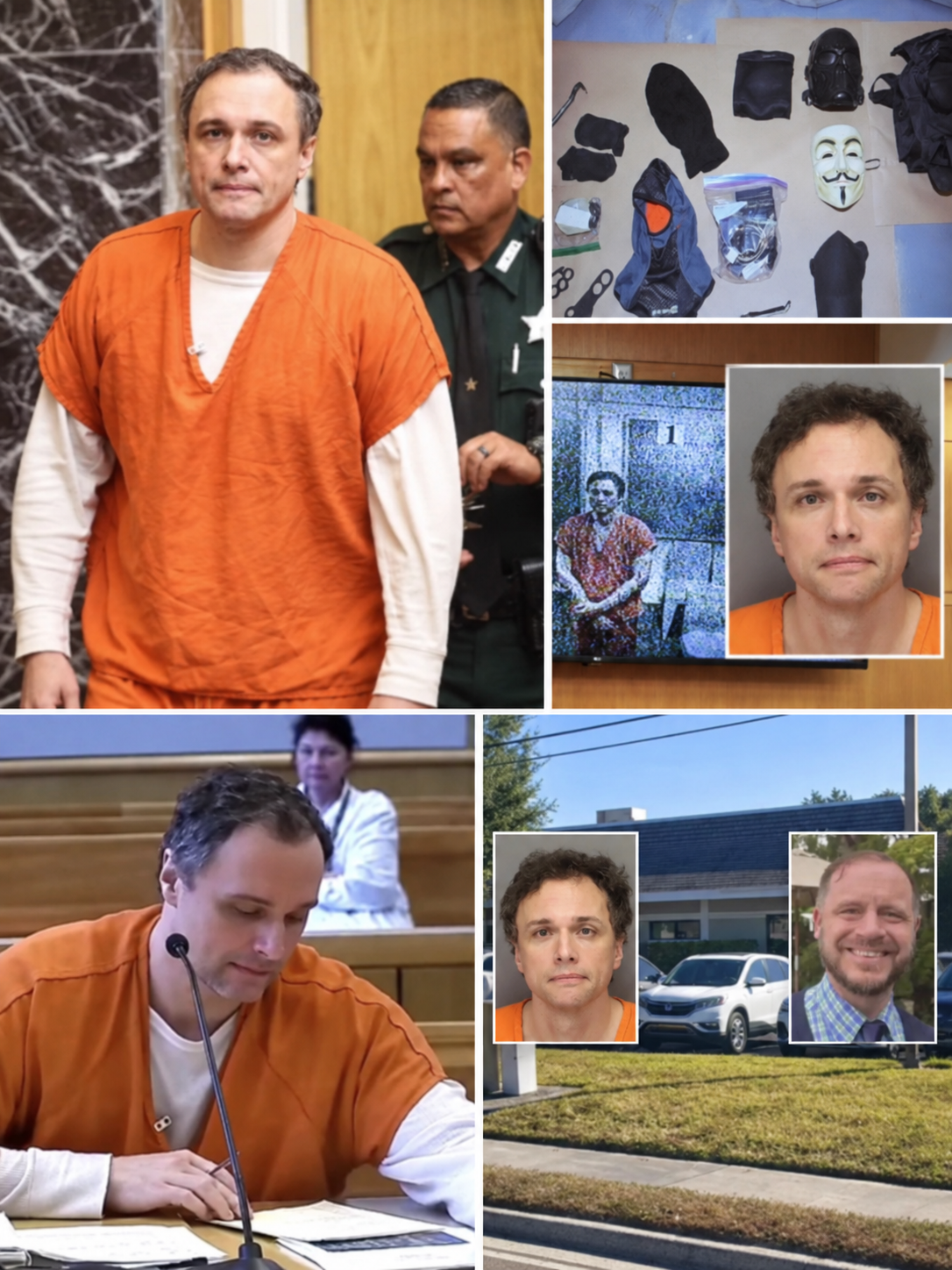
Prosecutors in the murder trial of former Florida plastic surgeon Tomasz Kosowski are turning to his digital history as they attempt to prove that the disappearance of attorney Steven Cozzi was not spontaneous, but the result of careful planning carried out over weeks.
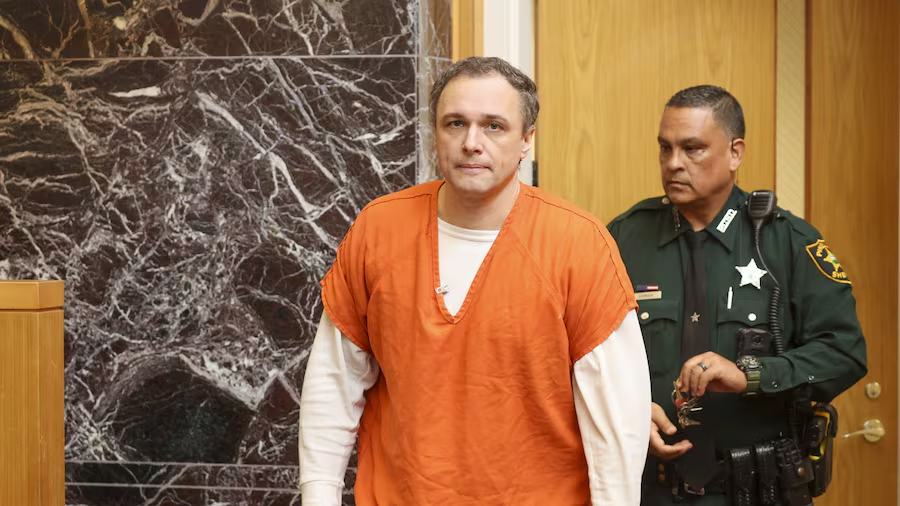
Kosowski, 47, is charged with first-degree murder in the presumed death of Cozzi, who vanished from his Largo law office on March 21, 2023.
Cozzi’s body has never been recovered.
Kosowski has pleaded not guilty and is representing himself in a bench trial, meaning Judge Joseph Bulone — rather than a jury — will ultimately decide whether prosecutors have proved the charge beyond a reasonable doubt. Court records show Kosowski formally waived his right to a jury earlier this month.
On Friday, investigators walked the court through internet searches, videos, phone activity and other digital records they say demonstrate a growing focus on Cozzi and his workplace before the attorney disappeared.
Investigators Say Kosowski Searched for Cozzi Months Earlier
A digital forensic investigator testified that Kosowski searched for Cozzi online in January 2023, roughly two months before he vanished.
That timing is important to prosecutors because Cozzi was one of the attorneys involved in a bitter civil dispute connected to Kosowski’s former medical practice.
The state argues that the legal fight gave Kosowski a motive to target him.
Investigators also described a video found in Kosowski’s digital history from February 2023.
According to the testimony, the footage showed the law office where Cozzi worked.
Prosecutors are using that material to argue that Kosowski had begun documenting or studying the location before March 21.
The defense — in this case Kosowski himself — can challenge whether those searches and recordings actually demonstrate criminal intent.
Looking up an attorney involved in active litigation is not itself a crime.
The prosecution must connect those digital records to the much larger body of evidence surrounding Cozzi’s disappearance.
Civil Lawsuit Had Become Increasingly Hostile
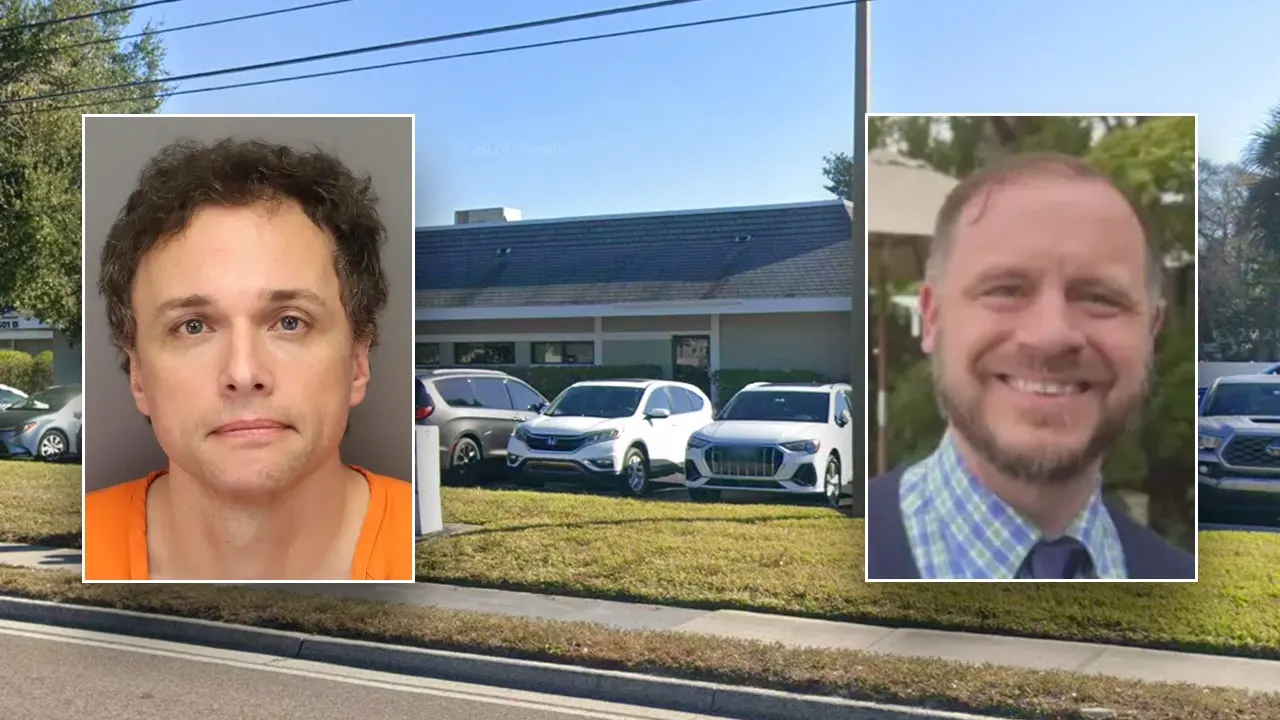
The relationship between Kosowski and Cozzi developed through years of civil litigation.
Kosowski had sued his former employer and others in 2019.
Cozzi later became involved as an attorney representing parties on the opposing side.
Courtroom testimony has indicated that Kosowski attended a lengthy meeting at the Blanchard Law office in September 2022, months before Cozzi disappeared.
During that visit, prosecutors say he had an opportunity to become familiar with the office layout — including the hallway and communal restroom that would later become the central crime scene in the state’s theory.
Cozzi also reportedly told his husband about an uncomfortable encounter with Kosowski in January 2023.
According to testimony, Cozzi said Kosowski confronted him in the men’s restroom and insulted him.
The prosecution argues that the incident demonstrates escalating hostility.
Cozzi Walked Toward the Restroom and Never Returned
On the morning of March 21, 2023, Cozzi arrived at work as usual.
Shortly before 10 a.m., he left his desk and walked toward the office restroom.
He never came back.
His wallet, phone, laptop, keys and other belongings remained behind.
His car was still parked outside.
Inside the men’s restroom, investigators later found a significant amount of blood.
Prosecutors say forensic evidence established that the blood belonged to Cozzi.
The state’s theory is that Kosowski entered the law office, attacked Cozzi in or near the restroom and then removed his body from the building.
Kosowski denies killing him.
Surveillance Footage Shows a Wagon Leaving the Office
Surveillance evidence has played a major role in the prosecution’s case.
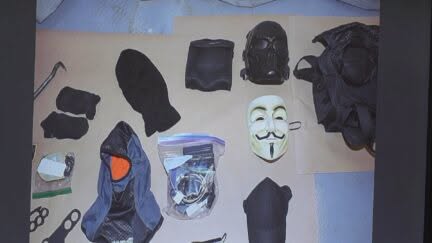
According to prosecutors, video shows Kosowski entering the office wearing clothing that concealed his appearance.
Later footage allegedly shows him leaving with a large wagon or cart containing a bulky load.
Investigators believe Cozzi’s body was inside.
The prosecution says Kosowski then transported the body away from the property.
No remains have ever been located, making this a no-body murder prosecution built heavily on circumstantial, forensic and digital evidence.
Phone Data Went Dark During Critical Periods
Another key part of the case involves Kosowski’s cellphone.
An FBI cellular-analysis specialist testified that the phone was turned off or otherwise stopped generating normal location information for approximately two hours and 16 minutes on March 21.
It later appeared near the Blanchard Law office.
Investigators said the device then went dark again for another period lasting nearly an hour.
Prosecutors argue those gaps were intentional and designed to prevent investigators from tracking Kosowski’s movements during important portions of the day.
The state also presented evidence linking his phone location with license-plate-reader data from his vehicle near a remote dumpster along Tamiami Trail.
Investigators testified that the vehicle appeared to stop there briefly.
A cadaver dog later alerted at that dumpster.
Authorities searched a landfill for Cozzi’s remains but did not find them.
Digital Records Extended Beyond Searches and Location Data
Friday’s testimony also broadened the digital picture beyond simple browser history.
Investigators described records they say showed what Kosowski watched, searched for and documented before and after Cozzi disappeared.
One report presented during the first week of trial said that after leaving the area of the dumpster prosecutors believe was used to dispose of Cozzi’s body, Kosowski played “Free as a Bird” in his vehicle.
The meaning of that detail is for the judge to decide.
Prosecutors may argue it fits their broader narrative of what happened that day.
Kosowski can argue that listening to a particular song proves nothing about guilt.
That distinction illustrates the central challenge of digital-evidence cases: individual pieces can appear ambiguous in isolation but may take on greater significance when placed beside surveillance, DNA and location records.
DNA and Blood Evidence Form Another Part of the Case
The state is not relying on digital history alone.
Forensic testimony has linked Cozzi’s blood to the law-office restroom and to items investigators say were connected to Kosowski.
A DNA analyst testified about a statistical match so strong that the probability figures reached into extremely large numbers.
Investigators also described signs that the restroom had been cleaned after the attack.
Other evidence recovered during the investigation included blood-stained materials, cash and medical substances found in Kosowski’s vehicle.
Authorities said they discovered more than $280,000 in cash and a vial of succinylcholine chloride, a powerful paralytic drug used in medical settings, along with a syringe.
Prosecutors have characterized the collection of items recovered from Kosowski as part of a broader preparation-and-cleanup theory.
Kosowski has disputed the state’s interpretation of the evidence.
Kosowski Is Representing Himself
The unusual courtroom dynamic has added another layer to the trial.
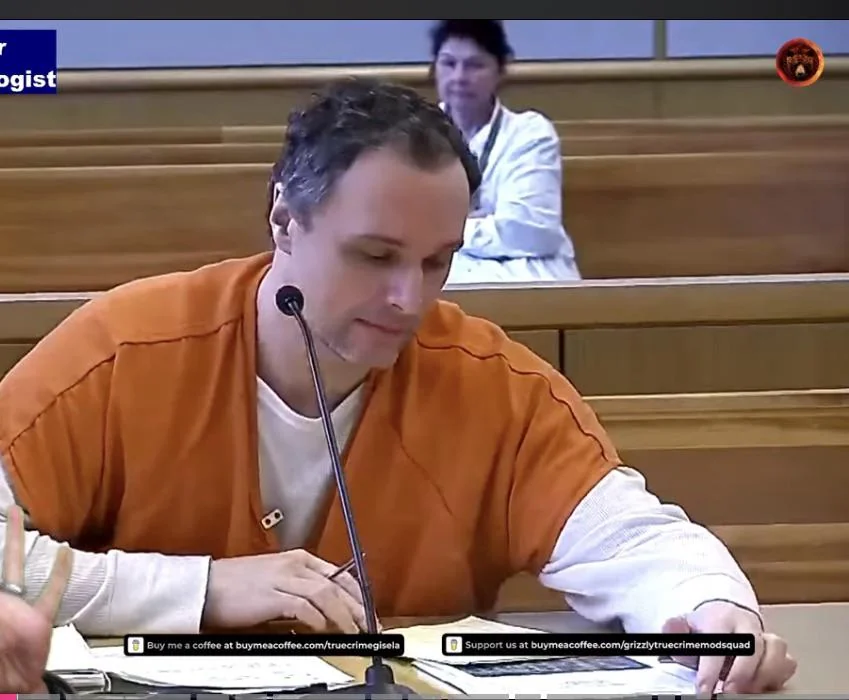
Kosowski dismissed his attorneys and chose to represent himself despite facing a possible death sentence if convicted.
The judge repeatedly confirmed that Kosowski understood the risks of giving up professional legal representation.
Standby attorneys remain available to assist him, but Kosowski is controlling his own defense.
He has also waived a jury for both the guilt and potential penalty phases.
Judge Bulone will therefore evaluate the evidence, rule on guilt and, if necessary, determine the sentence.
Prosecutors Are Building a Timeline Instead of Relying on One Piece of Evidence
The state’s case increasingly resembles a timeline assembled from many different sources.
There are the January searches for Cozzi.
The February video allegedly showing his workplace.
The history of litigation and hostility.
The phone going offline during critical periods.
Surveillance showing movements around the law office.
Blood and DNA evidence.
Vehicle-location data.
The alleged stop at a remote dumpster.
And the fact that Cozzi left behind nearly everything he would normally take if he intended to leave voluntarily.
No single piece necessarily answers the entire case.
Prosecutors are asking the judge to consider how those pieces fit together.
Body Still Has Never Been Recovered
One fact remains unchanged more than three years after Cozzi disappeared.
His body has never been found.
That means prosecutors must prove both that he is dead and that Kosowski caused his death without presenting remains to the court.
No-body murder cases are legally possible, but they often depend heavily on the strength of circumstantial and forensic evidence.
Kosowski remains presumed innocent.
The trial is scheduled to resume on Sept. 22, according to the court docket.
As prosecutors move deeper into the digital record, their argument is becoming increasingly clear.
They are not asking the court to view Kosowski’s online searches, phone gaps or recorded videos as isolated curiosities.
They are asking the judge to see them as evidence of preparation — a digital trail that, in the state’s view, began months before Steven Cozzi walked toward a law-office restroom and was never seen again.