Dolly Parton Didn’t Just Sing About East Tennessee — She Helped Transform It
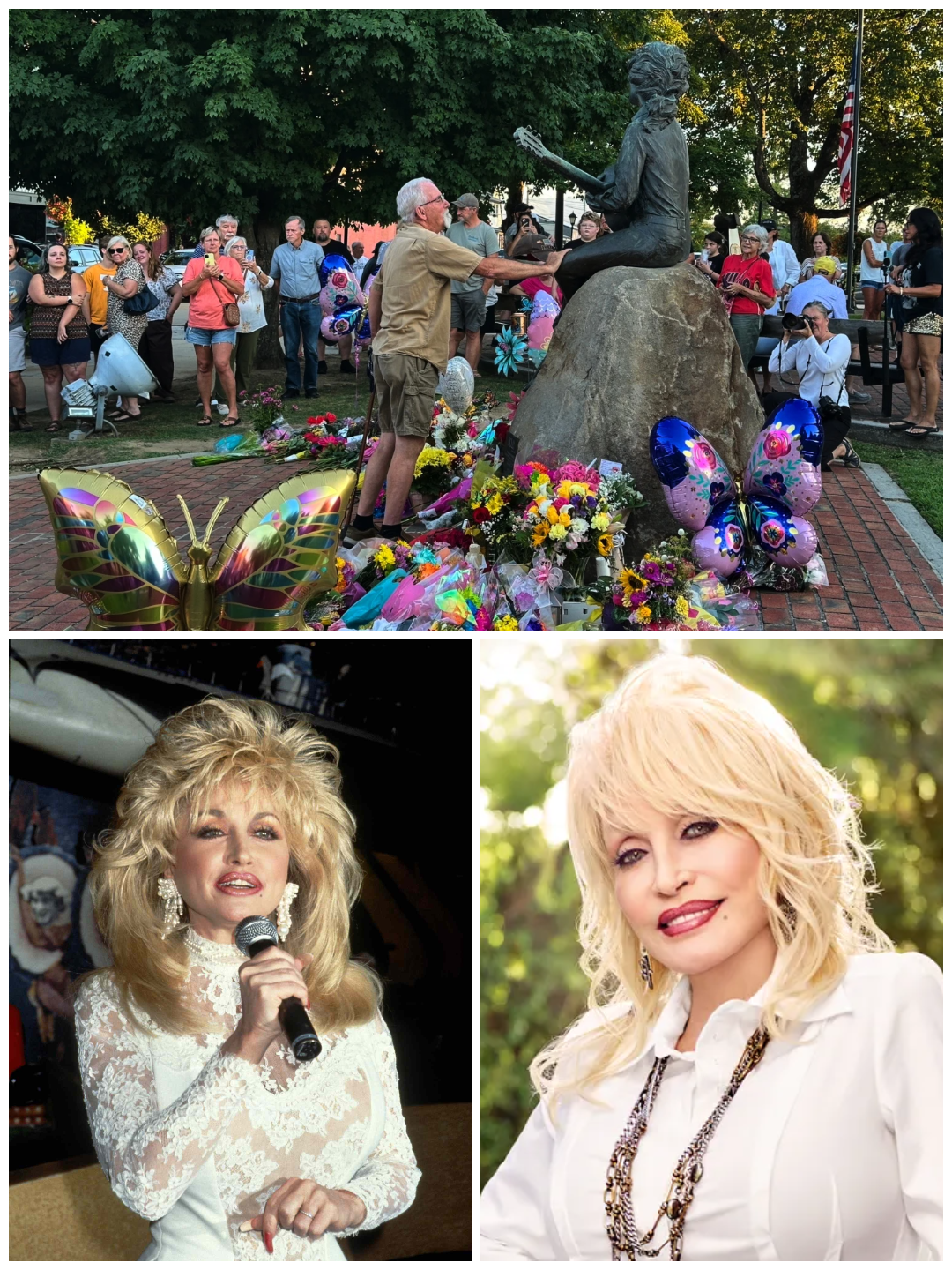
Dolly Parton spent her career telling the world where she came from.
She sang about the Smoky Mountains, poor families, country roads and the small East Tennessee communities that shaped her childhood. Even after becoming one of the most famous entertainers in the world, she never tried to distance herself from those roots.
But Parton did something more significant than simply celebrate East Tennessee in her songs.
She invested in it.
Over several decades, Parton helped turn her home region into a major tourism destination, created jobs, supported local students, sent books to children and stepped in when disaster struck.
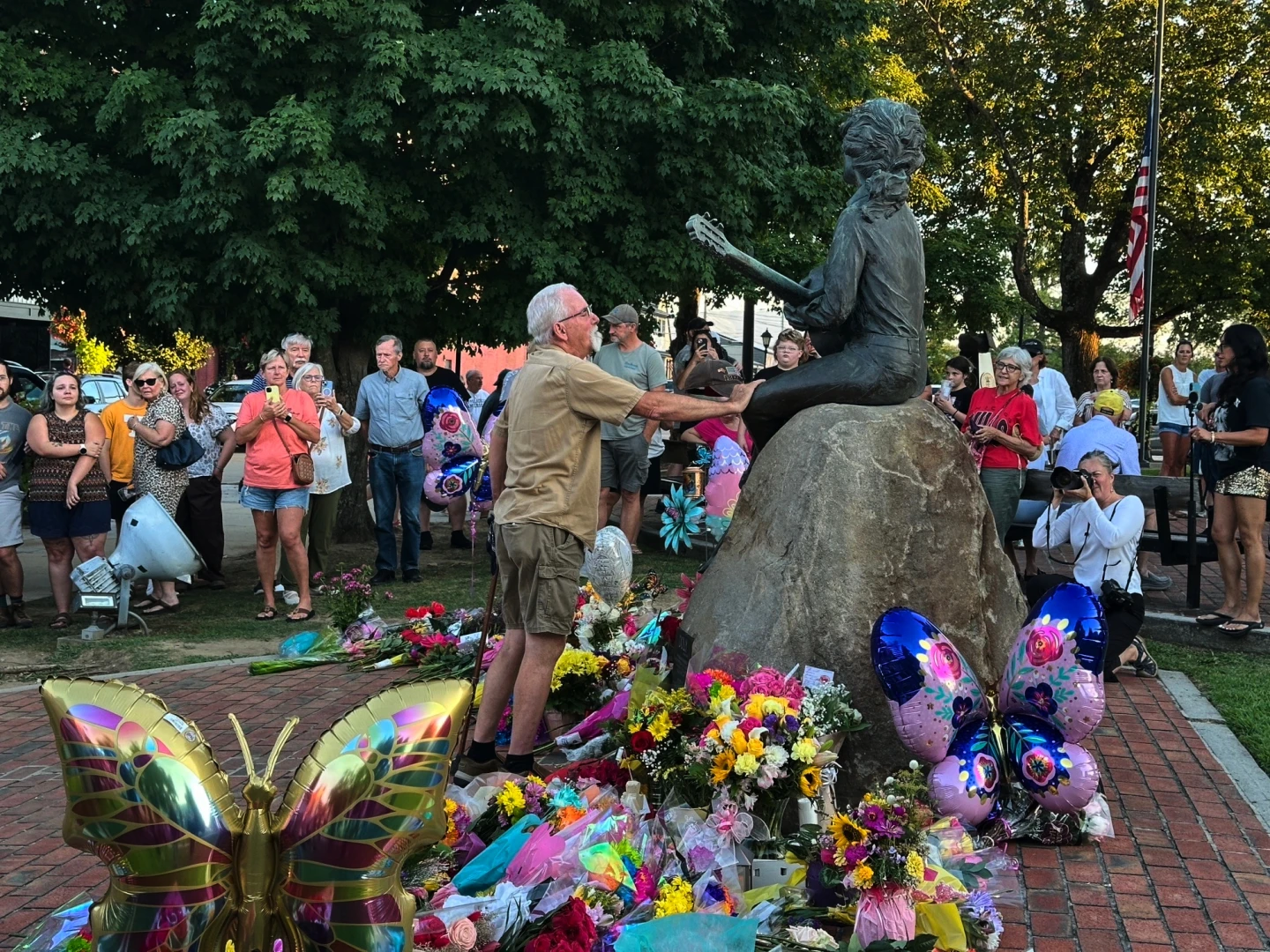
After her death at age 80 on Aug. 25, 2026, that impact became especially visible in Sevier County, where residents gathered at her statue in downtown Sevierville and returned to Dollywood to remember a woman they viewed not simply as a celebrity, but as one of their own.
She Left the Smoky Mountains — But Never Really Left Them Behind
Parton was one of 12 children and grew up in a two-room cabin without electricity or running water.
Her childhood eventually became part of her mythology, but she never treated it as something embarrassing to escape.
Instead, East Tennessee appeared repeatedly in her music and stories.
Parton once joked that she might have been the only person to leave the Smoky Mountains and somehow take them with her.
That statement turned out to be surprisingly accurate.
After graduating from high school, she moved to Nashville and built an extraordinary music career. But as her fame and wealth grew, she increasingly directed both back toward the region where she had started.
The most visible example was Dollywood.
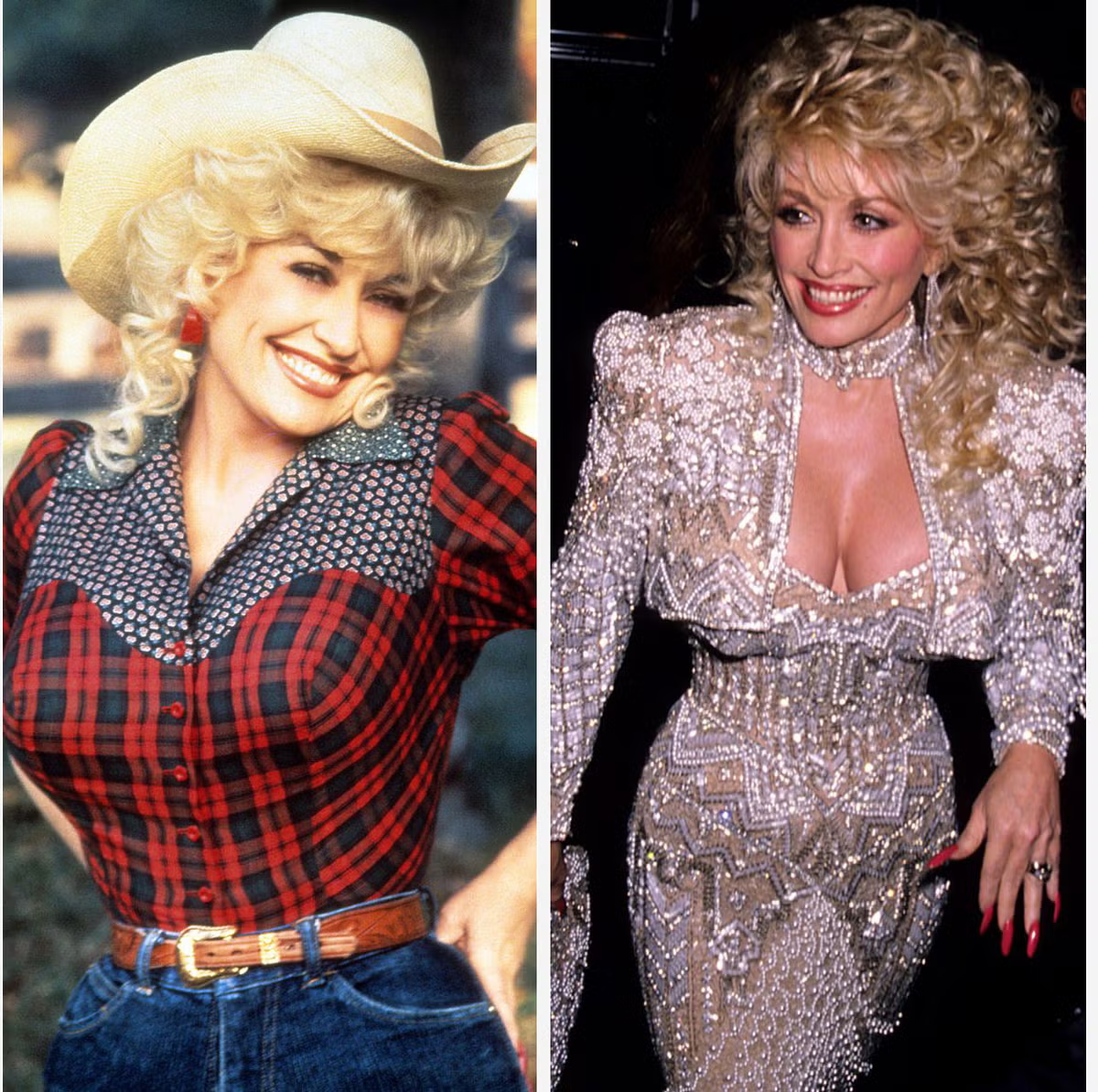
Dollywood Changed Pigeon Forge
The Great Smoky Mountains had attracted visitors for decades before Parton became involved.
Great Smoky Mountains National Park had existed since the 1930s, while nearby Gatlinburg was already a popular tourist destination.
But in 1986, Parton made a decision that would significantly alter the economic trajectory of the area.
She became co-owner of an existing Pigeon Forge amusement park and attached her name to it.
Dollywood was born.
The move was more than a celebrity endorsement.
The park quickly became Tennessee’s most visited tourist attraction. Parton regularly appeared for new-season openings, performances and parades, helping turn a regional amusement park into a nationally recognized destination.
According to Tennessee officials cited by the Associated Press, Dollywood now generates about $1.8 billion annually and is the largest employer in Sevier County.
For a rural region, the effect has been enormous.
Hotels, restaurants, shops and additional attractions grew around the tourism economy. Families who once might have depended on a narrower range of local industries suddenly had access to work connected to millions of visitors arriving every year.
Amanda Marr of the Sevierville Chamber of Commerce told AP that while the national park and Gatlinburg had already established tourism in the region, Dollywood pushed the county to another level.
The Idea Was Personal for Dolly
Parton’s interest in building a major attraction in her hometown was tied to memories of her own childhood.
Former Dollywood chef James Gambrell told AP that Parton had seen families like hers unable to afford trips to places such as Disneyland.
Dollywood offered something closer to home.
It also allowed Parton to showcase the culture she grew up around rather than presenting Appalachia through the stereotypes that had often defined it in popular entertainment.
The park celebrated Appalachian crafts, music, food and mountain traditions alongside the roller coasters and entertainment.
That combination reflected Parton herself.
She understood the commercial power of her image, but she also wanted visitors to see East Tennessee as something richer than the caricature of isolated mountain poverty.
Then She Turned to Education
Parton did not stop with tourism.
By the early 1990s, she had established the Dollywood Foundation and began targeting one of Sevier County’s most serious problems: its high school dropout rate.
At the time, roughly 30% of local students were dropping out of school.
One initiative, known as the Buddy Program, paired students together and offered a financial incentive if both finished high school.
Former Pigeon Forge mayor David Wear recalled participating as an eighth grader. Students were promised $500 toward their education if they and their assigned buddies completed high school.
The results were dramatic.
According to the foundation, Sevier County’s dropout rate eventually fell to about 6%.
It was a relatively simple idea, but it illustrated how Parton approached philanthropy.
She often focused on specific problems she had personally seen.
The Imagination Library Started Locally Too
The same was true of what became perhaps Parton’s most famous charitable project.
Dolly Parton’s Imagination Library is now an international literacy program, but it began in her home county.
The program sends free books to young children from birth until they enter school.
Parton created it partly in honor of her father, Robert Lee Parton, who could not read or write.
What started as a local effort eventually expanded far beyond Tennessee.
Children across the United States, Canada, the United Kingdom, Ireland and Australia have now received more than 330 million books through the program, according to figures cited by AP.
Yet its origins remained rooted in the same place that had inspired Dollywood.
Parton used East Tennessee as the testing ground for an idea that eventually reached millions of families around the world.
The 2016 Wildfires Showed What Dolly Meant to the Region
Perhaps nothing demonstrated the relationship between Parton and her hometown more clearly than the devastating 2016 wildfires.
The fires spread from Great Smoky Mountains National Park into the Gatlinburg area, killing 14 people.
Roughly 2,500 buildings were damaged or destroyed, and losses were estimated at about $2 billion.
Parton responded quickly.
Through her foundation, she helped direct financial support to displaced families and provided scholarships for students affected by the disaster.
Her My People Fund famously provided monthly payments to families who had lost their primary residences.
Wear told AP that Parton’s generosity and fundraising power altered the course of the region’s recovery.
Her fame suddenly became something more practical.
She could draw attention, raise money and convince people far outside Tennessee to care about what was happening in a mountain community.
“Her star power brought us back,” Wear said.
She Also Changed How People Saw Appalachia
Parton’s influence was not purely economic.
Ted Olson, a professor of Appalachian studies at East Tennessee State University, told AP that Parton helped challenge negative stereotypes about the region.
She understood how outsiders sometimes viewed Appalachia.
Instead of becoming defensive, she invited people to look more closely.
Parton’s career made it difficult to dismiss her homeland as backward or culturally insignificant.
She represented the region with humor, pride and an almost stubborn refusal to apologize for where she came from.
That mattered.
Millions of fans who might never have thought much about Sevierville, Pigeon Forge or the Smoky Mountains came to associate those places with Dolly Parton.
And many eventually traveled there themselves.
After Her Death, People Went Back to the Places She Built
The response after Parton’s death showed just how deeply those connections ran.
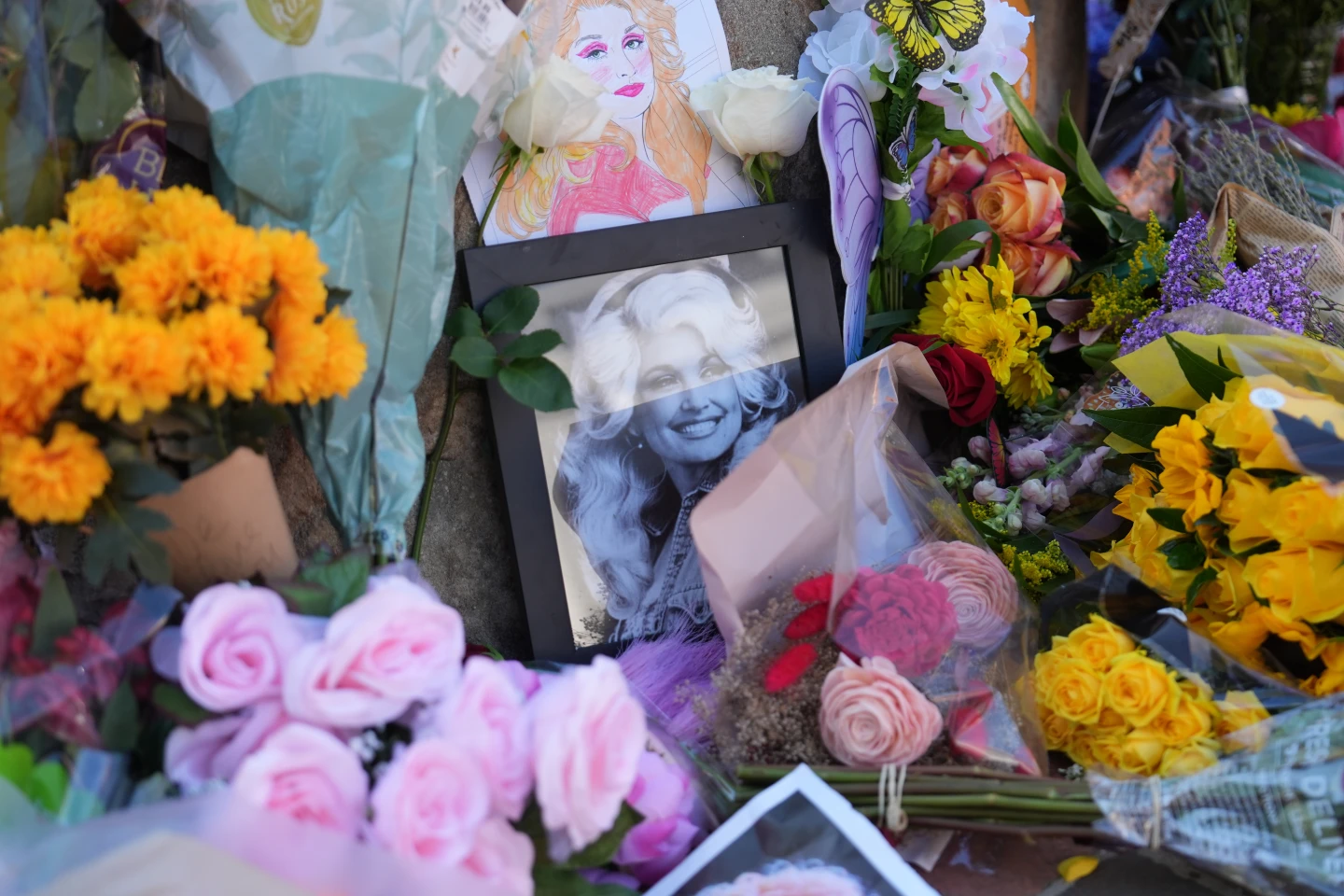
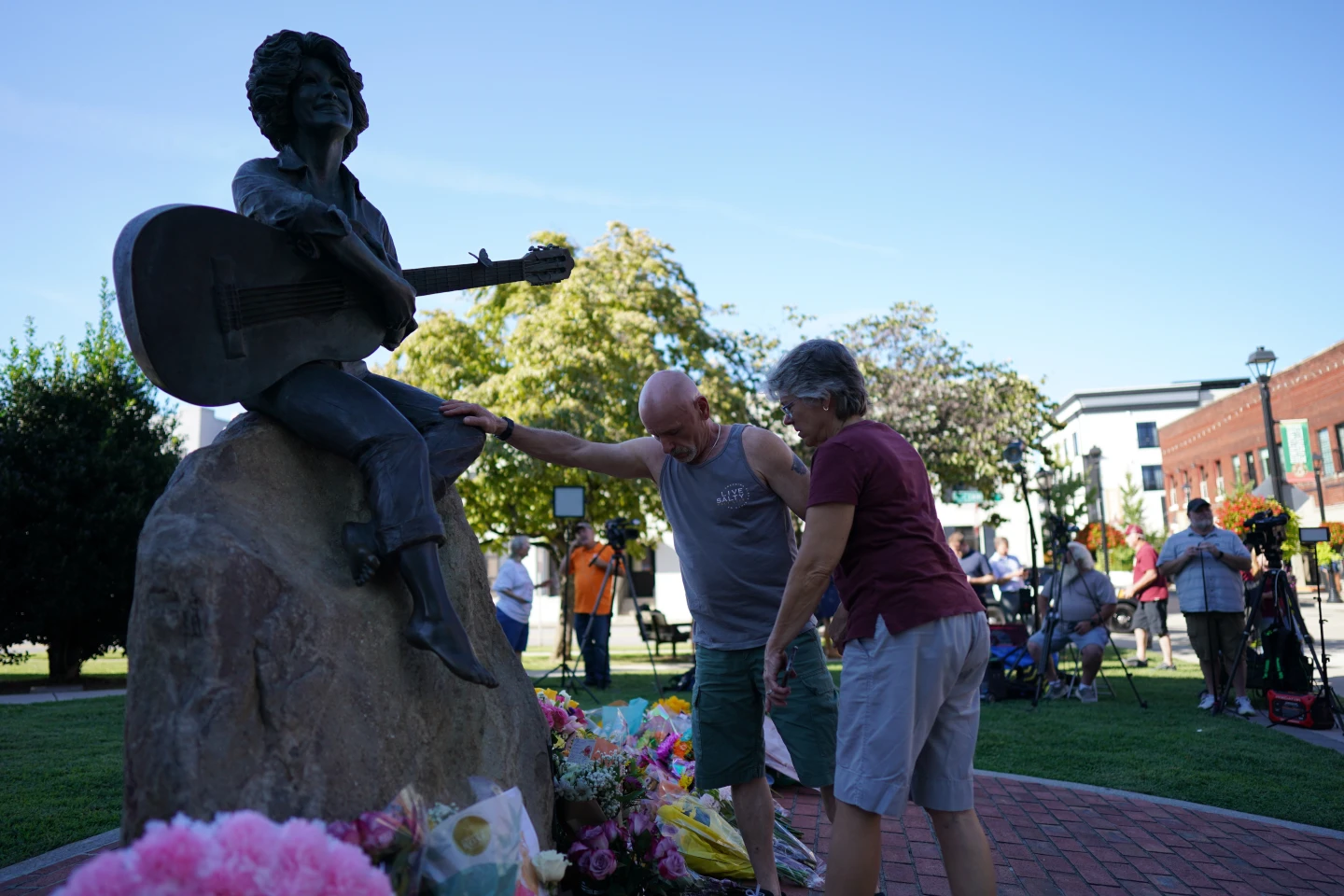
Mourners gathered around her bronze statue in Sevierville, leaving flowers, artwork and personal tributes.
The following morning, when Dollywood reopened after its regular Tuesday closure, visitors formed lines inside the park.
Some had traveled from across the country.
Others had worked there or grown up nearby.
For them, Parton’s legacy was visible everywhere.
It was in the attraction that employed their neighbors.
It was in the students who stayed in school.
It was in the books arriving at children’s homes.
It was in families who received help after losing everything to fire.
Dolly Parton became famous by singing about East Tennessee.
But the deeper story is what she did after she became successful enough to leave it behind.
She came back.
Again and again.
And by investing her money, fame and attention in the place where she grew up, she helped transform the very mountains that had first given her a story to tell.