An 18-Year-Old College Student Was Found Dead in Her Jeep. Then Investigators Opened Her Boyfriend’s Search History
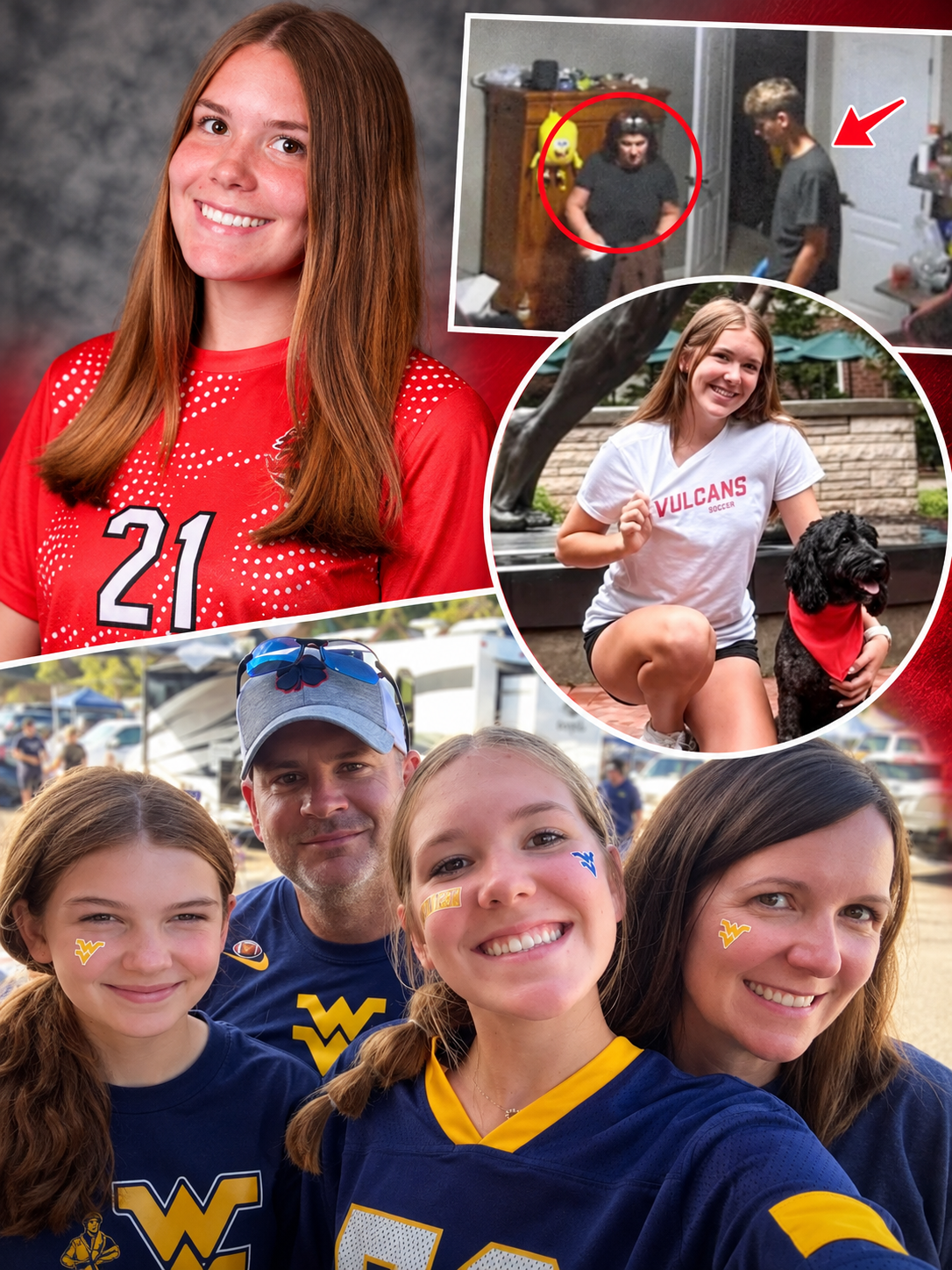
When 18-year-old Karoline Heintz failed to return to college, her family became worried enough to contact police.
Hours later, officers located her Jeep near the California Public Library in Pennsylvania. Inside the rear cargo area, they found the freshman soccer player dead from stab wounds.
What initially appeared to be a homicide investigation centered on Heintz’s 18-year-old boyfriend, Royce Moser, has since widened into something more complicated.
Moser is accused of killing Heintz on Aug. 19. His mother, Rachel Moser, is also facing charges after investigators alleged that she helped her son in the hours that followed — providing cleaning supplies and gloves, helping clean evidence and traveling with him as Heintz’s Jeep was moved. Both mother and son have been ordered to face the charges in court.
Now, newly released evidence is offering a much closer look at what investigators say happened during those hours.
Authorities have released 37 pages of evidence containing crime-scene photographs, surveillance images and other material. Investigators have also revealed data recovered from Royce Moser’s phone, including a series of internet searches about fingerprints, surveillance cameras, murder and the death penalty.
Together, the evidence has transformed the case from the death of an 18-year-old student into a disturbing investigation of what prosecutors allege happened not only during the killing, but during an attempted cover-up involving a mother and her son.
A College Life That Had Barely Begun
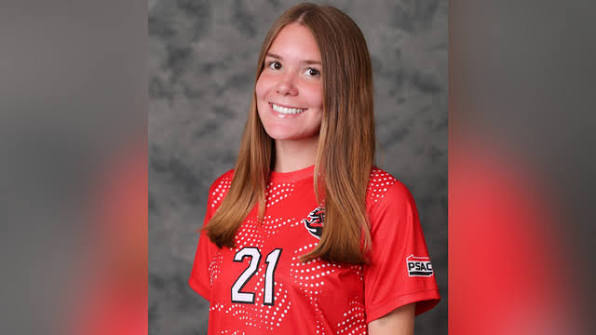
Heintz had recently begun her freshman year at PennWest California, where she was a member of the university’s women’s soccer team.
On Aug. 19, she had dinner with her family before preparing to return to school.
According to testimony later presented in court, her father said Heintz mentioned that she might stop at Moser’s home on the way back to campus.
Phone and location data reviewed by investigators showed Heintz arriving at Moser’s residence in North Strabane Township shortly before 10 p.m.
She never made it back to college.
When her family could no longer reach her, they began tracking her location. Her father told investigators he became concerned when the location information on his phone stopped updating.
Police were eventually provided information from an AirTag associated with Heintz’s belongings. Officers followed the location data to her Jeep in California Borough.
An officer searching the vehicle found Heintz inside the rear hatch.
She had been fatally stabbed.
What Investigators Say Happened at the House
According to testimony from a state police investigator, Royce Moser later told police that Heintz had been sitting in the driver’s seat of her Jeep when she said something that angered him.
Investigators said Moser told them he attempted to hug and kiss her, but the contact was not welcomed.
He allegedly went inside the house, retrieved a knife, returned to the vehicle and stabbed Heintz.
Police testified that Moser then moved her into the rear section of the Jeep.
The case might have remained focused almost entirely on what investigators say happened between the two teenagers.
Instead, phone records revealed a series of calls between Moser and his mother shortly afterward.
At approximately 10:22 p.m., investigators said Moser called Rachel Moser. Additional calls followed, including conversations lasting roughly 11, 12 and 17 minutes.
Investigators said those calls had been deleted from the phones but were later recovered through a search warrant.
That digital trail became central to the allegation that what happened next involved more than one person.
Investigators Say He Called His Mother
According to testimony presented during the preliminary hearing, Royce Moser told investigators that after the stabbing, he contacted his mother and told her what had happened.
He allegedly drove Heintz’s Jeep to Rachel Moser’s home in Beallsville.
Investigators say his mother then became involved in efforts to deal with the aftermath.
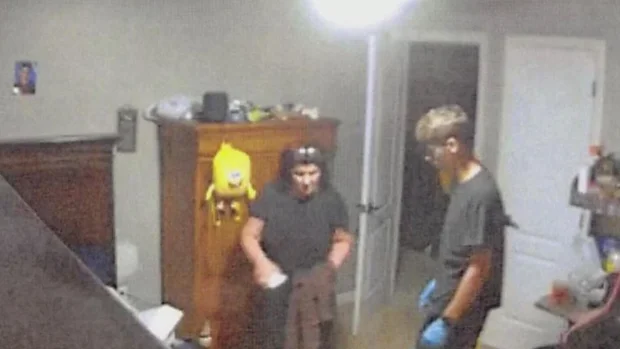
Court records allege that Rachel Moser had cleaning products and blue latex gloves available and instructed her son to shower and change clothes. Clothes connected to the investigation were later photographed inside a washing machine at her home. Investigators also recovered what they identified as the knife involved in the attack from a trash bag outside the residence.
Other evidence included bloody wipes and rags, gloves, a bloodied purse and items belonging to Heintz.
A surveillance image released by authorities appears to show Royce and Rachel Moser together inside a bedroom, with Royce wearing blue latex gloves.
Investigators also testified that Rachel Moser was later seen attempting to conceal blue gloves in her clothing while she was in police custody.
Her defense will have an opportunity to challenge those allegations as the case proceeds.
The Searches Investigators Found on His Phone
Perhaps the most striking newly disclosed evidence did not come from the crime scene itself.
It came from Royce Moser’s phone.
Investigators testified that beginning late on Aug. 19 and continuing into the early morning hours, the device was used to conduct repeated searches about removing evidence and the consequences of murder.
At 11:12 p.m., according to investigators, the phone searched a phrase asking what could remove fingerprints from objects dozens of times. Similar searches appeared again after midnight.
Other searches concerned how long Ring surveillance cameras keep video, what the Bible or God says about murder and whether an 18-year-old could receive the death penalty.
Investigators also said the phone contained a search asking what would happen if a demon controlled someone and that person committed murder.
The searches do not determine guilt by themselves. But prosecutors presented them as part of a larger timeline that includes location records, phone calls, surveillance footage, physical evidence and statements allegedly made to investigators.
A Jeep Moved Through the Night
Phone and surveillance data also allowed investigators to reconstruct the movements of Royce and Rachel Moser.
Authorities allege that after Heintz was stabbed, her Jeep was taken to Rachel Moser’s home.
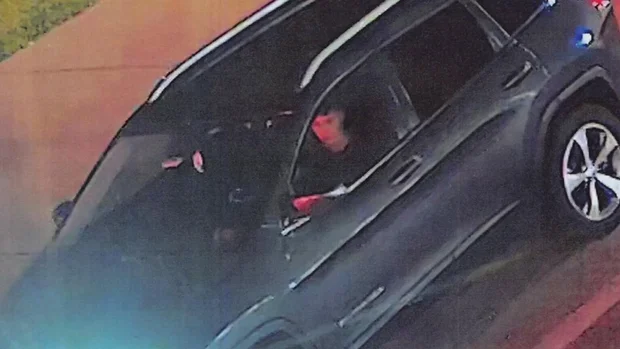
Later, Royce allegedly drove Heintz’s Jeep toward California Borough while his mother followed in another vehicle.
The Jeep was eventually left near the library, where Heintz would later be found.
Investigators say surveillance footage showed Royce and Rachel leaving the area together in a Volkswagen Jetta.
But their movements allegedly did not end there.
Authorities say the two later returned to the area after police had begun gathering around the vehicle.
The timeline, reconstructed from phone data, surveillance footage and license-plate information, is now one of the prosecution’s key pieces of evidence.
Why Rachel Moser Is Also Facing Charges
Royce Moser faces a homicide charge along with charges including abuse of a corpse, tampering with evidence and obstruction of justice.
Rachel Moser has not been charged with killing Heintz.
Instead, prosecutors accuse her of helping her son afterward.
Her charges include abuse of a corpse, evidence tampering, obstruction of justice, hindering apprehension and criminal use of a communications facility. Both defendants have been held without bond, and a judge ordered the charges against them to proceed following their preliminary hearings.
Their formal arraignment was scheduled for Oct. 13.
The distinction is important: prosecutors are alleging different roles for the mother and son, and neither defendant has been convicted.

‘Sweet Karoline’
For Heintz’s family, the court proceedings and evidence releases have meant hearing investigators reconstruct, minute by minute, the final night of their daughter’s life.
Her parents attended the preliminary hearing as prosecutors described phone records, surveillance images and evidence recovered from the homes and vehicles involved.
Those details stand in painful contrast to how Heintz was known before her death.
She was an 18-year-old student-athlete who had only just begun college, with a new academic year and soccer career ahead of her.
Her loved ones have remembered her as “sweet Karoline” and have made clear that they want justice while grieving a life cut short almost as soon as its next chapter had begun.
And as the case moves forward, one of its most troubling questions no longer concerns only what investigators say happened to Karoline.
It concerns what allegedly happened afterward.
The phone searches, deleted calls, gloves, cleaning materials, surveillance footage and nighttime trips outlined by investigators have placed both a teenage boyfriend and his mother at the center of the case.
Now a court will have to determine what that evidence proves — and exactly where the actions of one defendant ended and the alleged involvement of the other began.