Charlie Kirk’s Accused Killer Pleads Not Guilty to All 7 Charges — Despite Prosecutors Calling the Evidence “Overwhelming”
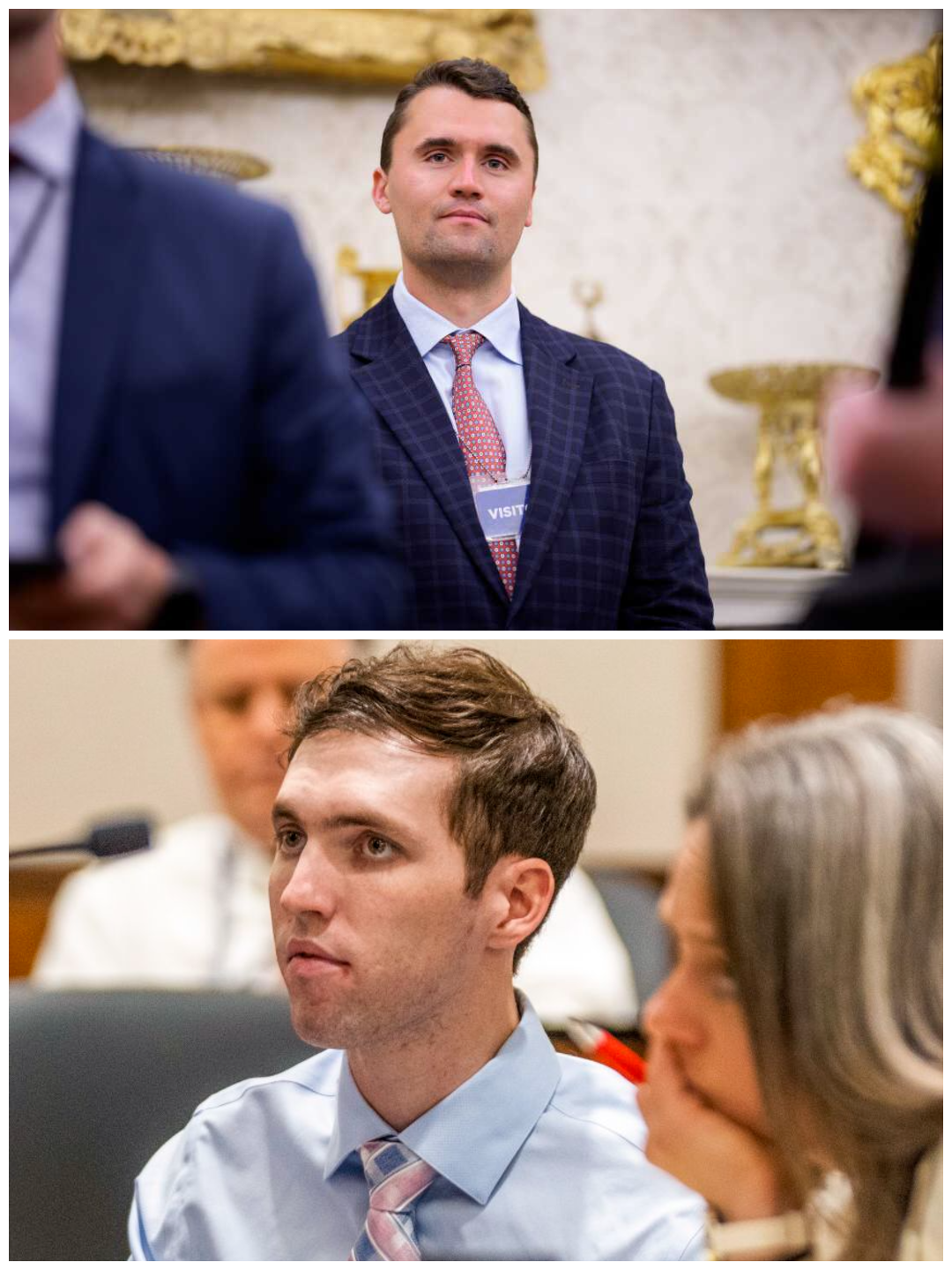
Nearly a year after Charlie Kirk was shot in front of thousands of people at a Utah university, the man accused of killing him finally entered his plea.
Not guilty.
Not just to the murder charge.
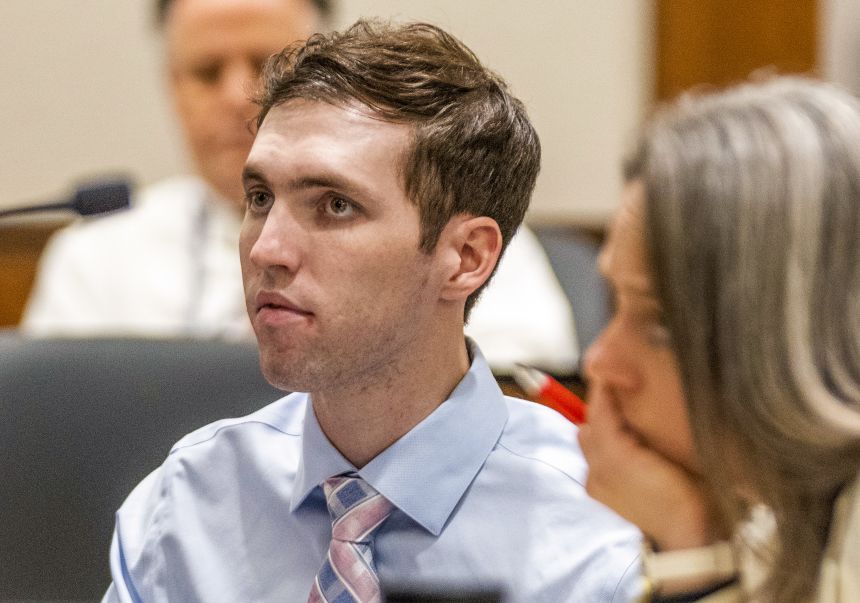
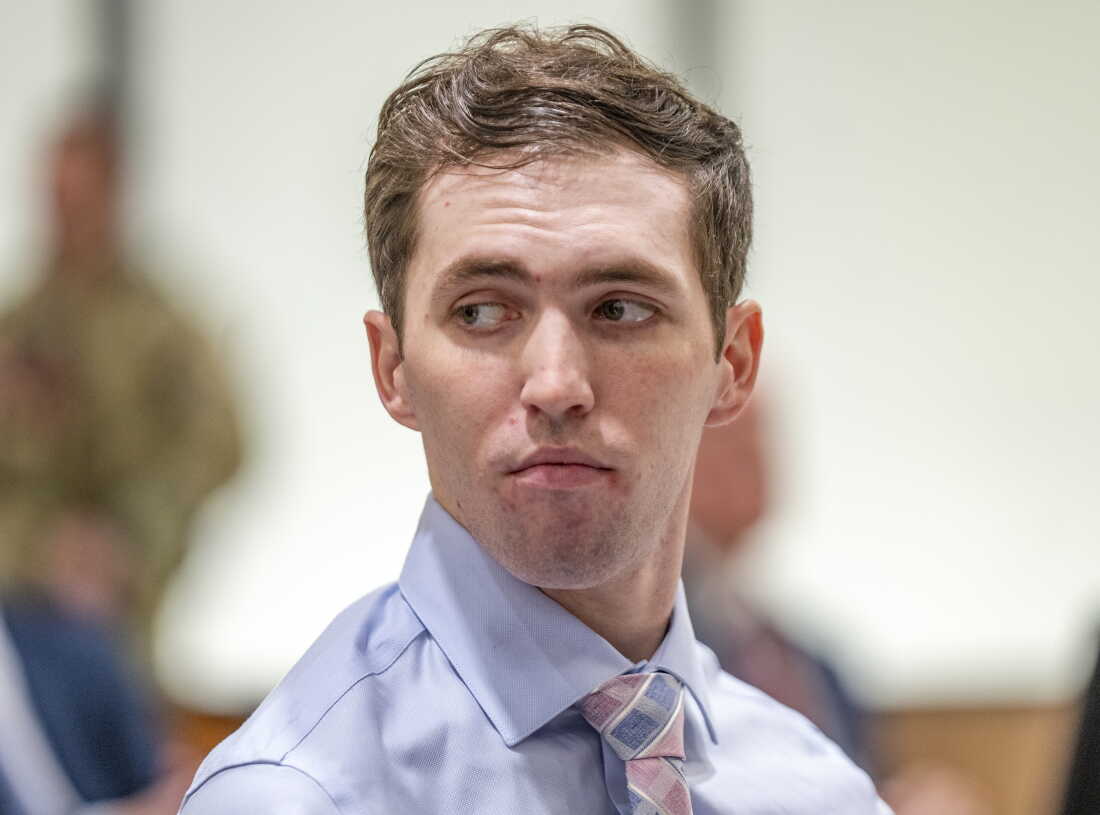
Tyler Robinson, 23, pleaded not guilty to all seven charges against him on Sept. 1, minutes after a Utah judge ruled that prosecutors had presented enough evidence for the case to move toward trial.
And despite the defense’s attempt to remove the most severe possible punishment from the case, prosecutors can continue pursuing the death penalty.
The dramatic hearing in Provo represented one of the biggest developments yet in the prosecution of Robinson, who is accused of firing the single shot that killed Kirk during an event at Utah Valley University on Sept. 10, 2025.
Prosecutors described the evidence against him as “overwhelming.”
But Robinson’s plea means they will still have to prove their case before a jury.
The Judge Sends the Case to Trial
Utah District Judge Tony Graf ruled that prosecutors had established sufficient probable cause to proceed against Robinson on aggravated murder and the six additional charges.
That distinction matters.
A preliminary hearing does not decide whether Robinson is guilty. The judge was determining whether prosecutors had produced enough evidence for the charges to continue to trial.
The burden at an eventual criminal trial will be much higher: prosecutors will have to convince jurors of guilt beyond a reasonable doubt.
Graf specifically noted that his preliminary findings did not determine Robinson’s guilt, the ultimate credibility of witnesses or how evidence would ultimately be treated at trial.
Shortly after the ruling, Robinson entered not-guilty pleas to every count.
The seven charges include aggravated murder, felony discharge of a firearm causing serious bodily injury, two counts of obstruction of justice, two counts of witness tampering and one count involving a violent offense allegedly committed in the presence of a child.
The aggravated murder charge is the most consequential because it can expose Robinson to capital punishment under Utah law.
Prosecutors Point to the Rooftop
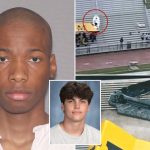
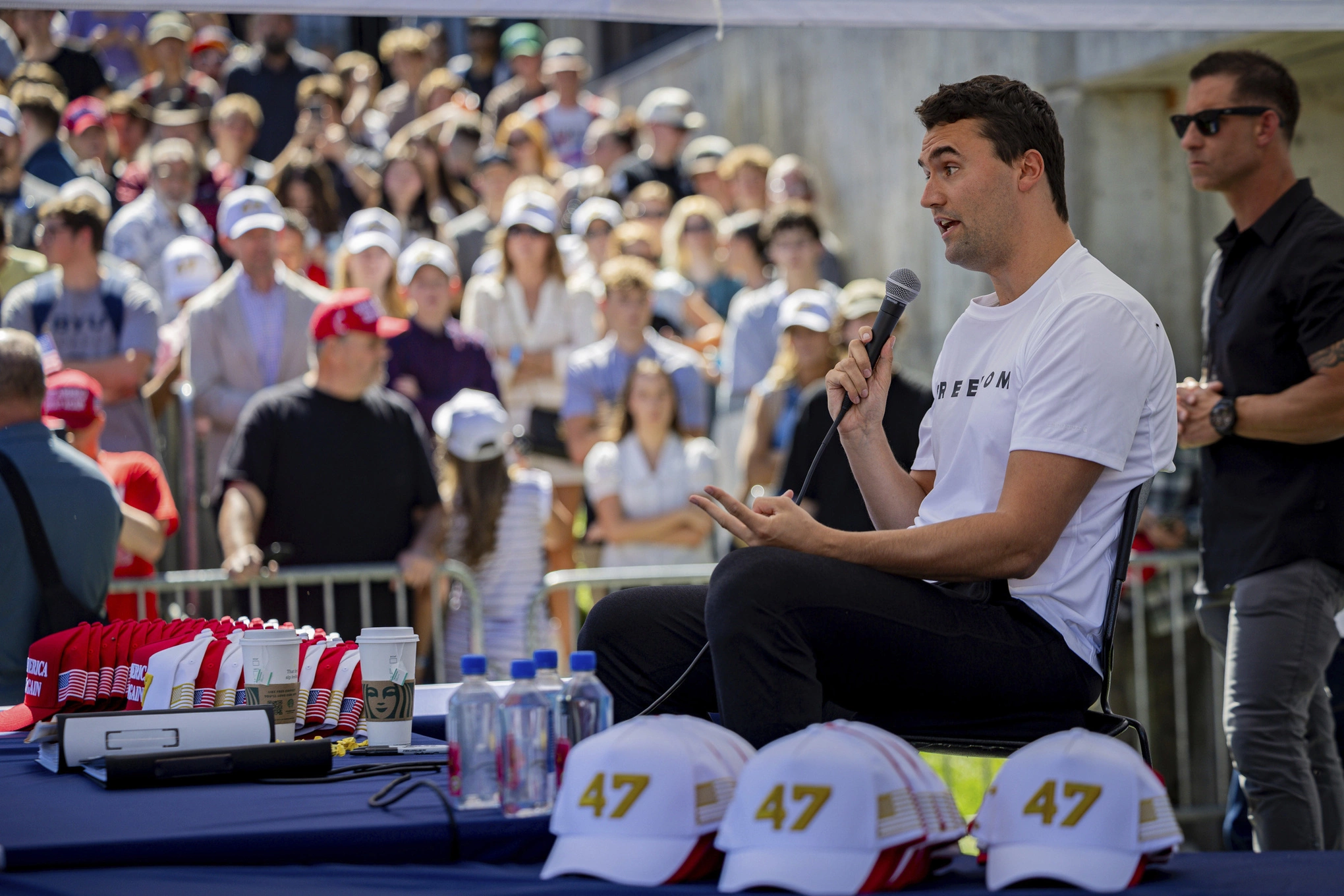
At the center of the state’s case is the allegation that Robinson positioned himself on a rooftop overlooking Kirk’s event before firing at him from more than 400 feet away.
Kirk, 31, was speaking before a crowd of more than 3,000 people when he was struck.
Utah County prosecutor Ryan McBride presented video images that he said showed Robinson moving into a sniper position before the shooting.
Prosecutors argued that the distance, the crowd and the people positioned close to Kirk meant the gunshot did not endanger Kirk alone.
They said Kirk’s security personnel were only feet away from him and that a missed shot could have struck somebody else.
That argument is critical because prosecutors are relying in part on the allegation that the shooting created a “great risk of death” to others — one of the issues at the center of whether the aggravated murder case can remain death-penalty eligible.
McBride told the court that a shooter taking aim at Kirk would have been able to see the enormous crowd surrounding the event.
Prosecutors also emphasized that the rifle allegedly contained additional rounds, arguing that Robinson had arrived prepared to fire again if necessary.
The Defense Has a Very Different Argument
Robinson’s attorneys do not agree that the circumstances satisfy the legal standard required for capital punishment.
Defense attorney Staci Visser emphasized one fact repeatedly: only one shot was fired.
“There is one shot. There is one bullet. There is one victim,” Visser told the court.
The defense argued that Kirk was the intended target and that the shooter did not continue firing after Kirk was struck.
From that perspective, defense lawyers say prosecutors are stretching Utah’s aggravated murder law by arguing that others faced a sufficiently serious risk of being killed.
Visser contended that the law requires more than showing it was theoretically possible another person could have been hit. The defense argues prosecutors should have to demonstrate a high probability that others were placed at risk.
Graf rejected the attempt to remove aggravated murder from the case at this stage.
That does not mean a jury has decided the issue.
It means prosecutors will be allowed to make that argument at trial.
DNA, Video and an Alleged Note
The state’s case extends far beyond the footage of the shooting itself.
During several days of preliminary-hearing testimony in July, prosecutors presented surveillance material and DNA evidence they say ties Robinson to the weapon.
Investigators testified about DNA analyses they say connected him to the rifle and to a tool allegedly used to engrave ammunition cartridges.
The defense has questioned the reliability and interpretation of the DNA evidence.
Prosecutors have also pointed to a handwritten note they allege Robinson left for his romantic partner.
According to evidence presented in court, the note said Robinson had an opportunity to attack Kirk and “took it.”
The obstruction charges accuse Robinson of concealing the rifle and removing or disposing of clothing he allegedly wore during the shooting.
Two witness-tampering counts relate to allegations that he told his roommate to delete incriminating messages and later instructed the roommate to remain silent if questioned by police.
Prosecutors Also Say Politics Was a Motive
Another major dispute involves why Kirk was targeted.
Prosecutors contend Robinson selected Kirk because of political disagreement, particularly surrounding Kirk’s views on issues including gay marriage and transgender rights.
They have cited messages allegedly written by Robinson and markings found on ammunition as evidence supporting that theory.
One message prosecutors attributed to Robinson said that he had “had enough” of what he viewed as Kirk’s hatred.
Defense attorney Richard Novak argued that the wording does not necessarily prove Robinson was motivated by Kirk’s political beliefs and challenged prosecutors’ interpretation of those communications.
The question could matter beyond motive alone because prosecutors are also pursuing sentencing enhancements related to the allegation that Kirk was deliberately targeted for his political expression.
Kirk’s Family Watched From the Courtroom
The Sept. 1 hearing unfolded with members of both families watching.
Charlie Kirk’s parents, Robert and Kathryn Kirk, were present, along with his widow, Erika Kirk, who has since assumed leadership of Turning Point USA.
Robinson’s parents were also in court.
According to Associated Press reporting, Robinson showed little visible reaction as the judge announced his decision, while his mother became emotional. Erika Kirk and her mother-in-law embraced as Graf read the ruling.
Kirk’s family later described the decision as an important step in their effort to seek justice.
The case has drawn enormous national attention since Kirk’s killing, both because of his prominence in conservative politics and because the attack occurred publicly during one of his signature campus appearances.
What Happens Next
Despite the Sept. 1 ruling, Robinson has not been convicted of anything.
His not-guilty plea means the prosecution’s evidence — however strong prosecutors believe it to be — will ultimately have to withstand challenges before a jury.
The defense can contest evidence, question witnesses and challenge the prosecution’s interpretation of the shooting, the alleged motive and the supposed danger to others.
Meanwhile, the possibility of capital punishment remains alive.
Reuters reported that Judge Graf scheduled another hearing for Oct. 23, when the court is expected to address scheduling for the eventual trial.
That means one of the most closely watched political murder cases in America is now moving out of its preliminary stage and toward a much larger confrontation.
The prosecution says it has overwhelming evidence.
The defense says the state is trying to turn a single targeted shot into something legally broader in order to justify the death penalty.
And Robinson has now made his position official:
Not guilty.
From here, it will no longer be a judge deciding whether there is enough evidence to continue.
Eventually, it will be a jury deciding what that evidence proves.