Michael Constantine Auditioned Three Times for My Big Fat Greek Wedding — Then He Turned Gus Down
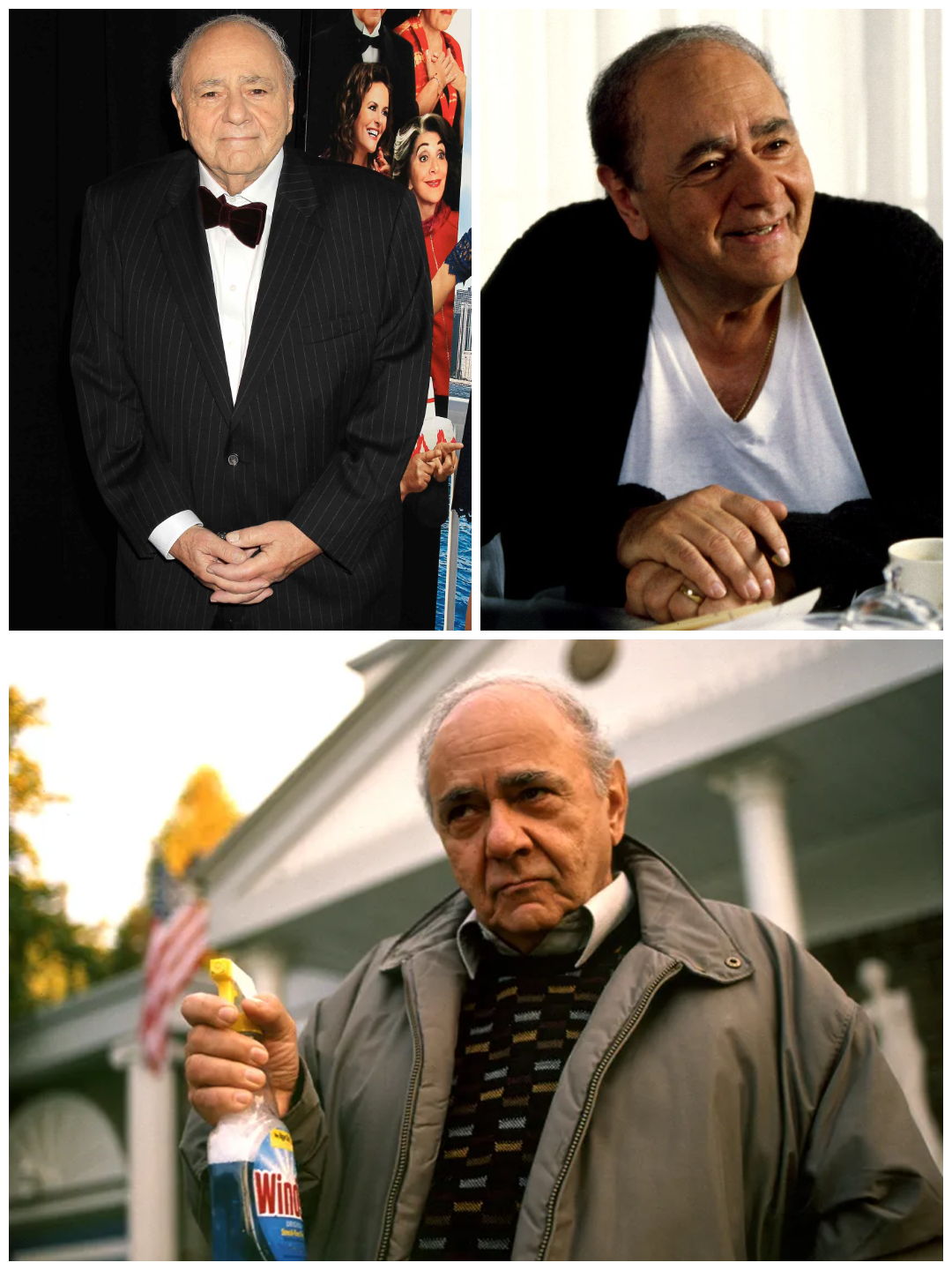
For millions of viewers, Michael Constantine simply was Gus Portokalos.
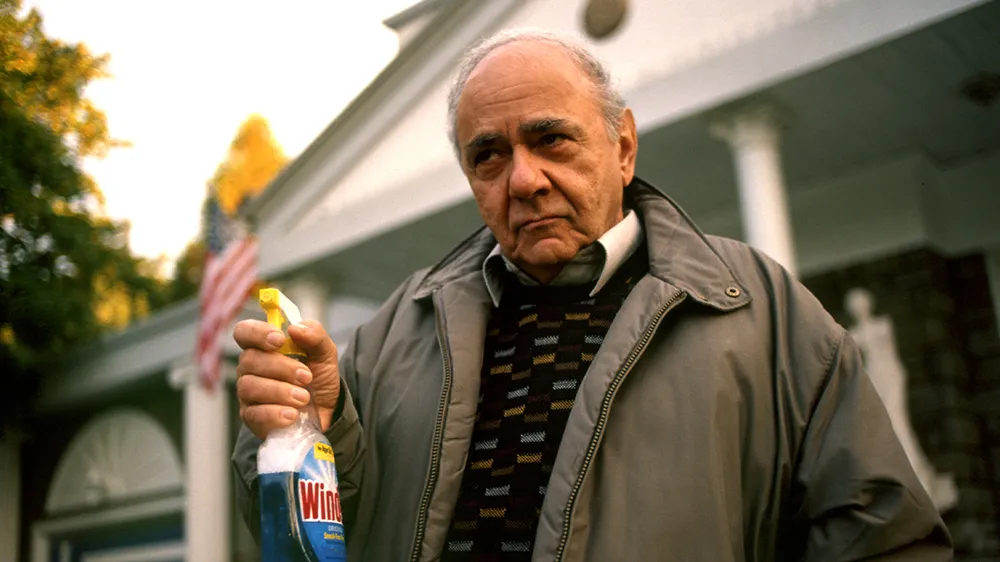
The stubborn, proud, endlessly quotable father in My Big Fat Greek Wedding became one of the movie’s most recognizable characters. He believed almost every word came from Greek. He carried Windex like a universal cure. And beneath all the bluster, he was a father struggling to accept that his daughter’s life might look very different from the one he had imagined for her.
It is difficult to picture anyone else playing him.
But Constantine’s path to the role was anything but simple.
Before he joined the movie, he was wary of the screenplay.
Then he read it.
Then he auditioned.
Not once.
Not twice.
Three times.
After all that, the filmmakers finally offered him the part.
And Constantine said no.
As Aug. 31 marks five years since the actor’s death in 2021, the strange story behind his most beloved role reveals just how close My Big Fat Greek Wedding came to losing the man who would become the Portokalos family patriarch.
Constantine Had a Reason to Be Suspicious
By the time My Big Fat Greek Wedding came along, Constantine was already a veteran actor.
He had spent decades working in television and film and had seen enough Hollywood depictions of ethnic families to know how easily they could slide into stereotypes.
That made him cautious when he first encountered the script.
The story centered on a large Greek American family, which immediately raised a concern for Constantine.
Would the characters be treated like real people?
Or would they simply be exaggerated for easy laughs?
Constantine reportedly feared that Hollywood might turn the Greek family into caricatures.
That concern mattered because Gus could easily have been played that way.
He was loud.
He was traditional.
He was obsessed with Greek history.
He could be overbearing.
In the wrong hands, he might have become little more than a collection of jokes.
But then Constantine read Nia Vardalos’ script.
And his attitude changed.
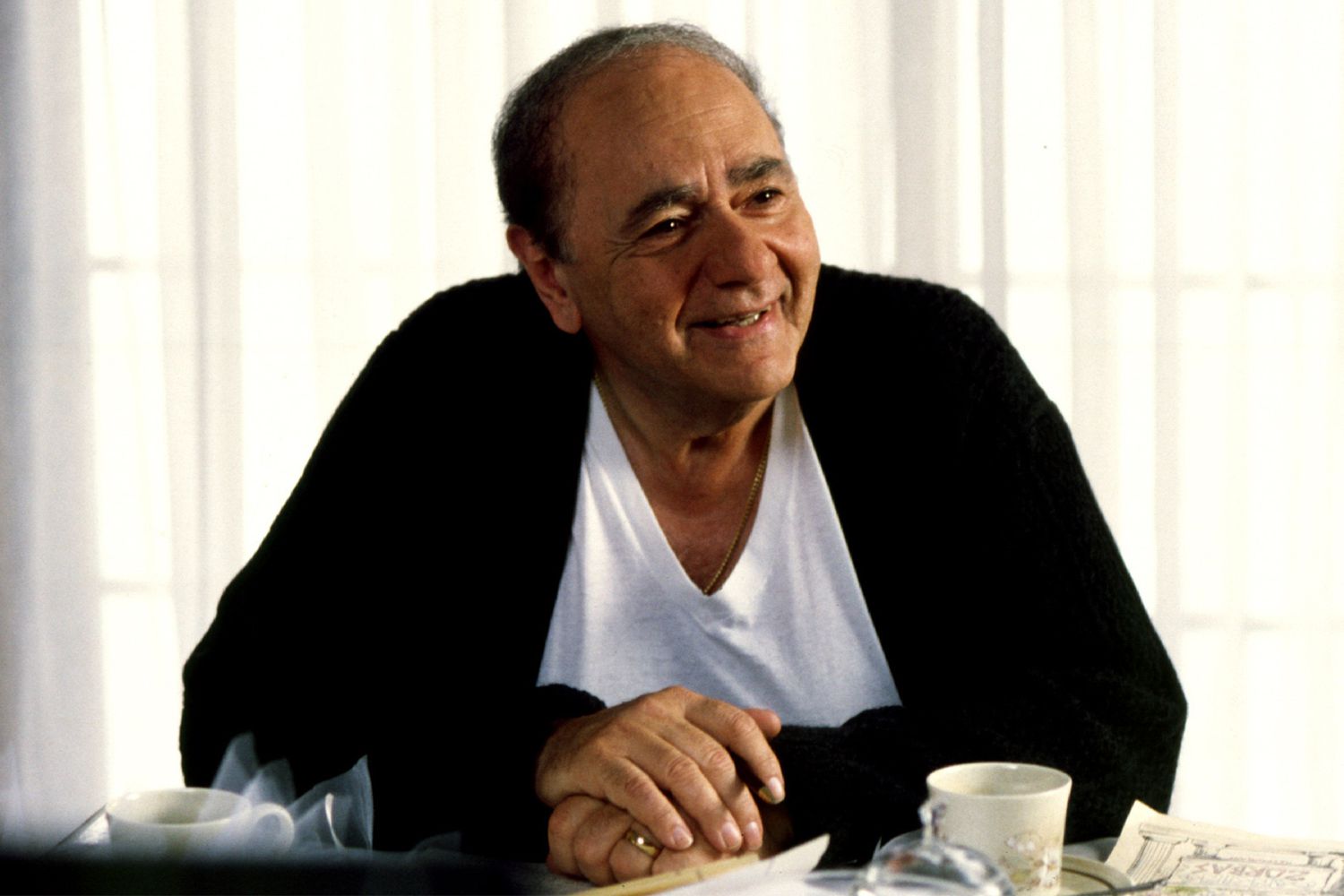
The Script Felt Different
Vardalos had not written the Portokalos family from the outside.
She understood the world she was describing.
The humor came from familiarity rather than mockery.
The family could be ridiculous, but they were also loving.
Gus could frustrate Toula, but he was not presented as a villain.
His pride, his stubbornness and his old-fashioned expectations all came from a recognizable place.
Constantine saw that.
The script convinced him that the movie understood its Greek characters instead of simply using them.
So he decided to audition for Gus.
That might sound straightforward.
It was not.
He had to keep coming back.
He Auditioned Three Times
Constantine did not simply walk into the room, read a few lines and receive the role.
He auditioned three times.
For an established actor, that process could have been frustrating.
But the part clearly mattered enough for him to continue.
Each audition moved him closer to playing the man who would eventually become synonymous with the film.
And after three rounds, the filmmakers finally made their decision.
They wanted Michael Constantine.
The obvious next step would have been for him to accept.
Instead, he rejected the offer.
That is the part of the story that sounds almost impossible in hindsight.
Why spend the time going through three auditions, overcome your initial doubts about the script and fight your way to the role — only to walk away once it was yours?
The answer had nothing to do with Gus.
It had everything to do with how the deal was presented.
Constantine Did Not Like the Ultimatum
According to Constantine’s later account, the problem came when the salary offer was made.
The casting side presented the number in a way that felt essentially like a take-it-or-leave-it proposition.
Constantine did not appreciate that.
He was not objecting to the character.
He was not suddenly worried about the screenplay.
He did not decide the movie was beneath him.
He objected to the manner of the negotiation.
After three auditions, he apparently expected an actual conversation.
Instead, the offer felt final.
So Constantine did something that could easily have ended the entire relationship.
He turned Gus down.
For a small production, that could have been the end of it.
The filmmakers could have moved on to another actor.
Constantine could have become one of those fascinating Hollywood “almost cast” stories.
But the producers were not ready to let him go.
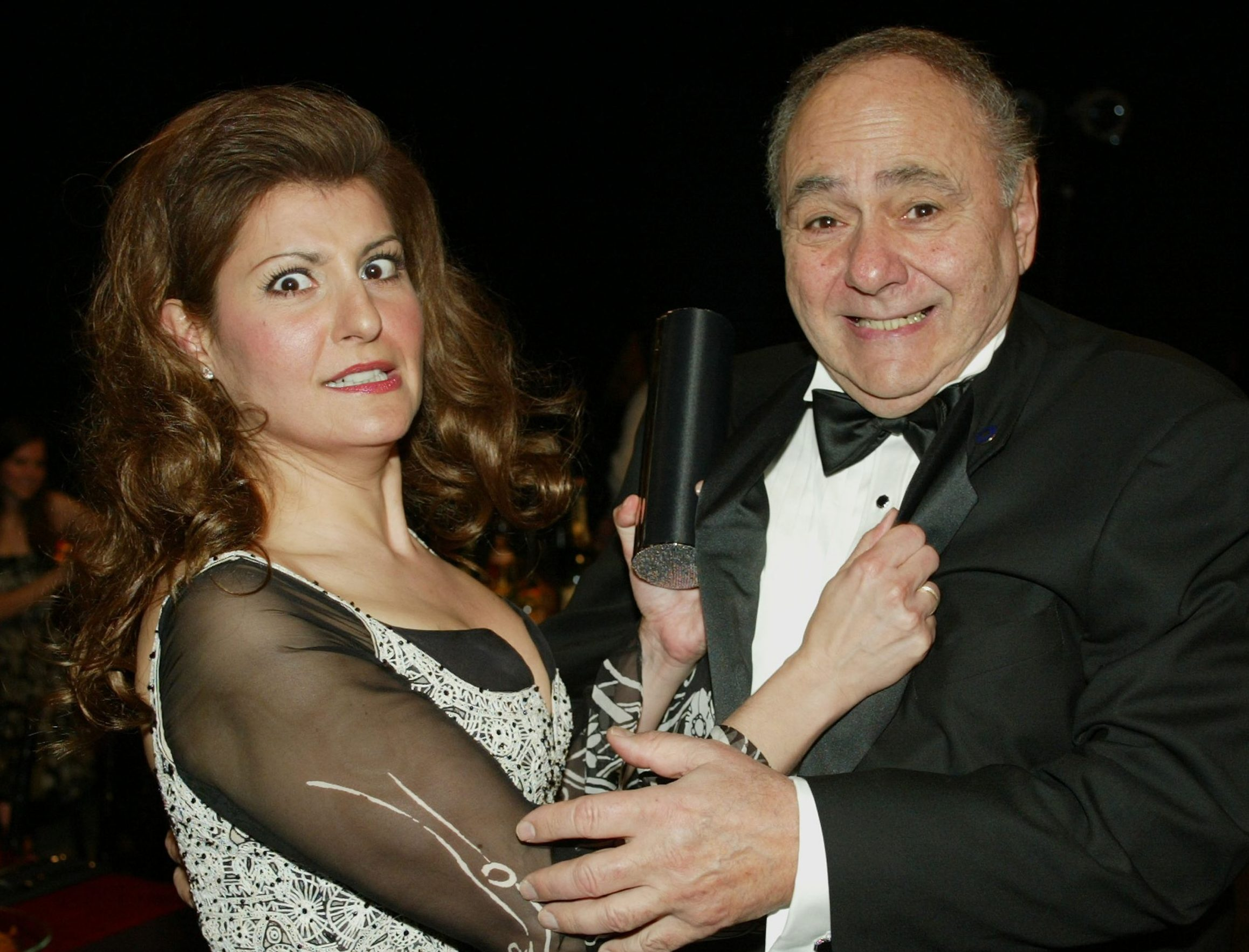
The Producers Came Back
Eventually, the production returned to Constantine.
This time, the discussion was different.
There was real negotiation.
Both sides talked.
The situation that had initially pushed Constantine away was resolved.
And roughly a week later, he accepted the role.
That single week ended up mattering enormously.
Constantine joined the cast.
Gus Portokalos had found his actor.
And one of the most memorable fathers in modern romantic-comedy history was born.
Gus Could Have Been a Cartoon
Part of what made Constantine so effective was that he never seemed to treat Gus as a joke.
The movie certainly gave him comedic material.
His Windex obsession became one of the film’s signature running gags.
He was convinced that almost any word could be traced back to the Greek language.
He seemed horrified by the idea that Toula might marry someone who was not Greek.
But Constantine also gave the character dignity.
Gus was not simply a controlling father standing in the way of his daughter’s happiness.
He was a man whose identity was deeply connected to family, culture and tradition.
Toula’s choices forced him to confront the fact that loving his daughter meant allowing her to build a life he had not planned.
That emotional layer is especially important near the end of the film.
Gus does not transform into a completely different person.
He remains Gus.
But he bends.
He accepts Ian.
He makes room for the marriage.
And the family finds a way to expand without losing itself.
Constantine understood that balance.
The very thing that had worried him before reading the screenplay — the danger of turning Greeks into caricatures — was exactly what his performance helped prevent.
The Movie Became Far Bigger Than Expected
My Big Fat Greek Wedding was released in 2002 and became one of Hollywood’s most extraordinary sleeper successes.
It did not arrive as a giant studio blockbuster.
There were no superheroes.
No enormous action sequences.
No massive visual effects campaign.
Instead, audiences connected with a story about family pressure, cultural identity, romance and the chaos that happens when two very different families are forced into the same room.
The film’s popularity grew through word of mouth.
And Gus became one of its most beloved characters.
Constantine later returned to the role in the franchise, cementing the connection between actor and character even further.
For many fans, seeing the Portokalos family without Gus eventually became difficult to imagine.
That makes his initial rejection of the role even more striking.
The movie’s most familiar father nearly disappeared because of a badly handled salary conversation.
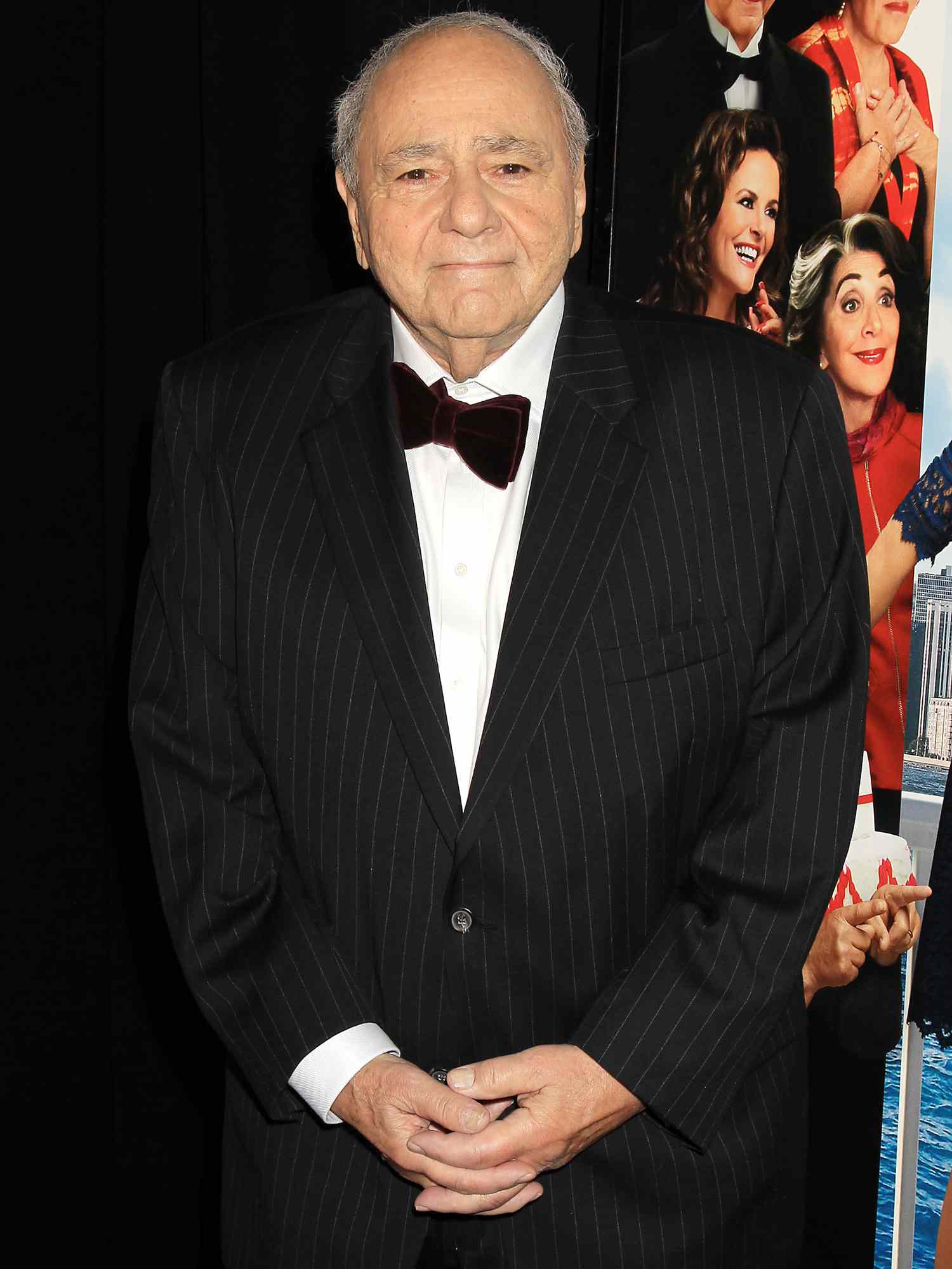
Five Years After Michael Constantine’s Death
Michael Constantine died on Aug. 31, 2021, at age 94.
Today marks five years since his death.
His career stretched far beyond My Big Fat Greek Wedding, but Gus Portokalos became one of the roles most strongly associated with his later years.
There is something fitting about the story of how he got there.
Constantine began skeptical.
He worried the movie would reduce Greek Americans to stereotypes.
Then he discovered that Nia Vardalos had written something more affectionate and more truthful than he expected.
He committed enough to audition three separate times.
He won the role.
Then he was willing to lose it rather than accept a deal presented in a way he disliked.
Only after the producers returned and treated the salary discussion as a genuine negotiation did Constantine agree.
A week later, Gus Portokalos was his.
Two decades later, audiences were still quoting him.
Sometimes an iconic casting choice feels inevitable only after the movie becomes famous.
Before that, it can depend on something as small as one conversation going differently.