Presley Gerber Was in a Rehab Facility When He Died at 27 as Details of His Final Months Emerge

New details surrounding the death of Presley Gerber are providing a clearer picture of the difficult period the 27-year-old had been navigating before his passing.
Gerber, the eldest child of Cindy Crawford and businessman Rande Gerber, died on Sunday, September 20, while at a rehabilitation facility, according to records from the Los Angeles County Medical Examiner.
The circumstances surrounding his death remain under investigation. Officials have not released a cause of death, and an autopsy had not yet been completed as of the latest information available.
His family, including younger sister Kaia Gerber, has asked for privacy as they deal with the sudden loss.
For those who had followed Presley in recent years, the location of his death adds a heartbreaking new dimension to a story he had increasingly chosen to discuss publicly: his long effort to confront mental health challenges, addiction and recovery.
Medical Examiner Confirms Location of Death
Official records list Presley’s death as September 20, 2026, at age 27.
The medical examiner identified the location as a rehabilitation facility but initially provided few additional details about what happened in the hours before his death.
There has been no official determination connecting his death to any particular substance, medical condition or treatment.
That distinction is important as speculation spreads online following news of his passing. Until toxicology examinations and other medical testing are completed, the precise cause and manner of his death remain unknown.
A representative for Cindy Crawford, Rande Gerber and Kaia Gerber said the family was experiencing an extremely painful time and requested privacy.
Presley’s death comes after years in which he had gradually become more open about experiences that were once largely kept out of public view.
He Had Been Speaking Openly About Recovery
Although Presley first became widely known through modeling, his public identity changed considerably during the final years of his life.
Instead of focusing only on fashion campaigns or celebrity appearances, he began discussing depression, panic attacks, substance use and the difficult process of recovery.
He said during a podcast appearance that his goal in speaking publicly was not necessarily to reach millions of people.
If sharing his experiences could help even one person escape the kind of place he had once found himself in, he explained, that would be meaningful enough.
That philosophy became particularly visible through a social media project he called “Mental Health Mondays.”
The videos were designed to create conversations around experiences people frequently hide from friends, families and the public.
Presley spoke about recovery communities and the importance of recognizing shared experiences rather than assuming people struggling with mental health or addiction were fundamentally different from everyone else.
His willingness to discuss those subjects stood in contrast to the carefully controlled public image often associated with celebrity families.
Presley Described Concerns About His Medications
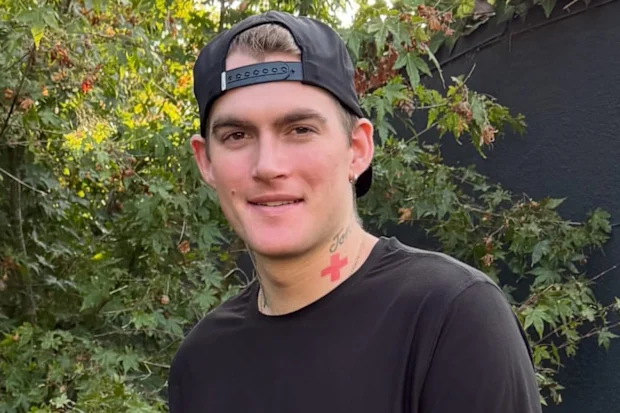
In late 2025, Presley also discussed the complicated medication regimen he said he had been prescribed while dealing with panic attacks and other mental health concerns.
Among the medications he publicly mentioned were buprenorphine, Xanax and Valium.
His comments reflected anxiety not simply about his symptoms, but also about managing powerful prescription medications and understanding how they affected him.
He described wanting more structure and clearer guidance from medical professionals rather than having to make complicated decisions himself about when certain medications should be taken.
Those comments now carry added emotional weight following his death, although authorities have not indicated that any medication played a role in what happened.
Presley’s openness appeared to be part of a larger effort to document recovery without presenting it as a simple or linear process.
One of His Final Posts Documented Another Attempt at Treatment
Earlier this year, Presley shared an especially personal account of undergoing ibogaine treatment as part of his continuing effort to address addiction.
Ibogaine is a psychoactive substance that has been explored in some settings as a treatment for substance dependence, although it is not legally approved for medical use in the United States.
In his March post, Presley described entering the experience with a combination of fear and hope.
Rather than portraying treatment as an easy breakthrough, he presented it as another attempt to confront problems he had spent years trying to overcome.
He expressed hope that it might represent a lasting turning point.
The post received supportive reactions from family members, including his mother and sister.
Months later, it would become one of the final extended public glimpses into his recovery journey before his death.
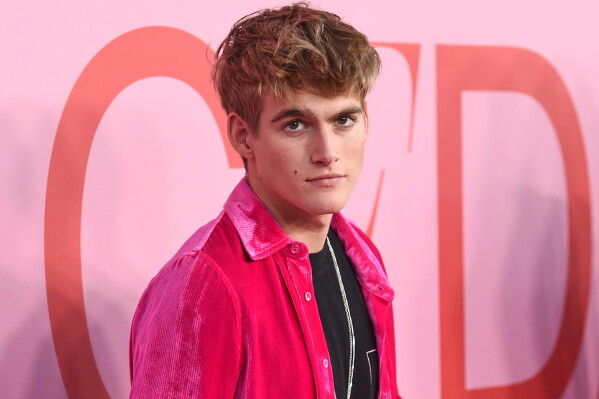
Kaia Gerber Recently Spoke About Her Brother’s Struggles
Only weeks before Presley died, Kaia Gerber publicly discussed how her brother’s struggles had affected their entire family.
She described addiction as something that changed family dynamics rather than affecting only the individual experiencing it.
Kaia said Presley’s challenges contributed to her seeing herself as the child who should require less attention or help from their parents.
She also spoke positively about her brother’s willingness to become more transparent.
For much of their childhood, the Gerber family maintained a relatively private approach toward personal struggles despite living in the public eye.
Presley eventually chose another path.
Kaia characterized his openness as a willingness to be deeply human in public, even when the subjects involved were uncomfortable or painful.
She suggested that hiding difficult realities can sometimes create additional shame for the person already struggling.
Her comments now stand as one of the most personal accounts of what Presley’s experience meant to those closest to him.
A Career That Began in Fashion
Long before those conversations about recovery became central to his public life, Presley appeared positioned to follow one of the most recognizable paths in his family.
Born in California in 1999, he entered modeling as a teenager.
He signed with a major modeling agency at approximately 15 and later walked in fashion shows and appeared in campaigns for internationally recognized brands.
He worked with companies including Calvin Klein and Dolce & Gabbana and appeared alongside his younger sister as both siblings established careers in fashion.
One particularly memorable moment came in 2018 when Presley appeared alongside Cindy Crawford in a Super Bowl commercial connected to her famous Pepsi advertisement from the early 1990s.
At the time, Crawford spoke publicly about the unusual experience of sharing a professional set with her son and watching him work independently.
Presley’s relationship with fashion, however, eventually became only one part of a much more complicated public story.
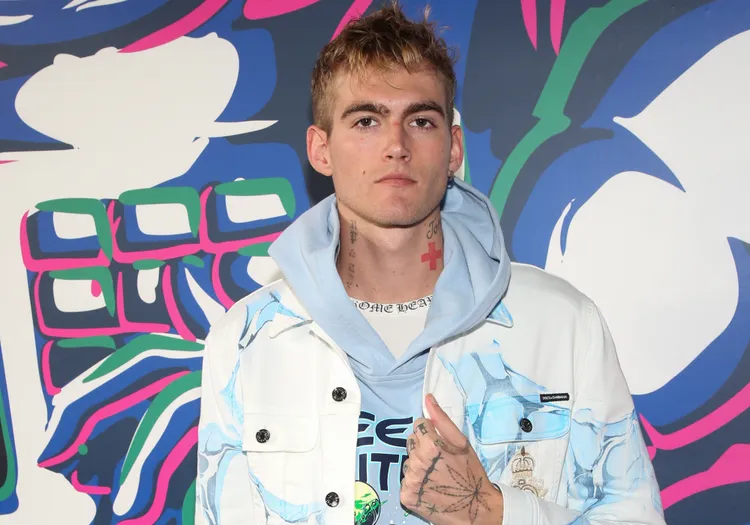
His Family Remained Close During His Final Year
Despite the difficulties Presley had discussed, recent photographs showed him continuing to spend time publicly with members of his family.
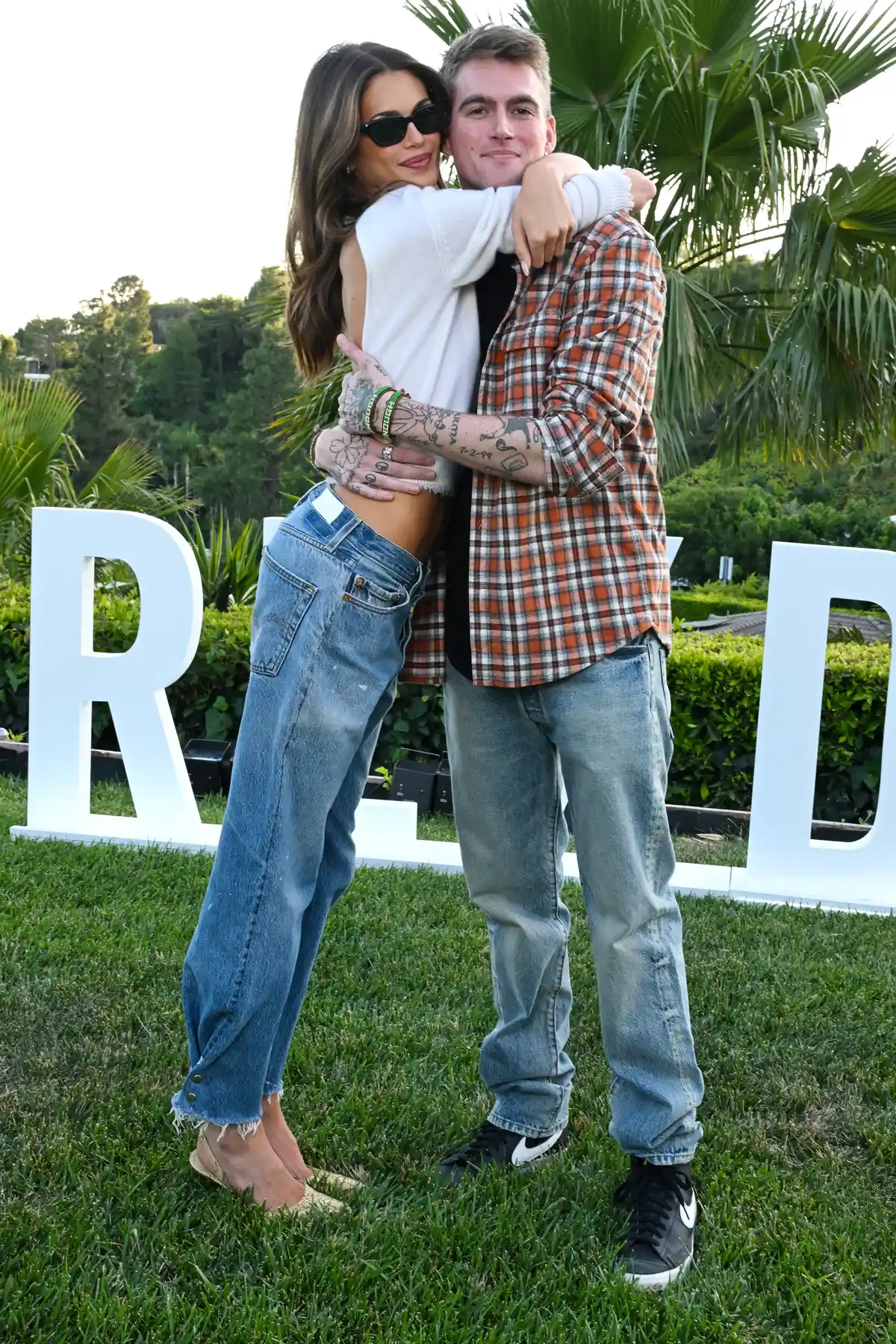
In May, he attended an event in Los Angeles with Cindy, Rande and Kaia.
He was photographed with his sister during the event, one of their final widely seen appearances together.
Presley was also photographed with his parents at an event in Malibu in June.
Those moments now form part of the public record of his final months — a period in which he appeared to remain surrounded by his family while continuing to seek help for problems he had openly acknowledged.
Many Questions Remain
Presley’s death has inevitably produced questions, particularly because it occurred while he was at a rehabilitation facility.
But significant details remain unknown.
Authorities have not announced a cause of death. There is no completed autopsy result publicly available, and no official findings have established what medical factors contributed to his passing.
Until those findings are released, conclusions about precisely what happened would be premature.
What is already clear is that Presley spent the later part of his life trying to turn deeply personal struggles into conversations that might help other people.
He did not portray recovery as neat, private or easy.
Instead, he increasingly showed the uncertainty, setbacks and fear that could accompany it.
At 27, that journey has ended far earlier than his family or those following it expected.
For now, the Gerber family is asking for space to grieve while medical investigators work to answer the central question that remains unresolved: what caused Presley Gerber’s death?