Rio Vanished in Oklahoma. A Microchip Found His Family Nearly 1,000 Miles Away
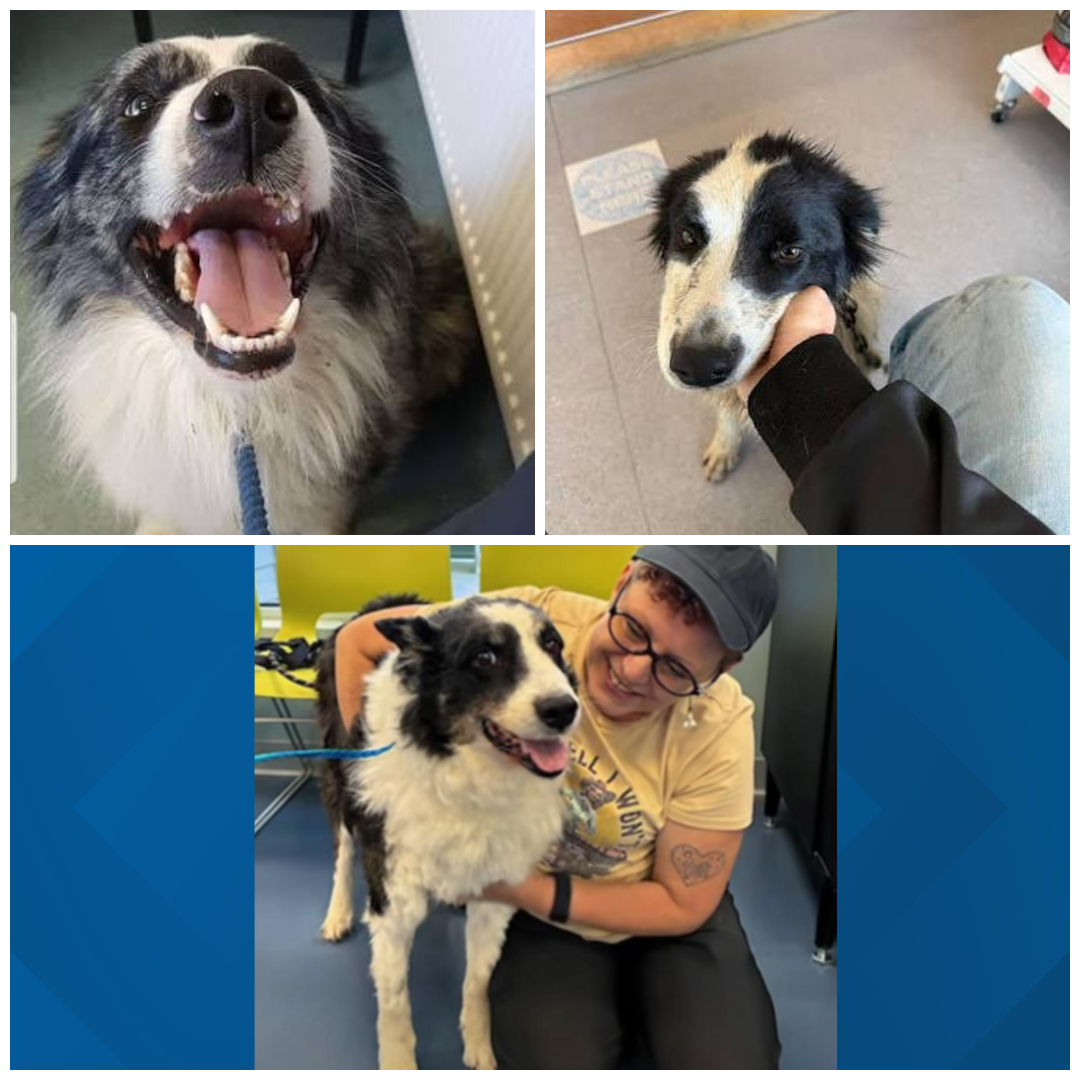
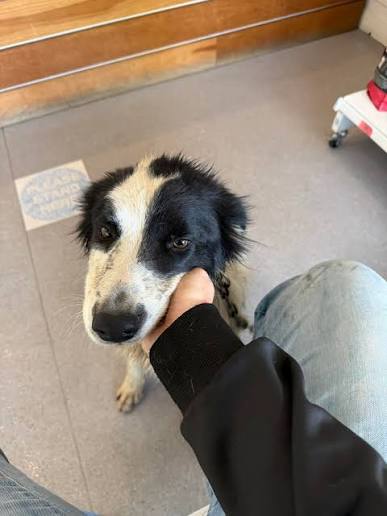
When workers at a North Carolina animal shelter scanned the stray Border Collie who had come into their care, they weren’t expecting the answer to point halfway across the country.
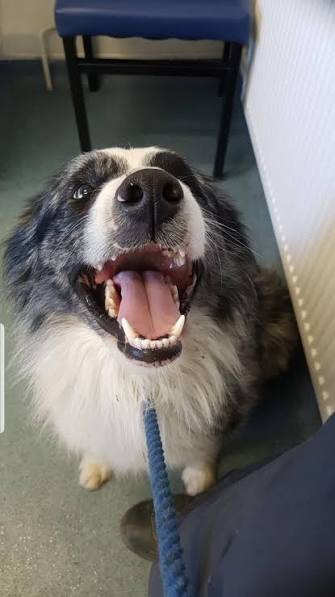
The dog was 10 years old. His name was Rio.
And according to the microchip under his skin, the person looking for him wasn’t in Greensboro at all. She was in Oklahoma, nearly 1,000 miles away.
That discovery gave Guilford County Animal Services one answer almost at once.
It also left them with a much bigger question.
Rio had disappeared from Oklahoma at the end of July, according to his owner, Melissa. By the time he arrived as a stray at Guilford County Animal Services in Greensboro in August, no one knew how he had crossed such a huge distance.
The Scan That Changed Everything
At first, Rio was simply another stray who had reached the shelter.
Staff did what shelters routinely do when an animal comes in: They checked him for a microchip. That small step quickly turned an unidentified dog into a pet with a name, a home and someone who had been searching for him.
The chip led them to Melissa in Oklahoma.
She told the shelter that Rio had been missing since late July and that she had been checking everywhere for him. Guilford County Animal Services later described the Border Collie as an “elaborate escape artist,” one who had a habit of getting out.
This escape was different.
Somehow, Rio had ended up in Greensboro.
The distance between Oklahoma and North Carolina pushed the story far beyond an ordinary lost-dog call. Shelter workers could identify where Rio belonged, but the miles in between remained blank.
As first reported by KENS 5, even Guilford County Animal Services could only offer a possible explanation for how he got so far from home.
Someone may have picked Rio up somewhere along the way, the shelter said, and kept him without checking for a microchip. He could then have gotten loose again before eventually being found in Greensboro.
There was no way to know for sure.
Nearly 1,000 Miles With No Clear Story
That missing piece is what makes Rio’s return so unusual.
He couldn’t tell anyone where he had been, who might have helped him or how many stops came between Oklahoma and North Carolina. By the time shelter workers met him, all they had was the place where he was found and the information stored in his chip.
Melissa had the other end of the story.
She knew when Rio had disappeared. She knew she had been searching. What she didn’t know was that, while she looked for him in Oklahoma, her dog would eventually surface nearly 1,000 miles away.
The shelter acknowledged that the full route may never be known.
What they did know was enough to act.
Rio had an owner.
And Melissa wasn’t leaving him in North Carolina.
Melissa Took the First Flight She Could
Once the shelter reached her, Melissa moved fast.
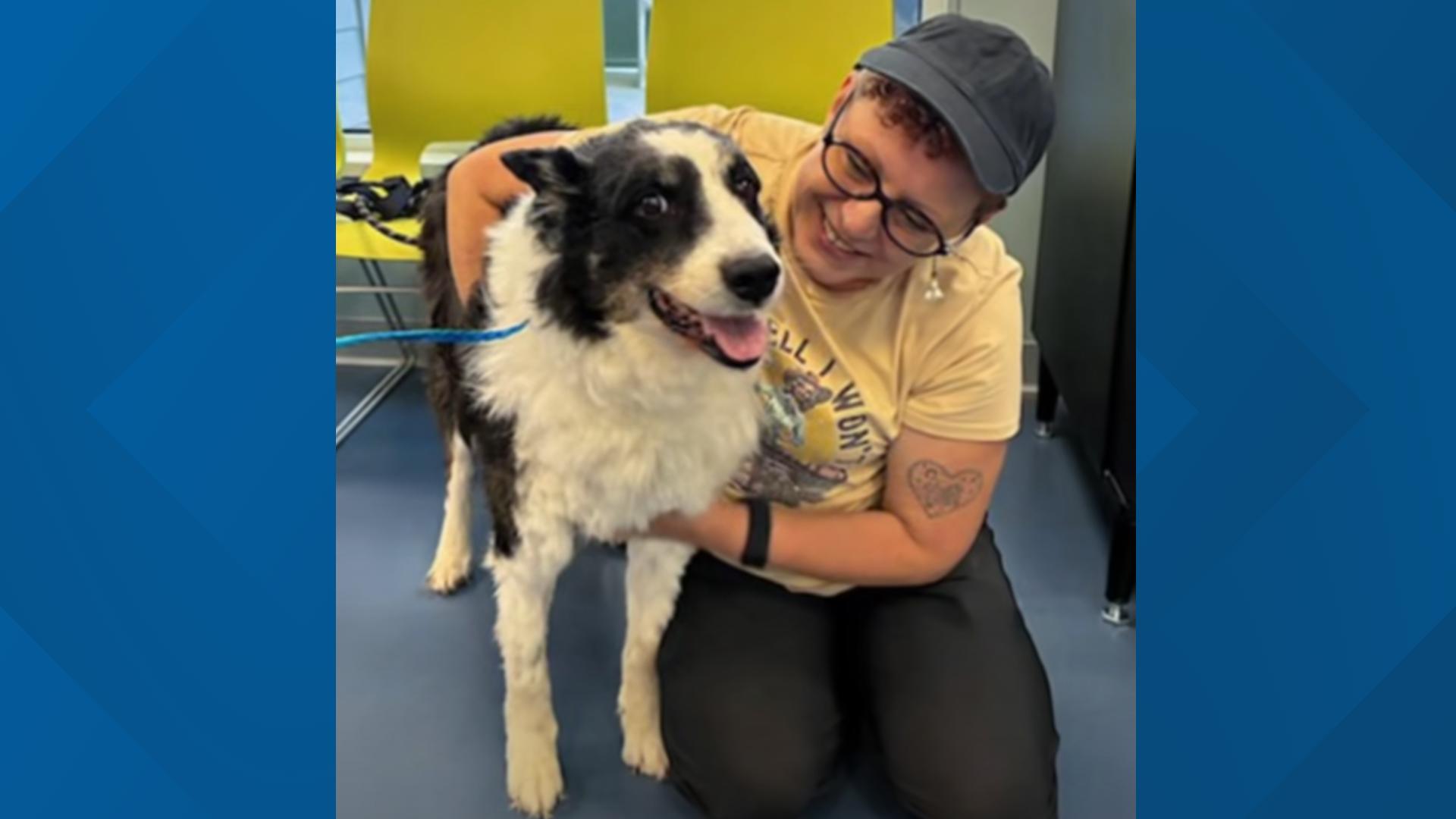
Guilford County Animal Services said she booked the first flight she could get and traveled to Greensboro to bring Rio home.
After roughly two weeks of searching for him, she was reunited with the dog she had lost in Oklahoma.
The microchip had done what the miles could not undo.
Without it, Rio would have arrived at the shelter as a 10-year-old Border Collie with no clear link to the family that was looking for him. Instead, a scan connected a stray dog in North Carolina to a woman nearly 1,000 miles away.
The shelter used Rio’s case to point to the value of microchipping pets, especially when an animal turns up far outside the area where anyone would think to search.
Rio’s story made that point in an unusually literal way.
Melissa had been looking in one state.
Rio was waiting in another.
Back Home, Another Dog Was Waiting
The reunion didn’t end in Greensboro.
After Melissa made the trip to North Carolina, Rio went back home with her to Oklahoma, according to Guilford County Animal Services.
There was someone else there, too.
The family has a 9-month-old dog, meaning the 10-year-old Border Collie returned not only to Melissa but to a younger canine companion waiting at home.
How Rio covered nearly 1,000 miles remains unanswered. The shelter’s idea that someone may have carried him part of the way is only a possibility, and there is no confirmed account of the route he took.
That part of the story stayed with Rio.
The part stored on his microchip was much simpler: his identity, the person connected to him and the information shelter workers needed to make a phone call.
By the time the search was over, Melissa had flown to Greensboro, found her missing dog and taken him back to Oklahoma.
Rio was home again, with his family and their 9-month-old dog.