The Haunting Song Dolly Parton Chose for Her Own Funeral Reveals a Deeply Personal Side of the Country Legend
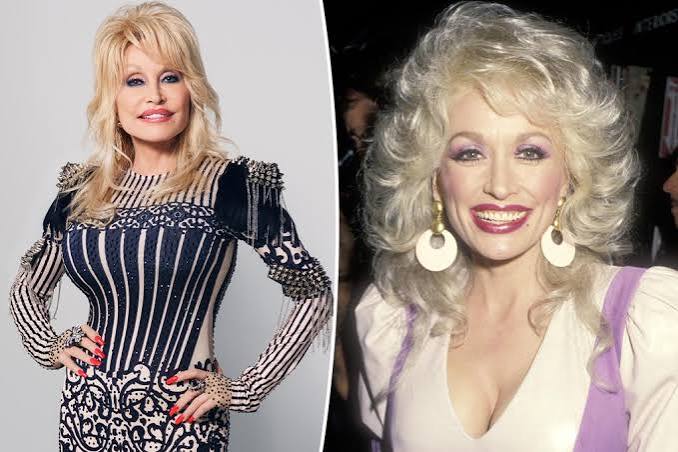
Dolly Parton had already chosen the song she wanted played at her funeral — and the reason behind that decision makes her final farewell all the more heartbreaking.
The country music icon, who died Aug. 25 at age 80, had spent decades filling stadiums with some of the most recognizable songs in American music.
Yet when it came to her own funeral, Parton did not choose one of her biggest hits.
Instead, she selected an old gospel hymn with a deeply personal connection to her family: “If We Never Meet Again (This Side of Heaven).”
The choice was revealed years before her death and now carries an especially poignant meaning following her private funeral in Nashville on Aug. 28. Parton was laid to rest beside her husband, Carl Dean, in a ceremony attended by close family.
The song was not simply another piece of music from Parton’s childhood.
It was her father’s favorite.
And it was also performed at her father’s funeral.
That connection appears to have made the gospel standard especially meaningful to Parton, who never shied away from talking about the powerful influence her family and Appalachian upbringing had on her music.
Why this song mattered so much
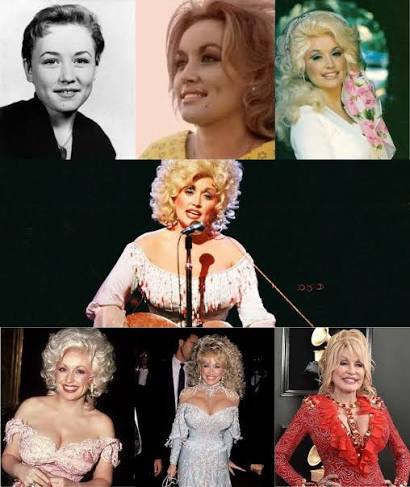
“If We Never Meet Again” was written by gospel songwriter Albert E. Brumley, whose compositions became deeply embedded in American gospel music.
The song centers on the hope of meeting loved ones again beyond this life — a message that would have carried particular emotional weight for Parton.
In a 2014 interview, Parton discussed the song when talking about the music she wanted associated with her own funeral.
Rather than selecting a flashy farewell built around her superstar status, she pointed toward a hymn rooted in faith, family and the promise of reunion.
It was an unusually intimate glimpse into the woman behind the rhinestones and enormous stage persona.
And it wasn’t the only song she had considered for her final goodbye.
Parton had previously acknowledged that her signature hit “I Will Always Love You” would likely be played at her funeral as well.
But the gospel hymn was the one that carried the deeper personal connection.
A song that crossed America’s deepest divides
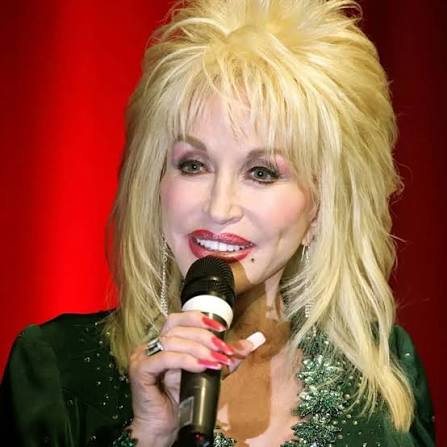
The choice also reflects something much larger about Parton’s career.
“If We Never Meet Again” came from a gospel tradition that crossed racial, regional and cultural boundaries.
Brumley, a white Oklahoma-born songwriter, wrote numerous gospel classics that were performed by both white and Black gospel groups.
Songs from this tradition became part of the shared musical language of the American South and beyond.
That same ability to cross cultural lines became a defining characteristic of Parton’s career.
She could sing country, gospel and pop and find audiences across generations and backgrounds.
Her music reached far beyond the Appalachian roots where her career began.
Dolly’s unexpected connection to Whitney Houston
Perhaps the most famous example of Parton’s ability to transcend musical boundaries is “I Will Always Love You.”
Parton wrote the song in the 1970s, but Whitney Houston’s blockbuster 1992 version transformed it into a worldwide phenomenon.
The two women developed an affectionate relationship around the song, with Parton repeatedly praising Houston’s extraordinary rendition.
When Houston died in 2012, Parton spoke publicly about the devastating loss.
The song had come full circle — from Parton’s country hit to Houston’s pop masterpiece and eventually to a powerful part of Houston’s own funeral.
Parton later reflected on the emotional experience of hearing her song during Houston’s funeral, underscoring just how complicated the connection between the two singers had become.
Her final goodbye was exactly what she wanted
Parton’s private funeral was consistent with the wishes she had expressed during her lifetime.
Rather than a massive public spectacle befitting one of the world’s most famous entertainers, her family held an intimate service in Nashville.
She was buried beside Dean, her husband of nearly six decades, who died in March 2025.
The choice of “If We Never Meet Again” now seems almost like a final message from Parton herself.
It wasn’t about fame.
It wasn’t about chart records.
And it wasn’t about the millions of fans who knew her as the rhinestone-covered Queen of Country.
It was about family — and the belief that saying goodbye might not mean forever.
For a woman whose music spent a lifetime bringing people together, the song she chose for the end may have been her most personal performance of all.
Source: NYpost