Three Deaf Actresses Who Made Hollywood Listen: Kaylee Hottle, Millicent Simmonds and Lauren Ridloff
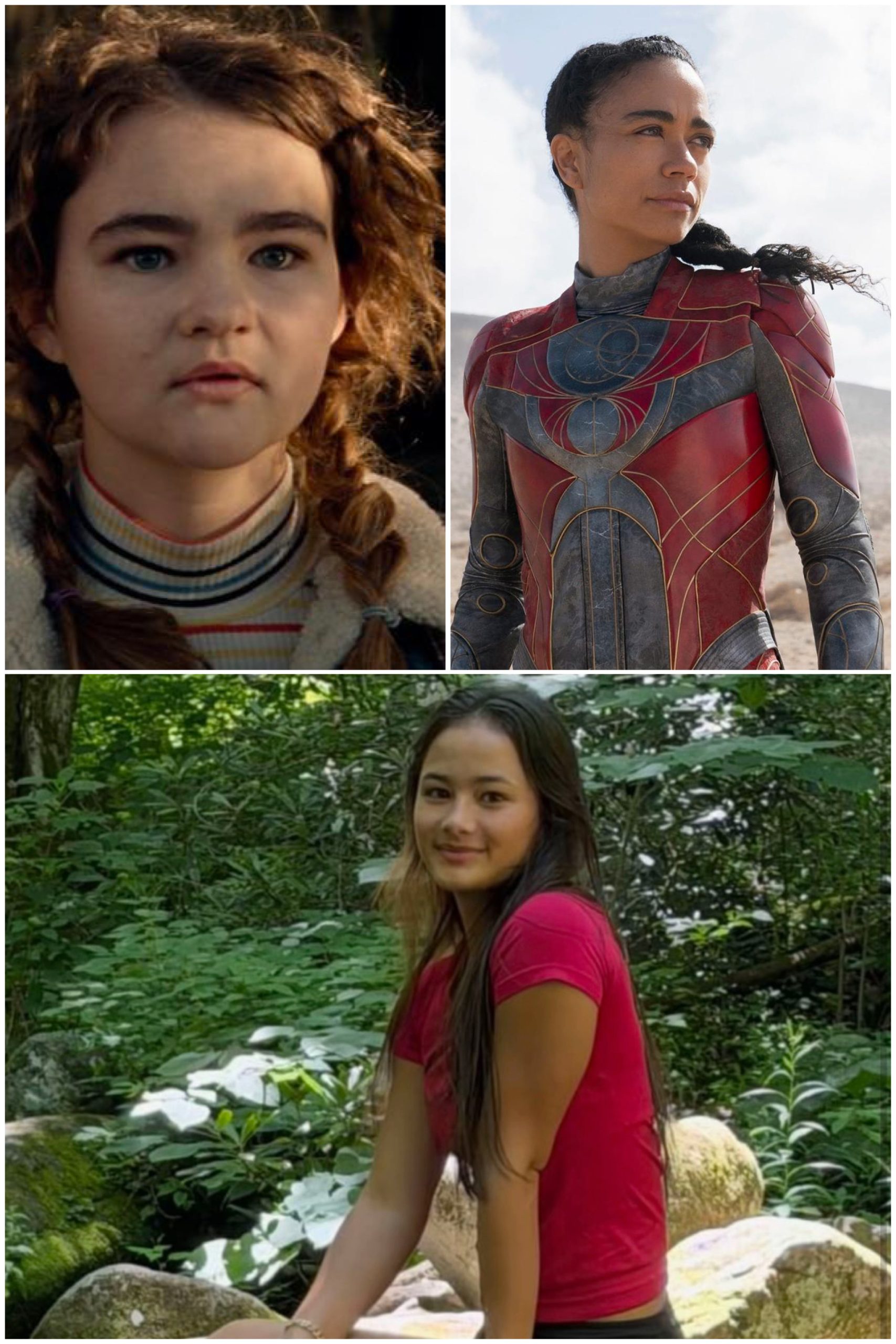
Hollywood has created countless heroes.
Some fight monsters.
Some battle villains.
Some save entire worlds.
But three young women proved that a hero does not need to hear the world to make the world listen.
Kaylee Hottle, Millicent Simmonds and Lauren Ridloff came from different backgrounds and stepped into completely different stories.
Yet they shared something powerful.
All three are Deaf actresses who brought their own experiences, language and identity to some of Hollywood’s biggest productions.
And together, they helped change what representation could look like on screen.
Kaylee Hottle: The Girl Who Connected With Kong
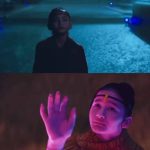
For millions of viewers, Kaylee Hottle became Jia in Godzilla vs. Kong.

Jia was a young Deaf girl who formed an extraordinary connection with Kong.
In a movie filled with explosions, enormous creatures and destruction, some of the most emotional moments were remarkably quiet.
Kaylee communicated through American Sign Language, facial expressions and body language.
She didn’t need long speeches.
She didn’t need to become someone else.
Her silence became part of her strength.
Kaylee was born into a multigenerational Deaf family, so ASL was not something she learned simply for a Hollywood role.
It was part of her life.
That authenticity made Jia feel different.
She wasn’t a character whose Deafness existed simply to make the audience feel sorry for her.
She was brave, compassionate and emotionally strong.
She understood Kong when other people couldn’t.
And through Jia, Kaylee gave millions of viewers a glimpse into a world they may never have experienced before.
For young Deaf viewers, seeing someone like Kaylee standing at the center of a massive Hollywood blockbuster meant something even bigger.
It meant:
I can be there too.
Millicent Simmonds: Turning Silence Into Strength
Before Kaylee stepped into the MonsterVerse, Millicent Simmonds had already made a powerful impression as Regan Abbott in A Quiet Place.
The role was almost perfectly suited to what Simmonds could bring to the screen.
In the world of A Quiet Place, sound can mean death.
Yet Regan is Deaf.
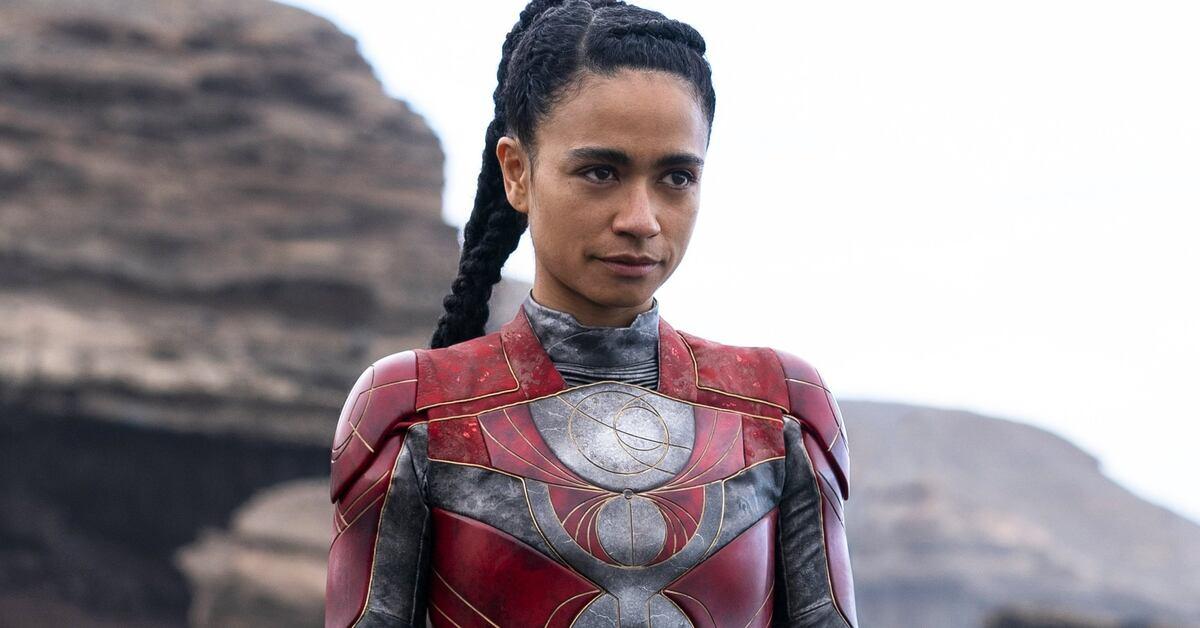
Instead of making her a helpless character, the story turns her experience into part of her strength.
Regan becomes brave, intelligent and essential to her family’s survival.
Simmonds brought that character to life with an authenticity that could not simply be learned from a script.
She understood Deaf culture.
She understood ASL.
And she understood what it meant to communicate in a world that often assumes everyone experiences it in the same way.
Her success also helped show Hollywood that Deaf actors did not have to remain on the sidelines.
They could be at the center of major movies.
They could carry emotional storylines.
They could be heroes.
And they could make audiences forget that they were watching a performance at all.
They were simply watching a person.
Lauren Ridloff: From Broadway to the Marvel Universe
Then came Lauren Ridloff.
Her journey took Deaf representation somewhere even larger.
She became Makkari in Marvel’s Eternals — a Deaf superhero in one of the world’s biggest cinematic universes.
Makkari doesn’t simply exist in the background.
She is powerful.
She is fast.
She is fearless.
And she communicates through American Sign Language.
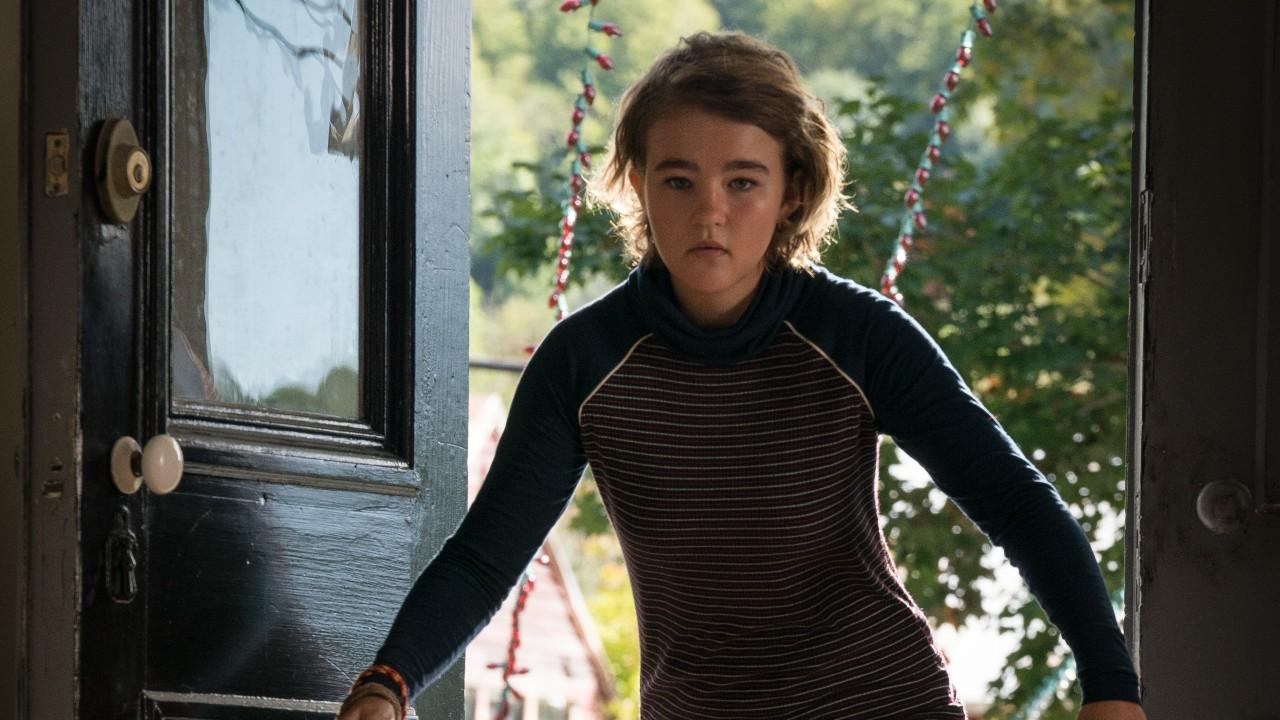
Seeing a Deaf superhero become part of the Marvel Cinematic Universe was significant because the character wasn’t defined by what she couldn’t hear.
She was defined by what she could do.
Ridloff’s presence helped challenge an old idea that disability automatically makes a character weaker.
Makkari proved the opposite.
Her difference was simply one part of who she was.
And her existence on screen told millions of viewers that superheroes can look different, communicate differently and still belong at the center of the story.
Three Women. Three Worlds. One Message.
Kaylee Hottle.
Millicent Simmonds.
Lauren Ridloff.
One entered the world of giant monsters.
One entered a terrifying world where sound could kill.
One entered the Marvel universe.
Their stories could not be more different.
But the message connecting them is remarkably simple:
Being Deaf never meant being invisible.
They did not ask Hollywood to hide their differences.
They brought those differences with them.
Their hands became part of the storytelling.
Their expressions became part of the dialogue.
Their experiences became part of their characters.
And audiences learned to listen differently.
Perhaps that is the most important thing they accomplished.
They didn’t simply give Deaf people representation.
They gave everyone else a chance to understand that communication does not always require sound.
Kaylee showed it through her connection with Kong.
Millicent showed it through Regan’s fight for survival.
Lauren showed it through a superhero who could outrun almost anyone in the Marvel universe.
Three women.
Three unforgettable characters.
Three reminders that the screen becomes bigger when more people are allowed to be seen.
And for the young Deaf child watching them today, the message may be even more powerful:
You don’t have to change who you are to belong.
You don’t have to become someone else to be extraordinary.
Sometimes, you simply need to see someone like you standing on the screen first.
Kaylee’s journey ended far too soon.
Millicent’s story continues.
Lauren’s story continues.
But the door they helped open is still there.
And somewhere, another young person is watching.
Maybe one day, they will walk through that door too.
Not because Hollywood finally decided to make room for them.
But because they learned that they belonged there all along.