Two Weeks After 9 to 5, Dolly Parton Put Jane Fonda on a Bus — What Happened Over the Next 10 Days Changed How Fonda Saw Appalachia
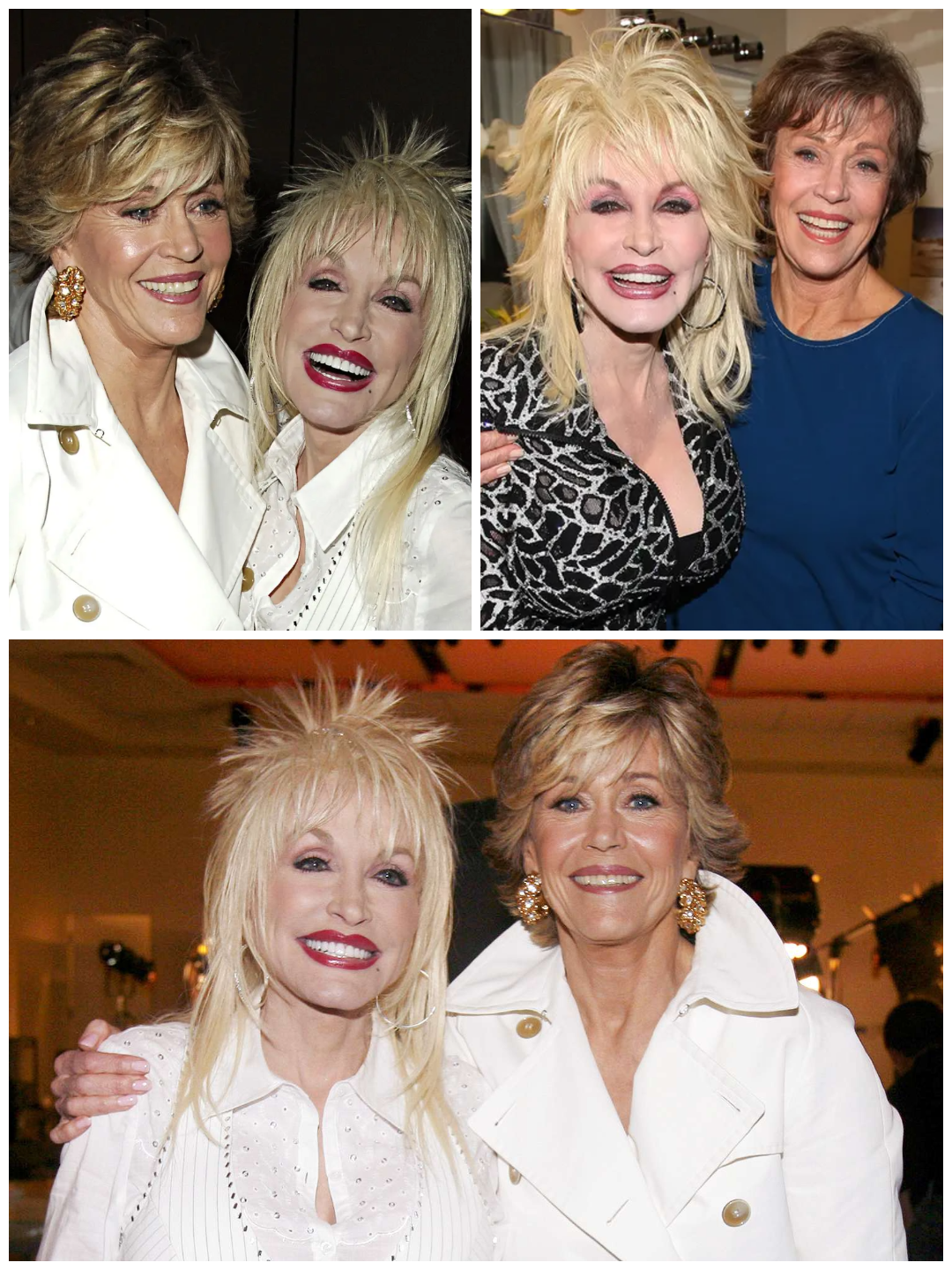
Jane Fonda had just finished making 9 to 5 with Dolly Parton when she faced an acting problem Hollywood research could not easily solve.
Fonda was preparing for The Dollmaker, a television adaptation of Harriette Arnow’s novel about Gertie Nevels, a poor Appalachian woman whose family leaves rural Kentucky for Detroit during World War II.
The character was far removed from Fonda’s own life.
Reading about Appalachia was not enough. Visiting a studio backlot would not be enough either.
Fonda wanted to meet people who actually lived in the mountain communities she was trying to understand.
So she turned to the one person in her life who knew that world from the inside.
Dolly Parton.
What happened next went far beyond a few introductions.
According to Fonda, only about two weeks after they completed 9 to 5, Parton organized a journey through parts of Tennessee, Kentucky, Missouri and Arkansas, put Fonda aboard her tour bus and spent roughly 10 days taking her into communities far removed from Hollywood.
For Fonda, the trip eventually became one of the most important parts of preparing for The Dollmaker.
For Parton, there was another reason it mattered.
She did not want Hollywood getting Appalachia wrong again.
Fonda Had Wanted to Make The Dollmaker for Years
Fonda’s interest in The Dollmaker began long before 9 to 5.
She read Arnow’s novel around 1971 and became fascinated by Gertie, a mountain woman Fonda later described as brave, vulnerable, spiritual and ordinary while somehow also being extraordinary.
The story follows Gertie and her children as they leave their rural life and join her husband in industrial Detroit during the 1940s.
For Fonda, the project was not merely another acting assignment.
She believed Gertie represented a kind of resilience rarely portrayed properly on screen.
But Fonda also understood the danger.
Hollywood had a long history of reducing Appalachian characters to caricatures — poor, uneducated mountain people used for comedy or treated as culturally backward.
Parton knew that history personally.
She had grown up in rural East Tennessee in a large family with very little money. The details Fonda was trying to research were not abstract to Dolly. They resembled parts of the world that had shaped her childhood.
When Fonda explained the project, Parton apparently became very serious about how those people would be portrayed.
In a 1983 interview, Fonda recalled Parton warning that too many films and television programs had stereotyped “my people.”
If Fonda was going to tell their story, Dolly wanted her to do it properly.
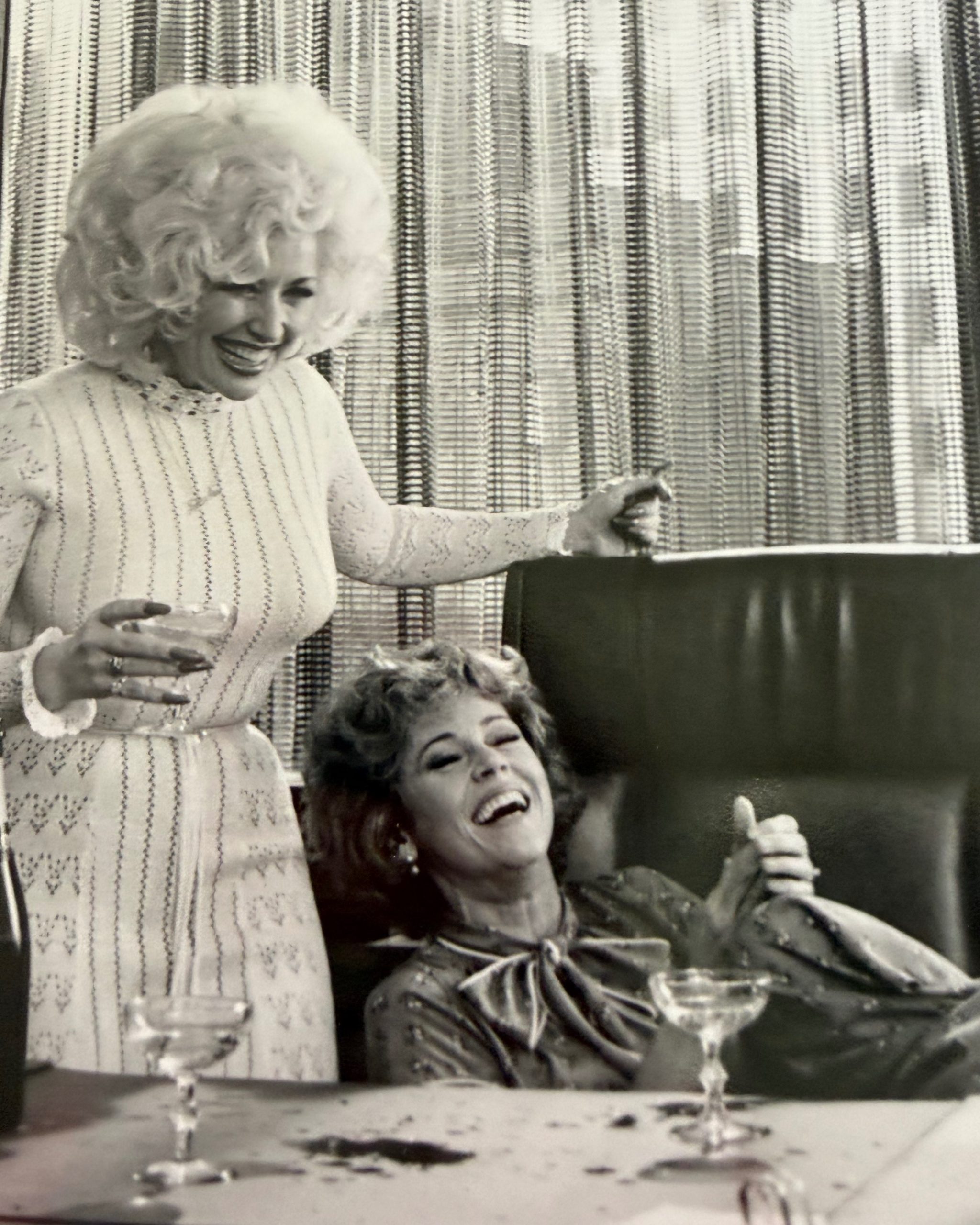
Dolly Did More Than Give Her a Phone Number
Decades later, Fonda retold the story on Conan O’Brien Needs a Friend.
Her initial request to Parton was fairly simple.
She needed help meeting people from the kind of isolated mountain communities where her character might have lived.
Parton could easily have introduced her to a family or recommended a town.
Instead, she organized something much bigger.
Fonda traveled to Nashville and stayed with Parton and her husband, Carl Dean.
She recalled Carl preparing breakfast and telling the story of first seeing Dolly years earlier outside a convenience store — a glimpse into the private life of a couple whose marriage remained largely hidden from Parton’s public career.
Fonda even remembered singing backup for Parton at the Grand Ole Opry.
Then came the real research.
Parton put Fonda on her tour bus with several of Dolly’s friends.
They headed out for roughly 10 days.
They Went Far Beyond the Places Tourists Usually Saw
Fonda said Parton took her through Appalachia and surrounding rural regions, including Tennessee, Kentucky, Missouri, the Ozarks and Arkansas.
This was not a celebrity sightseeing tour.
Fonda wanted to reach what she called the “back hollers” — isolated communities tucked deep into mountainous areas.
In her 1983 account, she said they traveled as far back into the mountains as they could.
There, Fonda met people whose daily lives looked very different from the world she knew in Hollywood.
She listened.
That may have been the most important thing she did.
Fonda later said the people she encountered were remarkably open and generous with her, allowing her to observe details of their lives that could never have been learned from a screenplay.
Years later, she still remembered seeing people living in simple homes and remote communities while Dolly traveled beside her in full Dolly Parton style.
That detail stayed with Fonda.
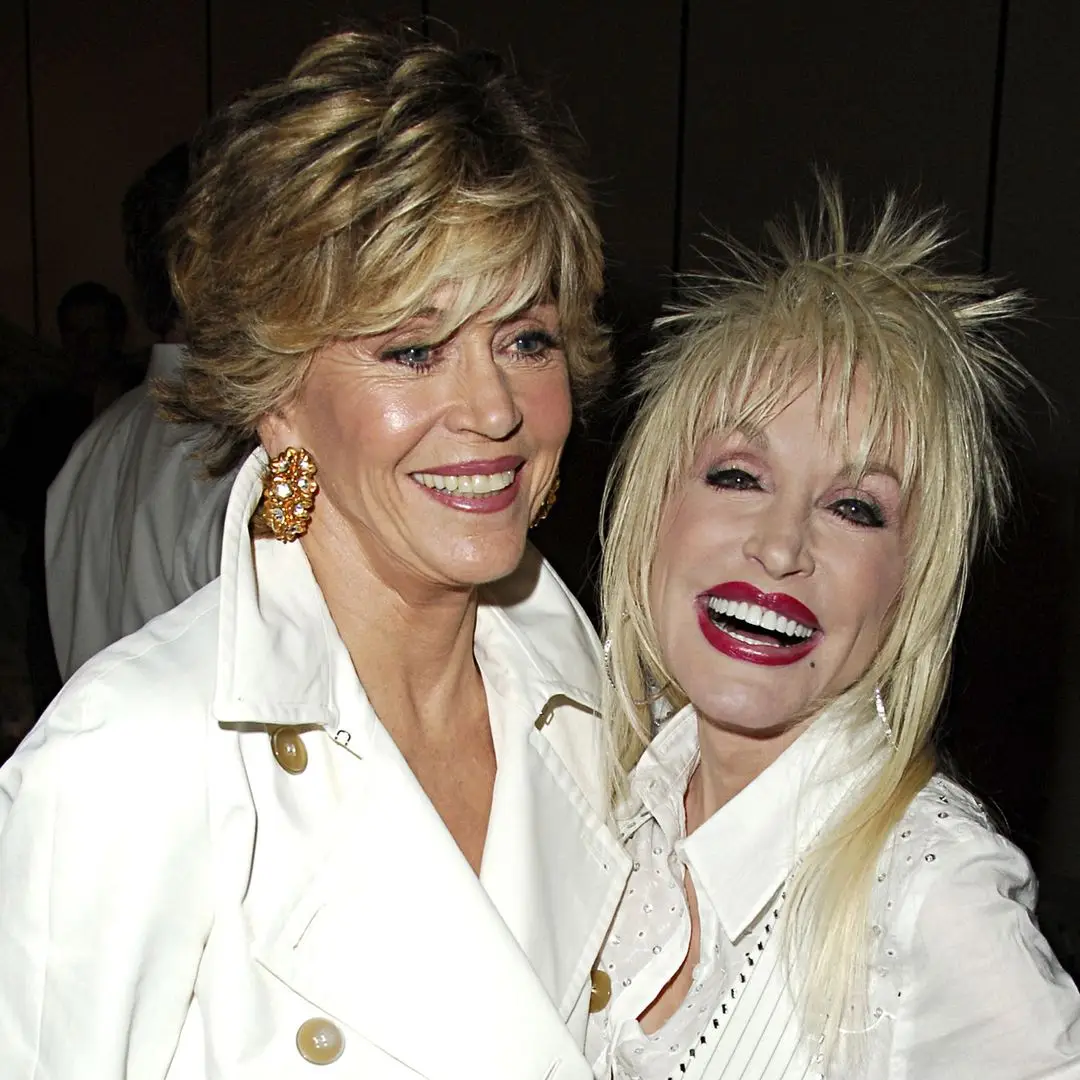
Dolly Never Stopped Looking Like Dolly
One of Fonda’s funniest memories from the trip involved Parton’s appearance.
Even while traveling through isolated rural communities on a tour bus, Dolly did not suddenly abandon the image audiences expected.
Fonda said she never saw Parton looking anything less than completely like Dolly Parton.
The hair was there.
The clothes were there.
The entire presentation remained intact.
Fonda eventually realized there was something meaningful about it.
The people they visited knew Dolly as a star who had come from a background they understood.
When she arrived, she did not present herself as though she needed to become less glamorous in order to appear authentic.
She showed up looking exactly the way they hoped Dolly Parton would look.
To Fonda, it became a lesson in respecting an audience rather than condescending to it.
Parton loved the people who loved her, Fonda later reflected, and she understood what they wanted from her.
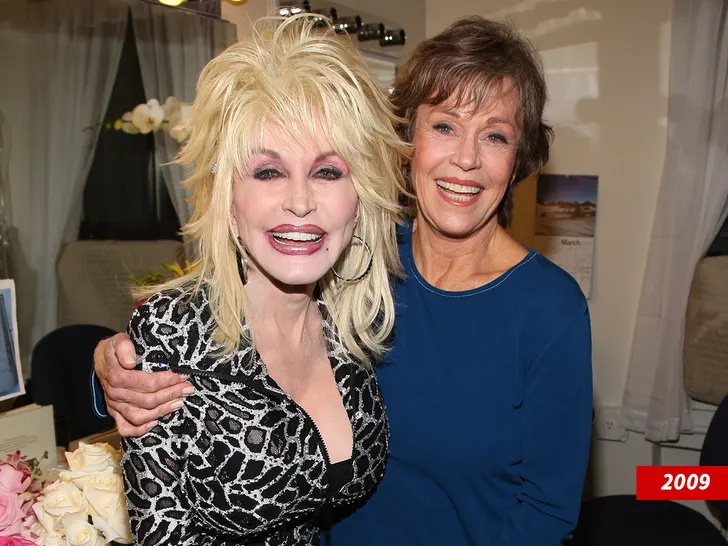
The Bus Trip Eventually Led Fonda to a Family
The journey was only the beginning of Fonda’s preparation.
During the trip, she met people who helped her go deeper into Appalachian life.
Fonda eventually returned and stayed with a local family.
She did not simply observe them.
She participated.
She chopped wood.
She milked a cow.
She used an outhouse.
She baked biscuits and churned butter.
Fonda joked about some of these experiences later, but the purpose was serious.
She was trying to understand the physical rhythm of Gertie’s life.
A woman like Gertie would not merely know intellectually how to milk a cow or prepare food without modern conveniences.
Those actions would live in her body.
Fonda wanted some version of that familiarity before playing her.
She also gained approximately 20 pounds for the role and said she tried to learn how to “think big” in order to inhabit a physically imposing character very different from herself.
The Experience Became The Dollmaker
The Dollmaker eventually aired on ABC in 1984.
Fonda played Gertie opposite Levon Helm as her husband, Clovis.
The performance became one of the most acclaimed television roles of her career.
She won the Primetime Emmy Award for Outstanding Lead Actress in a Limited Series or Special and also received a Golden Globe nomination.
The finished performance came from many sources — Arnow’s novel, the screenplay, Fonda’s own preparation and the filmmaking process.
But buried behind it was that unusual 10-day journey shortly after 9 to 5.
Without Parton, Fonda might still have researched Appalachia.
She might have interviewed people or traveled there independently.
What Dolly offered was different.
She provided access through trust.
She was not bringing a Hollywood actress into an unfamiliar culture as an outsider with a notebook.
She was bringing her friend home.
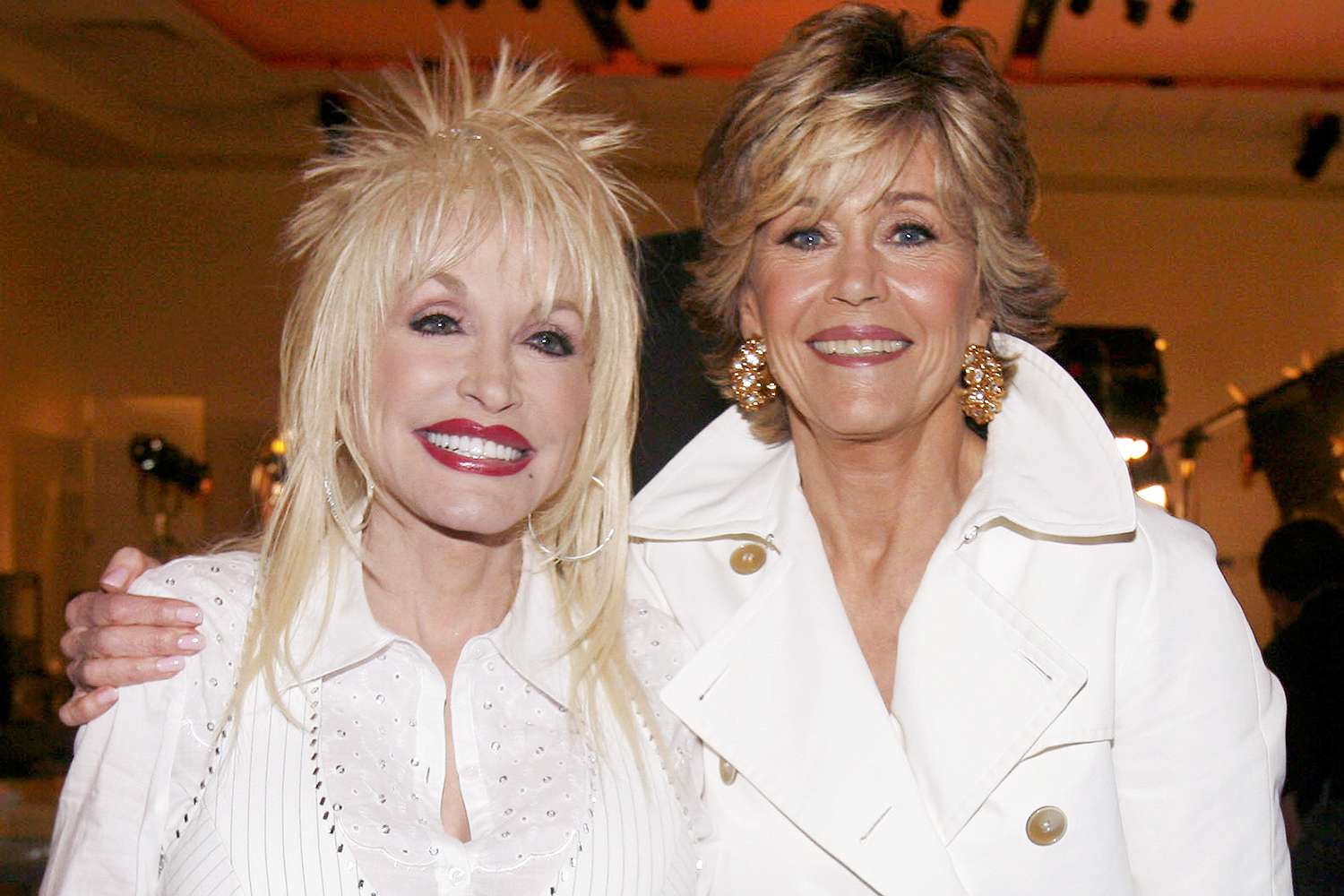
It Revealed Another Side of Dolly Parton
The story is especially revealing because Parton gained almost nothing publicly from doing it.
This was not a movie she was starring in.
She was not producing The Dollmaker.
There was no obvious career benefit in spending days arranging Fonda’s research trip.
Parton simply cared about how people from her part of America would be portrayed.
She knew how easily poverty could become entertainment and how quickly mountain culture could be turned into a joke.
So when one of Hollywood’s biggest actresses told her she wanted to play an Appalachian woman, Dolly did not merely say good luck.
She put Jane Fonda on a bus.
She took her into the mountains.
She introduced her to people.
And she told her, essentially, that if Hollywood was finally going to tell this story, it had a responsibility to see the people inside it clearly.
More than four decades later, Fonda still remembered the trip.
That may be what makes the story so striking.
9 to 5 made Dolly Parton and Jane Fonda famous costars.
What happened two weeks later showed that their friendship had already become something more.
Dolly did not just help Fonda prepare for another role.
She helped her see a part of America that Dolly had understood all her life.