Matt Damon Shared a Bank Account to Pay for Auditions
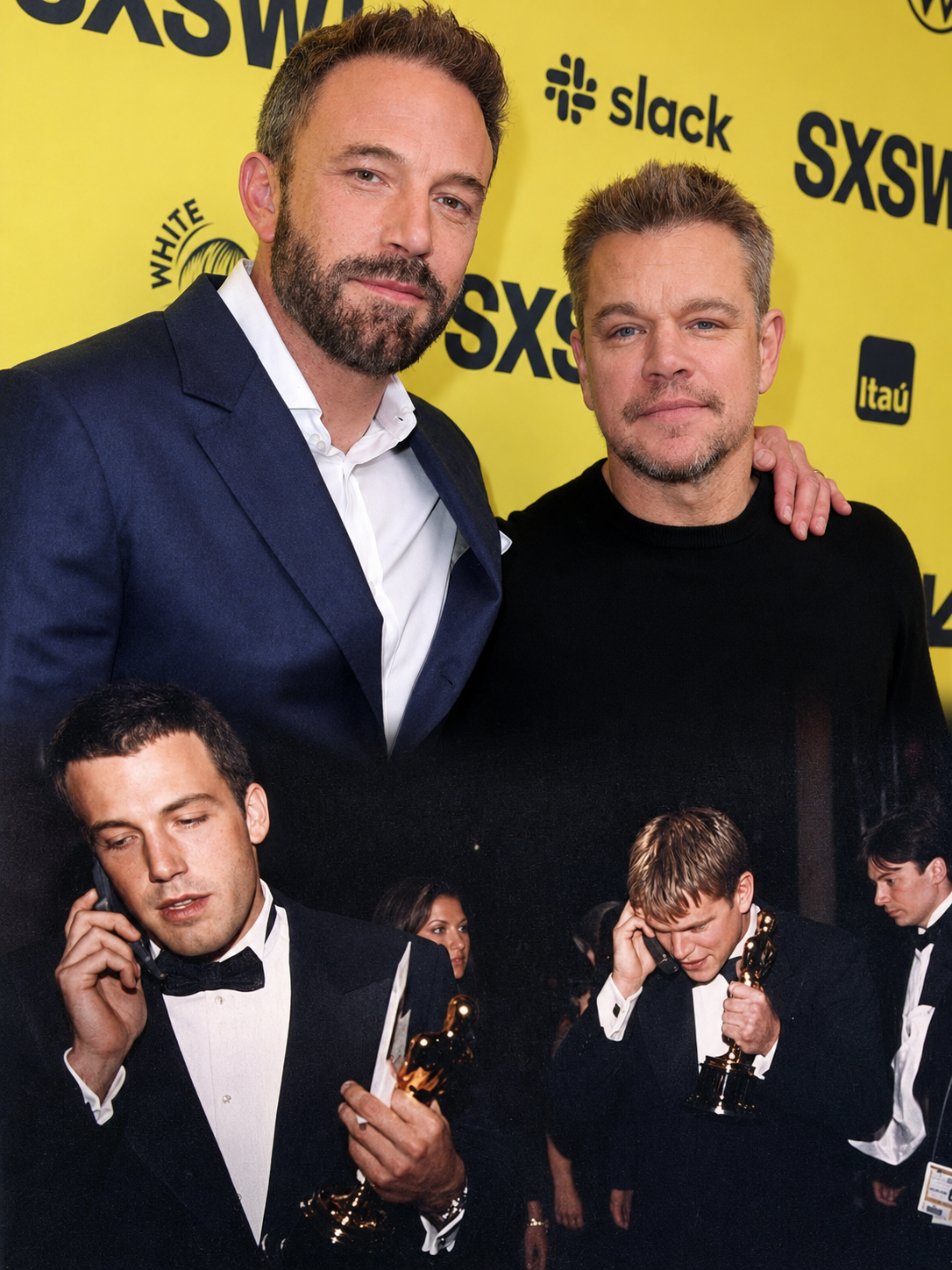
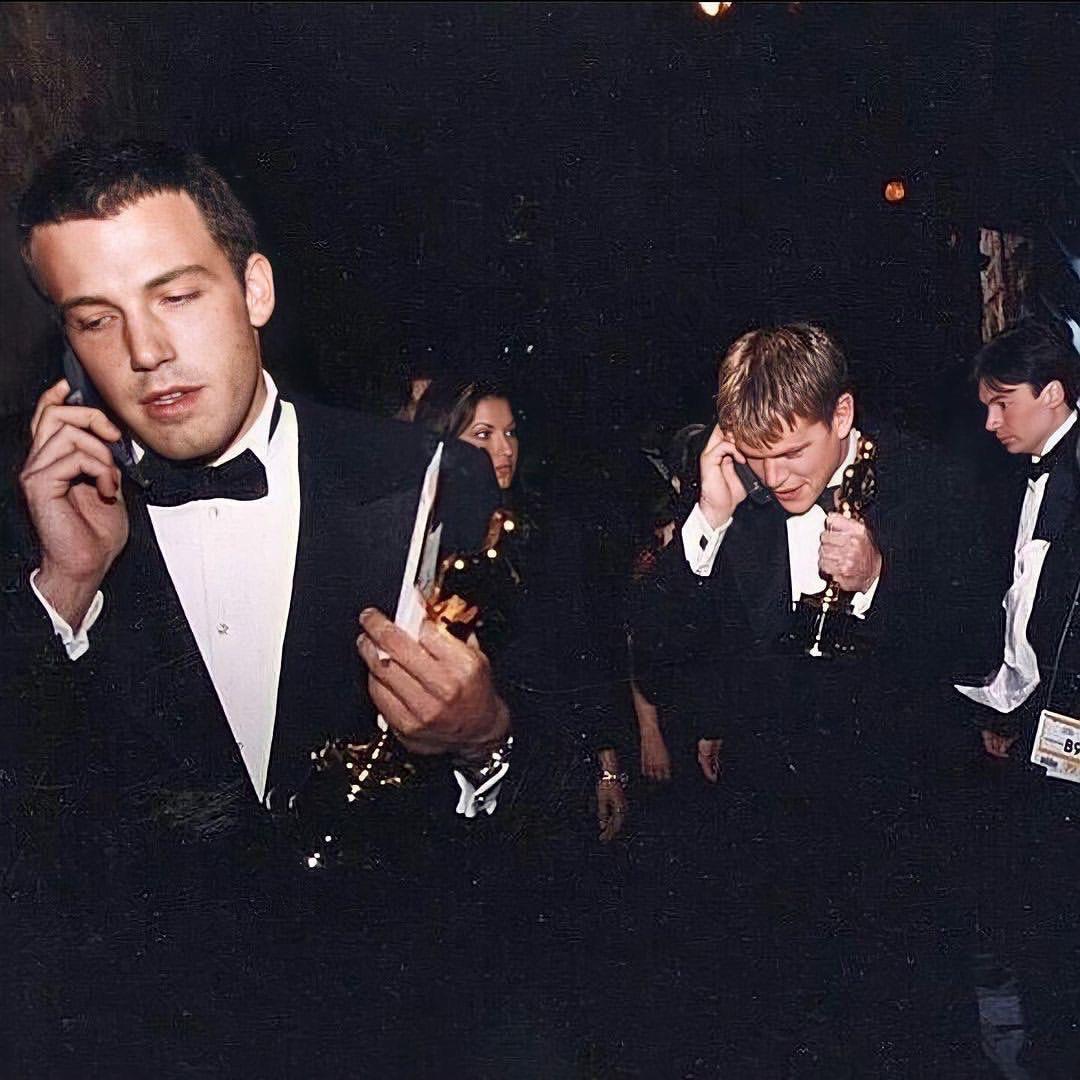
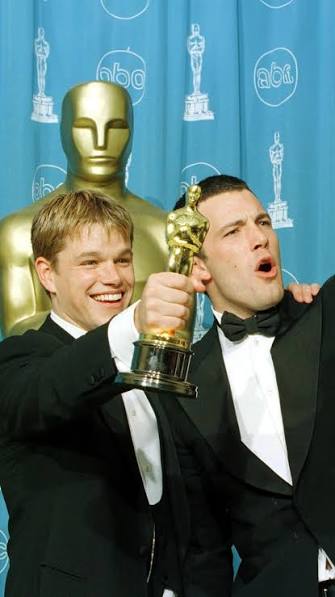
In March 1998, two gold-colored statuettes stood in the hands of two first-time winners at the Shrine Auditorium in Los Angeles.
The men had just won the Academy Award for writing Good Will Hunting.
Matt Damon and Ben Affleck had reached that stage after years in which money from either man’s acting work went into the same bank account.
The account was not a symbolic gesture created after they became famous.
They had used it to buy train or plane tickets for auditions, cover basic costs and keep their acting plans alive. Damon has said the arrangement began when he was 16 and Affleck was 14.
Years later, Damon looked back and admitted that sharing a bank account with a friend seemed unusual.
At the time, however, it served a clear purpose. A payment earned by one of them could create another chance for both.
Two Teenagers and One Acting Fund
Damon and Affleck grew up near each other in the Boston area and started pursuing acting while they were young.
In a 2011 interview with Katie Couric, Damon explained the basic system. At 16, he traveled to New York for auditions with Affleck, who was two years younger.
They had a joint account, and the money was supposed to support those trips.
The arrangement continued as they moved from teenage auditions into the less certain years of trying to build adult acting careers. In their 2023 interview with Bill Simmons, they identified the bank as BayBank, a Boston institution that later disappeared through mergers.
When one of them earned money from a job, the money could go into the common fund.
That changed the meaning of a small acting role. It did not only help the person who received it. It could finance the other person’s next trip to New York.
A failed audition also became less final.
One actor could return without a job while the other still had money in the account. The system allowed them to continue longer than either might have managed alone.
Damon later described the reason in plain terms: they needed money for auditions.
The Account Had Rules
The shared account was not meant to pay for everything they wanted.
Damon has recalled that they were allowed to withdraw $10 in quarters and use it to play arcade games. He mentioned the same basic rule in interviews more than a decade apart.
That detail shows how closely they watched the money.
Ten dollars could be set aside for entertainment, but the larger purpose of the account remained professional. Audition travel came first.
The fund also offered protection when they shared living expenses.
In the 2023 interview, Damon said that as long as one of them had money, they knew the power would not be shut off. The statement was not about wealth. It was about keeping the lights on while both continued to seek work.
They also shared apartments during parts of this period.
That reduced the line between friendship and work. Their earnings, housing, travel and ambitions were connected.
The agreement required trust.
Each man had to accept that money he earned might be spent on the other man’s opportunity. Neither could know which audition would lead to a job or whether the account would ever produce a lasting result.
From Auditions to Their Own Screenplay
Acting remained an uncertain path.
Damon and Affleck were seeking parts created by other people, and each role attracted many performers. The shared account helped them enter those contests, but it could not control the result.
Their response was to become writers as well as actors.
They developed the screenplay that became Good Will Hunting, the story of a young man from South Boston whose gift for mathematics is hidden beneath his work and personal conflicts.
The finished film credited Damon and Affleck as its screenwriters. Both also appeared in it, with Damon in the lead role and Affleck as his friend.
The project changed the position they held in the industry.
Instead of waiting only for a casting director to select them, they had created roles tied to a story they controlled. Their work as writers gave them a way to place themselves in a film rather than depend on an existing part becoming available.
Reports have long placed the headline value of the screenplay deal at $600,000.
That number needs context. Later accounts differ over which payments represented the script, acting work or other parts of the production agreement. The deal also faced deductions such as representation fees and taxes.
The safe conclusion is that the screenplay created a financial opening far larger than the small jobs that had fed their shared account. It did not guarantee that every dollar in the announced deal became personal spending money.
The Turning Point Came on March 23, 1998
Good Will Hunting was released in 1997.
At the 70th Academy Awards on March 23, 1998, it competed for the award then called Screenplay Written Directly for the Screen. The ceremony was held at the Shrine Auditorium and Expo Center in Los Angeles.
Damon and Affleck won.
The Academy’s official record lists both men for the screenplay. The award confirmed that the two actors who had once pooled small checks for auditions had also produced work recognized at the industry’s highest-profile ceremony.
The win did not erase the years before it.
Its meaning came partly from those years. Their route had included shared housing, controlled withdrawals, audition trips and the knowledge that either man’s payment might have to carry both of them.
The bank account did not write the screenplay.
It helped preserve the time and access required for two young actors to keep going until they could write it.
Success Did Not End the Partnership
Damon and Affleck developed separate careers after Good Will Hunting, but they continued working together.
Their later partnership eventually moved beyond sharing acting income or writing one film.
In November 2022, Damon, Affleck and investor Gerry Cardinale launched Artists Equity. The company describes itself as an artist-led studio built around partnerships with filmmakers.
Affleck became its chief executive, while Damon became a co-founder and creative leader.
The company says one of its central aims is to broaden access to profit participation. That means creating ways for more of the people responsible for a project to share in its financial results.
The first movie produced under the banner was Air.
Affleck directed the film, while Damon starred as basketball executive Sonny Vaccaro. The story concerned Nike’s effort to build a business relationship with Michael Jordan and his family.
While promoting Air in March 2023, Damon and Affleck returned to the story of their old bank account.
The timing gave the memory a wider meaning. They were no longer discussing only how two young actors had shared a limited amount of money. They were launching a company based in part on the idea that the financial rewards of filmmaking could be shared more broadly.
The Link Between the Account and the Studio
The teenage bank account and Artists Equity are not the same kind of organization.
One was an informal survival fund between two friends. The other is a film company backed by outside capital, contracts and a professional staff.
Still, both arrangements begin with a similar choice.
Money earned by one person does not have to benefit that person alone.
In the first arrangement, a check from one acting job could pay for two careers to continue. In the later company, the stated goal is to give more creators a financial stake in the work they help make.
That does not prove every Artists Equity project will succeed or that every participant will receive the same reward.
It does show that Damon and Affleck carried an old idea into a much larger setting: work can be structured so that success is not limited to the most visible person involved.
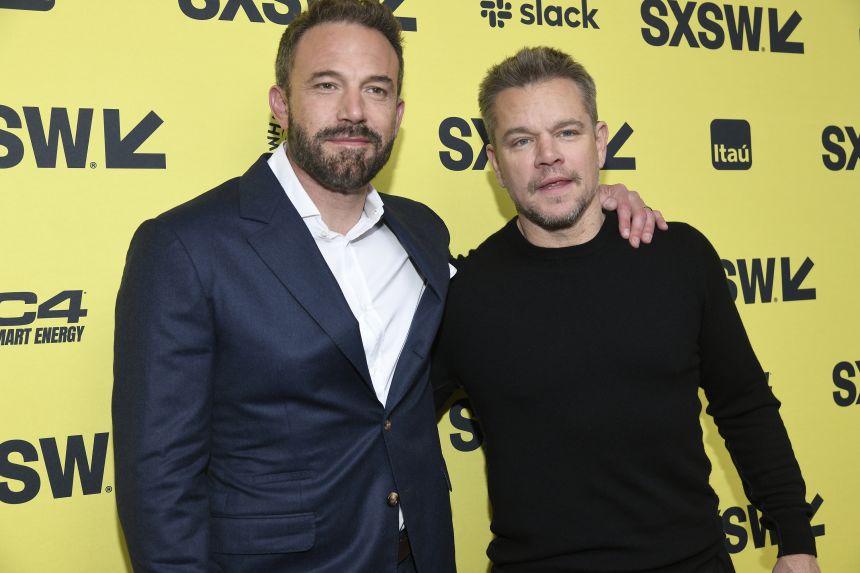
What the Story Says About Matt Damon
The shared bank account is often presented as a light piece of celebrity history.
Its details are amusing. Two future Oscar winners had rules about taking out quarters for arcade games.
But the lasting fact is not the arcade money.
Damon and Affleck treated their early careers as a joint problem. A role for one could create an audition for the other. One person’s income could keep the electricity on for both.
That arrangement could have failed in many ways.
One friend could have withdrawn more than his share. One could have found steady work and ended the agreement. They could have decided that competition made cooperation impossible.
Instead, the partnership lasted long enough to support the writing of Good Will Hunting, the 1998 screenplay Oscar and, decades later, the creation of a studio they owned together.
The account did not guarantee Matt Damon a career.
It reveals that before success arrived, he was willing to make his chances depend partly on another person’s chances too.
People often endure uncertain years longer when progress is treated as something that can be shared.