The Magic Tricks In Now You See Me Explained
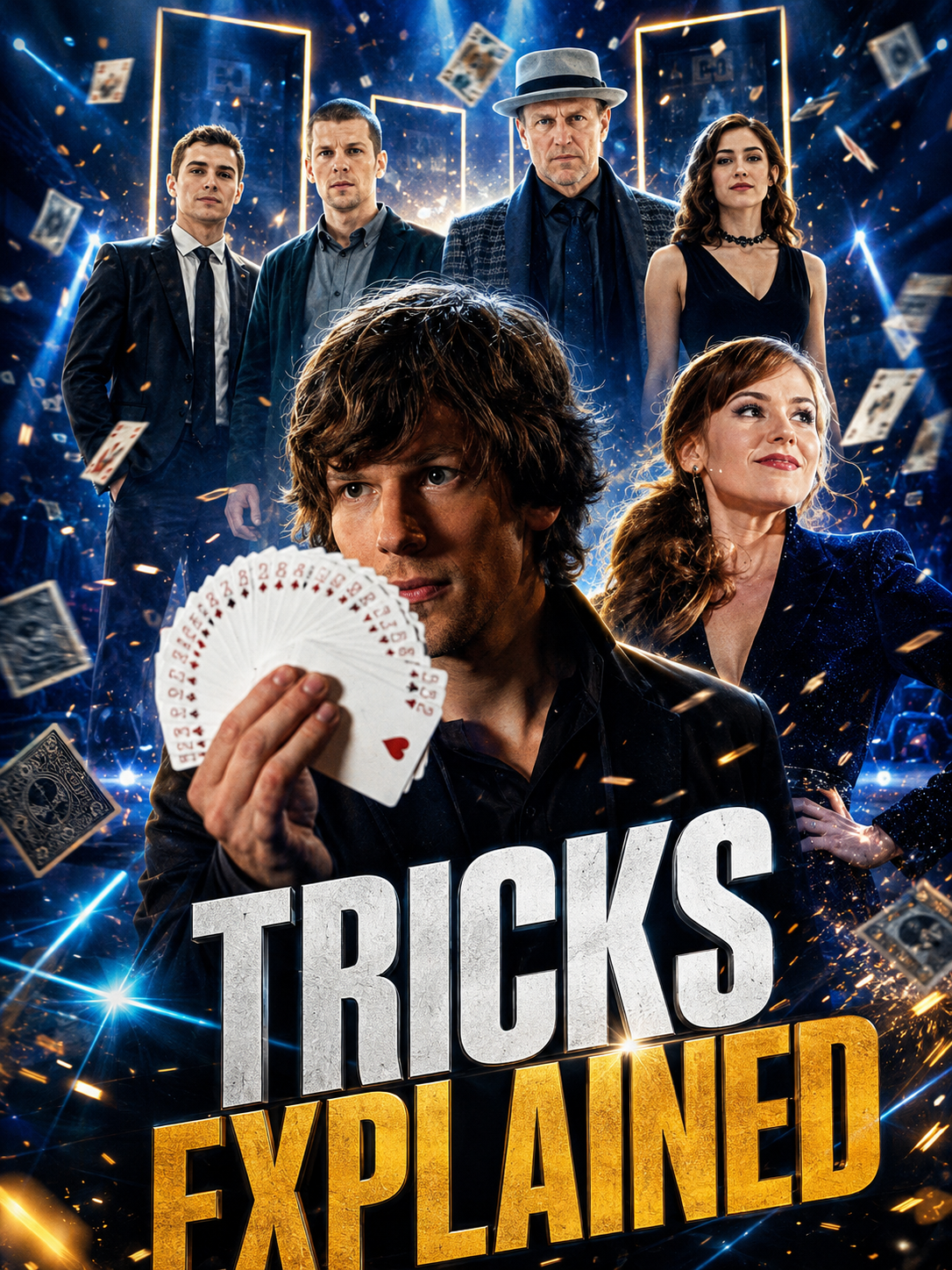
The Magic Behind Now You See Me: 14 Tricks Explained
Now You See Me built an entire crime thriller around one irresistible idea: What if the people pulling off an elaborate heist were not master thieves, but master magicians?
The 2013 film follows J. Daniel Atlas, Merritt McKinney, Henley Reeves and Jack Wilder, four performers brought together to become the Four Horsemen. Their shows quickly escalate from impressive stage illusions to seemingly impossible crimes, all while FBI agent Dylan Rhodes tries to understand how they are staying several steps ahead of him.
Part of the fun is that the movie occasionally shows us what is happening behind the curtain. Mirrors, misdirection, planted spectators and carefully timed distractions explain some of the Horsemen’s seemingly supernatural abilities.
Other moments are considerably harder to understand.
Some are adaptations of techniques real magicians have used for generations. Others rely on filmmaking, visual effects or a healthy disregard for what could actually happen outside Hollywood.
Here is how 14 of the most memorable tricks in Now You See Me can be understood.
1. Danny Atlas’ Incredible Card Skills
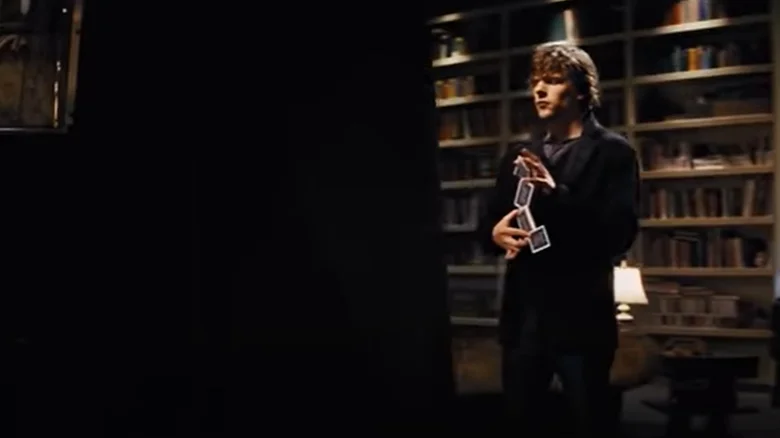
The movie wastes almost no time establishing Daniel Atlas as someone who can do extraordinary things with an ordinary deck of cards.
Before the Horsemen even exist, Danny is shown manipulating cards with the kind of speed and precision that immediately tells us he has spent years mastering his hands.
There is a real art behind those movements.
Known as cardistry, the practice focuses on visually elaborate cuts, fans, shuffles and flourishes. Unlike a conventional card trick, the goal is not necessarily to fool the spectator. Much of the appeal comes from watching someone perform movements that look almost impossibly difficult.
There was just one problem: Jesse Eisenberg did not have years to become a world-class cardist.
That is where professionals stepped in. Eisenberg later revealed that some of the spectacular card work attributed to Danny was actually performed by renowned cardists Dan and Dave Buck, with their hands digitally incorporated into the shots.
So Danny’s skill is real.
The hands performing some of it simply aren’t his.
2. How Danny Makes You Pick the 7 of Diamonds
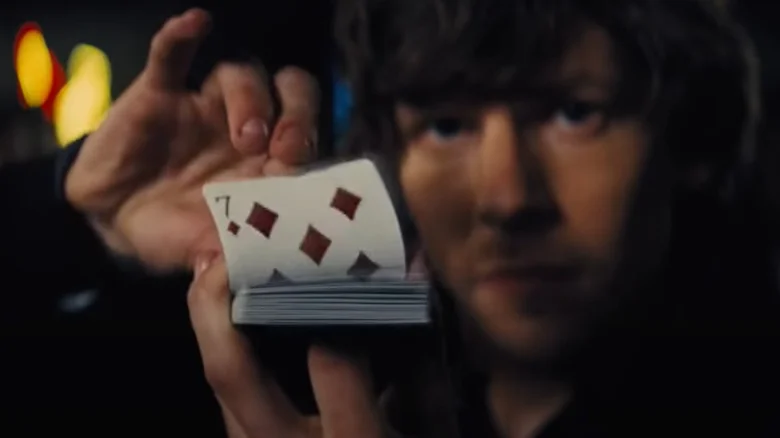
Danny’s opening street performance contains one of the cleverest tricks in the movie because it does not only fool the woman standing in front of him.
It can fool the viewer too.
He rapidly flips through a deck and asks his spectator to mentally select one card. Moments later, the 7 of Diamonds appears dramatically on the side of a building.
It feels like mind reading, but the basic principle is much more grounded.
Magicians can use various forms of a force, giving spectators the feeling that they have made a completely free choice while subtly steering them toward a predetermined result.
Magic consultant David Kwong described the movie’s version as involving a riffle selection. The intended card receives just enough visual emphasis to make it stand out while the rest of the deck passes quickly. Visual effects were also used for a few frames to strengthen the effect on screen.
The spectator remembers seeing the card.
What she does not realize is that Danny wanted her to see it.
3. The Handcuffs Switching From Danny to Dylan
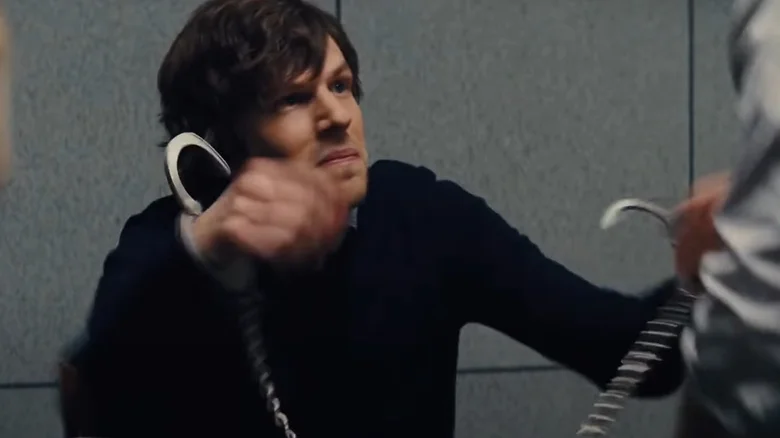
One of Danny’s best moments happens without a giant stage, expensive equipment or thousands of spectators.
He is sitting in an interrogation room.
Dylan believes Danny is securely handcuffed to the table. Then, in a matter of seconds, Danny is free — and Dylan suddenly finds the cuffs around his own wrists.
The secret is timing.
The trick only looks impossible if we assume Danny remains securely restrained until the exact moment he makes his move.
Instead, the important work happens earlier.
A magician capable of manipulating or secretly releasing the cuffs could leave them appearing closed around his wrists while actually being ready to remove them. When Dylan gets close enough, Danny has the opportunity to transfer them in one rapid movement.
The movie adds some visual assistance where needed, but the fundamental illusion depends on one of magic’s oldest principles:
The audience watches the dramatic moment while the magician has already completed the important move.
4. Henley’s Piranha Tank Escape
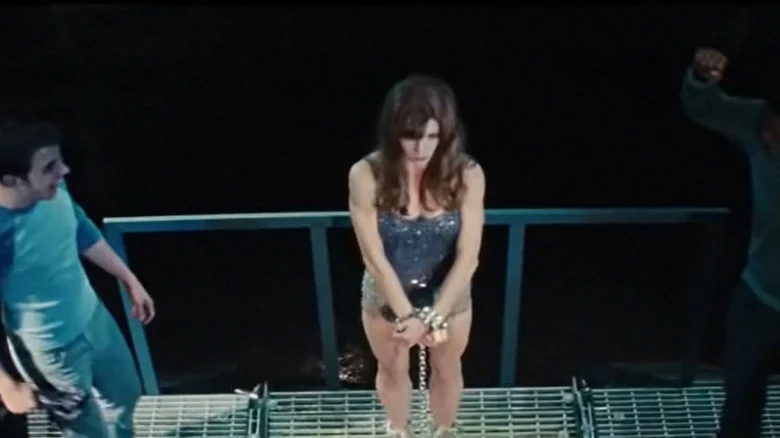
Henley Reeves makes perhaps the most dramatic entrance of any Horseman.
She is chained inside a water tank and given a limited amount of time to escape before piranhas apparently enter the tank.
She fails.
The audience sees blood.
Then Henley suddenly appears elsewhere, perfectly alive.
The basic inspiration is very real. Escape artists have long performed underwater restraints, and David Kwong said the sequence drew from the famous water-escape tradition associated with Harry Houdini.
The piranhas are another matter.
They were a cinematic escalation added to make an already dangerous-looking illusion even more extreme. The finished sequence combines practical performance with movie effects rather than reproducing something a magician could safely perform exactly as shown.
Ironically, the most dangerous part had nothing to do with the fictional fish.
Isla Fisher actually performed inside the tank and has spoken about becoming trapped during filming before the crew realized she was genuinely struggling.
Sometimes the fake danger in movie magic is safer than the real stunt required to create it.
5. Merritt McKinney’s Mind Reading
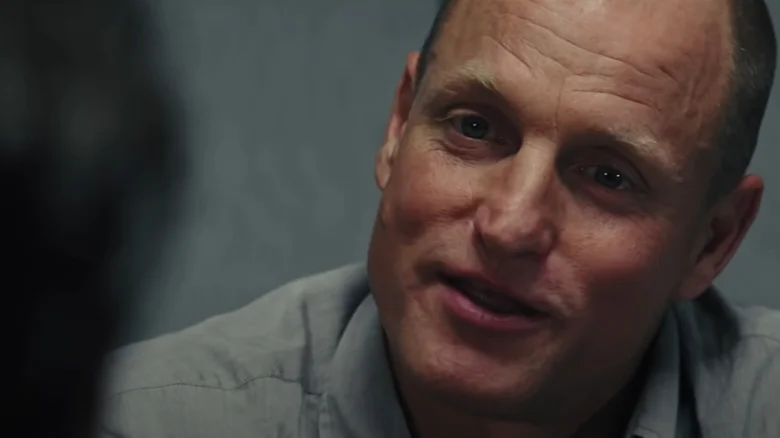
Woody Harrelson’s Merritt may have the least visually impressive specialty of the Four Horsemen.
He rarely needs elaborate props.
Instead, he seems capable of looking at someone for a few seconds and discovering secrets they have never told him.
Real mentalists obviously cannot literally enter another person’s thoughts, but they can create an astonishingly convincing impression that they can.
One method is cold reading — carefully observing clothing, behavior, facial expressions, age, speech and emotional responses, then making increasingly specific deductions.
Another is hot reading, in which information has been discovered before the encounter and is later presented as though it has appeared spontaneously.
Merritt’s movie abilities exaggerate those techniques, but the principle is recognizable.
Watch his early interactions carefully and he is constantly testing reactions. A nervous glance, a pause or a sudden change in expression can tell a skilled performer which direction to push next.
The spectator thinks the mentalist is revealing information.
Sometimes the spectator is unknowingly providing it.
6. Henley Floating Inside a Giant Bubble
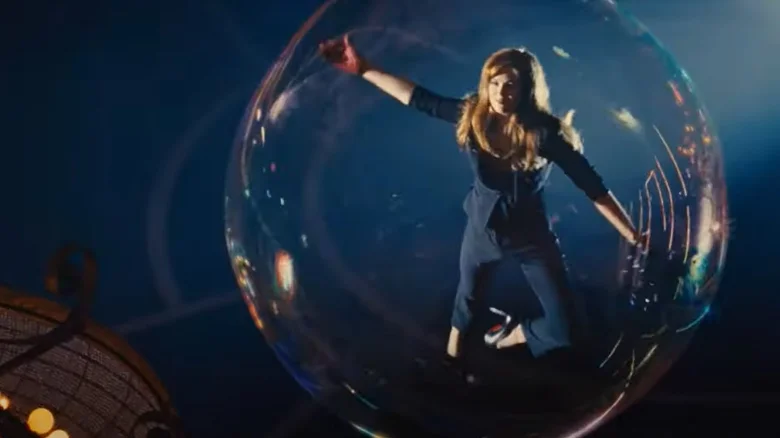
At one of the Horsemen’s performances, enormous bubbles drift through the room before Henley appears to climb into one and float above the crowd.
This is where Now You See Me stops asking, “Could a magician really do this?” and starts asking, “Wouldn’t it be amazing if a magician could do this?”
Traditional levitation effects are absolutely real illusions. Stage performers have used hidden supports, wires, lighting, carefully controlled sight lines and many other methods to make people appear weightless.
But putting a performer inside a transparent bubble surrounded by spectators creates an entirely different problem.
According to the filmmakers’ magic consultants, the sequence was deliberately conceived as an illusion beyond what contemporary stage magicians could realistically perform in that exact form. Wires, green-screen work and movie effects helped turn the idea into reality.
The Horsemen are not just presented as talented magicians.
The movie wants them to look like magicians from the future.
7. The Paris Bank Robbery
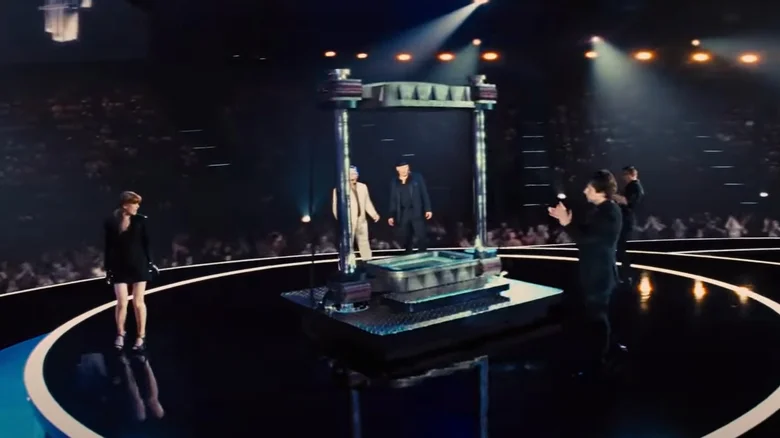
The Horsemen’s first major performance contains the stunt that transforms them from entertainers into international fugitives.
A spectator from their Las Vegas audience seemingly travels instantly to his bank in Paris.
Then the bank’s money starts raining over the Las Vegas crowd.
The movie eventually provides its own complicated explanation for how the Horsemen arranged the robbery, but the central illusion has roots in real stage magic.
David Kwong has pointed to David Copperfield’s famous Portal illusion as an inspiration. The basic theatrical idea involves making someone disappear from one location and apparently appear at another distant location, with video helping sell the impossible journey.
Of course, Now You See Me adds an actual bank robbery to the concept.
That is the movie’s favorite formula: begin with a recognizable magical technique, then enlarge it until it becomes something closer to a superhero ability.
8. Jack Wilder Using Playing Cards as Weapons
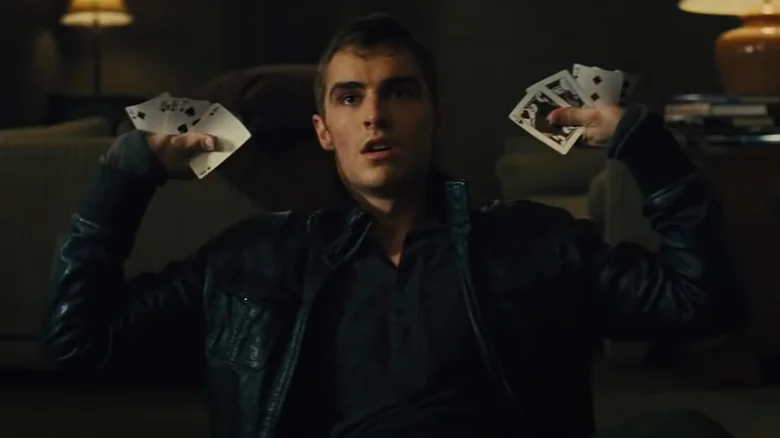
When Jack Wilder fights Dylan inside an apartment, he finds a weapon perfectly suited to a magician.
Playing cards.
Jack sends cards flying hard enough to strike and cut his opponent, turning sleight of hand into something resembling martial arts.
This looks like pure Hollywood exaggeration, but card throwing is a genuine skill — and Dave Franco became surprisingly good at it.
Franco trained extensively for the film, repeatedly throwing decks of cards at targets until he could generate considerable speed and accuracy. He later recalled practicing until his arm was exhausted and said he became capable of cutting into a banana with a thrown card.
Director Louis Leterrier also emphasized that the cast trained in practical magic wherever possible rather than relying on visual effects for everything.
Jack may be exaggerated.
But the cards flying through the air are not necessarily computer-generated.
9. Lionel Shrike’s Safe Escape
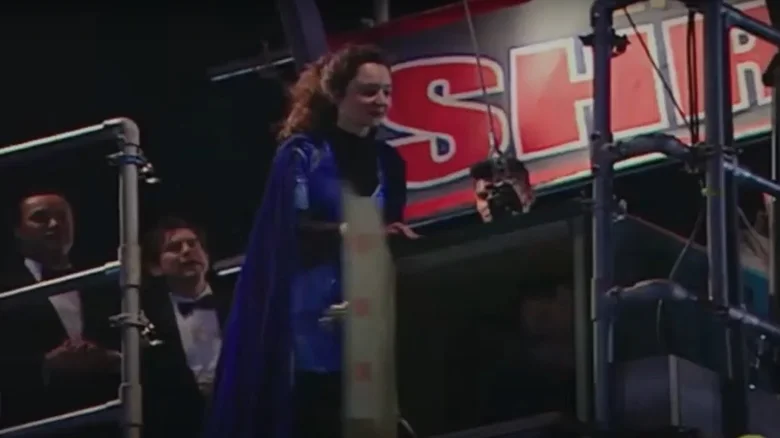
The most important escape trick in Now You See Me happens years before the film’s main story.
Magician Lionel Shrike attempts a comeback by having himself locked inside a safe and dropped into a river.
He never resurfaces.
The failed stunt ultimately becomes central to the mystery surrounding Dylan and the Horsemen.
Shrike’s trick echoes the history of real escape artists, especially Houdini.
Houdini famously performed an overboard-box escape in which he was restrained inside a weighted packing crate that was lowered into water. In one celebrated 1912 performance, he escaped and reached the surface in under a minute while the recovered box remained apparently intact.
The secret of such an illusion is not supernatural strength.
The container must contain a concealed way out, while the restraints themselves must also be escapable.
Shrike’s tragedy in the film comes from the nightmare every escape artist’s act is designed to avoid:
What happens if the secret mechanism does not work?
10. How the Handcuff Key Gets Inside a Drink
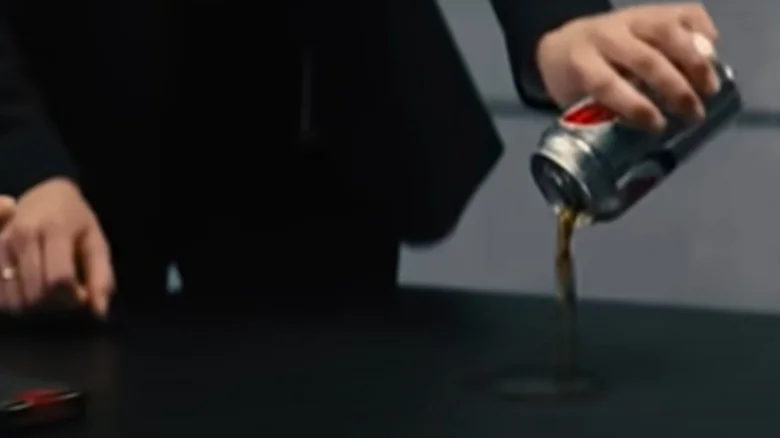
Danny does not merely escape his restraints during the interrogation.
He adds an extra flourish.
The key to Dylan’s handcuffs somehow appears inside Alma’s drink.
This is a classic example of a magic effect that becomes much harder once you ask whether every object involved was genuinely untouched beforehand.
Small-object productions often depend on palming, concealed loading or specially prepared containers. A coin, key or similar object can be hidden in the hand and introduced at the moment the audience believes it is discovering the object.
Alternatively, the container itself can be prepared before the trick begins.
The movie makes Danny’s version look almost impossibly clean, with very little opportunity for preparation or cooperation.
That is where reality gives way to cinema.
The principle is authentic.
The perfect circumstances are Hollywood.
11. How the Horsemen Apparently Turn Into Money
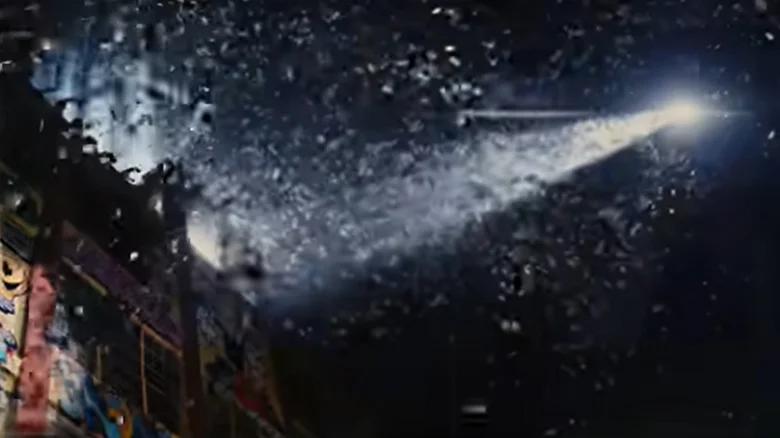
Near the end of the film, the Horsemen make one of their most theatrical exits.
They leap from a rooftop and seem to transform into a storm of money while the crowd below scrambles for the bills.
Obviously, the Horsemen have not discovered human-to-currency transmutation.
The sequence is better understood as a combination of projection, lighting, distraction and escape choreography.
The performers are positioned far away from the spectators and surrounded by strong theatrical lighting. That gives the illusionists enormous control over what the crowd can and cannot clearly see.
At the critical moment, the audience’s attention is redirected toward the spectacular image of bodies dissolving into flying cash.
Meanwhile, the actual performers only need a concealed route away from the visible performance area.
It is an enormous version of a simple magician’s principle.
Give people something irresistible to look at, and they may never notice what is happening somewhere else.
12. Merritt’s Hypnosis Is Much Less Realistic
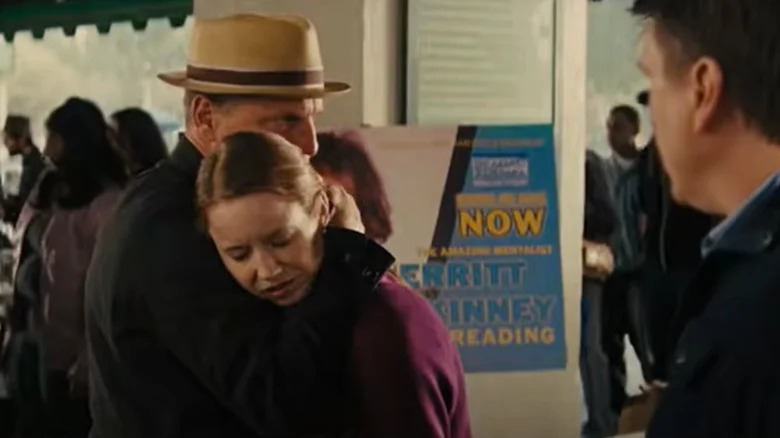
Merritt’s mentalism is at least loosely connected to techniques used by real performers.
His hypnosis is another story.
Throughout the movie, Merritt appears capable of placing strangers under his control almost instantly. He can implant commands and cause people to behave in highly specific ways later.
Real hypnosis is considerably more complicated.
Psychologists describe hypnosis as a state involving focused attention and increased responsiveness to suggestion, and people vary substantially in how responsive they are. It has legitimate therapeutic applications, including research involving pain and anxiety.
What it does not provide is unrestricted mind control.
An American Psychological Association discussion of hypnosis notes that research does not support the movie-style idea that a hypnotist can simply force people to perform serious actions completely against their wishes.
So Merritt’s abilities belong much more comfortably in movie fantasy than in a real mentalist’s toolkit.
13. The Movie’s Most Subtle Card Trick
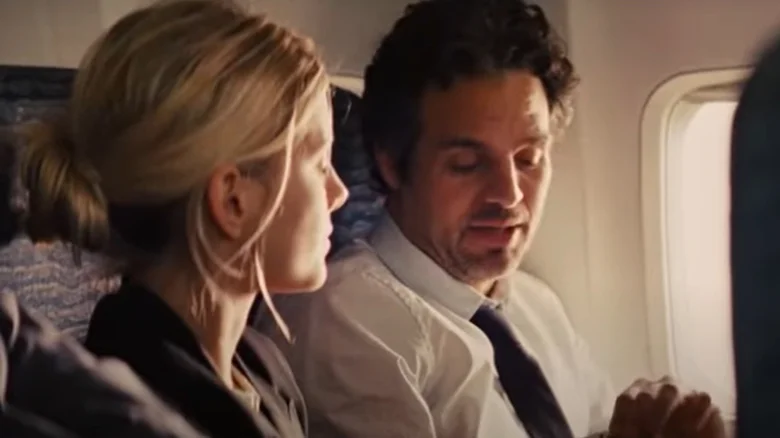
One of the smartest tricks in Now You See Me becomes more interesting only after you know the ending.
While traveling together, Alma attempts a simple card trick on Dylan.
It apparently goes wrong.
The chosen card ends up on another passenger rather than where Alma expects it to be.
At first, the moment simply makes Alma look inexperienced.
But the revelation that Dylan himself is a skilled magician changes the entire scene.
Suddenly another possibility emerges.
What if Alma did not accidentally lose control of the card at all?
Dylan could have secretly taken it and placed it elsewhere simply to amuse himself while allowing Alma to believe that her trick had failed.
The movie never needs to stop and explain this possibility.
That is what makes it such a satisfying detail on a second viewing.
The audience is watching one magician attempt to fool another without realizing which person at the table actually has the advantage.
14. Jack Wilder Copying Dylan’s Voice
During Jack and Dylan’s apartment fight, Jack gets hold of a radio and appears to imitate Dylan’s voice well enough to send approaching officers in the wrong direction.
Unlike instant hypnosis or giant floating bubbles, voice mimicry is completely possible.
Professional impressionists learn to reproduce recognizable qualities in another person’s speech by studying pitch, rhythm, pronunciation, resonance and vocal mannerisms.
The unrealistic part is speed.
Becoming convincing enough to fool people who regularly work with Dylan would normally require careful listening and considerable practice.
But there is another reason the scene becomes interesting after the movie’s final twist.
Dylan is secretly helping the Horsemen.
That means the very information Jack needs to study Dylan’s voice may not have reached him entirely by accident.
Like many moments in Now You See Me, the trick looks different once you know who has really been controlling the show.
The Real Trick Behind Now You See Me
The most entertaining thing about the magic in Now You See Me is that the film rarely stays completely on one side of the line between reality and fantasy.
Some techniques are legitimate.
Some are legitimate ideas pushed far beyond what a real performer could accomplish.
Others exist almost entirely because cinema can hide wires, combine shots, add visual effects and put the camera exactly where the illusion requires it.
That mixture was intentional. The actors trained with magicians and mentalists, and the production brought in professional magic consultants so that even the movie’s impossible illusions would begin with recognizable principles of misdirection and sleight of hand.
And that may be why the film’s tricks remain so much fun to revisit.
The question is rarely simply, “Is this real?”
The better question is:
How much of it could be?