Dolly Parton’s Family Had a Strange Ritual Just to Hear the Grand Ole Opry — Years Later, She Owned Its Stage
Long before Dolly Parton could simply walk onto the Grand Ole Opry stage and hear an audience cheering her name, listening to the show required considerably more effort.
Her family did not have electricity.
They did not have a television.
What they did have was an old battery-powered radio in their rural Tennessee home — and on the nights Dolly’s father wanted to hear the Grand Ole Opry, even that was not always enough.
The signal could whistle.
It could fade.
Sometimes the family could barely make out what was being broadcast from Nashville.
So Robert Lee Parton would resort to an unusual solution.
Someone had to go outside and pour water on the radio’s ground wire.
Dolly remembered that the trick could improve the connection just enough to stop the whistling and bring the Opry back through the speaker.
“We didn’t have electricity, and we had a battery radio,” Parton later recalled. Her father wanted to hear the Grand Ole Opry, so “we used to have to go out and pour water on the ground wire.”
At the time, Dolly was simply a little girl trying to hear music from a distant world.
Years later, that world would know her name.
The Partons Were Listening From a Home Without Electricity
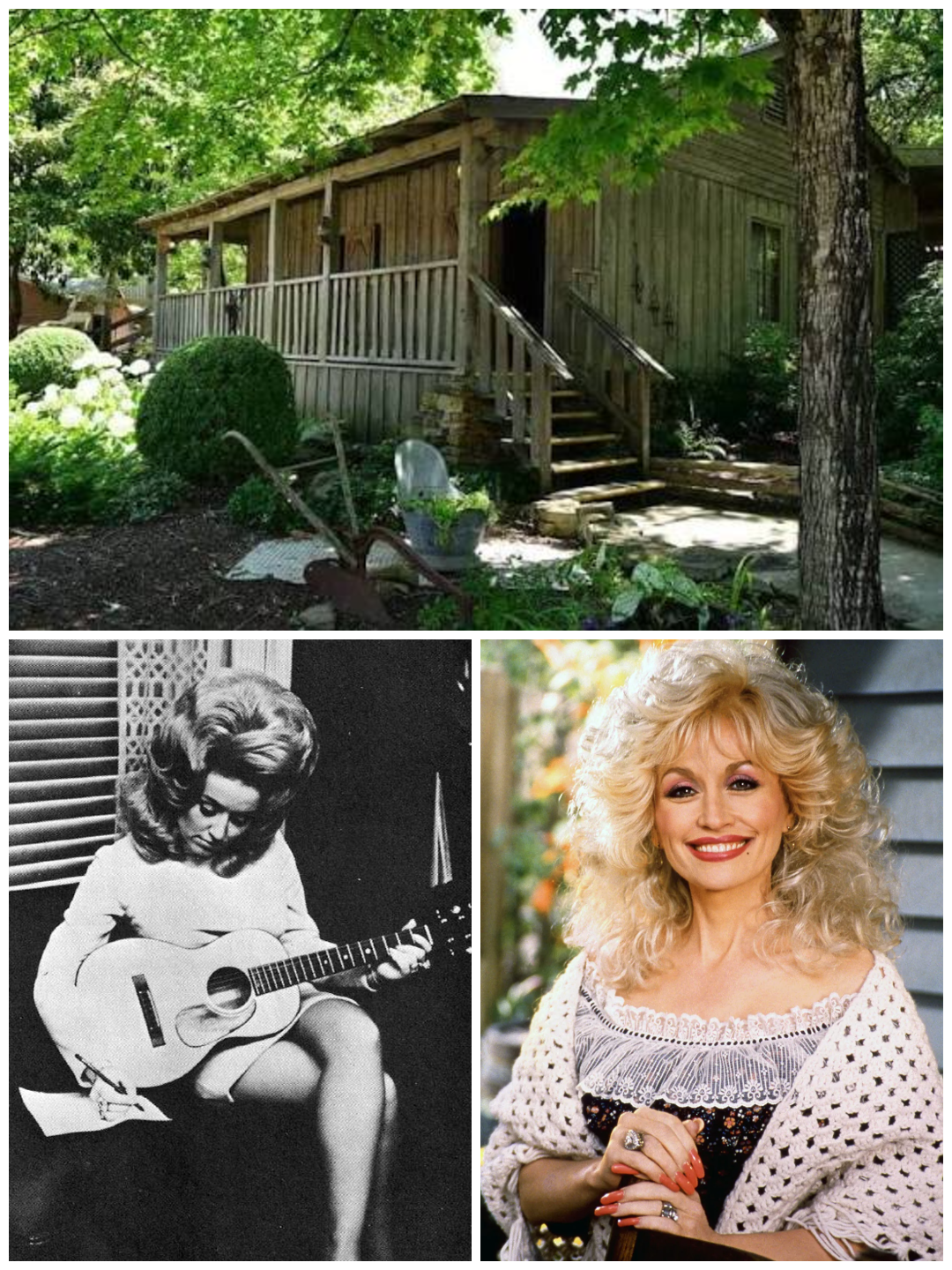
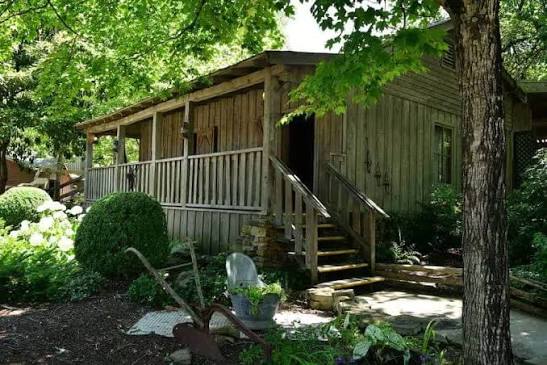
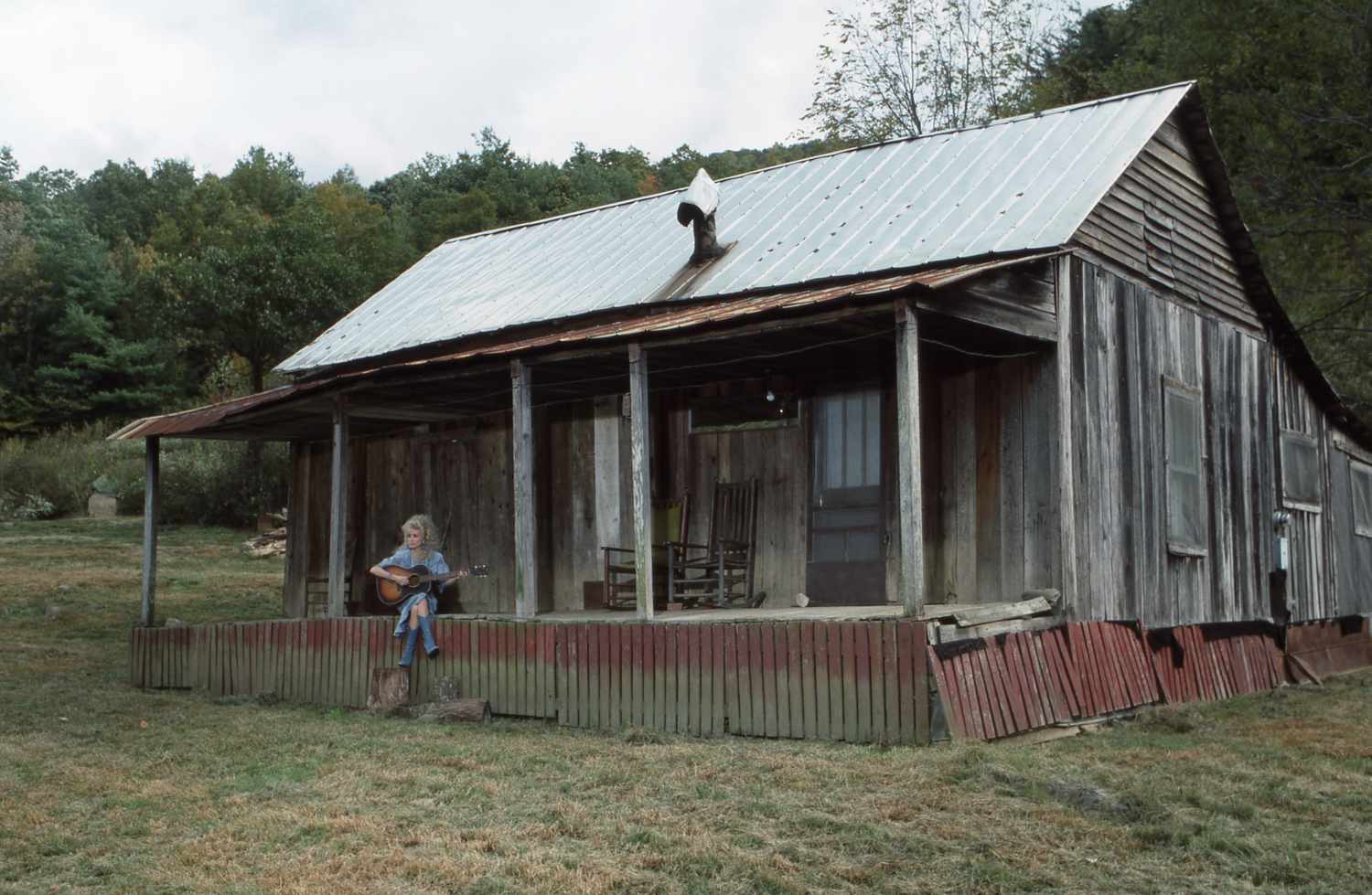
Parton grew up in the Great Smoky Mountains of East Tennessee as one of 12 children.
The family’s home was extremely modest.
PBS’ Country Music documentary describes the cabin as lacking electricity, running water and indoor plumbing.
But a lack of electricity did not mean a lack of music.
Dolly’s mother’s family was deeply musical. Relatives played guitars, fiddles, mandolins, banjos and other instruments, while gospel and traditional mountain songs filled family gatherings and church services.
Country music from outside the mountains entered through radio.
And one program carried special significance.
The Grand Ole Opry.
Dolly later said her father loved listening to it.
For a poor family living miles from Nashville, the Opry offered access to performers who seemed to inhabit a much bigger world.
The problem was getting that world through the radio clearly enough to hear it.
Why Did Pouring Water on the Ground Help?
To a modern listener accustomed to streaming music instantly through a phone, the ritual sounds almost absurd.
The radio begins whistling.
Someone walks outside.
Water gets poured on the ground.
Then everybody listens again.
But there was practical logic behind it.
A radio system using an earth ground depends on electrical contact with the soil. Dry ground can provide a poorer connection than moist soil, so adding water around the grounding point can reduce resistance and improve the effectiveness of the ground.
For the Partons, there was no need for a technical explanation.
They simply knew what sometimes worked.
Dolly described the radio as something that would “whistle in and out.” When her father wanted the Opry badly enough, they would wet the ground connection and try to pull the broadcast in.
It is an extraordinary image in retrospect.
One of the most important country singers in history first experienced the genre’s most famous institution through a signal her family was literally struggling to keep alive.
Dolly Already Wanted the World Beyond the Smokies
Those radio broadcasts mattered because Dolly understood remarkably early that she wanted something larger.
She loved her family and repeatedly spoke with affection about her childhood.
But she also knew she wanted to leave.
In later interviews, Parton said she sensed that there was a bigger world beyond the Smoky Mountains and believed music could take her into it.
“I just knew that I wanted to be out in a bigger world,” she recalled while discussing those early radio days.
Her ambitions were not theoretical for very long.
She began writing songs as a young child.
She sang in church.
Then she started performing professionally while still in elementary school.
By about age 10, Dolly was appearing on The Cas Walker Show in Knoxville and earning roughly $20 per week.
There was another remarkable contradiction.
She was appearing on television before the Parton family owned a television.
Dolly later used money from the show to buy the family its first set.
The girl who once needed water poured around a radio ground wire just to hear professional entertainers was already becoming one herself.
Then, at 13, She Reached the Opry Herself
The distance between the Parton home and the Grand Ole Opry began shrinking quickly.
In 1959, at just 13 years old, Dolly appeared at the Opry.
Johnny Cash introduced her to the audience as a little girl from East Tennessee.
She performed George Jones’ “You Gotta Be My Baby.”
The response was extraordinary.
According to the Grand Ole Opry’s own history of Parton, the teenage performer received three encores.
Imagine what that must have meant to the family back home.
Only years earlier, Robert Lee Parton had been fighting static and whistling just to listen to performances coming from the Opry.
Now his daughter was one of the voices being sent out over the air.
Dolly had not yet become a star.
She was still years away from “Jolene,” “Coat of Many Colors” and “I Will Always Love You.”
But she had reached the place her family had once struggled simply to hear.
Nashville Still Had to Be Conquered
One Opry appearance did not immediately make Dolly Parton famous.
She still had school to finish.
She continued writing and recording, and after graduating from high school in 1964, she left East Tennessee for Nashville to pursue music full time. The Library of Congress notes that she had already recorded for multiple labels before graduation.
The next several years involved exactly the kind of struggle common to Nashville newcomers.
She wrote songs.
She sought recording opportunities.
She worked to persuade the industry that she should be allowed to sing the kind of music she wanted.
Then Porter Wagoner brought her onto his nationally syndicated television program in 1967.
Her audience grew dramatically.
Hits followed.
And eventually the childhood dream became official.
In 1969, Dolly Became a Grand Ole Opry Member
On Jan. 4, 1969, Parton was inducted as an official member of the Grand Ole Opry.
She never treated the honor casually.
Parton described the Opry as sacred to her and called it the “church of my heart.”
For a country singer of her generation, she explained, making it to the Opry represented a kind of ultimate validation.
“If you can make it there, you can make it anywhere,” she said.
That comment sounds very different when you know how the relationship began.
The Opry was not simply another famous venue Dolly encountered after becoming successful.
It had been part of her imagination before success existed.
It was something her father wanted to hear in a house without electricity.
Something transmitted through a battery radio.
Something that sometimes disappeared behind static until the family went outside and poured water onto the ground connection.
The Signal Eventually Led Her All the Way to Nashville
Dolly Parton’s career would ultimately become far bigger than the Grand Ole Opry.
She crossed into pop music.
She became a movie star.
She created Dollywood.
She wrote thousands of songs and became one of the most recognizable entertainers in the world.
But the Opry remained emotionally important because it represented where the dream began.
There is an almost perfect symmetry to the story.
As a child, Dolly sat in a rural home where electricity itself was unavailable.
Her father wanted to hear country music coming from Nashville.
The signal faded.
The radio whistled.
Someone went outside with water.
For a few precious minutes, the voices of the Grand Ole Opry came through again.
Then that little girl grew up.
She went to Nashville.
She stepped onto the same stage.
And eventually, families across America were turning on their own radios to hear Dolly Parton.