Richard Dreyfuss Said No to Steven Spielberg Twice — One Screening Sent Him Back Begging for Jaws
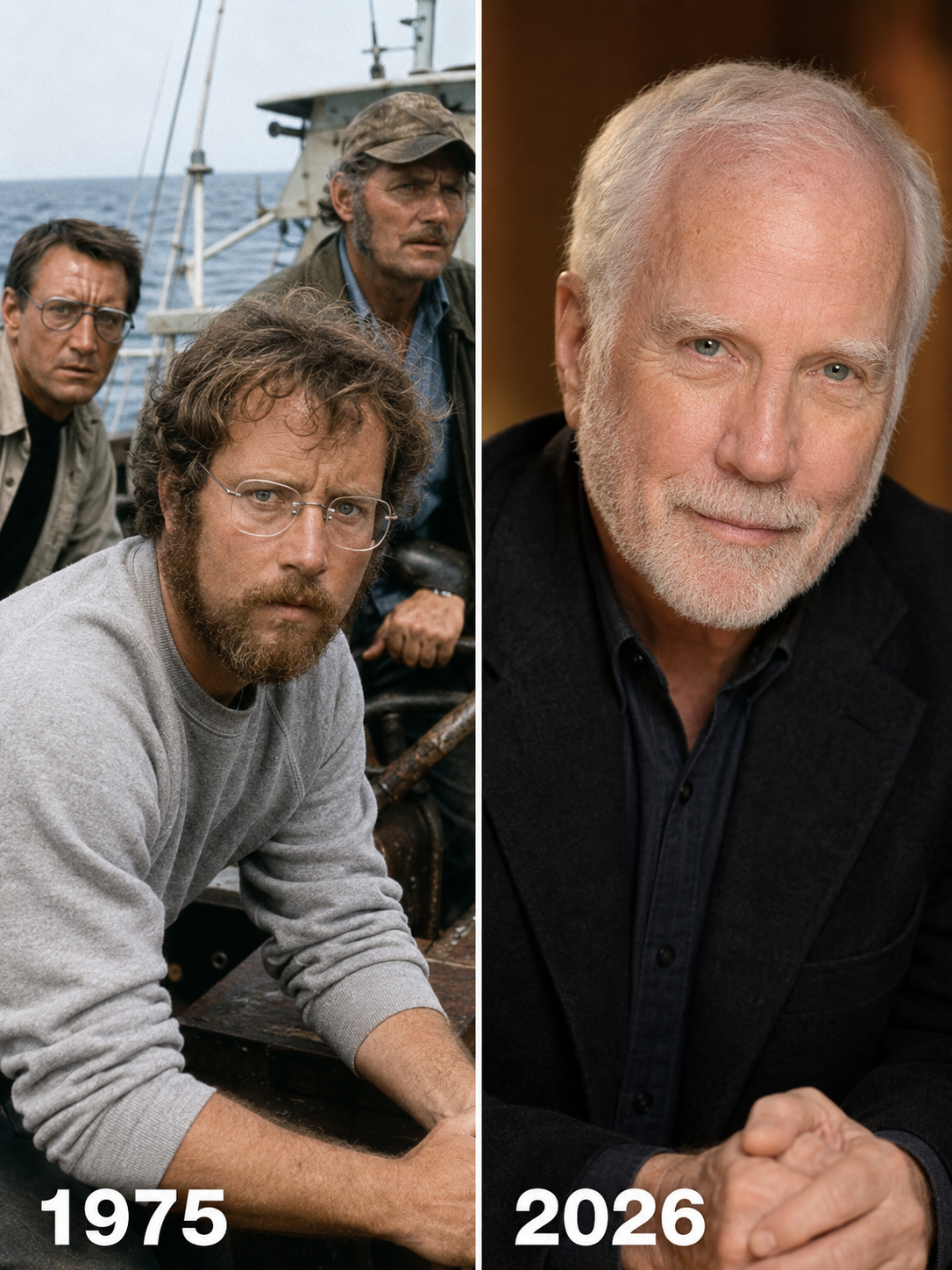
When Richard Dreyfuss climbs aboard the Orca in Jaws, it is difficult to imagine anyone else standing between Roy Scheider’s Martin Brody and Robert Shaw’s Quint.
As marine biologist Matt Hooper, Dreyfuss brings a completely different energy to Steven Spielberg’s 1975 thriller. Brody fears the water. Quint trusts experience and instinct. Hooper arrives with expensive equipment, scientific knowledge and enough confidence to clash immediately with the old fisherman.
The three men eventually become one of the most memorable combinations in movie history.
But Dreyfuss did not spend months trying to convince Spielberg to give him the part.
He did almost the exact opposite.
By his own account, he turned Jaws down.
Twice.
Then Dreyfuss watched himself in another movie and became so horrified by what he saw that suddenly Spielberg’s shark film looked like something he desperately needed.
He called the director back and begged for the role he had just rejected.
Spielberg Told Him About the Shark — Dreyfuss Still Said No
Dreyfuss and Spielberg already knew each other when Jaws came together.
Dreyfuss had appeared in George Lucas’ American Graffiti, and Spielberg wanted to talk to him about playing Hooper in his adaptation of Peter Benchley’s bestselling shark novel.
The director even advised him not to read the book.
Spielberg had his own version in mind, stripped of some of the novel’s subplots and built for speed. He wanted a movie that moved relentlessly toward the central threat.
When Spielberg described it, Dreyfuss understood the appeal.
He thought it sounded exciting.
He just did not want to make it.
Dreyfuss later remembered telling Spielberg he would rather watch Jaws than shoot it.
The reason was practical: he could already tell production would be extraordinarily difficult.
A movie involving boats, open water and a mechanical shark did not sound like an easy job.
Dreyfuss said no.
Then, according to his own recollection, he said no again.
At that point, the future Hooper appeared perfectly willing to experience Jaws from a theater seat like everyone else.
Another Movie Was About to Put Dreyfuss Front and Center
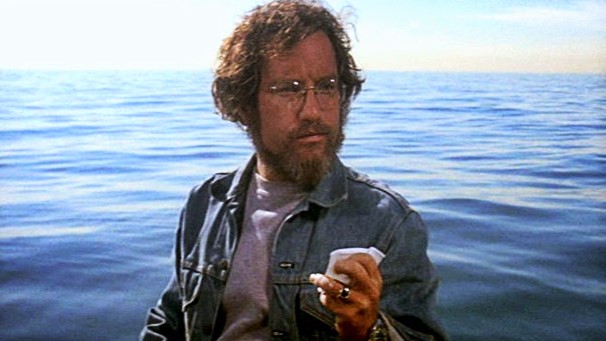
At the same time, Dreyfuss had recently completed The Apprenticeship of Duddy Kravitz.
The 1974 Canadian film gave him something very different from a supporting role.
He was the star.
Dreyfuss played the ambitious Duddy Kravitz and appeared throughout much of the movie. It was exactly the kind of substantial leading performance that could help establish a young actor.
Then Dreyfuss finally watched it.
Seeing himself in brief television appearances or smaller movie parts had been one thing.
Watching his own face dominate a feature film was another.
Dreyfuss hated the experience.
Not the movie itself.
His own performance.
And his reaction was so extreme that it completely reversed his thinking about Jaws.
He Thought His Performance Was So Bad His Career Might Be Over
This was what Dreyfuss saw on screen that changed everything:
He watched himself in The Apprenticeship of Duddy Kravitz and became convinced he had given a disastrously bad performance — bad enough, he feared, to damage or even end his career once the movie reached American audiences.
Years later, Dreyfuss described his judgment in almost comically brutal terms. In his mind, he had just watched himself give one of the worst performances imaginable.
Suddenly, his problem was no longer whether Jaws would be unpleasant to make.
His problem was whether he would still have a career.
Dreyfuss reasoned that he needed another movie underway before Duddy Kravitz came out.
And conveniently, there was a movie he had just rejected twice.
He called Spielberg.
This time, he was not turning anything down.
He wanted Hooper badly.
Dreyfuss Went From Saying No to Begging Spielberg for the Part
The reversal was complete.
Dreyfuss later said he begged Spielberg to cast him.
In another recollection, he explained his thinking very clearly: if he was not already working when Duddy Kravitz opened, he feared nobody would employ him afterward.
That urgency made Jaws suddenly irresistible.
There was just one problem.
The production was already moving.
Dreyfuss has recalled being cast essentially at the last possible moment, with filming beginning almost immediately around the time he joined.
The actor who had confidently told Spielberg no now found himself racing aboard one of the most famously difficult movie productions ever attempted.
And his original concern about the shoot being miserable?
That part was not exactly wrong.
His First Instinct About the Production Was Actually Pretty Accurate
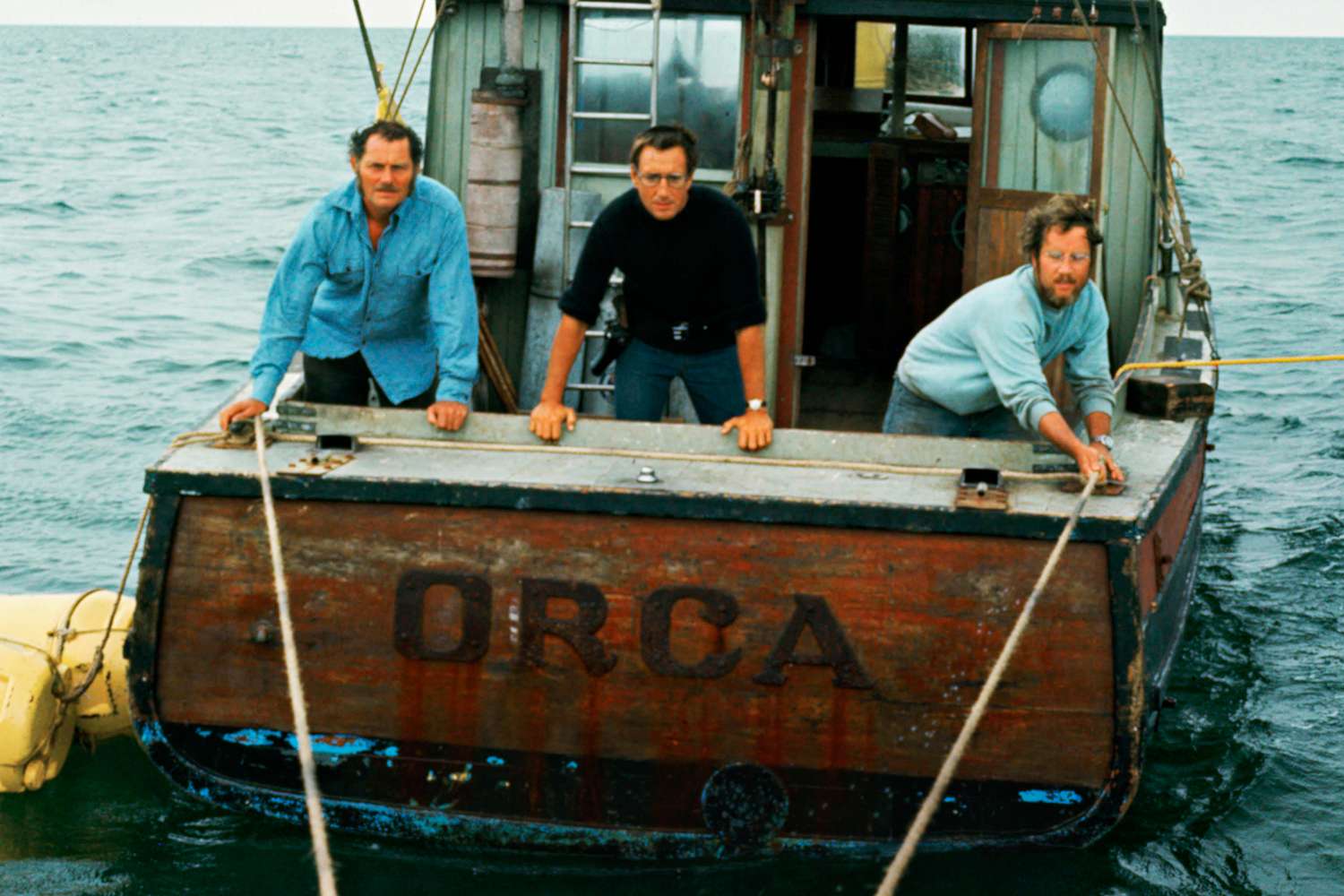
Jaws became notorious for the problems Spielberg and his crew faced while filming around Martha’s Vineyard.
Shooting on the ocean created constant complications.
Boats drifted into frame. Weather changed. Equipment malfunctioned.
Most famously, the mechanical shark caused enormous headaches.
The production ran far beyond its original schedule, and Spielberg later spoke often about the pressure of making the movie.
So Dreyfuss had correctly identified something important when he first heard the pitch.
It really was going to be difficult.
What he had failed to predict was how important the movie would become.
Hooper gave Dreyfuss a role that perfectly used his combination of intelligence, nervous energy and humor.
His clashes with Quint provided some of the film’s funniest moments while also establishing the tension among the three men before they finally encounter the shark at sea.
By the time the Orca leaves shore, Hooper is essential.
The Movie Dreyfuss Feared Would Ruin Him Did the Opposite
Then came the final irony.
The Apprenticeship of Duddy Kravitz did not destroy Richard Dreyfuss’ career.
His nightmare scenario existed largely in his own head.
The film was well received, and Dreyfuss’ performance earned praise.
The movie he thought might make Hollywood stop calling instead helped confirm that he was an actor worth watching.
At roughly the same time, he was making Jaws — the film he had accepted partly because he wanted professional insurance against the supposedly terrible performance he had just seen.
That meant Dreyfuss had managed to turn one career fear into two successes.
And Jaws became something much larger than anyone involved initially understood.
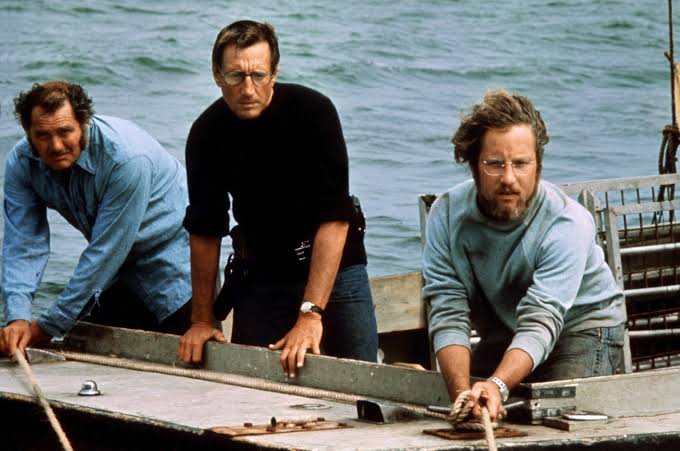
Hooper Became Part of a Movie That Changed Hollywood
Released in the summer of 1975, Jaws became a phenomenon.
Spielberg’s shark thriller helped redefine the possibilities of the summer blockbuster and turned its young director into one of Hollywood’s most important filmmakers.
Dreyfuss was suddenly part of one of the defining movies of the decade.
He would work with Spielberg again on Close Encounters of the Third Kind only two years later, and his career continued far beyond the disaster he had imagined while watching Duddy Kravitz.
That makes his road to Hooper one of the great casting reversals.
He did not suddenly discover that the Jaws screenplay was brilliant.
He did not rethink his decision because Spielberg delivered a more persuasive sales pitch.
Richard Dreyfuss simply watched himself on a giant screen and panicked.
He became convinced the performance staring back at him might end his career, called Steven Spielberg and begged to board a movie he had already rejected twice.
The film he feared would ruin him was praised.
The backup plan became Jaws.