He Said an Intruder Killed His Wife. Prosecutors Say the Former ‘American Idol’ Contestant Staged the Entire Scene
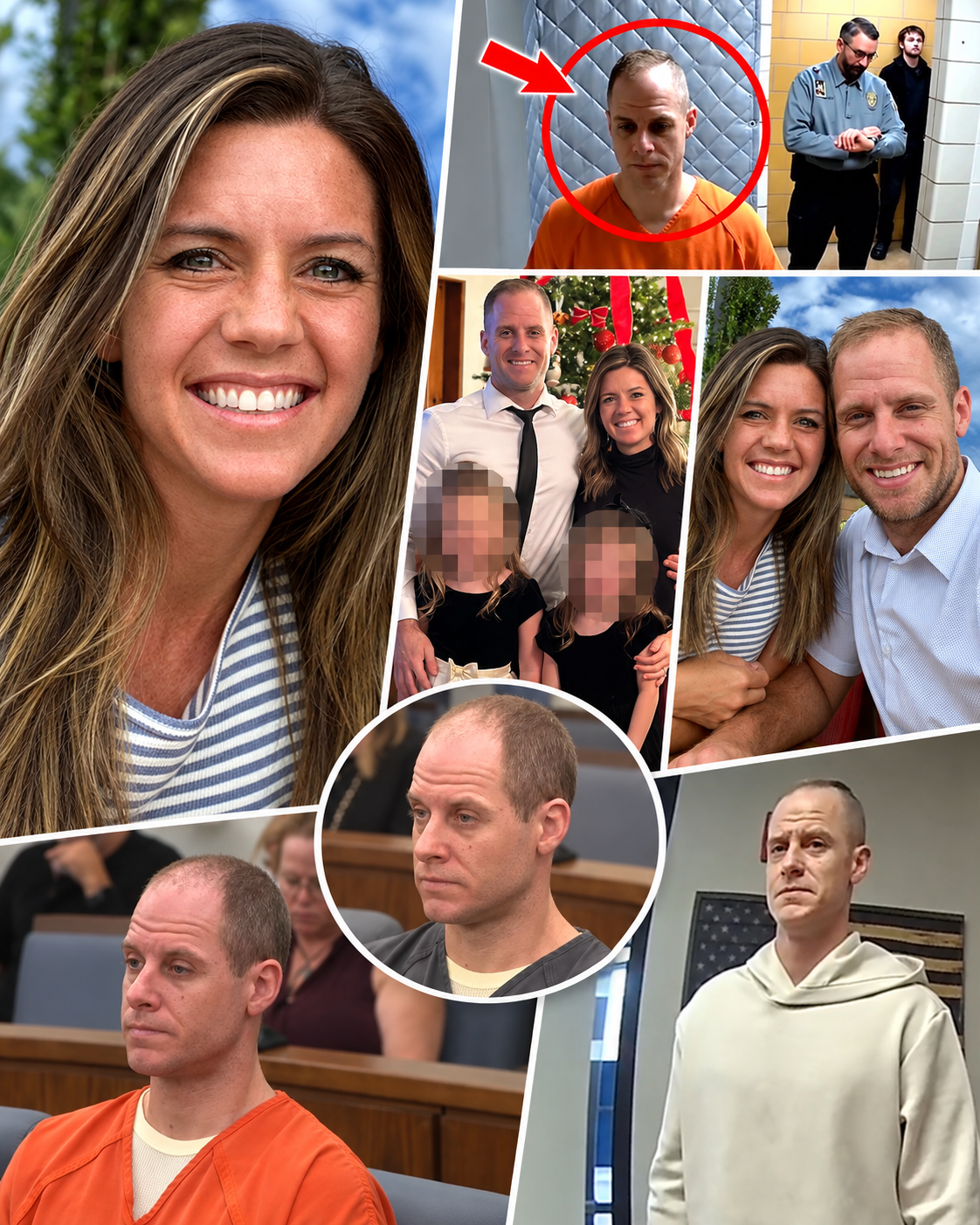
When Caleb Flynn called 911 from his Ohio home in the early hours of Feb. 16, he gave authorities a terrifying account.
Someone had broken into the house, he said.
His wife, Ashley Flynn, had been shot.
Their children were inside.
But within days, investigators said they had reached a dramatically different conclusion about what happened inside the family’s Tipp City home.
According to prosecutors, there was no unknown intruder.
Instead, they allege Caleb Flynn — a 39-year-old former American Idol contestant and former worship pastor — shot his 37-year-old wife and then manipulated the crime scene to make her killing appear to be the result of a burglary.
Flynn has pleaded not guilty to the charges against him, and those accusations have not yet been decided by a jury.
Now, seven months after Ashley’s death, the two competing versions of what happened are finally moving toward a courtroom confrontation.
Jury selection in Flynn’s murder trial is scheduled to begin Sept. 17 in Miami County, Ohio.
A 911 Call About an Intruder
Police were dispatched to the Flynn family’s home on Cunningham Court in Tipp City at approximately 2:30 a.m. on Feb. 16 following a report of a burglary in progress and a shooting.
Flynn told the dispatcher that an intruder had entered the residence and that Ashley had suffered gunshot wounds to the head. He also indicated that the garage door was open.
When officers arrived, they found Ashley dead inside the home. Authorities later said she had been shot twice. The couple’s two children were also at the residence.
At first, the emergency call appeared to describe the kind of nightmare scenario every homeowner fears: a stranger entering a house in the middle of the night and attacking someone inside.
But detectives quickly began questioning whether the physical evidence supported Flynn’s story.
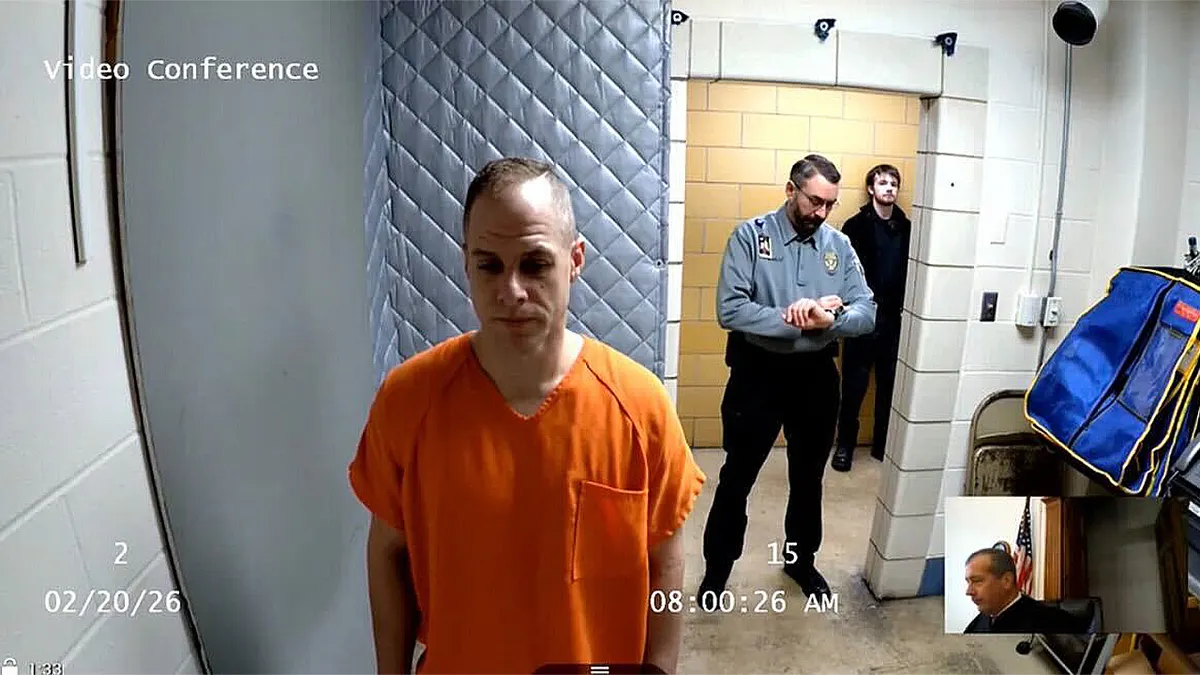
Three days later, on Feb. 19, Tipp City police arrested him.
Police Chief Greg Adkins said investigators had developed probable cause to believe Flynn was responsible for Ashley’s death following what the department described as an extensive investigation involving multiple law-enforcement agencies.
The case had changed completely.
Flynn was no longer simply the husband who said he had discovered the aftermath of an attack.
He was the primary suspect.
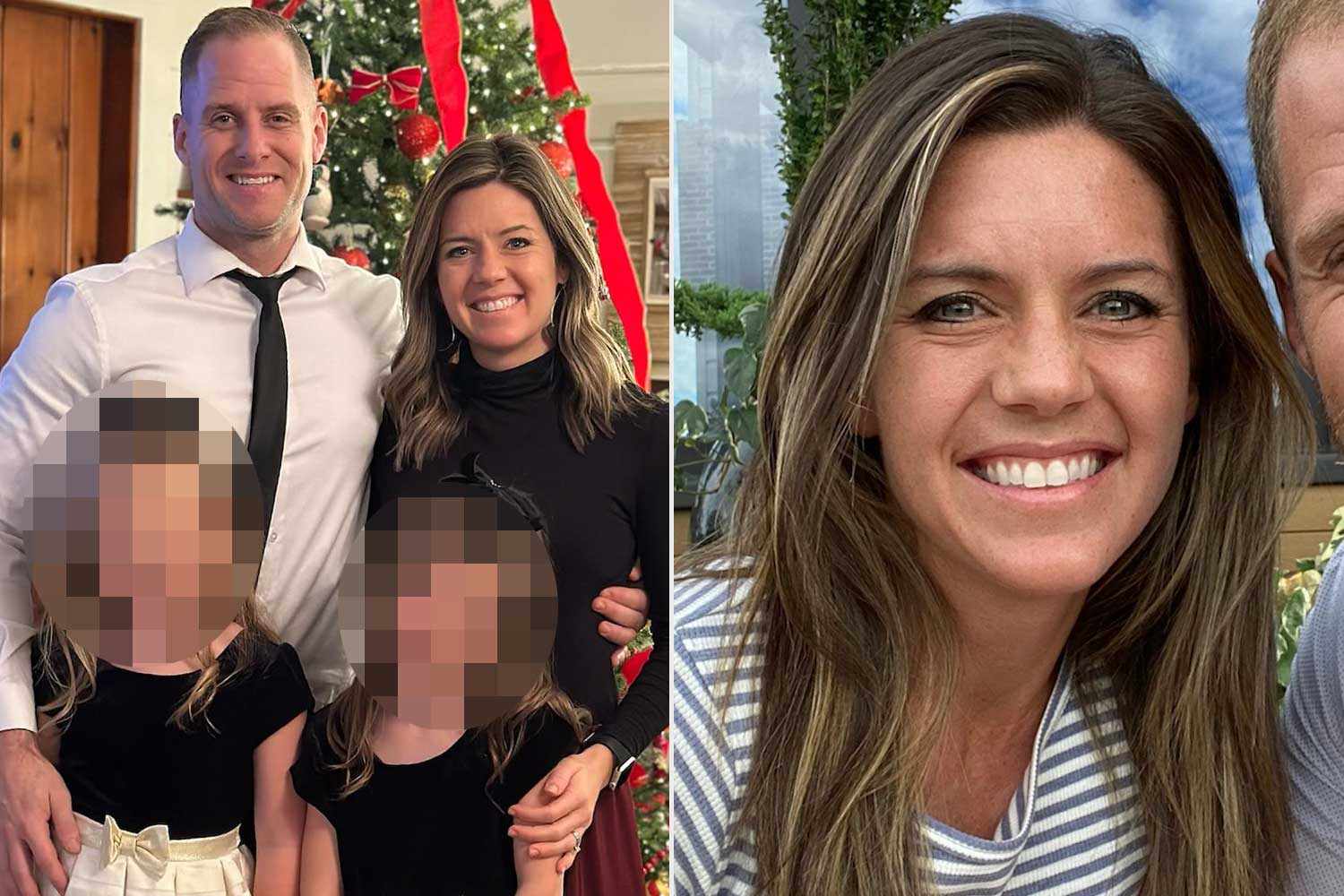
Investigators Say the Burglary Was Staged
Authorities allege Flynn used a 9mm handgun to kill Ashley and then staged portions of the home to support his claim that an intruder had broken in.
The precise evidence prosecutors intend to use to establish that alleged staging will become one of the most closely watched elements of the trial.
Flynn’s defense has disputed the state’s version of events from the beginning.
After his initial arrest, his attorney criticized what he characterized as an unusually rapid investigation and cautioned against reaching conclusions before all evidence could be examined. Police, meanwhile, defended the investigation as thorough and collaborative.
The prosecution’s theory eventually led to a much larger indictment.
On March 18, a Miami County grand jury charged Flynn with 11 counts: one count of aggravated murder, three counts of murder, two counts of felonious assault, three counts of tampering with evidence and two counts of intimidation of an attorney, victim or witness in a criminal case.
Some charges include firearm specifications.
Flynn pleaded not guilty.
His bond was later set at $3.5 million.
Witness Intimidation Allegations Added Another Layer
The intimidation charges added another unresolved element to the case.
Court records allege that between Feb. 16 and Feb. 18 — the period immediately following Ashley’s death but before Flynn’s arrest — he attempted to intimidate a person because that individual was a witness to a criminal act.
Public filings initially provided little detail about what prosecutors believe occurred or which witness was allegedly targeted.
Those allegations remain accusations and, like the murder charges, must be proven in court.
But they demonstrate how far the state’s case extends beyond the central question of who fired the gun.
Prosecutors are also attempting to establish what Flynn allegedly did afterward.
Two Children Could Become Critical Witnesses
Perhaps the most sensitive part of the upcoming trial concerns Caleb and Ashley Flynn’s two children.
Both were inside the house when their mother was killed.
Their potential testimony has become a significant pretrial issue, both because of what they may have witnessed and because of their ages.
Legal observers following the case have identified the children’s expected testimony, along with Flynn’s 911 call and the alleged crime-scene staging, as potentially important pieces of evidence for jurors to evaluate.
In the final days before jury selection, attorneys also debated how testimony from juvenile witnesses would be handled publicly.
On Sept. 14, prosecutors, the defense and attorneys representing local media organizations agreed that the children would not be shown on video during their testimony. Audio, however, could still be recorded. Adult witnesses may be recorded with both video and audio.
The arrangement reflects the challenge facing the court: conducting a public criminal trial while also protecting children who may be asked to describe events surrounding their mother’s death.
Who Gets to Hear the Other Witnesses?
Another dispute involved whether witnesses would be permitted to remain inside the courtroom before giving their own testimony.
Judge Jeannine Pratt issued a separation-of-witnesses order on Sept. 15.
Under the order, witnesses generally cannot sit in court and hear testimony before they themselves testify. They also cannot follow news coverage of testimony or discuss it with witnesses who have not yet taken the stand.
Such orders are intended to prevent one witness’s account from being influenced — intentionally or unintentionally — by what another witness says.
The issue was especially important in Flynn’s case because members of Ashley’s family may both attend the trial as victims and be called as witnesses.
The court had spent days considering where those rights and restrictions should intersect.
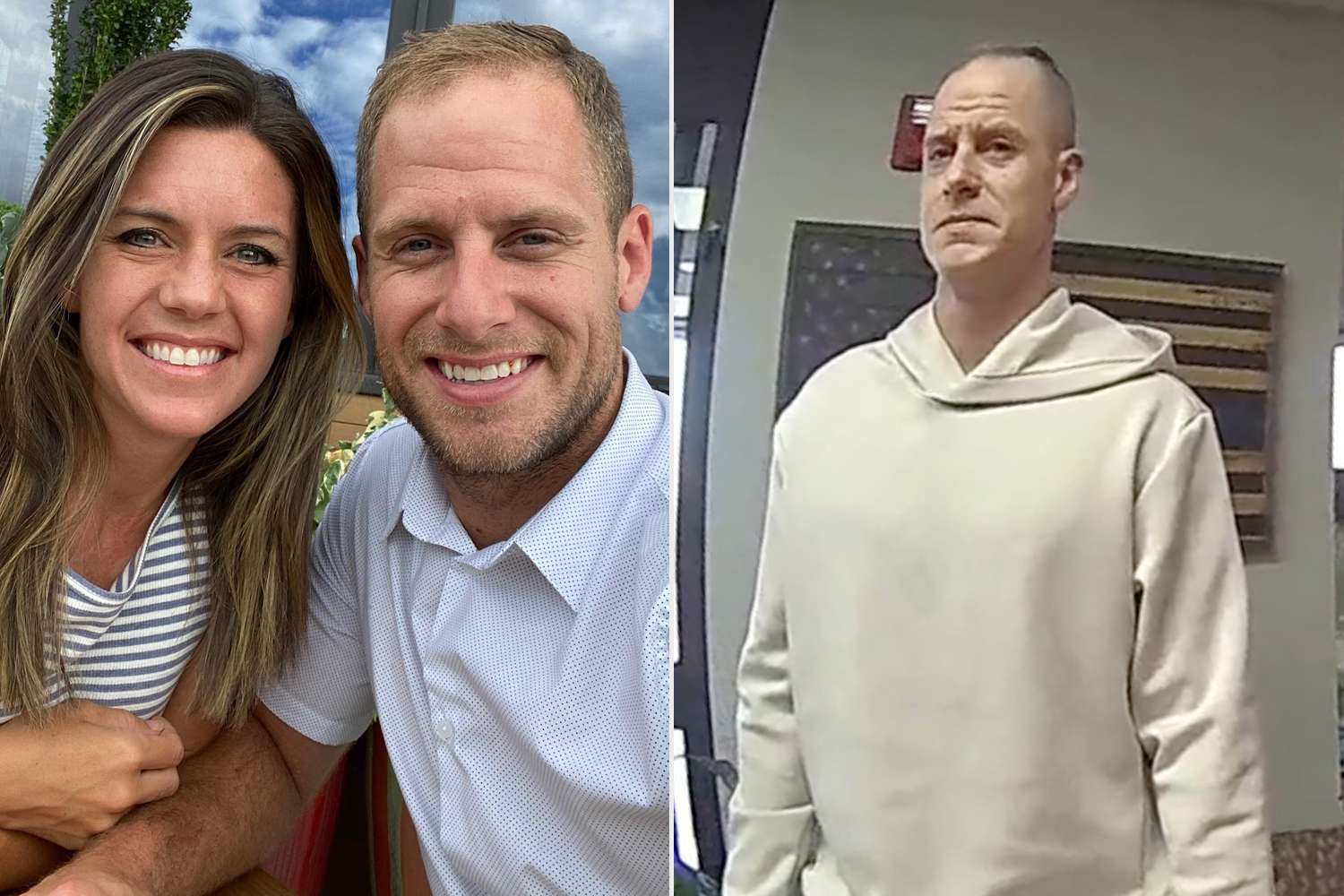
A Trial Built Around Two Opposing Stories
For jurors, the heart of the case may ultimately be relatively simple to describe, even if the evidence is complex.
Flynn’s original account is that someone else entered his home and killed his wife.
The prosecution says that person never existed.
Authorities allege Flynn shot Ashley himself and then attempted to create the appearance of a burglary.
The state will have to convince jurors beyond a reasonable doubt that the evidence supports that theory.
The defense, meanwhile, can challenge the reliability of the investigation, the interpretation of the physical evidence and any inconsistencies in witness testimony.
Flynn’s brief history as a television contestant has added national attention to the case. He competed on Season 12 of American Idol, years before the shooting that would bring his name back into headlines for an entirely different reason.
Ashley, meanwhile, was remembered in her community as a volleyball coach, educator and mother of two. Reports following her death described her as a popular figure within the Tipp City school community.
The Jury Has Not Heard the Case Yet
Despite months of allegations, court filings and pretrial hearings, one fact remains important as the trial begins:
No jury has yet determined that Caleb Flynn killed his wife.
He has pleaded not guilty and remains presumed innocent unless prosecutors prove the charges beyond a reasonable doubt.
Jury selection is scheduled to begin on the morning of Sept. 17 at the Historic Miami County Courthouse in Troy, Ohio, with two days reserved for selecting jurors.
Once testimony begins, jurors will be asked to decide between two fundamentally incompatible accounts of what happened inside the Flynn home on Feb. 16.
One begins with an unknown intruder entering through the night.
The other begins and ends with the man who called 911.
After seven months of investigation and legal maneuvering, the evidence presented in court will determine which version the jury believes.