A Family Spent Years Trying to Identify One Biological Father. DNA Connected Them to Charles Manson
For most families, a DNA test might uncover a distant cousin, confirm an old family story or finally answer a question about an unknown relative.
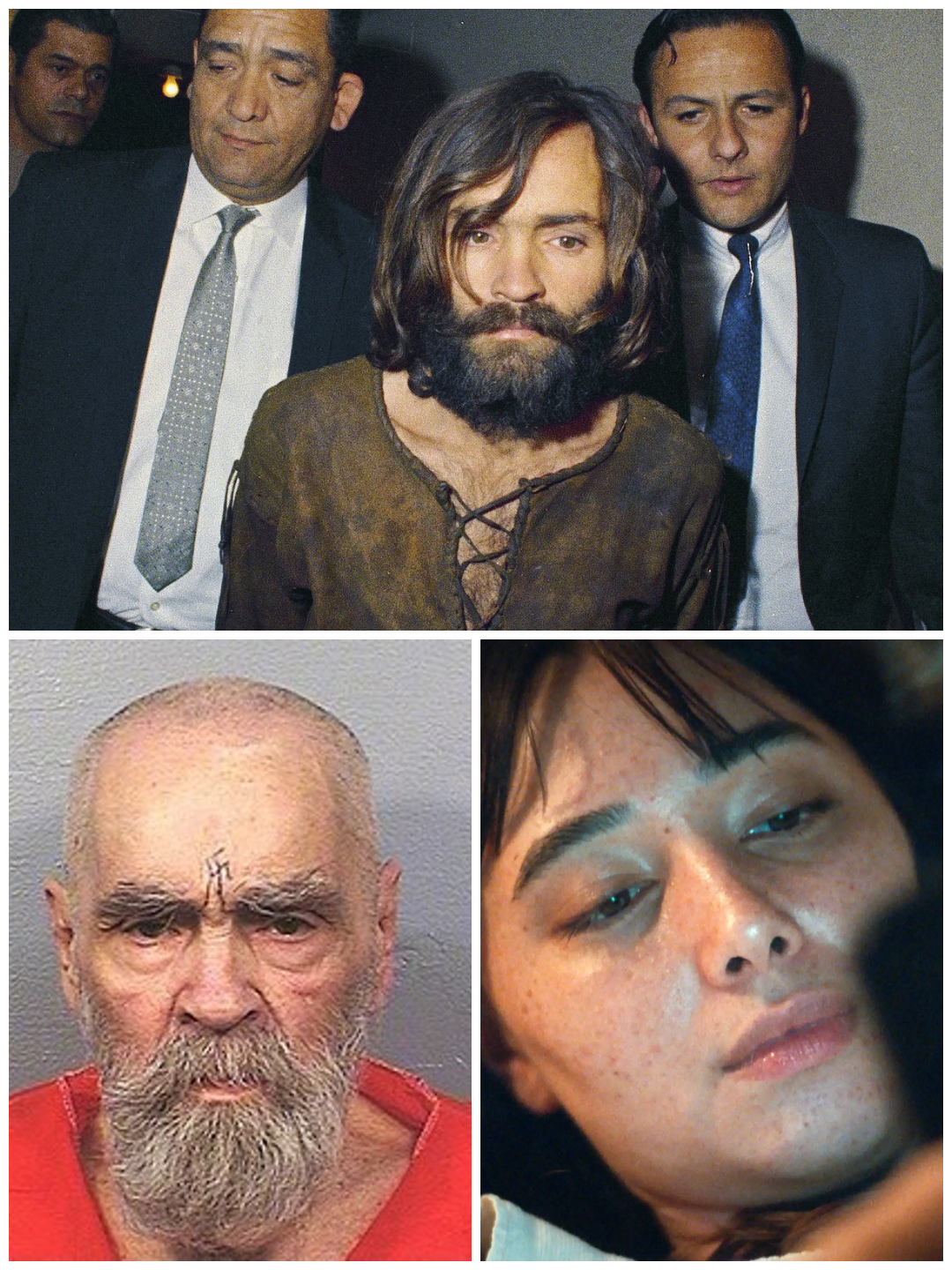
For Sophia Maddox’s family, the answer was Charles Manson.
Maddox was 22 when she learned that the notorious cult leader was her biological grandfather, a discovery that began not with her own curiosity about Manson, but with her father’s longtime questions about who his biological father really was.
Her father, Daniel Arguelles, had grown up without knowing that part of his identity.
Eventually, genetic testing provided an answer.
According to Maddox, DNA research connected Arguelles to Manson’s known family line. Arguelles discovered that he shared a sibling connection with Michael Brunner, one of Manson’s acknowledged sons — meaning that Manson was also his biological father.
For Maddox, the result instantly transformed one of America’s most infamous names into something painfully personal.
The discovery became the basis of the Hulu documentary My Grandfather Charles Manson, released July 22, 2026. But the film ultimately became about far more than genealogy.
It became a story about what happens when discovering the truth about your family creates questions that may be even harder to answer.
Her Father Had Spent Decades Without Knowing
At the center of the story is Arguelles, who had lived most of his life without knowing the identity of his biological father.
Maddox told the Los Angeles Times that her father did not learn about his biological connection to Manson until he was 62.
A DNA test changed everything.
Genealogical research reportedly revealed that Arguelles shared a sibling connection with Michael Brunner, whose father was Manson. That discovery led the family to the conclusion that Arguelles was another biological son of Manson.
For Maddox, that meant the man she had previously understood only as a distant historical figure was suddenly her grandfather.
It was particularly jarring because she had encountered Manson’s name years earlier without having any idea that the two were related.
As a teenager, Maddox had been listening to the Beatles’ White Album and became curious about “Helter Skelter.” Searching the term online introduced her to Manson and his distorted interpretation of the song.
At the time, she regarded him as someone completely removed from her own world.
Years later, that distance disappeared.
She Was 22 When She Learned the Truth
Maddox has described the discovery as emotionally devastating.
She was 22 when she learned about the biological connection.
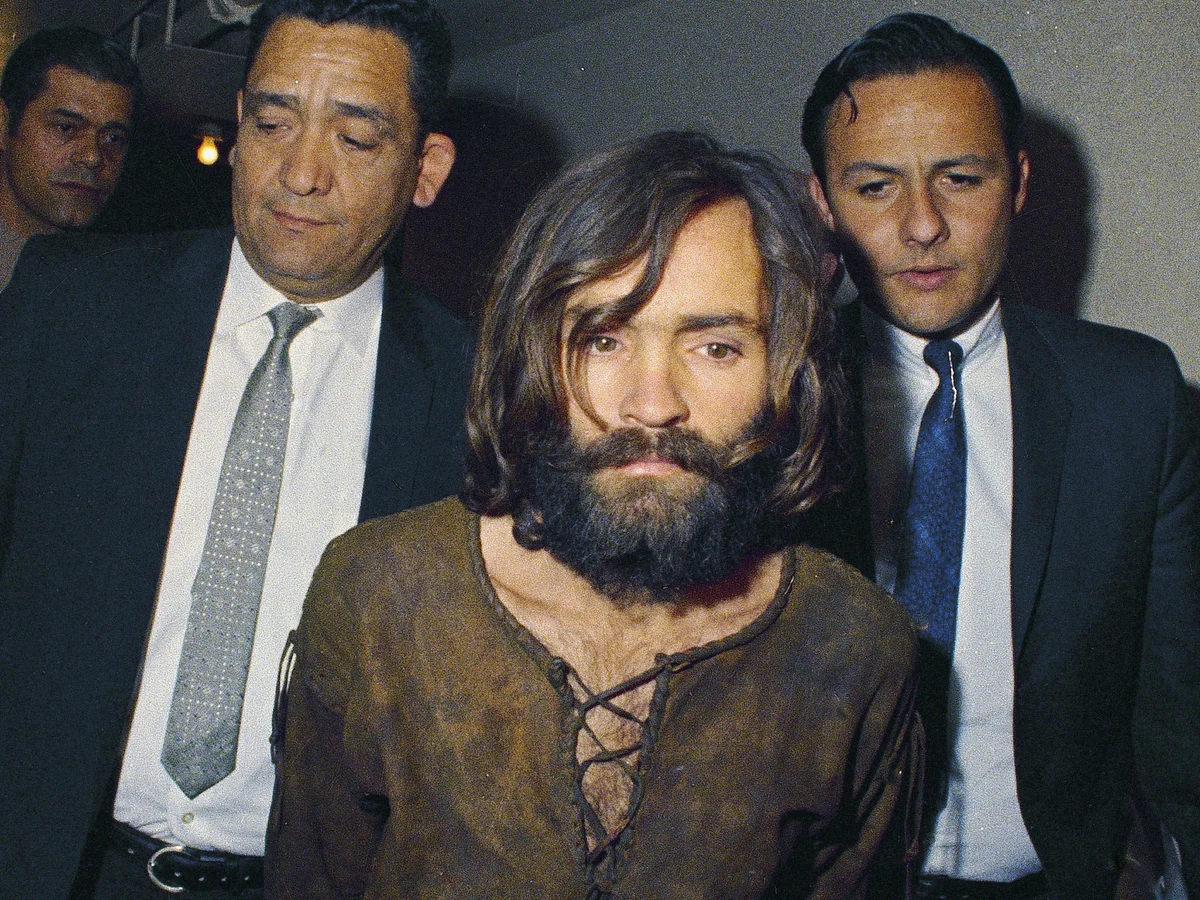
By then, she knew considerably more about Manson, including his role in directing followers to carry out the 1969 killings that included actress Sharon Tate and the murders of Leno and Rosemary LaBianca.
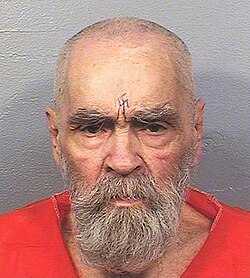
Manson was convicted in connection with the killings and spent the remainder of his life in prison. He died in 2017 at age 83.
Learning that he belonged in her own family tree created a crisis of identity for Maddox.
In her interview with the Los Angeles Times, she described initially wondering whether the DNA information could somehow be wrong. She struggled with the feeling that she was now permanently connected to someone whose crimes had horrified the country.
Over time, however, she began separating biological inheritance from personal identity.
Research, interviews and therapy became part of that process.
The Discovery Affected Her Father Differently
The story might have ended as an extraordinary genealogy revelation.
Instead, the consequences inside the family became a major part of the documentary.
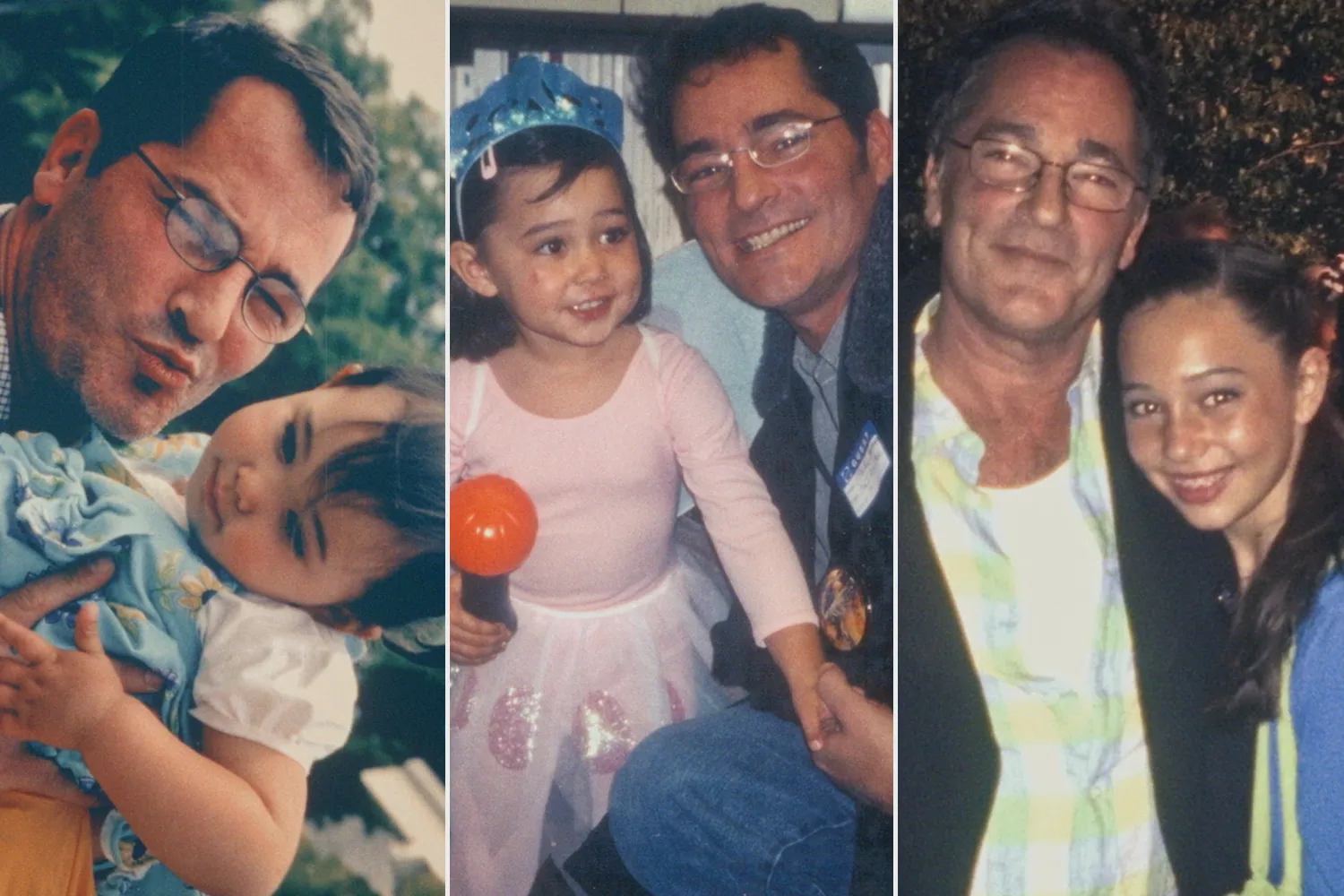
Maddox and her father had once been exceptionally close. She recalled that Arguelles filmed much of her childhood and that she had often served as an important source of support for him.
But learning that Manson was his biological father had a profound effect on Arguelles.
According to the Los Angeles Times, the discovery contributed to a serious emotional and mental-health crisis for him.
And as Maddox moved deeper into researching Manson for the documentary, the relationship between father and daughter became increasingly strained.
Their experience created a difficult paradox.
Arguelles had spent decades wanting an answer about his biological father.
Once he received it, the answer itself became a new burden.
A Documentary That Started With DNA Became Something Much More Personal
Maddox eventually turned the discovery into My Grandfather Charles Manson, which she co-directed with filmmaker Alexandra Orton.
Hulu describes the documentary as beginning with Maddox’s effort to identify an unknown grandfather before that search leads her directly to Manson.
From there, the project expands into an investigation of Manson’s life, psychology and family legacy.
Maddox interviews people connected to Manson’s history, including former associates, researchers and former prosecutor Stephen Kay. The documentary also uses archival footage and recordings as she attempts to understand not merely what Manson did, but the circumstances and personality that shaped him.
Yet the closer Maddox gets to understanding her grandfather’s history, the more complicated things become with her own father.
The documentary captures that deterioration instead of hiding it.
At one point, tensions between Maddox and Arguelles erupt into an argument inside a car. Elsewhere, Arguelles grows increasingly uncomfortable and combative as the investigation continues.
What began as an attempt to fill a blank space in the family tree was now changing the relationship between two people who had been exceptionally close.
Maddox Began Asking a Question DNA Could Not Answer
Genetic testing could tell Maddox who her grandfather was.
It could not tell her what being related to him meant.
That distinction became central to her journey.
She wondered whether behavior, trauma or personality could somehow move through generations. She looked at similarities and differences between Manson’s experiences, her father’s life and her own.
Hulu’s description of the documentary frames the dilemma directly: after discovering her biological connection, Maddox begins questioning what — if anything — she has inherited.
But Maddox eventually reached a different conclusion.
Knowing where she came from did not require allowing that history to determine who she became.
She told the Los Angeles Times that completing the documentary ultimately left her feeling more empowered rather than trapped by the revelation.
Her grandfather’s identity was a fact about her genealogy.
It was not a verdict on her character.
The Family Name Eventually Became Part of the Reckoning
Maddox also made a symbolic decision about how she wanted to define her family story.
According to PEOPLE’s coverage of the documentary, she changed her surname to Maddox, the surname of Manson’s mother and Maddox’s great-grandmother.
For her, the decision offered a way to acknowledge the larger family lineage without allowing the Manson name — and everything associated with it — to dominate her identity.
It underscored one of the documentary’s larger ideas.
A family tree can tell you who came before you.
It cannot decide who you have to become.
One Missing Name Changed an Entire Family
DNA services have turned previously unknowable family mysteries into questions that can sometimes be answered with a saliva sample and a database.
For Daniel Arguelles, the question was straightforward: Who was his biological father?
The answer was anything but.
It added Charles Manson to his family tree, made Manson Sophia Maddox’s biological grandfather and launched a search that eventually became a documentary.
But the most consequential discovery was not simply the famous name revealed by the DNA.
It was what that name did to the people who discovered it.
The family finally found the missing piece they had been searching for.
Then they had to figure out how to live with the answer.