She Voted Lindsay Clancy Was Not Criminally Responsible. But One Thing Her Lawyers Want Now Makes This Juror Uneasy
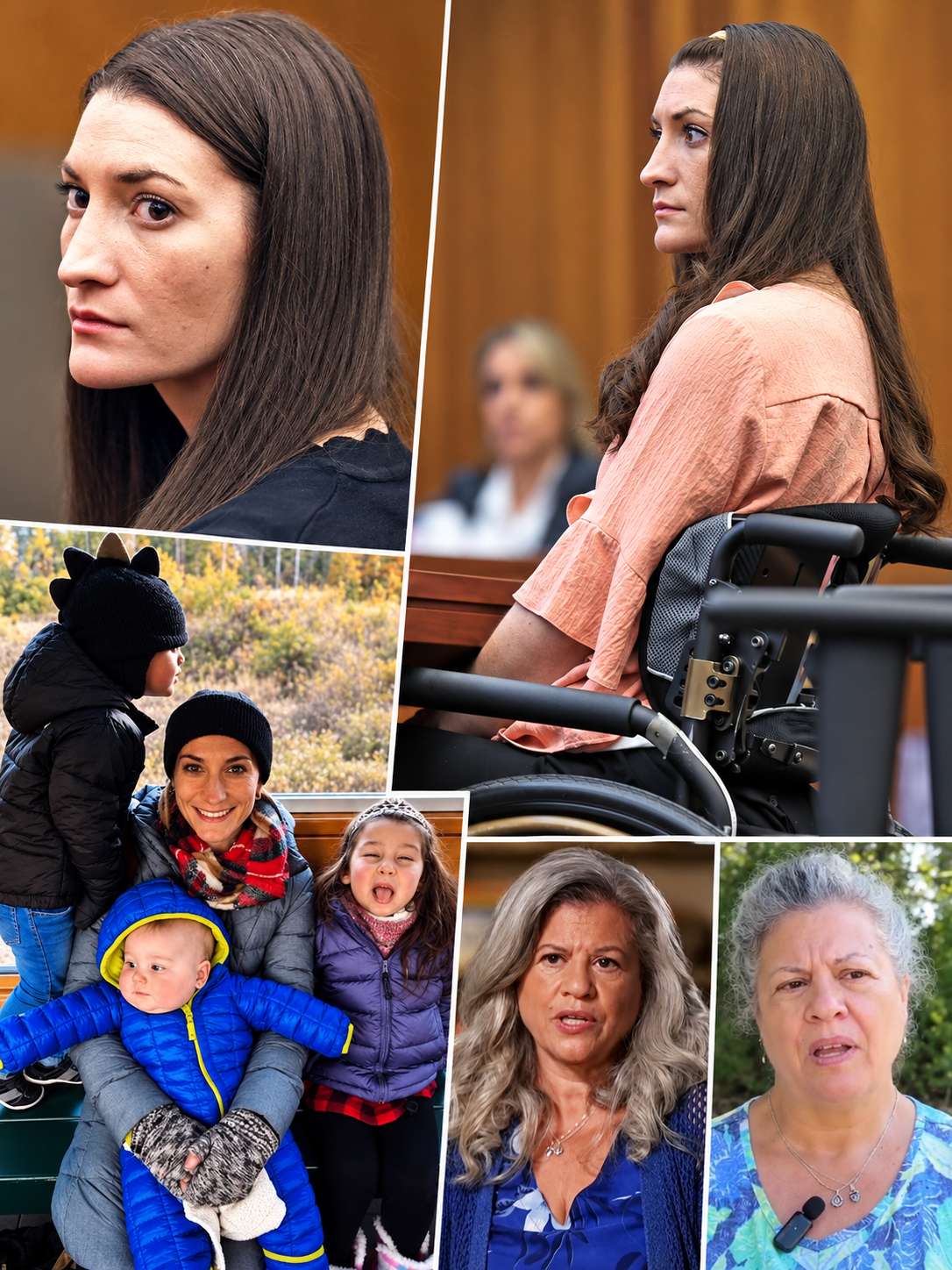
Paula Devlin was one of the jurors prepared to find Lindsay Clancy not criminally responsible for the deaths of her three young children.
But days after the murder trial ended in a mistrial, Devlin made clear that her vote did not mean she wanted the case simply erased.
As Clancy’s defense team moves to prevent another prosecution — seeking a court ruling in her favor and preparing a double-jeopardy challenge — Devlin has publicly expressed discomfort with the possibility that the criminal case could end without the kind of outcome she believed the jury had been trying to reach.
“I don’t feel good about that,” Devlin said when asked about the defense effort to have the case thrown out.
For her, the distinction is deeply personal.
Devlin said the jurors who believed Clancy lacked criminal responsibility were not forgetting the three children at the center of the case: 5-year-old Cora, 3-year-old Dawson and 8-month-old Callan.
“Those children never left that room,” she said of the jury deliberations. “They’ve never left our hearts.”
That statement reveals a tension that can easily disappear inside the legal language surrounding the case.
Devlin believed Clancy should not be held criminally responsible because of her mental condition. But she also believed that an outcome recognizing that lack of criminal responsibility could still lead to treatment and continued court oversight.
To Devlin, that was very different from simply making the prosecution go away.
An 11-1 Split Did Not Mean 11 Jurors Wanted Clancy to “Walk Free”
Clancy’s first trial ended Sept. 4 after seven days of jury deliberations and repeated declarations that the panel could not reach a unanimous verdict.
Several jurors later said the final division was 11 to 1, with 11 prepared to find Clancy not guilty by reason of lack of criminal responsibility and one juror favoring a murder conviction.
That split has become one of the most discussed facts to emerge from the mistrial.
But Devlin’s comments complicate a simple interpretation of it.
She told CBS Mornings that she was leaning toward a finding of no criminal responsibility based on the evidence and became more convinced during deliberations. Testimony from forensic psychiatrist Dr. Phillip Resnick was particularly important to her, as was testimony from Patrick Clancy, Lindsay’s now-ex-husband.
Patrick, who lost all three of his children, did not use his testimony to condemn Lindsay in the way Devlin had expected.
That mattered to her.
So did the picture jurors were given of the Clancy home and of Lindsay’s relationship with her children before Jan. 24, 2023.
Yet Devlin’s conclusion was not that nothing should happen to Lindsay.
Instead, she said she believed justice would involve Clancy receiving the help she needs.
That is why the latest defense strategy has left her uneasy.
What the Defense Is Asking the Court to Do
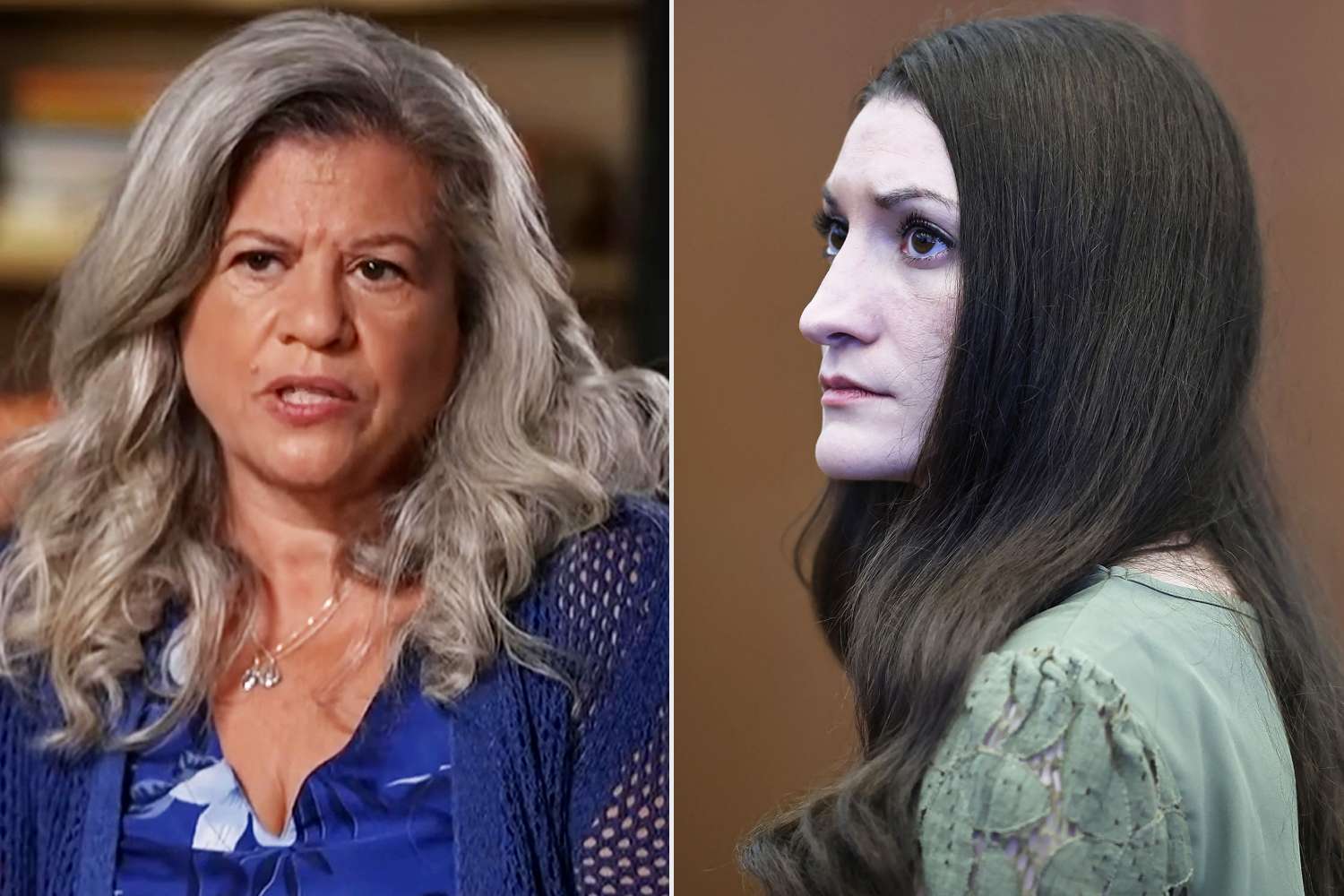
After the mistrial, Clancy attorney Kevin Reddington renewed his effort to obtain a finding of not guilty by reason of lack of criminal responsibility.
The defense has argued that prosecutors failed to provide legally sufficient evidence that Clancy could appreciate the wrongfulness of her actions or conform her conduct to the law when the children were killed.
The defense is also preparing a separate double-jeopardy challenge aimed at preventing another trial.
This week, attorney Martin G. Weinberg joined Clancy’s legal team specifically to work on that issue, according to a court filing. Weinberg’s appearance says he will represent Clancy in connection with a forthcoming motion to dismiss on double-jeopardy grounds and related matters.
The argument has been fueled partly by what happened inside the jury room.
The jury foreperson told the judge before the mistrial that one juror had acknowledged doubt but, in the foreperson’s view, was refusing to apply the law correctly. Reddington has cited jurors’ post-trial accounts in arguing that the mistrial should not lead automatically to another prosecution.
The holdout juror, Michael Desronvil, has since disputed that characterization.
In a statement released Sept. 17, he said he “didn’t have any doubts” and believed the physical evidence, witnesses and prosecution case showed that Clancy knew what she was doing and had planned her actions.
That disagreement is now extending the argument beyond the jury room and into the next phase of the case.
Why Devlin Sees a Difference
There is an important legal distinction behind Devlin’s concern.
A finding that a defendant is not guilty by reason of lack of criminal responsibility does not necessarily mean the defendant simply leaves the courthouse and resumes ordinary life.
Under Massachusetts law, after such a verdict, authorities may seek to have the person committed to a mental-health facility. A court may continue that commitment if it finds the person remains mentally ill and dangerous, with periodic judicial review.
That helps explain why Devlin could simultaneously believe Clancy was not criminally responsible and still view the defense’s effort to end the criminal proceedings with unease.
Her vote was about responsibility under the law.
Her concern now is about what comes after.
For Devlin, the jurors who favored the insanity defense were not choosing between caring about Lindsay and caring about the children.
She described their intended verdict as another form of accountability — one that recognized what they believed the evidence showed about Clancy’s mental condition while also ensuring that the deaths of Cora, Dawson and Callan remained central to the outcome.
“Everybody wants justice for the children,” Devlin said.
That may be the most revealing part of her interview.
The jury’s 11-1 split can look, from outside the courtroom, like an overwhelming rejection of the prosecution’s theory.
Inside the deliberation room, at least according to Devlin, it felt more complicated.
The children remained the reason the jurors were there.

The Children “Never Left That Room”
Clancy admitted killing Cora, Dawson and Callan inside the family’s Duxbury, Massachusetts, home on Jan. 24, 2023.
The central dispute at trial was not whether she caused their deaths, but whether she was criminally responsible when she did so.
Her attorneys argued that she was suffering from postpartum psychosis and had been affected by extensive psychiatric treatment and medication. Prosecutors argued that her actions demonstrated planning and an awareness that what she was doing was wrong.
The mistrial resolved none of that.
And for Devlin, apparently, the emotional burden of the case did not disappear when jurors were dismissed.
Her description of Cora, Dawson and Callan remaining in the jury room — and remaining in the jurors’ hearts afterward — offers a different view of what the majority’s vote meant.
It was not, in her telling, a vote to forget what happened.
It was an attempt to reconcile something much harder: three children were dead, their mother caused their deaths, and most of the jury nevertheless believed the law did not permit them to hold her criminally responsible.
That contradiction is now following the case into its next stage.
What Happens Next
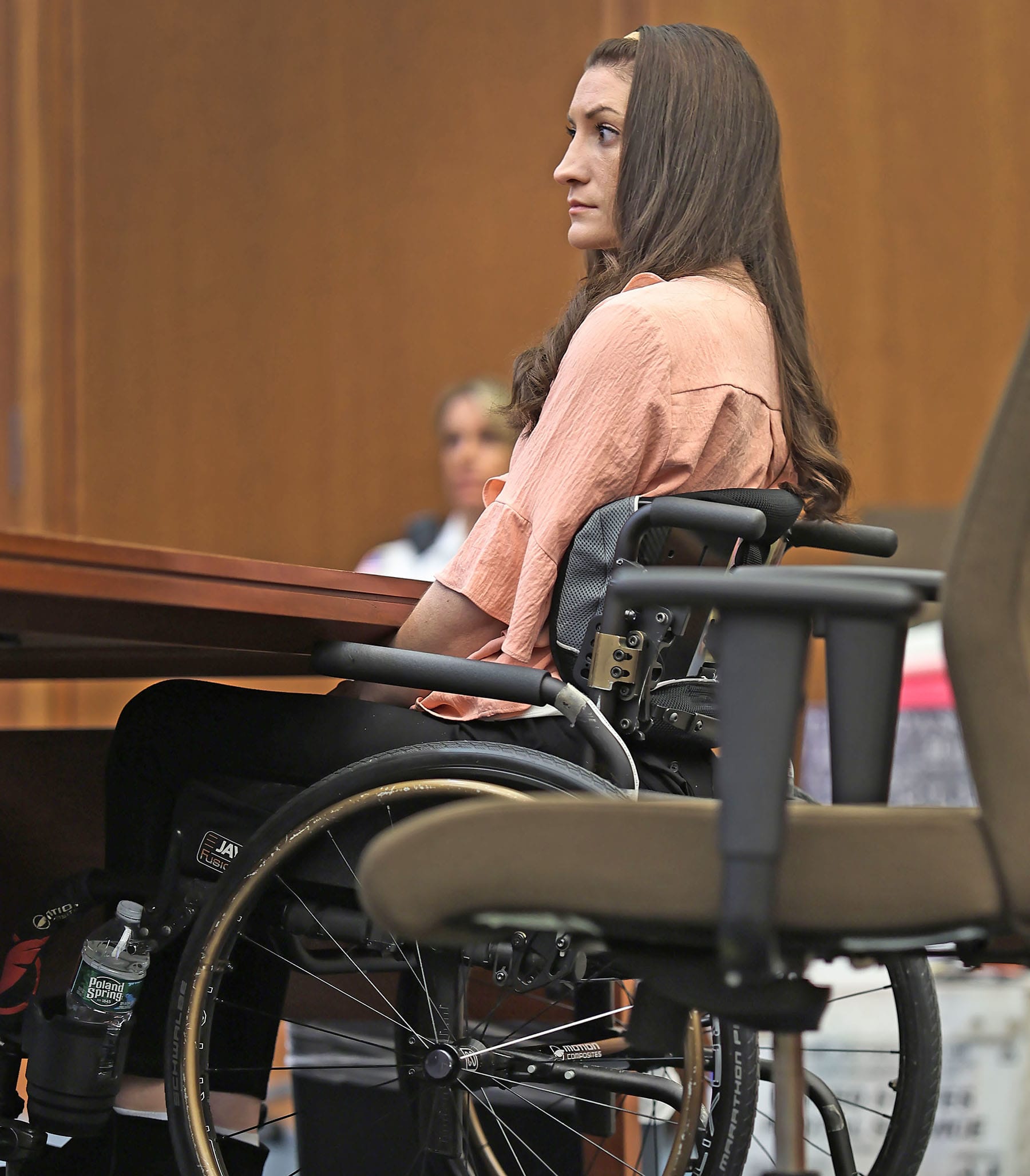
Clancy remains under 24-hour supervision at Tewksbury State Hospital, according to her attorney.
Her case is scheduled to return to Plymouth Superior Court on Sept. 29, when the court is expected to address post-trial motions and the path forward. Her legal team is preparing to argue that another prosecution should be barred, while the question of whether the case will ultimately proceed to a second trial remains unresolved.
And the disagreement that once existed behind the closed doors of the jury room is no longer private.
The lone holdout says he never had the doubt other jurors attributed to him.
The defense says the mistrial should not become the starting point for another full prosecution.
And Devlin — despite being one of the 11 jurors who would have found Clancy not criminally responsible — is making a different point.
For her, a verdict recognizing mental illness could still have been a form of justice.
What she does not want, she has said, is for Cora, Dawson and Callan to disappear from the equation.
The next hearing may begin to determine whether the law sees those possible endings as differently as she does.