Nolan Wells’ Family Vows to Keep Fighting After Grand Jury Declines Charges: ‘More Questions Than Answers’

The family of Nolan Wells says its fight for answers is far from over after a Mississippi grand jury unanimously declined to bring criminal charges in connection with the 18-year-old’s death.
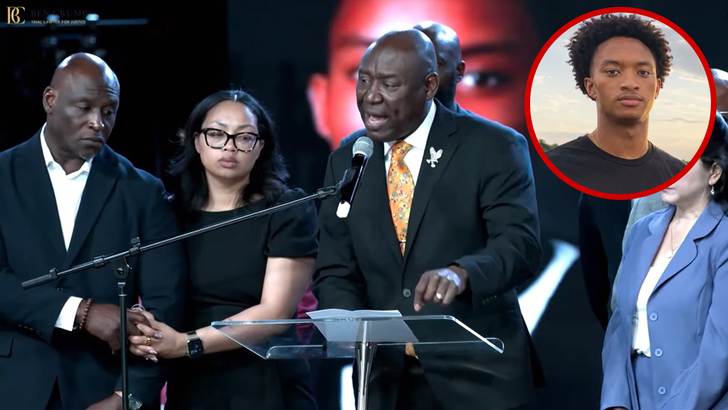
Standing alongside Nolan’s parents following the decision, civil rights attorney Ben Crump challenged the conclusion that the case should effectively end without a definitive explanation for how the teenager died.
The central issue, Crump said, is straightforward: both the state medical examiner and an independent forensic pathologist hired by Nolan’s family left his cause and manner of death undetermined.
At the same time, both examinations documented injuries to his body, including bruising or blunt-force trauma involving the back of his head.
Crump argues that those findings leave an unresolved gap between the legal conclusion — no evidence sufficient for an indictment — and the medical conclusion, which still does not establish exactly what killed Nolan.
“This grand jury result leaves us with more questions than answers,” Crump said in a statement released after the decision.
Grand Jury Declined to Charge Anyone
Nolan disappeared on July 4 while celebrating the holiday with friends on Horn Island, off the Mississippi Gulf Coast.
His body was discovered two days later on the northwestern end of the island.
The case quickly drew national attention after Nolan’s family questioned why he had been left behind and why his cellphone returned to the mainland without him.
A Jackson County grand jury later reviewed an extensive body of evidence.
According to the final report, the panel issued 132 subpoenas and considered information from 43 witnesses through live testimony, sworn statements and recorded interviews.
Jurors also reviewed cellphone evidence, forensic reports, GPS information, videos and material collected through the family’s independent investigation.
After that review, the grand jury unanimously returned a “no true bill,” meaning it found insufficient evidence to indict anyone.
The panel also concluded that there was no credible evidence that Nolan’s death resulted from criminal conduct or racial motivation.
Drowning Was Considered Possible — but Not Officially Determined
One of the most important distinctions in the case concerns drowning.
The grand jury report states that the position, condition, location and timing of the discovery of Nolan’s body were consistent with drowning.
However, neither medical examination officially listed drowning as the definitive cause of death.
Both the state’s chief medical examiner and Dr. Roger Mitchell, the independent forensic pathologist retained by Nolan’s family, classified the cause and manner of death as undetermined.
The grand jury acknowledged that distinction.
Its report said accidental drowning had not been ruled out, but it did not state that medical experts had conclusively proven Nolan drowned.
That difference has become the focus of the Wells family’s continuing challenge.
For Crump, saying evidence is “consistent with drowning” does not answer how Nolan entered the water, whether he was conscious at the time or what role, if any, his injuries played.
Family Focuses on Injuries to Nolan’s Head and Back
The independent autopsy identified what Dr. Mitchell described as unexplained blunt-force injuries involving the back of Nolan’s head and additional areas of his back.
The state examination also documented bruising to the back of his head.
Neither pathologist found those injuries to be immediately fatal.
But Crump says their existence still requires an explanation.
According to the final independent report, the circumstances and mechanism that caused the injuries remain uncertain.
Mitchell also wrote that available evidence did not establish whether Nolan entered the water voluntarily, accidentally or by force — or whether he was conscious when he entered it.
Those unresolved details are why the family rejects the idea that the investigation has produced a complete answer.
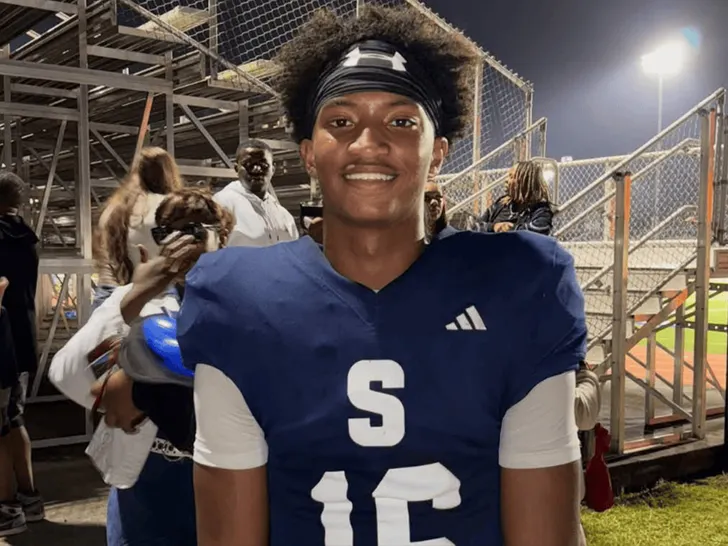
Witness Reported Nolan Fell From a Boat
The grand jury heard evidence that could potentially explain at least some of the bruising.
One witness testified that Nolan slipped awkwardly from the side of a boat at approximately 3:30 p.m. on July 4.
According to the report, Nolan continued socializing after the incident and did not appear seriously hurt.
The grand jury said it considered evidence concerning how he may have sustained the injury to the back of his head.
However, the panel could not definitively determine whether that fall caused the bruising documented during the autopsies.
That uncertainty remains significant for Nolan’s family.
Crump’s position is not that the injuries themselves prove homicide.
Rather, he argues that investigators still cannot conclusively explain their origin.
District Attorney Defends the Investigation
District Attorney Angel Myers McIlrath has strongly defended the investigation and the grand jury process.
She said the evidence did not support allegations that Nolan was attacked, targeted because of his race or deliberately abandoned in circumstances connected to a crime.
McIlrath also pushed back against several claims that circulated publicly during the investigation.
She said some allegations concerning evidence handling, Nolan’s phone and the medical examination were false.
The district attorney also emphasized that material from the family’s own investigators was presented to the grand jury.
According to the report, the family’s digital experts did not provide evidence demonstrating criminal conduct connected to Nolan’s death.
McIlrath said the public speculation surrounding the case had led to harassment and false accusations against people who had been with Nolan.
The grand jury likewise criticized attacks against Nolan’s friends and others associated with the trip.
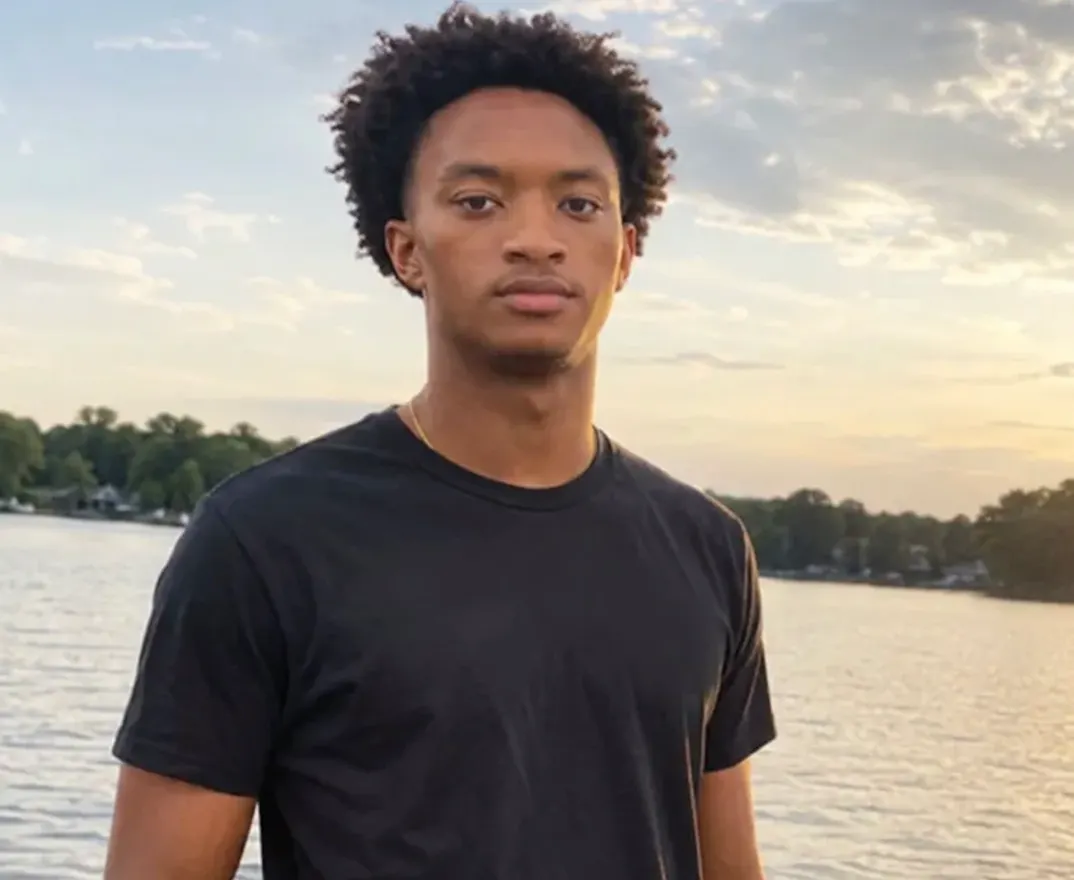
Friends Said Nolan Chose to Stay Behind
Another major point of dispute has involved Nolan’s decision to remain on Horn Island after some of the people he traveled with left.
Friends maintained that Nolan chose to stay and continue socializing after meeting other people on the island.
His parents questioned that explanation.
They said it would have been unusual for Nolan to separate from the group without keeping his phone with him.
The grand jury found evidence supporting the friends’ version of events.
Its report stated that Nolan and others chose to remain behind after some boats departed and that people commonly returned from Horn Island aboard different boats from the ones they arrived on.
The report also noted that Nolan’s cellphone was not the only phone that returned to the mainland without its owner that day.
Family Wants Federal Authorities Involved
Following the grand jury decision, Crump renewed a call for the U.S. Department of Justice to conduct an independent review if Mississippi authorities do not continue investigating.
He also called for the release of the full investigative file and the state medical examiner’s complete autopsy report.
Crump’s team released the final independent autopsy publicly, saying the family wants the underlying evidence available for scrutiny.
“If [Mississippi] will not pursue this to the end, the Department of Justice should,” Crump said.
The request does not mean federal authorities have agreed to open a new investigation.
At this stage, it remains a request from the family and its legal team.
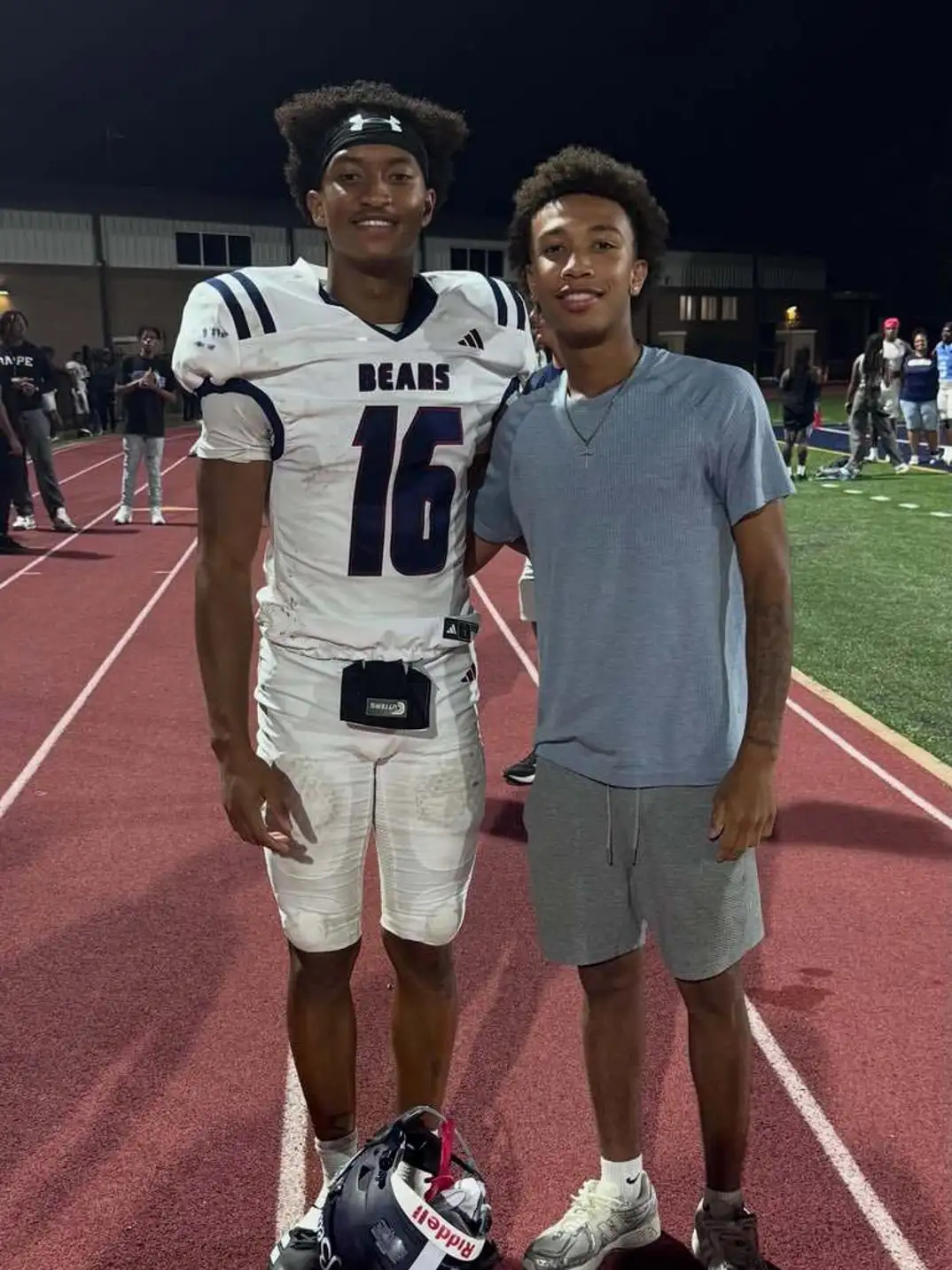
Nolan’s Parents Say the Case Is Not Over for Them
For Nolan’s parents, Christine and Elmore Wonsley, the grand jury’s decision does not provide the closure authorities hoped the extensive investigation might bring.
The legal finding is clear: prosecutors currently do not have evidence sufficient to charge anyone with a crime.
The medical finding is less clear.
No definitive cause of death has been established.
No one has conclusively explained the injuries.
And the exact circumstances of Nolan’s entry into the water remain unknown.
Those unanswered questions are why the family says it will continue seeking additional review.
New Evidence Could Reopen the Case
The grand jury itself left open the possibility that the case could return.
Its report stated that if credible new evidence emerges suggesting Nolan’s death was not accidental, the matter should be presented to another grand jury.
Mississippi also has no statute of limitations for murder.
For now, however, no criminal charges will be filed.
That leaves Nolan’s family confronting two realities at once.
The official investigation found no evidence strong enough to establish criminal responsibility.
But the official medical record still does not say precisely how their 18-year-old son died.
Crump says that gap is exactly why the family is refusing to stop asking questions.
The grand jury may have closed one legal chapter.
For Nolan Wells’ parents, the search for an explanation is still very much open.